Loading genres...
Explore the best books about Buddhism genre.

One Blade of Grass tells the story of how meditation practice helped Henry Shukman to recover from the depression, anxiety, and chronic eczema he had had since childhood and to integrate a sudden spiritual awakening into his life. By turns humorous and moving, this beautifully written memoir demystifies Zen training, casting its profound insights in simple, lucid language, and takes the reader on a journey of their own, into the hidden treasures of life that contemplative practice can reveal to any of us.

The enhanced edition of Be Here Now Two guided video meditations, 30 minutes in length * Twenty minute video retrospective of Ram Dass' spiritual journey *The first chapter of Ram Dass' new book, Be Love Now

Throughout our lives we long to love ourselves more deeply and find a greater sense of connection with others. Our fear of intimacy—both with others and with ourselves—creates feelings of pain and longing. But these feelings can also awaken in us the desire for freedom and the willingness to take up the spiritual path.In this inspiring book, Sharon Salzberg, one of America's leading spiritual teachers, shows us how the Buddhist path of lovingkindness ( metta in Pali), can help us discover the radiant, joyful heart within each of us. This practice of lovingkindness is revolutionary because it has the power to radically change our lives, helping us create true happiness in ourselves and genuine compassion for others. The Buddha described the nature of such a spiritual path as "the liberation of the heart, which is love." The author draws on simple Buddhist teachings, wisdom stories from various traditions, guided meditation practices, and her own experience from twenty-five years of practice and teaching to illustrate how each one of us can cultivate love, compassion, joy, and equanimity—the four "heavenly abodes" of traditional Buddhism.

Dhammapada means “the path of dharma,” the path of truth, harmony, and righteousness that anyone can follow to reach the highest good. Easwaran’s translation of this classic Buddhist text is the best-selling edition in its field, praised by Huston Smith as a “sublime rendering.”The introduction gives an overview of the Buddha’s teachings that is penetrating and clear – accessible for readers new to Buddhism, but also with fresh insights and practical applications for readers familiar with this text. Chapter introductions place individual verses into the context of the broader Buddhist canon.Easwaran is a master storyteller, and his opening essay includes many stories that make moving, memorable reading, bringing young Siddhartha and his heroic spiritual quest vividly to life.But Easwaran’s main qualification for interpreting the Dhammapada, he said, was that he knew from his own experience that these verses could transform our lives. This faithful rendition brings us closer to the compassionate heart of the Buddha.

Two ebullient young men search for Truth the Zen way: from marathon wine-drinking bouts, poetry jam sessions, and "yabyum" in San Francisco's Bohemia to solitude in the high Sierras and a vigil atop Desolation Peak in Washington State. Published just a year after On the Road put the Beat Generation on the map, The Dharma Bums is sparked by Kerouac's expansiveness, humor, and a contagious zest for life. One of the best and most popular of Kerouac's autobiographical novels, The Dharma Bums is based on experiences the writer had during the mid-1950s while living in California, after he'd become interested in Buddhism's spiritual mode of understanding. One of the book's main characters, Japhy Ryder, is based on the real poet Gary Snyder, who was a close friend and whose interest in Buddhism influenced Kerouac.RUNNING TIME ➼ 7hrs. and 16mins.©1958 Jack Kerouac (P)2020 Penguin Audio

Two great spiritual masters share their own hard-won wisdom about living with joy even in the face of adversity. The occasion was a big birthday. And it inspired two close friends to get together in Dharamsala for a talk about something very important to them. The friends were His Holiness the Dalai Lama and Archbishop Desmond Tutu. The subject was joy. Both winners of the Nobel Prize, both great spiritual masters and moral leaders of our time, they are also known for being among the most infectiously happy people on the planet.From the beginning the book was envisioned as a three-layer birthday cake: their own stories and teachings about joy, the most recent findings in the science of deep happiness, and the daily practices that anchor their own emotional and spiritual lives. Both the Dalai Lama and Archbishop Tutu have been tested by great personal and national adversity, and here they share their personal stories of struggle and renewal. Now that they are both in their eighties, they especially want to spread the core message that to have joy yourself, you must bring joy to others.Most of all, during that landmark week in Dharamsala, they demonstrated by their own exuberance, compassion, and humor how joy can be transformed from a fleeting emotion into an enduring way of life.

From one of America’s greatest minds, a journey through psychology, philosophy, and lots of meditation to show how Buddhism holds the key to moral clarity and enduring happiness.Robert Wright famously explained in The Moral Animal how evolution shaped the human brain. The mind is designed to often delude us, he argued, about ourselves and about the world. And it is designed to make happiness hard to sustain. But if we know our minds are rigged for anxiety, depression, anger, and greed, what do we do? Wright locates the answer in Buddhism, which figured out thousands of years ago what scientists are only discovering now. Buddhism holds that human suffering is a result of not seeing the world clearly—and proposes that seeing the world more clearly, through meditation, will make us better, happier people. In Why Buddhism is True, Wright leads readers on a journey through psychology, philosophy, and a great many silent retreats to show how and why meditation can serve as the foundation for a spiritual life in a secular age. At once excitingly ambitious and wittily accessible, this is the first book to combine evolutionary psychology with cutting-edge neuroscience to defend the radical claims at the heart of Buddhist philosophy. With bracing honesty and fierce wisdom, it will persuade you not just that Buddhism is true—which is to say, a way out of our delusion—but that it can ultimately save us from ourselves, as individuals and as a species.

When The Sound of the One Hand came out in Japan in 1916 it caused a scandal. Zen was a secretive practice, its wisdom relayed from master to novice in strictest privacy. That a handbook existed recording not only the riddling koans that are central to Zen teaching but also detailing the answers to them seemed to mark Zen as rote, not revelatory.For all that, The Sound of the One Hand opens the door to Zen like no other book. Including koans that go back to the master who first brought the koan teaching method from China to Japan in the eighteenth century, this book offers, in the words of the translator, editor, and Zen initiate Yoel Hoffmann, “the clearest, most detailed, and most correct picture of Zen” that can be found. What we have here is an extraordinary introduction to Zen thought as lived thought, a treasury of problems, paradoxes, and performance that will appeal to artists, writers, and philosophers as well as Buddhists and students of religion.

A national bestseller and acclaimed guide to Buddhism for beginners and practitioners alikeIn this simple but important volume, Stephen Batchelor reminds us that the Buddha was not a mystic who claimed privileged, esoteric knowledge of the universe, but a man who challenged us to understand the nature of anguish, let go of its origins, and bring into being a way of life that is available to us all. The concepts and practices of Buddhism, says Batchelor, are not something to believe in but something to do —and as he explains clearly and compellingly, it is a practice that we can engage in, regardless of our background or beliefs, as we live every day on the path to spiritual enlightenment.

Mindfulness - ögonblickens under är en av den vietnamesiske zenmästaren Thich Nhat Hanhs mest populära böcker. I centrum står konsten att ta makten över sina tankar och vara närvarande i nuet, oavsett om man leker med sina barn, diskar eller bara äter en apelsin.Thich Nhat Hanhs enkla, rättframma stil går rakt in i hjärtat och förmedlar en stark känsla av sinnesnärvaro. Han vet hur man gör för att släppa taget om alla tankar som driver oss hit och dit och hindrar oss från att vara närvarande i stunden.Praktiska övningar varvas med enkla berättelser ur vardagen som visar att vi alltid kan välja att fokusera på det väsentliga och därmed fånga nuet. Thich Nhat Hanh lär oss att diska varje kopp och tallrik varsamt, som om de vore heliga ting. På köpet lär vi oss att se värdet i vardagliga göromål och finna ro i oss själva.Han delar också med sig av meditationsövningar som leder oss inåt mot vårt autentiska jag. Vi är större än vad vi tror och genom att iaktta och släppa taget om negativa tankar och föreställningar kan vi så småningom leva ett mer medvetet och glädjefyllt liv.

In this beautifully written work, one of America's most beloved meditation teachers offers discerning wisdom on understanding faith as a healing quality. Through the teachings of Buddha and insight gained from her lifelong spiritual quest, Salzberg provides us with a road map for cultivating a feeling of peace that can be practiced by anyone of any tradition.

“This important guidebook shows in detail and with great humor and insight the way to practice the Buddha’s universal teachings here in the West. Jack Kornfield is a wonderful storyteller and a great teacher.”—Thich Nhat Hanh“Jack is helping to pave the path for American Buddhism, bringing essential basics into our crazy modern lives. And the language he uses is as simple and as lovely as our breath.”—Natalie Goldberg Perhaps the most important book yet written on meditation, the process of inner transformation, and the integration of spiritual practice into our American way of life, A Path with Heart brings alive one by one the challenges of spiritual living in the modern world. Written by a teacher, psychologist, and meditation master of international renown, this warm, inspiring, and expert book touches on a wide range of essential issues including many rarely addressed in spiritual books. From compassion, addiction, and psychological and emotional healing, to dealing with problems involving relationships and sexuality, to the creation of a Zen-like simplicity and balance in all facets of life, it speaks to the concerns of many modern spiritual seekers, both those beginning on the path and those with years of experience. A Path with Heart is filled with practical techniques, guided meditations, stories, koans, and other gems of wisdom that can help ease your journey through the world. The author’s own profound—and sometimes humorous—experiences and gentle assistance will skillfully guide you through the obstacles and trials of spiritual and contemporary life to bring a clarity of perception and a sense of the sacred into your everyday experience. Reading this book will touch your heart and remind you of the promises inherent in meditation and in a life of the the blossoming of inner peace, wholeness, and understanding, and the achievement of a happiness that is not dependent on external conditions. Sure to be a classic, A Path with Heart shows us how we can bring our spirituality to flower every day of our lives. It is a wise and gentle guidebook for an odyssey into the soul that enables us to achieve a deeper, more satisfying life in the world.

This collection of the timeless teachings of one of the greatest sages of India, Sri Nisargadatta Maharaj, is a testament to the uniqueness of the seer's life and work and is regarded by many as a "modern spiritual classic".I Am That preserves Maharaj's dialogues with the followers who came from around the world seeking his guidance in destroying false identities. The sage's sole concern was with human suffering and the ending of suffering. It was his mission to guide the individual to an understanding of his true nature and the timelessness of being. He taught that mind must recognize and penetrate its own state of being, "being this or that, here or that, then or now," but just timeless being.

Headlessness, the experience of "no-self" that mystics of all times have aspired to, is an instantaneous way of "waking up" and becoming fully aware of one's real and abiding nature. Douglas Harding, the highly respected mystic-philosopher, describes his first experience of headlessness in "On Having No Head," the classic work first published in 1961. In this book, he conveys the immediacy, simplicity, and practicality of the "headless way," placing it within a Zen context, while also drawing parallels to practices in other spiritual traditions. If you wish to experience the freedom and clarity that results from firsthand experience of true Being, then this book will serve as a practical guide to the rediscovery of what has always been present.

Libro usado en buenas condiciones, por su antiguedad podria contener señales normales de uso

In this long-awaited book of inspiring and practical teachings, Buddhist teacher Joan Halifax offers the fruits of her many years of work with dying people. Inspired by traditional Buddhist teachings, her work is a source of wisdom for all those who are charged with a dying person's care, who are facing their own death, or who are wishing to explore and contemplate the transformative power of the dying process.Halifax offers lessons from dying people and caregivers, as well as guided meditations to help readers contemplate death without fear, develop a commitment to helping others, and transform suffering and resistance into courage. She says, "Why wait until we are actualy dying to explore what it may mean to die with awareness?"A world-renowned pioneer in care of the dying, Joan Halifax founded the Project on Being with Dying, which helps dying people to face death with courage and trains professional and family caregivers in compassionate and ethical end-of-life care.

Joy is not for just the lucky few–it’s a choice anyone can make. In this groundbreaking book, based on his popular course, James Baraz helps you discover a path to the happiness that’s right in front of you, offering a step-by-step program that will reorient your mind away from dissatisfaction and distraction and toward the contentment and delight that is abundantly available in our everyday lives.You can decide to be happy. For years, James Baraz’s online Awakening Joy course has offered participants from around the world the benefits of this simple but profoundly radical proposition. Grounded in simple Buddhist principles but accessible to people of all faiths–or no faith at all–this concept provides the jumping-off point for a transformational journey toward a richer, more meaningful, more positive outlook on life. Now readers everywhere can follow the same ten steps Baraz teaches to his program participants. In this practical down-to-earth guide, you will learn how to• make happiness a habit by inclining your mind toward states that lead to well-being• find joy even during difficult times and avoid the pitfalls that prevent you from achieving the contentment you seek• cultivate effective practices for sustaining joyfulness, such as reclaiming your natural sense of wonder and finding joy in the midst of everyday experiencesEach chapter of Awakening Joy consists of one step in Baraz’s ten-step program and includes engaging exercises and practical advice to make happiness your natural default setting. For everyone from the cynic despondent over life’s many sorrows to the harried commuter raging at freeway traffic, this book offers up a simple yet powerful message of hope grounded in the realization that joy already exists inside every one of us. Like a precious child, it only needs to be recognized, embraced, and nurtured in order to grow to its full potential.Praise"I've personally taken the Awakening Joy program and can say this It's fabulous and it works! This book, filled with moving stories and rich teachings, will give you wonderful tools to experience true happiness and well-being. It's a gem!"— Marci Shimoff, New York Times bestselling author of Happy for No Reason"Opening to joy takes courage and intention. This book will inspire you to discover genuine happiness, and show you how. Drawing on perennial wisdom and accessible meditative practices, James and Shoshana offer teachings that can awaken your love of life."— Tara Brach, author of Radical Acceptance" Awakening Joy is an important guide to transforming our everyday experience into genuine happiness. James and Shoshana's insight, kindness, and clear and practical language make this a direct, pragmatic and valuable manual for a better life."—Sharon Salzberg, author of The Revolutionary Art of Happiness"In this beautiful and heartwarming book, James Baraz and Shoshana Alexander take us on a journey that truly awakens joy. There are stories that bring tears to our eyes and practices that transform our lives. This is a loving, wise, and compassionate testament to what is possible for each one of us. Highly recommended."—Joseph Goldstein, author of A Heart Full of Peace "I'm so happy that James Baraz's Awakening Joy class is now available in book form. His class has been helpful to thousands of people. I plan to give it to all my clients who are struggling with creating a life of meaning and happiness. Joyfulness is our birthright. This book shows you how to reclaim it."—M.J. Ryan, author of AdaptAbility"This is a life-changing book that not only teaches practical, useful strategies for increasing your awareness, but also illuminates choices about how you can lead your emotional life." —Paul Ekman, Ph.D., Professor Emeritus, University of California, San Francisco, co-author of Emotional Awareness and author of Emotions Revealed "To awaken joy in oneself and others is one of life's great skills, a skill taught by sages across the centuries, and now distilled in this book."—Roger Walsh M.D., Ph.D., University of California Medical School, author of Essential The Seven Central Practices"This book is an inspiring gift that will open your heart to the presence of love and joy in everyday life."—Frances Vaughan, Ph.D., psychologist, author of Shadows of the Sacred "Every page of this wonderful book has something that inspires faith or a new story, a memorable quote, an exercise that invites participation....From beginning to end, it is a joy to read."—Sylvia Boorstein, author of Happiness Is An Inside Practicing for a Joyful Life "This book should be read by every person who cares about making this a better world. It can enhance the joys of working to develop a wiser and more compassionate society, and help make us both happier and more effective in challenging times."—Daniel Ellsberg, author of A Memoir of Vietnam and the Pentagon Papers "This is an important book—and a great read! With its...

Thousands of years prove it, and Western science backs it: Meditation sharpens focus. Meditation lowers blood pressure, relieves chronic pain, reduces stress. Meditation helps us experience greater calm. Meditation connects us to our inner-most feelings and challenges our habits of self-judgment. Meditation helps protect the brain against aging and improves our capacity for learning new things. Meditation opens the door to real and accessible happiness.There is no better person to show a beginner how to harness the power of meditation than Sharon Salzberg, one of the world’s foremost meditation teachers and spiritual authors. Cofounder of the Insight Meditation Society, author of Lovingkindness, Faith, and other books, Ms. Salzberg distills 30 years of teaching meditation into a 28-day program that will change lives. It is not about Buddhism, it’s not esoteric―it is closer to an exercise, like running or riding a bike. From the basics of posture, breathing, and the daily schedule to the finer points of calming the mind, distraction, dealing with specific problem areas (pain in the legs? falling asleep?) to the larger issues of compassion and awareness, Real Happiness is a complete guide. It explains how meditation works; why a daily meditation practice results in more resiliency, creativity, peace, clarity, and balance; and gives twelve meditation practices, including mindfulness meditation and walking meditation. An extensive selection of her students’ FAQs cover the most frequent concerns of beginners who meditate―“Is meditation selfish?” “How do I know if I’m doing it right?” “Can I use meditation to manage weight?”

When the path ahead is dark, how can we keep from stumbling? How do we make our way with courage and dignity? "Inside each of us is an eternal light that I call 'the One Who Knows,' writes Jack Kornfield. "Awakening to this wisdom can help us fin dour way through pain and suffering with grace and tenderness." For anyone seeking answer during a trying time, he offers "A Lamp in the Darkness," a book-and-CD program filled with spiritual and psychological insights, hope-giving stories, and guided meditations for skillfully navigating life's inevitable storms.The practices in this book are not positive thinking, quick fixes, or simplistic self-help strategies. They are powerful tools for doing "the work of the soul" to access our inner knowing and to embrace the fullness of our life experience. With regularly practice these teachings and meditations enable you to transform your difficulties into a guiding light for the journey ahead. Join Jack Kornfeld as your trusted guide as you . Shared Compassion-a guided practice for planting the seeds of compassion and opening the heart to all that life brings. The Earth Is My Witness-a meditation to establish firm footing in the midst of darkness, centered by a steady witnessing presence. The Practice of Forgiveness-what Jack calls "the only medicine that can release us from the past and allow us to truly begin anew.". The Temple of Healing-a guided visualization to meet our own inner healer. Equanimity and Peace-a meditation for maintaining balance and acceptance regardless of the situationJust as it is certain that each life will include suffering, explains Kornfield, it is also true that in every moment there is the possibility of transcending your difficulties to discover the heart's eternal freedom. With A Lamp in the Darkness, he offers you a beacon for yourself and others until joy returns again.Table of ContentsForeward by Jon Kabat-Zinn An Invitation to Awaken1. The Wisdom of Our Difficulties2. The Earth is My Witness3. Shared Compassion4. Awakening the Buddha of Wisdom in Difficulties5. The Practice of Forgiveness6. The Temple of Healing7. The Zen of an Aching Heart8. Equanimity and Peace9. Your Highest Intention10. The Four Foundations of Mindfulness and the Healing Journey The Return of JoyExcerptIf you're reading these words, you've probably hit hard times. Perhaps you've lost a loved one, or maybe you've lost your job, or received a difficult diagnosis, or someone close to you has. Maybe you're divorcing or you're in bankruptcy or you've been injured, or your life is falling apart in any number of ways. Maybe daily life itself has become too much for you.or not enough. But even in the best of times there's plenty to worry seemingly endless wars and violence, racism, our accelerating environmental destruction. In difficult times, personally or collectively, we often begin to wonder not only how we can get through this difficult patch; we begin to question existence itself.

Different Paths, Different Strengths Freedom from unnecessary suffering is the goal of both Buddhism and modern psychotherapy, yet each approaches this intention from a very different perspective. "Buddhist practice helps us awaken to a well-being that is independent of our circumstances," explains Bruce Tift, "while Western psychotherapy helps us bring our disowned experience into awareness in order to live in a more skillful and satisfying way."On Already Free, this therapist and Buddhist practitioner opens a fresh dialogue between these two perspectives, and explores how each provides us with essential keys to experiencing full presence and aliveness.Practical Tools and Wisdom from the Eastern and Western TraditionsBuddhism gives us powerful tools for breaking free of our own identity drama and our fascination with day-to-day problems, yet it does not address how early childhood experience shapes our adult lives. Western psychotherapy provides a wide range of proven techniques for understanding and untangling the development of our neurotic patterns, but it is only beginning to recognize the powerful impact of exploring awareness itself. "These two approaches sometimes contradict and sometimes support each other," Tift explains. "When used together, they can help us open to all of life in all its richness, its disturbances, and its inherent completeness."With a keen understanding of the wisdom of East and West, and a special focus on working with intimate relationships as a pathway to spiritual awakening, Bruce Tift presents seven immersive sessions of insights, wisdom, and practical instruction for realizing the fundamental freedom that is your birthright.HighlightsThe Developmental Approach--why we still use our childhood survival skills after we outgrow them The Fruitional Approach--Buddhist wisdom on finding liberation without resolving our historic issues Relationships and Awakening--practices for couples to develop "healthy intimacy" and welcome connection and separateness Why we use "neurotic organization" to limit our life experience, and how to challenge this self-perpetuating process

An thorough introduction to Zen Buddhist practice—in a reader-friendly question-and-answer format—by two highly regarded teacher-writersThis unique introduction to Zen teaching and practice is structured as a Q&A, making it a most useful reference for new and seasoned practitioners to look things up. The questioner (Susan Moon) and the answerer (Norman Fischer) are Buddhist teachers and old friends, each with a unique gift for articulation. Their friendly conversation covers not only the basics of Zen Buddhism but a range of issues unique to Zen in America in the twenty-first century, • What is zazen and how do you do it?• Where did Zen start and where did it come from?• Will I have an enlightenment experience?• What is the law of karma in a nutshell?• What do Zen Buddhists say about rebirth?• How do you recognize a good, solid Zen teacher? Moon and Fischer’s conversations are both humorous and informative, providing a good basic education in Zen—not only the history, theory, and practice but also contemporary issues such as gender inequality, sexual ethics, and the tension between Asian traditions and the modern American reality.

‘Very illuminating…on the cutting edge of current biological research’ Jon Kabat-ZinnIn A Mind At Home With Itself (her first full-length book since 2007), Byron Katie explains that emotions such as sadness, anger and resentment come from believing our stressful thoughts. When we learn to question the thoughts, they lose their power. And when this happens, our minds are free to turn towards others, and ourselves, with a spirit of generosity.Byron Katie gives approximately 25 hugely popular workshops every year, all over the world. In addition she speaks at such organisations as Facebook and Stanford University and is also involved with a programme for cancer patients. Charismatic and compassionate, there’s good reason why The Times has called her events ‘riveting’, and Time magazine has named her ‘a spiritual innovator for the new milennium’.

What if you could profoundly change your life just by becoming more mindful of your breathing? According to Jon Kabat-Zinn, you can. What if paying attention on purpose (and nonjudgmentally) could improve your health? Again, according to Dr. Kabat-Zinn--it can.On Mindfulness for Beginners, this internationally known scientist, bestselling author, and teacher who brought mindfulness meditation into the mainstream of medicine and society gives you immediate access to a practice that can potentially add years to your life, and will certainly enhance the quality of your moments and your years.Join Dr. Kabat-Zinn to:Explore five guided meditations that lead you breath-by-breath into the essence of Mindfulness-Based Stress Reduction (MBSR), a program offered in medical clinics and hospitals around the world- Cultivate the Seven Key Attitudinal Factors of MBSR--qualities of heart and mind that lay the foundation for mindfulness practice and for seeing and accepting things as they are as a first step to working wisely and compassionately with stress, pain, illness, and sorrow as well as life's joys and pleasures- Free yourself from limiting perspectives, and become more intimate with your own boundless awarenessYou're already in the perfect moment for inhabiting this liberating awareness, which is always available, teaches Jon Kabat-Zinn. With Mindfulness for Beginners, he invites you to cultivate mindfulness as if your life depended on it, which it surely does, and experience the magnitude and beauty of who you already are.Course objectives: Apply an understanding of the concept of mindfulness- Utilize simple guided meditations led by Kabat-Zinn- List the ethical and attitudinal foundations necessary to cultivating mindfulness- Assess how we can choose where to focus our awareness- Plan to use mindfulness to help us develop compassion and insight into our true nature

Originally titled The Religions of Man, this completely revised and updated edition of Smith′s masterpiece, now with an engaging new foreword, explores the essential elements and teachings of the world′s predominant faiths, including:Hinduism,Buddhism,Confucianism,Taoism,Islam,Judaism,Christianity,and the native traditions of the Americas, Australia, Africa, and Oceania.Emphasising the inner -- rather than institutional -- dimensions of these religions, Smith devotes special attention to Zen and Tibetan Buddhism, Sufism, and the teachings of Jesus. He convincingly conveys the unique appeal and gifts of each of the traditions and reveals their hold on the human heart and imagination.

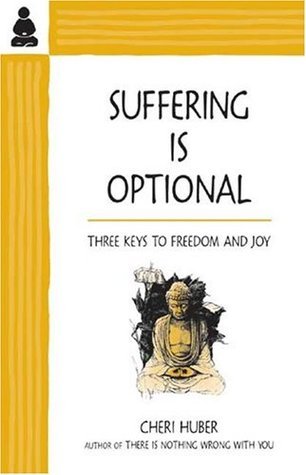
Suffering Is Three Keys to Freedom and Joy centers around three basic aspects of Zen pay attention, believe nothing, and don’t take anything personally. As ending suffering requires that one sees how suffering happens, the book urges readers to be willing to be quiet and pay attention to the process of suffering in effort to see each moment as an opportunity to step beyond illusion into freedom. It also argues that examining beliefs, abandoning them, and returning attention to the present is essential to ending suffering, as is living in the awareness that nothing in the universe is personal.

This guide to self-discovery through intimate relationships offers a spiritual perspective on healing childhood wounds and destructive patterns that are learned early on and later cause relationship dysfunction in adulthood.

"A wonderful introduction the Japanese tradition of jisei , this volume is crammed with exquisite, spontaneous verse and pithy, often hilarious, descriptions of the eccentric and committed monastics who wrote the poems." — The Buddhist ReviewAlthough the consciousness of death is, in most cultures, very much a part of life, this is perhaps nowhere more true than in Japan, where the approach of death has given rise to a centuries-old tradition of writing jisei , or the "death poem." Such a poem is often written in the very last moments of the poet's life.Hundreds of Japanese death poems, many with a commentary describing the circumstances of the poet's death, have been translated into English here, the vast majority of them for the first time. Compiler Yoel Hoffmann explores the attitudes and customs surrounding death in historical and present-day Japan and gives examples of how these have been reflected in the nation's literature in general. The development of writing jisei is then examined—from the longing poems of the early nobility and the more "masculine" verses of the samurai to the satirical death poems of later centuries.Zen Buddhist ideas about death are also described as a preface to the collection of Chinese death poems by Zen monks that are also included. Finally, the last section contains three hundred twenty haiku, some of which have never been assembled before, in translated English and romanized Japanese.

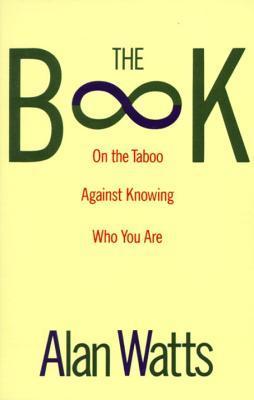
At the root of human conflict is our fundamental misunderstanding of who we are. The illusion that we are isolated beings, unconnected to the rest of the universe, has led us to view the “outside” world with hostility, and has fueled our misuse of technology and our violent and hostile subjugation of the natural world. To help us understand that the self is in fact the root and ground of the universe, Watts has crafted a revelatory primer on what it means to be human—and a mind-opening manual of initiation into the central mystery of existence.In The Book, Alan Watts provides us with a much-needed answer to the problem of personal identity, distilling and adapting the Hindu philosophy of Vedanta. A revelatory primer on what it means to be human, from "the perfect guide for a course correction in life" (Deepak Chopra)—and a mind-opening manual of initiation into the central mystery of existence.

Who am I? Why am I here? What is the nature of the world around me?Alan Watts (1915 – 1973)—noted professor, graduate-school dean, Harvard University research fellow, and Episcopal priest—examines these fundamental questions from a Taoist perspective, learning to appreciate not just the bowl but the empty space within it. With down-to-earth writing he reveals our direct connection to the natural world and reminds us that we are not so much born into this world as grown out of it. This collection of eight of Watts' unique philosophical essays and an early piece written in 1953 has a brief introduction by Alan's son, Mark Watts, which gives the background of these pieces and their place in Alan Watts' life and work.

As an obscure Buddhist monk in 1966, working to relieve the suffering caused by the Vietnam War, Thich Nhat Hanh was nominated for the Nobel Prize by Martin Luther King, Jr. Today, Thich Nhat Hanh is widely known and admired for his many books, including the national religious bestseller Living Buddha, Living Christ, as well as his special way of teaching the dharma (essential Buddhist truths) to Western students. The Present Moment is a rare opportunity to learn ancient Buddhist practices directly from this living master of the tradition. Teaching in a way that addresses the spiritual challenges unique to our day, while honoring all faiths, Thich Nhat Hanh shares a treasury of detailed meditations to help listeners walk, breathe, communicate - even cope with traffic - more deeply and consciously. The Present Moment is a classic retreat that shares Buddhism's core practices for touching "the energy of mindfulness" we carry within, and opening to the joy that is always waiting to enter our lives.

An indispensable work for understanding the life and teachings of one of the most unusual mystics and philosophers of our time.Ten years have past since, in the words of his attending physician, Osho prepared for his departure from the body that had served him for fifty-nine years "as calmly as though he were packing for a weekend in the country." This volume is recognition that the time has come to provide a historical and biographical context for understanding Osho and his work. Who was this man, known as the Sex Guru, the "self-appointed bhagwan" (Rajneesh), the Rolls-Royce Guru, the Rich Man's Guru, and simply the Master?Drawn from nearly five thousand hours of Osho's recorded talks, this is the story of his youth and education, his life as a professor of philosophy and years of travel teaching the importance of meditation, and the true legacy he sought to leave behind: a religionless religion centered on individual awareness and responsibility and the teaching of "Zorba the Buddha," a celebration of the whole human being.

“Nature deficit disorder” has become an increasingly challenging problem in our hyper modern world. In Awake in the Wild, Mark Coleman shows seekers how to remedy this widespread malady by reconnecting with nature through Buddhism. Each short (two to three pages) chapter includes a concrete nature meditation relating to such topics as Attuning to the Natural World, Reflecting the Rhythms of Nature, Walking with Compassion, Releasing the Inner Noise, Freeing the Animal Within, Coming into the Peace of Wild Things, Weathering the Storms of Life, and more. Incorporating anecdotes from the author’s many nature retreats, Buddhist wisdom and teachings, important nature writings by others, and nature itself, the book invites readers to participate in, not just observe, nature; develop a loving connection with the earth as a form of environmental activism; decrease urban alienation through experiencing nature; embody nature’s peaceful presence; and connect with ancient spiritual wisdom through nature meditations.

A Buddhist holy man whose songs have been sung and studied since the twelfth century, Milarepa exchanged a life of sin and maliciousness for one of contemplation and love, eventually reaching—according to his disciples—the ultimate state of enlightenment. His thousands of extemporaneously composed songs communicate complex ideas in a simple, lucid style. This volume features the best and most highly esteemed of the religious leader's songs of love and compassion that include lessons on the negative aspects of ambition and the importance of finding inner peace. In addition, he stresses the briefness of life: ". . . so apply yourself to meditation. Avoid doing evil, and acquire merit, to the best of your ability, even at the cost of life itself. In short: Act so that you have no cause to be ashamed of yourselves and hold fast to this rule."

Counted among his admirers are Jonas Salk, Aldous Huxley, David Hockney, and Van Morrison, along with countless other philosophers, artist, writers and students of the spiritual path. Now the trustees of Krishnamurti’s work have gathered his very best and most illuminating writings and talks to present in one volume the truly essential ideas of this great spiritual thinker.Total Freedom includes selections from Krishnamurti’s early works, his ‘Commentaries on Living’, and his discourses on life, the self, meditation, sex and love. These writings reveal Krishnamuri’s core teachings in their full eloquence and power: the nature of personal freedom; the mysteries of life and death; and the ‘pathless land’, the personal search for truth and peace. Warning readers away from blind obedience to creeds or teachers – including himself – Krishnamurti celebrated the individual quest for truth, and thus became on of the most influential guides for independent-minded seekers of the twentieth century – and beyond.

365 daily meditations on freedom, personal transformation, living fully, and much more, from the man the Dalai Lama described as "one of the greatest thinkers of the age."

“Somebody comes into the Zen center with a lighted cigarette, walks up to the Buddha statue, blows smoke in its face, and drops ashes on its lap. You are standing there. What can you do?” This is a problem that Zen Master Seung Sahn is fond of posing to his American students who attend his Zen centers. Dropping Ashes on the Buddha is a delightful, irreverent, and often hilariously funny living record of the dialogue between Korean Zen Master Seung Sahn and his American students. Consisting of dialogues, stories, formal Zen interviews, Dharma speeches, and letters using the Zen Master’s actual words in spontaneous, living interaction with his students, this book is a fresh presentation of the Zen teaching method of “instant dialogue” between Master and student which, through the use of astonishment and paradox, leads to an understanding of ultimate reality.

In this landmark book of interfaith dialogue, the Dalai Lama provides an extraordinary Buddhist perspective on the teachings of Jesus, commenting on well-known passages from the four Christian Gospels including the Sermon on the Mount, the parable of the mustard seed, the Resurrection, and others. Drawing parallels between Jesus and the Buddha--and the rich traditions from which they hail--His Holiness delivers a profound affirmation of the sacred in all religions. Readers will be inspired by the Dalai Lama's discussion of the endless merits of each tradition and uplifted by the common humanity between them.

Rather than explaining typical strategies for overcoming fear, this book focuses on examining how fear is experience, how to recognize that experience as nothing more than conditioned reaction to circumstance, and how to mentor oneself into letting go of beliefs about "appropriate" responses to fear. The notion is debunked that fear is anything other than a label we have learned to put on a set of physical and emotional responses, which is a Buddhist view of emotion in general.

Japon haiku şairlerinin en büyüğü olarak kabul edilen Matsuo Başô’nun (1644-1694) beş yolculuğunda tuttuğu notlar ve onlarla birlikte yazılan haikulardan oluşuyor Kuzeye Giden İnce Yol. Büyük usta Başô’nun yazdıklarının yanında Nobuyuki Yuasa’nın Başô ve dönemini anlatan derinlikli “sunuş”u kitabı eksiksiz hale getiriyor. Coşkun Yerli’nin ustalıklı çevirisiyle. “Bir Nisan’da tapınakların en kutsalını ziyaret etmek için Nikko Dağı’na çıktım.Bu dağa eskiden Niko denirmiş. Başrahip Kukai tapınağı bu dağda yaptırdığında, dağın adını Nikko, yani ‘güneşin parlak ışıkları’ olarak değiştirmiş. Kukai bin yıl sonrasını görme gücüne sahipti herhalde, bu dağ şimdi tüm tapınakların en kutsalına konak olmuş, iyiliksever kudretiyle ülkeye egemen, halkı kucaklıyor, güneşin parlak ışıkları gibi. Bu tapınak üzerine daha fazla söz etmek onun kutsallığına gölge düşürmek olur. İçimi bir korku sarıyor, güneşte parlayan körpe yapraklara bakarken.”

"[Thich Nhat Hanh] shows us the connection between personal, inner peace and peace on earth." --His Holiness The Dalai LamaNominated by Martin Luther King, Jr. for a Nobel Peace Prize, Thich Nhat Hanh is one of today’s leading sources of wisdom, peace, compassion and comfort.With hard-won wisdom and refreshing insight, Thich Nhat Hanh confronts a subject that has been contemplated by Buddhist monks and nuns for twenty-five-hundred years— and a question that has been pondered by almost anyone who has ever What is death?In No Death, No Fear , the acclaimed teacher and poet examines our concepts of death, fear, and the very nature of existence. Through Zen parables, guided meditations, and personal stories, he explodes traditional myths of how we live and die. Thich Nhat Hanh shows us a way to live a life unfettered by fear.

Renowned for the beauty and simplicity of his teachings, Ajahn Chah was Thailand's best-known meditation teacher. His charisma and wisdom influenced many American and European seekers, and helped shape the American Vipassana community. This collection brings together for the first time Ajahn Chah's most powerful teachings, including those on meditation, liberation from suffering, calming the mind, enlightenment and the 'living dhamma'. Most of these talks have previously only been available in limited, private editions and the publication of Food for the Heart therefore represents a momentous occasion: the hugely increased accessibility of his words and wisdom. Western teachers such as Ram Dass and Jack Kornfield have extolled Chah's teachings for years and now readers can experience them directly in this book.

The works of the Buddha can feel vast, and it is sometimes difficult for even longtime students to know where to look, especially since the Buddha never explicitly defined the framework behind his teachings. Designed to provide just such a framework, In the Buddha's Words is an anthology of the Buddha's works that has been specifically compiled by a celebrated scholar and translator. For easy reference, the book is arrayed in ten thematic sections ranging from "The Human Condition" to "Mastering the Mind" to "The Planes of Realization." Each section comes with introductions, notes, and essays to help beginners and experts alike draw greater meaning from the Buddha's words. The book also features a general introduction by the author that fully lays out how and why he has arranged the Buddha's teachings in this volume. This thoughtful compilation is a valuable resource for both teachers and those who want to read the Buddha on their own.

Matthieu Ricard trained as a molecular biologist, working in the lab of a Nobel prize—winning scientist, but when he read some Buddhist philosophy, he became drawn to Buddhism. Eventually he left his life in science to study with Tibetan teachers, and he is now a Buddhist monk and translator for the Dalai Lama, living in the Shechen monastery near Kathmandu in Nepal. Trinh Thuan was born into a Buddhist family in Vietnam but became intrigued by the explosion of discoveries in astronomy during the 1960s. He made his way to the prestigious California Institute of Technology to study with some of the biggest names in the field and is now an acclaimed astrophysicist and specialist on how the galaxies formed.When Matthieu Ricard and Trinh Thuan met at an academic conference in the summer of 1997, they began discussing the many remarkable connections between the teachings of Buddhism and the findings of recent science. That conversation grew into an astonishing correspondence exploring a series of fascinating questions. Did the universe have a beginning? Or is our universe one in a series of infinite universes with no end and no beginning? Is the concept of a beginning of time fundamentally flawed? Might our perception of time in fact be an illusion, a phenomenon created in our brains that has no ultimate reality? Is the stunning fine-tuning of the universe, which has produced just the right conditions for life to evolve, a sign that a “principle of creation” is at work in our world? If such a principle of creation undergirds the workings of the universe, what does that tell us about whether or not there is a divine Creator? How does the radical interpretation of reality offered by quantum physics conform to and yet differ from the Buddhist conception of reality? What is consciousness and how did it evolve? Can consciousness exist apart from a brain generating it?The stimulating journey of discovery the authors traveled in their discussions is re-created beautifully in The Quantum and the Lotus , written in the style of a lively dialogue between friends. Both the fundamental teachings of Buddhism and the discoveries of contemporary science are introduced with great clarity, and the reader will be profoundly impressed by the many correspondences between the two streams of thought and revelation. Through the course of their dialogue, the authors reach a remarkable meeting of minds, ultimately offering a vital new understanding of the many ways in which science and Buddhism confirm and complement each other and of the ways in which, as Matthieu Ricard writes, “knowledge of our spirits and knowledge of the world are mutually enlightening and empowering.”“ The Quantum and the Lotus is a mind-expanding, eye-opening exploration of the exciting parallels between cutting-edge thinking in physics and Buddhism–a scintillating conversation any thinking person would delight in overhearing.” —Daniel Goleman, author of Emotional Intelligence“ The Quantum and the Lotus is the rich and inspiring result of a deeply interesting dialogue between Western science and Buddhist philosophy. This remarkable book will contribute greatly to a better understanding of the true nature of our world and the way we live our lives.” —His Holiness the Dalai Lama

"A devoted Buddhist and a spokesman for Tibetan culture, Lama Anagarika Govinda was one of the last foreigners to journey through Tibet before the Chinese invasion of 1950. Govinda's luminous and candid account is a spectacular and gloriously poetic story of exploration and discovery, and a sensitive and lucid interpretation of Tibetan traditions. Comprised of elements from several genres - spiritual journals, adventure narratives, anthropological field reports, and philosophical commentaries, The Way of the White Clouds is one of the twentieth century's classic spiritual autobiographies and an invaluable document about a place and a way of thinking that are virtually defined by their mysteries." Robert Thurman's perceptive new introduction to the volume places Govinda's writings in historical context and expands understanding of Tibet, Buddhism, and the life of a remarkable man.

One of Buddhism’s foundational texts, the Visuddhimagga is a systematic examination and condensation of Buddhist doctrine and meditation technique. The various teachings of the Buddha found throughout the Pali canon are organized in a clear, comprehensive path leading to the final goal of nibbana, the state of complete purification. Originally composed in the fifth century, this new translation provides English speakers insights into this foundational text. In the course of this treatise full and detailed instructions are given on 40 subjects of meditation aimed at concentration, an elaborate account of Buddhist Abhidhamma philosophy, and explicit descriptions of the stages of insight culminating in final liberation. This replaces 9552400236.

In this practical guide to enlightened living, Chögyam Trungpa offers an inspiring vision for our time, based on the figure of the sacred warrior. In ancient times, the warrior learned to master the challenges of life, both on and off the battlefield. He acquired a sense of personal freedom and power—not through violence or aggression, but through gentleness, courage, and self-knowledge. The Japanese samurai, the warrior-kings of Tibet, the knights of medieval Europe, and the warriors of the Native American tribes are a few examples of this universal tradition of wisdom. With this book the warrior's path is opened to contemporary men and women in search of self-mastery and greater fulfillment. Interpreting the warrior's journey in modern terms, Trungpa discusses such skills as synchronizing mind and body, overcoming habitual behaviors, relaxing within discipline, facing the world with openness and fearlessness, and finding the sacred dimension of everyday life. Above all, Trungpa shows that in discovering the basic goodness or human life, the warrior learns to radiate that goodness out into the world for the peace and sanity of others. The Shambhala teachings—named for a legendary Himalayan kingdom where prosperity and happiness reign—thus point to the potential for enlightened conduct that exists within every human being. "The basic wisdom of Shambhala," Trungpa writes, "is that in this world, as it is, we can find a good and meaningful human life that will also serve others. That is our true richness."

With a unique combination of ancient and contemporary wisdom from the Tibetan Buddhist tradition, The Diamond Cutter presents readers with empowering strategies for success in their work and personal lives. Geshe Michael Roach, one of the great teachers today of Tibetan Buddhism, has richly woven The Diamond Cutter in three layers. The first is a translation of selections from the Diamond Sutra itself, an ancient text comprised of conversations between the Buddha and his close disciple Subhuti. Considered a central work by Buddhists throughout the world, the Diamond Sutra has been the focus of much interpretation over the centuries. In the second layer, Geshe Michael quotes from some of the best commentaries of the Tibetan tradition. In the main text, the third layer, he uses both sutra and commentary as a jumping-off point for presenting his own teaching. Geshe Michael gives fresh insight into ancient wisdom by using examples from his own experience as one of the founders of the Andin International Diamond Corporation, which was started with capital of fifty thousand dollars and which today has annual sales in excess of one hundred million dollars. Much of the success of Andin has come from applying the business strategies presented in The Diamond Cutter. Geshe Michael's easy style and spiritual understanding make this work of timeless wisdom an invaluable source for those already familiar with, and those unfamiliar with, Tibetan Buddhism. "From the Hardcover edition."

The hermit-monk Ryokan, long beloved in Japan both for his poetry and for his character, belongs in the tradition of the great Zen eccentrics of China and Japan. His reclusive life and celebration of nature and the natural life also bring to mind his younger American contemporary, Thoreau. Ryokan's poetry is that of the mature Zen master, its deceptive simplicity revealing an art that surpasses artifice. Although Ryokan was born in eighteenth-century Japan, his extraordinary poems, capturing in a few luminous phrases both the beauty and the pathos of human life, reach far beyond time and place to touch the springs of humanity.

A graphic novel version of this classic collection of martial arts parables, written by Issai Chozanshi, an 18-century samurai, brings these tales alive in a captivating and immediately accessible way. The stories, which feature demons, insects, birds, cats, and numerous other creatures, may seem whimsical, but they contain essential teachings that offer insight into the fundamental principles of the martial arts.Infused with Chozanshi’s deep understanding of Taoism, Buddhism, Confucianism, and Shinto, the tales elucidate the nature of conflict, the importance of following one’s own nature, yin and yang, the cultivation and transformation of ch’i (life energy), and the attainment of mushin (no-mind). Ultimately, the reader learns in a visually exciting way that the path of the sword is a path of self-knowledge and leads to an understanding of life itself.

An exemplary travelogue of danger and achievement by the Frenchwoman Madame Alexandra David–Neel of her 1923 expedition to Tibet, the fifth in her series of Asian travels, and her personal recounting of her journey to Lhasa, Tibet's forbidden city. In order to penetrate Tibet and reach Lhasa, she used her fluency of Tibetan dialects and culture, disguised herself as a beggar with yak hair extensions and inked skin and tackled some of the roughest terrain and climate in the World. With the help of her young companion, Yongden, she willingly suffered the primitive travel conditions, frequent outbreaks of disease, the ever–present danger of border control and the military to reach her goal.The determination and sheer physical fortitude it took for this woman, delicately reared in Paris and Brussels, is inspiration for men and women alike.David–Neel is famous for being the first Western woman to have been received by any Dalai Lama and as a passionate scholar and explorer of Asia, hers is one of the most remarkable of all travellers tales.

This treasury of essential Buddhist writings draws from the most popular Indian, Tibetan, Chinese, and Japanese sources. Among the selections are some of the earliest recorded sayings of the Buddha on the practice of freedom, passages from later Indian scriptures on the perfection of wisdom, verses from Tibetan masters on the enlightened mind, and songs in praise of meditation by Zen teachers. The book also includes traditional instruction on how to practice sitting meditation, cultivate calm awareness, and live with compassion. Jack Kornfield, one of the most respected American Buddhist teachers, has compiled these teachings to impart the essence and inspiration of Buddhism to readers of all spiritual traditions.

The Blue Cliff Record is a translation of the Pi Yen Lu , a collection of one hundred famous Zen koans accompanied by commentaries and verses from the teachings of Chinese Zen masters. Compiled in the twelfth century, it is considered one of the great treasures of Zen literature and an essential study manual for students of Zen.

This overview of Joanna Macy's innovative work combines deep ecology, general systems theory, and the Buddha's teachings on interdependent co-arising. A blueprint for social change, World as Lover, World as Self shows how we can reverse the destructive attitudes that threaten our world.

In this fascinating book, Alan Watts explores man's quest for psychological security, examining our efforts to find spiritual and intellectual certainty in the realms of religion and philosophy. The Wisdom of Insecurity underlines the importance of our search for stability in an age where human life seems particularly vulnerable and uncertain. Watts argues our insecurity is the consequence of trying to be secure and that, ironically, salvation and sanity lie in the recognition that we have no way of saving ourselves.

A thorough presentation of Tibetan esoteric principles, Foundations of Tibetan Mysticism is one of the most valuable books ever written on the subject. Lama Angarika Govinda spent over 20 years of his life as a member of the Kargyutpa Order. Studying at the feet of masters in Tibetan hermitages and monasteries, his direct experience has given him a clear insight into much that has remained totally obscure to the world. This work, regarded as a classic of Tibetan mysticism, explains the esoteric principles of Mantra and clarifies the differences between Hindu and Tibetan yoga, and is our direct link to the spiritual achievements of the past and their relationship to a future higher civilization of humanity.

Just as the serene beauty of the lotus blossom grows out of muddy water, Buddha's simple instructions have helped people to find wholeness and peace amid life's crisis and distractions for more than 2,500 years. For this small handbook, a well-known American Buddhist teacher and psychologist has distilled and adapted an ancient teaching for the needs of contemporary life. Its practical reminders and six meditations can infuse smallest everyday action with insight and joy.

In The Gateless Gate, one of modern Zen Buddhism's uniquely influential masters offers classic commentaries on the Mumonkan, one of Zen's greatest collections of teaching stories. This translation was compiled with the Western reader in mind, and includes Koan Yamada's clear and penetrating comments on each case. Yamada played a seminal role in bringing Zen Buddhism to the West from Japan, going on to be the head of the Sanbo Kyodan Zen Community.The Gateless Gate would be invaluable if only for the translation and commentary alone, yet it's loaded with extra material and is a fantastic resource to keep close by:An in-depth Introduction to the History of Zen PracticeLineage chartsJapanese-to-Chinese and Chinese-to-Japanese conversion charts for personal names, place names, and names of writingsPlus front- and back-matter from ancient and modern figures: Mumon, Shuan, Kubota Ji'un, Taizan Maezumi, Hugo Enomiya-Lasalle, and Yamada Roshi's son, Masamichi Yamada.A wonderful inspiration for the koan practitioner, and for those with a general interest in Zen Buddhism.

Krishnamurti shows how people can free themselves radically and immediately from the tyranny of the expected, no matter what their age--opening the door to transforming society and their relationships.

Through explorations of the three pillars of Zen—teaching, practice, and enlightenment—Roshi Philip Kapleau presents a comprehensive overview of the history and discipline of Zen Buddhism. An established classic, this 35th anniversary edition features new illustrations and photographs, as well as a new afterword by Sensei Bodhin Kjolhede, who has succeeded Philip Kapleau as spiritual director of the Rochester Zen Center, one of the oldest and most influential Zen centers in the United States.

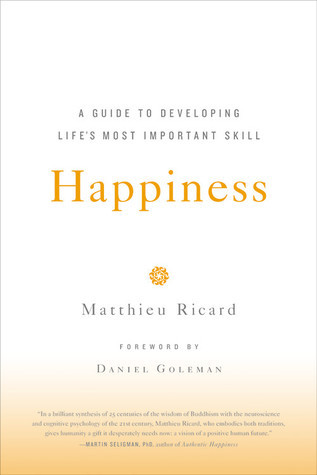
In this groundbreaking book, Matthieu Ricard makes a passionate case for happiness as a goal that deserves as least as much energy as any other in our lives.Wealth? Fitness? Career success? How can we possibly place these above true and lasting well-being? Drawing from works of fiction and poetry, Western philosophy, Buddhist beliefs, scientific research, and personal experience, Ricard weaves an inspirational and forward-looking account of how we can begin to rethink our realities in a fast-moving modern world. With its revelatory lessons and exercises, Happiness is an eloquent and stimulating guide to a happier life.

This book presents the major teachings of Mah y na Buddhism in a precise, dramatic, and even humorous form. For two millennia this S tra, called the jewel of the Mah y na S tras, has enjoyed immense popularity among Mah y na Buddhists in India, central and southeast Asia, Japan, and especially China, where its incidents were the basis for a style in art and literature prevalent during several centuries.Robert Thurman s translation makes available in relatively nontechnical English the Tibetan version of this key Buddhist scripture, previously known to the English-speaking world only through translations from Chinese texts. The Tibetan version is generally conceded to be more faithful to the original Sanskrit than are the Chinese texts. The Tibetan version also is clearer, richer, and more precise in its philosophical and psychological expression. The twelve books of the S tra are accompanied by an introduction and an epilogue by Dr. Thurman and by three glossaries: Sanskrit terms, numerical categories, and technical terms."

You hold in your hand an invitation :To remember the transforming power of forgiveness and lovingkindness. To remember that no matter where you are and what you face, within your heart peace is possible.In this beautiful and graceful little book, internationally renowned Buddhist teacher and meditation master Jack Kornfield has collected age-old teachings, modern stories, and time-honored practices for bringing healing, peace, and compassion into our daily lives. Just to read these pages offers calm and comfort. The practices contained here offer meditations for you to discover a new way to meet life’s greatest challenges with acceptance, joy, and hope.

In the rush of modern life, we tend to lose touch with the peace that is available in each moment.World-renowned Zen master, spiritual leader, and author Thich Nhat Hanh shows us how to make positive use of the very situations that usually pressure and antagonize us. For him a ringing telephone can be a signal to call us back to our true selves. Dirty dishes, red lights, and traffic jams are spiritual friends on the path to “mindfulness”—the process of keeping our consciousness alive to our present experience and reality. The most profound satisfactions, the deepest feelings of joy and completeness lie as close at hand as our next aware breath and the smile we can form right now.Lucidly and beautifully written, Peace Is Every Step contains commentaries and meditations, personal anecdotes and stories from Nhat Hanh’s experiences as a peace activist, teacher, and community leader. It begins where the reader already is—in the kitchen, office, driving a car, walking a part—and shows how deep meditative presence is available now. Nhat Hanh provides exercises to increase our awareness of our own body and mind through conscious breathing, which can bring immediate joy and peace. Nhat Hanh also shows how to be aware of relationships with others and of the world around us, its beauty and also its pollution and injustices. The deceptively simple practices of Peace Is Every Step encourage the reader to work for peace in the world as he or she continues to work on sustaining inner peace by turning the “mindless” into the mindFUL.

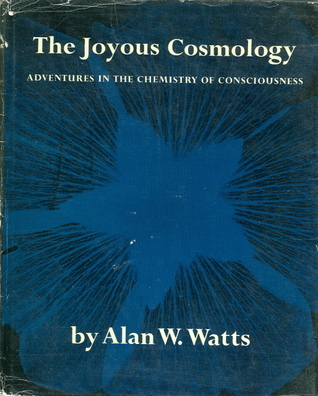
The Joyous Cosmology is Alan Watts’s exploration of the insight that the consciousness-changing drugs LSD, mescaline & psilocybin can facilitate “when accompanied with sustained philosophical reflection by a person who is in search, not of kicks, but of understanding.” More than an artifact, it is both a riveting memoir of Watts’s personal experiments & a profound meditation on our perennial questions about the nature of existence & the existence of the sacred.

Here is the inimitable Zen Master Seung Sahn up close and personal—in selections from the correspondence that was one of his primary modes of teaching. Seung Sahn received hundreds of letters per month, each of which he answered personally, and some of the best of which are included here. His frank and funny style, familiar to readers of Dropping Ashes on the Buddha, is seen here in a most intimate form. The beloved Zen master not only answers questions on Zen teaching and practice, but applies an enlightened approach to problems with work, relationships, suffering, and the teacher-student relationship.

Originally published by the author in 1972, the underground classic Lazy Man's Guide to Enlightenment teaches how to improve the quality of life, to feel good, and to determine what's real. Golas leads the reader down the path toward enlightenment with simple steps, like memorizing key phrases and incorporating them into daily life and thought. Think of how much better your life might be if you reminded yourself to "love as much as you can from wherever you are" or "love it the way it is." This classic book is full of useful tips on how to live a more conscious life and to be an engaged and aware member of the universal community. "While we have humility and pride enough to act on the knowledge that we exist in an infinite harmony, that we are neither greater nor lesser than any others, we can enjoy exquisite spiritual wealth and pleasures. When you love yourself, you are in truth expanding in love into many other things. And the more loving you are, the more loving the beings within and around you. On all levels we are mutually dependent vibrations. Play a happy tune and happy dancers will join your trip." - From The Lazy Man's Guide to Enlightenment After serving in World War II, author Thaddeus Golas graduated from Columbia College in New York. He later moved to San Francisco, where he became involved in the activism and spiritual quests of the 1960s. He was an editor of Redbook magazine and a book representative for publisher Harper and Row.

"Power is good for one thing to increase our happiness and the happiness of others. Being peaceful and happy is the most important thing in our lives and yet most of the time we suffer, we run after our cravings, we look to the past or the future for our happiness." Turning our conventional understanding of power on its head, world-renowned Zen master, spiritual leader, and national bestselling author Thich Nhat Hanh reveals how true power comes from within. What we seek, we already have. Whether we want it or not, power remains one of the central issues in all of our lives. Every day, each of us exercises power in many ways, and our every act subtly affects the world we live in. This struggle for control and authority permeates every aspect of our private and public lives, preventing us from attaining true happiness. The me-first mentality in our culture seeps unnoticed into our decisions and choices. Our bottom-line approach to getting ahead may be most visible in the business world, but the stress, fear, and anxiety it causes are being felt by people in all walks of life. With colorful anecdotes, precise language, and concrete practices, Thich Nhat Hanh illustrates how the current understanding of power leads us on a never-ending search for external markers like job title or salary. The Art of Power boldly challenges our assumptions and teaches each of us how to access the true power that is within our grasp.

Cent éléphants sur un brin d’herbe Sur le ton chaleureux et confidentiel qui lui est naturel même en présence de nombreux interlocuteurs, le Dalaï-Lama livre le fruit de ses réflexions sur l’homme, sur l’environnement, sur la société, les institutions, la politique, les religions. Que propose-t-il ? « Sagesse, compassion, amour des êtres », répond celui dont le nom signifie « Océan de sagesse ». À travers ces conférences dans des universités et des instituts divers, cette figure lumineuse livre son secret, qui n’est autre que la sagesse immémoriale du bouddhisme. Mais plus qu’une doctrine dont il connaît toutes les subtilités, ce « simple moine » venu du Tibet veut apprendre aux hommes la pratique de la sagesse et promouvoir la paix par la compassion concrètement vécue. Il a reçu, en 1989, le prix Nobel de la paix. Traduit de l’anglais et présenté par Lise Médini

Koans--such as "What is the sound of one hand clapping?"--have penetrated deeply into popular consciousness. Yet, those who encounter koans in the traditional literature or in the context of exploring Zen practice themselves can often find them utterly baffling.The Flowing Bridge is the first-ever book to address all of the first koans that Zen students encounter in practice--"What is Mu?" "What is the sound of the single hand?" and the so-called "miscellaneous" koans--that have historically been closely guarded by master and disciple as esoteric treasures.Elaine MacIness, a Catholic nun and a Zen teacher in the lineage of the renowned master Koun Yamada (author of Wisdom's The Gateless Gate ), offers exceptionally valuable guidance to beginners on how to work with koans-and reveals an uncommon depth of insight and an easy technical mastery of Zen's most misunderstood and most powerful tools. This book is sure to become a classic, standing alongside The Gateless Gate and The Blue Cliff Record as a must-read for anyone seeking Zen's subtlest teachings and deepest power.

The Diamond Sutra, composed in India in the 4th century CE, is one of the most treasured works of Buddhist literature & is the oldest existing printed book in the world. It's known as the Diamond Sutra because its teachings are said to be like diamonds that cut away all dualistic thought, releasing one from the attachment to objects & bringing one to the further shore of enlightenment. The format of this important sutra is presented as a conversation between the Buddha & one of his disciples. The Sutra of Hui-neng, also known as the Platform Sutra, contains the autobiography of a pivotal figure in Zen history & some of the most profound passages of Zen literature. Hui-neng was the 6th patriarch of Zen in China, but is often regarded as the true father of the Zen tradition. He was a poor, illiterate woodcutter who is said to have attained enlightenment upon hearing a recitation of the Diamond Sutra. Together, these two scriptures present the central teaching of the Zen Buddhist tradition & are essential reading for all students of Buddhism.

The Way of Zen begins as a succinct guide through the histories of Buddhism and Taoism leading up to the development of Zen Buddhism, which drew deeply from both traditions. It then goes on to paint a broad but insightful picture of Zen as it was and is practiced, both as a religion and as an element of diverse East Asian arts and disciplines. Watts's narrative clears away the mystery while enhancing the mystique of Zen. Since the first publication of this book in 1957, Zen Buddhism has become firmly established in the West. As Zen has taken root in Western soil, it has incorporated much of the attitude and approach set forth by Watts in The Way of Zen, which remains one of the most important introductory books in Western Zen.

For decades, Western psychology has promised fulfillment through building and strengthening the ego. We are taught that the ideal is a strong, individuated self, constructed and reinforced over a lifetime. But Buddhist psychiatrist Mark Epstein has found a different way. Going to Pieces Without Falling Apart shows us that happiness doesn't come from any kind of acquisitiveness, be it material or psychological. Happiness comes from letting go. Weaving together the accumulated wisdom of his two worlds--Buddhism and Western psychotherapy--Epstein shows how "the happiness that we seek depends on our ability to balance the ego's need to do with our inherent capacity to be." He encourages us to relax the ever-vigilant mind in order to experience the freedom that comes only from relinquishing control. Drawing on events in his own life and stories from his patients, Going to Pieces Without Falling Apart teaches us that only by letting go can we start on the path to a more peaceful and spiritually satisfying life.About The Author: Mark Epstein, M.D., is a psychiatrist in private practice and the author of Thoughts Without a Thinker . He is a contributing editor to Tricycle: The Buddhist Review and clinical assistant professor of psychology at New York University. He lives in New York City.

“Enlightenment does exist,” internationally renowned author and meditation master Jack Kornfield assures us. “Unbounded freedom and joy, oneness with the divine ... these experiences are more common than you know, and not far away.” But even after achieving such realization — after the ecstasy — we are faced with the day-to-day task of translating that freedom into our imperfect lives. We are faced with the laundry.Drawing on the experiences and insights of leaders and practitioners within the Buddhist, Christian, Jewish, Hindu, and Sufi traditions, this book offers a uniquely intimate and honest understanding of how the modern spiritual journey unfolds — and how we can prepare our hearts for awakening.Through moving personal stories and traditional tales, we learn how the enlightened heart navigates the real world of family relationships, emotional pain, earning a living, sickness, loss, and death.

In this modern spiritual classic, the Tibetan meditation master Chögyam Trungpa highlights the commonest pitfall to which every aspirant on the spiritual path falls prey: what he calls spiritual materialism. The universal tendency, he shows, is to see spirituality as a process of self-improvement—the impulse to develop and refine the ego when the ego is, by nature, essentially empty. "The problem is that ego can convert anything to its own use," he said, "even spirituality." His incisive, compassionate teachings serve to wake us up from this trick we all play on ourselves, and to offer us a far brighter reality: the true and joyous liberation that inevitably involves letting go of the self rather than working to improve it. It is a message that has resonated with students for nearly thirty years, and remains fresh as ever today. This new edition includes a foreword by Chögyam Trungpa's son and lineage holder, Sakyong Mipham.

Nearly every time you see him, he's laughing, or at least smiling. And he makes everyone else around him feel like smiling. He's the Dalai Lama, the spiritual and temporal leader of Tibet, a Nobel Prize winner, and an increasingly popular speaker and statesman. What's more, he'll tell you that happiness is the purpose of life, and that "the very motion of our life is towards happiness." How to get there has always been the question. He's tried to answer it before, but he's never had the help of a psychiatrist to get the message across in a context we can easily understand. Through conversations, stories, and meditations, the Dalai Lama shows us how to defeat day-to-day anxiety, insecurity, anger, and discouragement. Together with Dr. Cutler, he explores many facets of everyday life, including relationships, loss, and the pursuit of wealth, to illustrate how to ride through life's obstacles on a deep and abiding source of inner peace.

You have within you unlimited capacities for love, for joy, for communion with life, and for unshakable freedom—and here is how to awaken them. In The Wise Heart , one of the leading spiritual teachers of our time offers the most accessible and illuminating guide to Buddhism’s transformational psychology ever published in the West.Trained as a monk in Thailand, Burma, and India, Jack Kornfield experienced at first hand the life-changing power of Buddhist the emphasis on the nobility and sacredness of the human spirit, the fine-grained analysis of emotion and thought, the precise techniques for healing, training, and transforming the mind and heart. In contrast to the medical orientation of most Western psychology and psychiatry, here is a vision of radiant human dignity, and a practical path for realizing it in our own lives.The Wise Heart is the fruit of a life’s work that includes such classics as A Path with Heart and After the Ecstasy, the Laundry . Filled with stories from Kornfield’s Buddhist psychotherapy practice and portraits of remarkable teachers, it also includes a moving account of his own recovery from a violence-filled childhood. For meditators and mental health professionals, Buddhists and non-Buddhists alike, The Wise Heart offers an extraordinary journey from the roots of consciousness to the highest expression of human possibility.

Flight of the Garuda conveys the heart advice of one of the most beloved masters of Tibet. The itinerant yogi Shabkar communicates the essence of the Dzogchen teachings through song both poetic and poignant.Along with Shabka's songs, Keith Dowman has translated four other seminal Dzogchen texts, including one by Patrul Rinpoche that is new to this edition.. Dzogchen practice brings us into direct communion with the most subtle nature of experience, the unity of samsara in nirvana as experienced within our own consciousness, bringing the mediator face to face with the nature of reality. Buddhist of all strips, including practitioners of Zen and Vipassana, will find ample sustenance in these lyrical explications of the Dzogchen view.

The very idea that Buddhist teachings can be mastered will arouse controversy within Buddhist circles. Even so, Daniel Ingram insists that enlightenment is an attainable goal, once our fanciful notions of it are stripped away, and we have learned to use meditation as a method for examining reality rather than an opportunity to wallow in self-absorbed mind-noise.This book sets out concisely the difference between concentration-based and insight meditation. This is a revised and much expanded edition. (Replaces ISBN 9781904658405)

The Dalai Lama lays out the Buddhist approach to matters of faith and devotion that is based on the highest spirit of critical inquiry.The Dalai Lama opens The Middle Way with an elegant argument for the power of compassion in cultivating a happy life. From there, he connects core ideas of Buddhist philosophy to the truths of our shared condition. His Holiness delivers a sparklingly clear teaching on how the Buddhist ideas of emptiness and interdependency relate to personal experience and bring a deeper understanding of the world around us. In down-to-earth style, this book sets forth a comprehensive explanation of the foundational teachings of the Mahayana tradition based on the works of two of Buddhism’s most revered figures. Using Nagarjuna’s Middle Way, the Dalai Lama explores Buddhist understandings of selflessness, dependent origination, and the causal processes that lock us in cycles of suffering. He grounds these heady philosophical discussions using Tsongkhapa’s Three Principal Aspects of the Path, presenting a brief explanation of how to put ethical discipline, wisdom, and compassion into practice. Through these beautifully complementary teachings, His Holiness urges us to strive, “with an objective mind, endowed with a curious skepticism, to engage in careful analysis and seek the reasons behind our beliefs.”

In the same way that we fall into the arms of a loved one or drop our heads on the pillow before sleep, we can let go into the beauty and truth of who and what we really are. Falling Into Grace presents Adyashanti's response to anyone looking for a way out of suffering and into the freedom of spiritual awakening. With his first introductory book, he offers what he considers the fundamental teachings on "seeing life with clear eyes" to transcend the illusions that lead to unhappiness. Readers join this sought-after teacher to • The concept of a separate self as the root of all suffering-and how to stop believing the thoughts that perpetuate our self-image • How to take "the backward step" into the pure potential of the present moment • Giving up the control we only think we have • The essential invitation of wake up from the dream to embrace what is "When we realize that there is grace in every moment, our minds will open, our hearts will expand, and we'll be able to express the peace And The love that all beings aspire to," teaches Adyashanti. Here is an opportunity to welcome a revolution in the way that we perceive life through Falling into Grace.

If you want to find inner peace and wisdom, you don't need to move to an ashram or monastery. Your life, just as it is, is the perfect place to be. Jack Kornfield, one of America's most respected Buddhist teachers, shares this and other key lessons gleaned from more than forty years of committed study and practice. Topics include: • How to cultivate loving-kindness, compassion, joy, and equanimity • Conscious parenting • Spirituality and sexuality • The way of forgiveness • Committing ourselves to healing the suffering in the world Bringing Home the Dharma includes simple meditation practices for awakening our buddha nature—our wise and understanding heart—amid the ups and downs of our ordinary daily lives.

The first complete translation of a classic Buddhist text on the journey through living and dying. Graced with opening words by His Holiness The Dalai Lama, the Penguin Deluxe Edition of The Tibetan Book of the Dead is "immaculately rendered in an English both graceful and precise." Translated with the close support of leading contemporary masters and hailed as “a tremendous accomplishment,” this book faithfully presents the insights and intentions of the original work. It includes one of the most detailed and compelling descriptions of the after-death state in world literature, practices that can transform our experience of daily life, guidance on helping those who are dying, and an inspirational perspective on coping with bereavement.

An “accessible look at the ways we can access the hidden adventures within our dreams and stretch our imaginations into the realm of enlightenment” through lucid dreaming and dream yoga ( San Francisco Book Review )Some of the greatest of life’s adventures can happen while you’re sound asleep. That’s the promise of lucid dreaming, which is the ability to alter your own dream reality any way you like simply by being aware of the fact that you’re dreaming while you’re in the midst of a dream. There is a range of techniques anyone can learn to become a lucid dreamer—and this book provides all the instruction you need to get started.But B. Alan Wallace also shows how to take the experience of lucid dreaming beyond entertainment to use it to heighten creativity, to solve problems, and to increase self-knowledge. He then goes a step further: moving on to the methods of Tibetan Buddhist dream yoga for using your lucid dreams to attain the profoundest kind of insight.

“A wonderful translation, full of contemporary insight yet luminous with eternal truth.”—Jacob NeedlemanThe Yoga Sutras were cast in their present form in India around the third century b.c. Yoga is from the Sanskrit root meaning “union,” and a sutra is a thread or aphoristic verse. The basic questions “Who am I?” “Where am I going?” “What is the purpose of life?” are asked by each new generation, and Patanjali’s answers form one of the oldest and most vibrant spiritual texts in the world. He explains what yoga is, how it works, and exactly how to purify the mind and let it settle into absolute stillness. This stillness is our own Self. It is the indispensable ground for Enlightenment, which is the ultimate goal of all our aspirations.Alistair Shearer’s lucid introduction and superb translation, fully preserving Patanjali’s jewel-like style, bring these ancient but vital teachings to those who seek the path of self-knowledge today.Bell Tower’s series, Sacred Teachings, offers essential spiritual classics from all traditions. May each book become a trusted companion on the way of truth, encouraging readers to study the wisdom of the ages and put it into practice each day.

Every cow just wants to be happy. Every chicken just wants to be free. Every bear, dog, or mouse experiences sorrow and feels pain as intensely as any of us humans do. In a compelling appeal to reason and human kindness, Matthieu Ricard here takes the arguments from his best-sellers Altruism and Happiness to their logical conclusion: that compassion toward all beings, including our fellow animals, is a moral obligation and the direction toward which any enlightened society must aspire. He chronicles the appalling sufferings of the animals we eat, wear, and use for adornment or "entertainment," and submits every traditional justification for their exploitation to scientific evidence and moral scrutiny. What arises is an unambiguous and powerful ethical imperative for treating all of the animals with whom we share this planet with respect and compassion.

A concise, jargon-free guide to learning what Buddhist meditation is—and isn't—with advice on how to start a meditation practiceIf you want to meditate but have no idea where to begin, then best-selling author and Buddhist teacher Susan Piver is here to help. Her book Start Here Now contains everything you need to know in order to begin—and maintain—your own meditation practice. Piver covers a variety of essential topics such · What meditation is (and what it is not)· The three most common misconceptions about meditation· How to overcome obstacles that get in the way of your practice· The positive effects of meditation on relationships, creativity, and difficult emotions· Frequently asked questionsPiver presents meditation as something more than the self-help technique du jour—it is a path to love, joy, and courage. This book contains two self-paced meditation programs to help you start here—now!

Whether a beginner or at the highest level of practice, learn Zen from one of the greatest masters of the twentieth century.Why practice Zen? What sets Zen apart from religion? What are its different practices? These questions, and more, are examined and answered by Zen Master Koun Yamada, whose Dharma heirs include Robert Aitken, Ruben Habito, and David Loy. Through compelling stories and a systematic approach, he guides the reader through creating and sustaining a lifelong practice. Warm and ecumenical in tone, Koun uses the insights of Zen to bring a deeper understanding of faith. The Authentic Gate is an easy-to-follow guide to creating an effortless and natural practice regardless of background, tradition, or religion.

Lucid dreaming―waking up and becoming fully conscious in your dreams―has intrigued legions of those seeking to explore their vast inner worlds. Yet for many, "getting lucid" for the first time can be elusive. And for those who have, there are few resources that show us how to use this extraordinary state for the greater goal of awakening to all of reality, day or night.With Dream Yoga , Andrew Holecek brings us a practical guide for meditators, seasoned dream travelers wanting to go deeper, and total beginners eager to experience lucidity for the first time.Here, you’ll join this expert teacher of dream work and meditation to How to awaken in your dreams naturally by using modern scientific principles with the insights and practices of Tibetan dream and sleep yoga• Proven guidance to overcome common obstacles, enhance dream recall, focus and amplify awareness while dreaming, work with nightmares safely, resolve emotional blockages, and glean wisdom from your dreams• A wealth of practices and tips that have helped thousands enjoy successful dream-time exploration• Essential Buddhist teachings and tools for navigating the many realms of sleep (dreaming is just one of them)• Direct insights into the continuation of consciousness beyond the physical body and death• How to bring your skills together to engage with the hundreds of thousands of dream opportunities that most of us forget or dismissHave you ever wondered what happens when you sleep and dream? Desired to wake up in your dreams and have the time of your life? Or wanted to use your sleep hours to fully explore these dimensions, heal, and evolve? Dream Yoga answers these questions―not academically but directly―by showing you how to access this profound universe for yourself.

"Followers and newcomers to Nhat Hanh’s teaching alike will find this collection inspiring for everyday practice and for social engagement in the world."— Publishers WeeklyThis collection of autobiographical and teaching stories from peace activist and Zen Master Thich Nhat Hanh is thought provoking, inspiring, and enjoyable to read. Collected here for the first time, these stories span the author’s life. There are stories from Thich Nhat Hanh’s childhood and the traditions of rural Vietnam. There are stories from his years as a teenaged novice, as a young teacher and writer in war torn Vietnam, and of his travels around the world to teach mindfulness, make pilgrimages to sacred sites, and influence world leaders.The tradition of teaching the Dharma through stories goes back at least to the time of the Buddha. Like the Buddha, Thich Nhat Hanh uses story–telling to engage people’s interest so he can share important teachings, insights, and life lessons.

You are a person worthy of love. You don’t have to do anything to deserve all the love in the world.Real Love is a creative tool kit of mindfulness exercises and meditation techniques that help you to truly engage with your present experience and create deeper love relationships with yourself, your partner, friends and family, and with life itself.Sharon Salzberg, a leading expert in Lovingkindness[GR1] meditation, encourages us to strip away layers of negative habits and obstacles, helping us to experience authentic love based on direct experience, rather than preconceptions. Across three sections, Sharon explains how to dispel cultural and emotional habits, and direct focused care and attention to recapture the essence of what it is to love and be loved.With positive reflections and practices, Sharon teaches us how to shift the responsibilities of the love that we give and receive to rekindle the powerful healing force of true connection. By challenging myths perpetuated by popular culture, we can undo the limited definitions that reduce love to simply romance or passion, and give the heart a much needed tune-up to connect ourselves to the truest experience of love in our daily lives.

Two New York Times-bestselling authors unveil new research showing what meditation can really do for the brain.In the last twenty years, meditation and mindfulness have gone from being kind of cool to becoming an omnipresent Band-Aid for fixing everything from your weight to your relationship to your achievement level. Unveiling here the kind of cutting-edge research that has made them giants in their fields, Daniel Goleman and Richard Davidson show us the truth about what meditation can really do for us, as well as exactly how to get the most out of it.Sweeping away common misconceptions and neuromythology to open readers' eyes to the ways data has been distorted to sell mind-training methods, the authors demonstrate that beyond the pleasant states mental exercises can produce, the real payoffs are the lasting personality traits that can result. But short daily doses will not get us to the highest level of lasting positive change--even if we continue for years--without specific additions. More than sheer hours, we need smart practice, including crucial ingredients such as targeted feedback from a master teacher and a more spacious, less attached view of the self, all of which are missing in widespread versions of mind training. The authors also reveal the latest data from Davidson's own lab that point to a new methodology for developing a broader array of mind-training methods with larger implications for how we can derive the greatest benefits from the practice.Exciting, compelling, and grounded in new research, this is one of those rare books that has the power to change us at the deepest level.

In this landmark work, internationally beloved teacher of meditation and “one of the great spiritual teachers of our time” (Alice Walker, author of The Color Purple) Jack Kornfield reveals that you can be instantly happy with the keys to inner freedom.Through his signature warmhearted, poignant, often funny stories, with their a-ha moments and O. Henry-like outcomes, Jack Kornfield shows how we can free ourselves, wherever we are and whatever our circumstances. Renowned for his mindfulness practices and meditations, Jack provides keys for opening gateways to immediate shifts in perspective and clarity of vision, allowing us to “grapple with difficult emotions” (Publishers Weekly, starred review) and know how to change course, take action, or—when we shouldn’t act—just relax and trust. Each chapter presents a path to a different kind of freedom—freedom from fear, freedom to start over, to love, to be yourself, and to be happy—and guides you into an active process that engages your mind and heart, awakens your spirit, and brings real joy, over and over again. Drawing from his own life as a son, brother, father, and partner, and on his forty years of face-to-face teaching of thousands of people across the country, Jack presents “a consommé of goodness, heart, laughter, tears, and breath, nourishing and delicious” (Anne Lamott, author of Bird by Bird). His keys to life will help us find hope, clarity, relief from past disappointments and guilt, and the courage to go forward.

ABC News anchor Dan Harris used to think that meditation was for people who collect crystals, play Ultimate Frisbee, and use the word “namaste” without irony. After he had a panic attack on live television, he went on a strange and circuitous journey that ultimately led him to become one of meditation’s most vocal public proponents.Here’s what he’s fixated on now: Science suggests that meditation can lower blood pressure, mitigate depression and anxiety, and literally rewire key parts of the brain, among numerous other benefits. And yet there are millions of people who want to meditate but aren’t actually practicing. What’s holding them back?In this guide to mindfulness and meditation for beginners and experienced meditators alike, Harris and his friend Jeff Warren, a masterful teacher and “Meditation MacGyver,” embark on a cross-country quest to tackle the myths, misconceptions, and self-deceptions that stop people from meditating. They rent a rock-star tour bus (whose previous occupants were Parliament Funkadelic) and travel across eighteen states, talking to scores of would-be meditators—including parents, military cadets, police officers, and even a few celebrities. They create a taxonomy of the most common issues (“I suck at this,” “I don’t have the time,” etc.) and offer up science-based life hacks to help people overcome them.The book is filled with game-changing and deeply practical meditation instructions. Amid it all unspools the strange and hilarious story of what happens when a congenitally sarcastic, type-A journalist and a groovy Canadian mystic embark on an epic road trip into America’s neurotic underbelly, as well as their own.

Courage is not the absence of fear, says Osho. It is, rather, the total presence of fear, with the courage to face it. This book provides a bird's-eye view of the whole terrain--where fears originate, how to understand them, and how to find the courage to face them. In the process, Osho proposes that whenever we are faced with uncertainty and change in our lives, it is actually a cause for celebration. Instead of trying to hang on to the familiar and the known, we can learn to enjoy these situations as opportunities for adventure and for deepening our understanding of ourselves and the world around us.The book begins with an in-depth exploration of the meaning of courage and how it is expressed in the everyday life of the individual. Unlike books that focus on heroic acts of courage in exceptional circumstances, the focus here is on developing the inner courage that enables us to lead authentic and fulfilling lives on a day-to-day basis. This is the courage to change when change is needed, the courage to stand up for our own truth, even against the opinions of others, and the courage to embrace the unknown in spite of our fears-in our relationships, in our careers, or in the ongoing journey of understanding who we are and why we are here.Courage also features a number of meditation techniques specifically designed by Osho to help people deal with their fears.

Among the most profound questions we confront are the nature of what and who we are as conscious beings, and how the human mind relates to the rest of what we consider reality. For millennia, philosophers, scientists, and religious thinkers have attempted answers, perhaps none more meaningful today than those offered by neuroscience and by Buddhism. The encounter between these two worldviews has spurred ongoing conversations about what science and Buddhism can teach each other about mind and reality.In Mind Beyond Brain, the neuroscientist David E. Presti, with the assistance of other distinguished researchers, explores how evidence for anomalous phenomena--such as near-death experiences, apparent memories of past lives, apparitions, experiences associated with death, and other so-called psi or paranormal phenomena, including telepathy, clairvoyance, and precognition--can influence the Buddhism-science conversation. Presti describes the extensive but frequently unacknowledged history of scientific investigation into these phenomena, demonstrating its relevance to questions about consciousness and reality. The new perspectives opened up, if we are willing to take evidence of such often off-limits topics seriously, offer significant challenges to dominant explanatory paradigms and raise the prospect that we may be poised for truly revolutionary developments in the scientific investigation of mind. Mind Beyond Brain represents the next level in the science and Buddhism dialogue.