
Cheri Huber
Cheri Huber, author of 20 books, has been a student and teacher of Zen for over 35 years. In 1983, Cheri founded the Mountain View Zen Center, and in 1987 she founded the Zen Monastery Peace Center near Murphys, California. She and the monks at the Monastery conduct workshops and retreats at these centers, other places around the U.S., and internationally. In 1997, Cheri founded Living Compassion, a nonprofit organization dedicated to peace and service. Living Compassion’s primary work is the Africa Vulnerable Children Project, based in Zambia, where for over a decade they have been working with the people of Kantolomba, beginning the process of turning a slum of 11,000 people into a self-sustaining community. Cheri also has a weekly Internet based radio show.
30 Books Written

Rather than explaining typical strategies for overcoming fear, this book examines how fear is an experience, how to recognize that experience as nothing more than conditioned reaction to circumstance, and how to mentor oneself into letting go of beliefs about "appropriate" responses to fear. The notion is debunked that fear is anything other than a label we have learned to put on a set of physical and emotional responses, which is a Buddhist view of emotion in general. The revised edition expands on many points and includes a series of exercises and new illustrations for recognizing fear for what it is and overcoming its devastating effects.

Be the Person You Want to Find: Relationship and Self-Discovery
by Cheri Huber
Rating: 4.2 ⭐
• 3 recommendations ❤️
This guide to self-discovery through intimate relationships offers a spiritual perspective on healing childhood wounds and destructive patterns that are learned early on and later cause relationship dysfunction in adulthood.
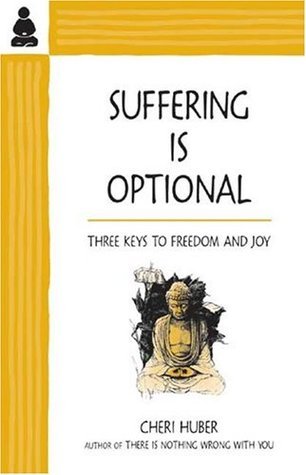
Suffering Is Optional: Three Keys to Freedom and Joy
by Cheri Huber
Rating: 4.0 ⭐
• 2 recommendations ❤️
Suffering Is Three Keys to Freedom and Joy centers around three basic aspects of Zen pay attention, believe nothing, and don’t take anything personally. As ending suffering requires that one sees how suffering happens, the book urges readers to be willing to be quiet and pay attention to the process of suffering in effort to see each moment as an opportunity to step beyond illusion into freedom. It also argues that examining beliefs, abandoning them, and returning attention to the present is essential to ending suffering, as is living in the awareness that nothing in the universe is personal.

This book reveals the origin of self-hate, how self-hate works, how to identify it, and how to go beyond it. It provides examples of some of the forms self-hate takes, including taking blame but not credit, holding grudges, and trying to be perfect, and explores the many facets of self-hate, including its role in addiction, the battering cycle, and the illusion of control. After addressing these factors, it illustrates how a meditation practice can be developed and practiced in efforts to free oneself from self-hating beliefs.

This Zen guide to utilizing depression as an opportunity for spiritual growth and personal acceptance includes personal accounts, written excercises, and meditation instructions.

According to Zen teacher Cheri Huber, we are conditioned to think that if we were only a little better in some way, we would be Life isn't the way it should be and it's my fault! But, Huber says, no amount of self-punishment will ever make us happy or bring us control over life s problems.The help we are looking for is really found in self-acceptance and kindness toward ourselves. By simply allowing ourselves to be guided by our innate intelligence and generosity, which are our authentic nature, we are able to be compassionately present to what s happening now. Compassionate self-discipline the will to take positive steps in life is found through nothing other than being present. When we are present and aware, we are not engaged in distracting, addictive behaviors. If we simply cultivate our ability to pay attention and focus on what is here in this moment, our experience can be authentic, awake, honest, and joyful.The book includes a guided thirty-day program of daily meditation, contemplation, and journaling."

The teachings of Zen are presented to Westerners in this book, which is comprised of many short sections accompanied by illustrations on subjects ranging from compassion and meditation to death. The concepts of "subpersonalities" (the many aspects of the personality) and "projection" (the notion that the entire world is a mirror of who we are) are introduced. Readers are encouraged to consider that they see the world the way they do not because the world is inherently that way, but because of who's looking. Seeing ourselves as having many different parts helps us make sense the the whirling mass of contradictions we sometimes experience within ourselves.

These insights from many years of Zen meditation practice appeal to a wide range of spiritual traditions and explore topics such as the difference between process and content, notions of right and wrong, ending self-punishment, and taking responsibility for one's experiences. Perfect for beginning Zen students and for those interested in Buddhism in general or eastern religion, it features deep spiritual insights and playful illustrations that add warmth and approachability to the topic.

This book combines the psychological concept of acceptance with ancient Buddhist teachings about the chain of interdependent origination, which provides immediately usable tools for looking at how suffering happens and how to let that go. Stressing the theme of accepting what life brings, it reveals what acceptance is and what stands in the way of being able to accept life's ups and downs. Four steps for combating resistance are also provided.

I Don't Want To, I Don't Feel Like It: How Resistance Controls Your Life and What to Do About It
by Cheri Huber
Rating: 4.3 ⭐
Employing the tenets of Zen Buddhist awareness practice, the book provides numerous exercises and self-help tools for working through problems with resistance, revealing how resistance operates in everyday life and guiding readers to consider how they can be free of it. The teachings in this book show how to recognize resistance in its many forms, not take it personally, and be free of its control. The platform is that the voice of resistance—thoughts such as I'll do it later —is not personal; everyone has it. Instead, it is the voice of a survival system that can take people from commitment to inaction in a matter of seconds. Then, self-hating voices level internal accusations for not having followed through, including thoughts of failure, shame, and lack of self-discipline.

This self-discovery workbook contains 16 short essays interspersed with writing and drawing excercises on numerous topics, including money, body image, relationships, and career.

A follow-up to the perennial bestseller There Is Nothing Wrong with You, this book gives readers the opportunity to pinpoint the practices in their lives that hinder their happiness and success and replace them with practices that will enhance their well-being. Examples of everyday issues—and the accompanying, unconscious practices—that can weigh a person down, such as weight gain, sleeplessness, trouble at work, and family life, are addressed with clarity and humor. Employing the tools and techniques of Zen awareness, this guide helps readers make their lives better by freeing themselves from the barrage of repetitive thoughts that constantly besiege the average person.

Answering questions such as "What is meditation?" "I can't clear my mind. What should I do?" "What do I focus on?" and "How can I meditate when I have no time?" this guide answers more than 50 of the most commonly asked questions about meditation practices. Beginners will find information on how to sit, what to sit on, when to sit, where to sit, why to sit, and what to expect. They will learn how the body, mind, emotions, and spirit might respond to meditation.

Chosen for impact, clarity, and humor, these one-per-day quotations come from a wide variety of Zen masters; Christian and Sufi mystics; Eastern and Western philosophers; poets ancient and modern; and living artists, writers, and comedians. Each entry also contains a question to prompt self-examination, making the calendar a year-long course in fending off destructive thoughts and finding inner certainty.

Employing a method of discipline used for children, this Zen guide encourages parents to look inwardly and reflect on their motivations in order to respond to their child's needs from a clearer, kinder perspective. It contains meditative exercises for stressed or disgruntled parents and provides accounts of parent/child interactions. In each one, the self-aware parent describes how they would have reacted before learning to take time-out to discover their own motivations. Then each parent tells how he or she responded to the situation from a clearer, kinder viewpoint.
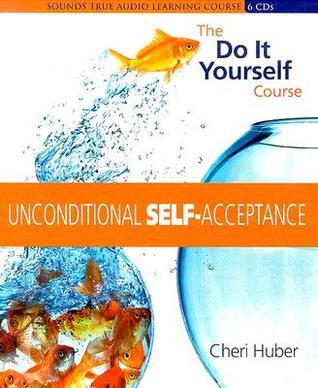
If self-improvement worked, it would have by now, teaches Cheri Huber. Getting where you want to be has everything to do with awareness, and nothing to do with willpower.On Unconditional Self-Acceptance , this Zen-trained teacher offers us an effective process to release the blocked energies and conditioned messages that keep us from attaining our personal and professional goals. In this full-length audio retreat, listeners will learn more How to be your own mentor• The Five Steps of Acceptance―transforming difficult emotions into sources of strength• How to develop reflective listening skills for interacting with others as well as ourselves• 10 guided imagery sessions, including a simple practice that can be used in any situation when overwhelmed by strong feelings, and more• How to stop knee-jerk reactions to events with the gentle energy of witness consciousness• How to use key meditations for sparking compassionate self-awarenessA complete six-hour, guided do-it-yourself retreat that won't make you any better, just a lot happier and much more alive!

This funny, engaging guide to the basics of Buddhist meditation presents the idea that people are not human beings trying to be spiritual, but spiritual beings trying to be human. That is, instead of striving toward an ideal image of ourselves, people might aim simply to see more clearly what being human is all about, including what impels striving.

Based on surveys and interviews with hundreds of teenagers about what does and does not work in their lives, how they perceive the adult world they are about to enter, and what they want adults to know about them, There Is Nothing Wrong With You for Teens provides communication techniques to empower teenagers to take the lead in the conversation that must happen between teens and adults.

Being Present in the Darkness: Using Depression As a Tool for Self-Discovery
by Cheri Huber
Rating: 4.2 ⭐
Suggests that resisting depression actually maintains it, and offers exercises and meditations that help lead to acceptance of one's emotions

This cookbook includes low-fat vegetarian recipes for main dishes, soups, breads, and desserts as well as compositions from American Zen monks—those who were head cooks and those who assisted. These inspiring stories are funny and touching, and all reflect the difficulty, challenge, joy, and freedom inherent in living as a Zen monk.

Zen techniques, from a renowned Zen teacher, to derive greater satisfaction from life Are you making choices that are supposed to give you what you want but leave you feeling unfulfilled and disappointed? This new book is based on the Buddha’s teachings and the practice of Zen, and breaks down the structures of this karmic process. Written in a humorous and lighthearted style, it illustrates through essays, stories, and examples what keeps us from choosing well-being, love, happiness, and joy as our life experience. In addition, the book contains a calendar of practical exercises and nuggets of wisdom from those who have practiced with these teachings.

Sex and Money is a guided journal that provides exercises to lead readers to look at their attitudes, beliefs, and struggles with sex and money, subjects often thought to be outside the realm of spiritual practice. Essays on topics such as money, control, and how art portrays sexuality are interspersed throughout the book, encouraging readers to look more deeply, not judge themselves, accept what they see, and go beyond their limitations.

This is a Zen guide to the principles of compassionate communication. Communication is among the most common yet difficult challenges humans face. Effective communication is rarely a simple give-and-take of information because of interference from individual egos, whereby input is taken personally, judged, and reacted against. This book can be read and the principles put into effect by a general audience.

La caja de las emociones negras: La depresión como una oportunidad para el crecimiento espiritual
by Cheri Huber
Rating: 2.7 ⭐
¿Odias tu depresión? ¿Desearías que simplemente se fuera? "Hay muchas cosas en este libro que van a contracorriente de lo que a la mayoría de nosotros se nos ha condicionado a creer y pensar. Cuando lees algo que parece equivocado o que carece de sentido, observa si puedes hacerlo a un lado para permanecer abierto a cualquier verdad que se esconda dentro de ello. Luego de considerarlo durante un tiempo, tal vez lo veas de forma diferente." Cómo nos tratamos a nosotros mismos cuando estamos deprimidos es más importante que superarlo. Rechazarnos durante la depresión no es una buena práctica para aceptarnos en otro momento. Este libro sugiere que resistirse a la depresión o a cualquier otra cosa que no queramos realmente la mantiene, y que la aceptación compasiva de nuestros sentimientos y de nosotros mismos nos lleva a la libertad.


Книга Чери Хьюбер рассказывает о знаках и приемах невербального общения, с помощью которых вы сможете произвести благоприятное впечатление на окружающих и расшифровать тайные послания других людей.Рекомендуется широкому кругу читателей.

The Perils and Pitfalls of Practice: Responses to Questions About Meditation
by Cheri Huber
Rating: 4.3 ⭐
Zen awareness and thoughts.

![[WHAT UNIVERSE ARE YOU CREATING] [Author: CHERI HUBER] [September, 2014]](https://m.media-amazon.com/images/S/compressed.photo.goodreads.com/books/1695742013i/147024313.jpg)
Structured as a daily game, this book and card deck has readers randomly choose a card and then read the corresponding pages in the book. The intention is to broaden perspective, lift spirits, and improve the quality of one’s life. What Universe Are You Creating? is a playful, powerful tool for learning the skill that frees Zen, the practice of presence. Recording and listening is a revolutionary tool for practicing turning attention from incessant, haranguing, karmically conditioned patterns of thought and action to the peace of presence. Recording in our own voice and then listening to kind words, encouragement, inspirational readings, favorite songs, gratitude lists, meditations—in short, being our own mentor—turns attention away from the constant stream of negative self-talk, revealing its illusory nature.

Sweet Zen is an impressive compendium of clear and inspiring teachings showcasing Zen Buddhist approaches to spiritual practice. Offering the unusual perspective on the softness and sweetness to be discovered in the Zen path., which has long been associated with formality and even harshness, this book includes the traditional rigor of Zen practice, but is balanced and eased with ever-growing compassion for the self and for the suffering caused by the delusion that we are separate from all that is.Trained in the Soto tradition of Zen Buddhism, Cheri Huber has taught meditation for more than 20 years.