Loading themes...
Explore the best books about Faith theme.

In the classic Mere Christianity, C.S. Lewis, the most important writer of the 20th century, explores the common ground upon which all of those of Christian faith stand together. Bringing together Lewis’ legendary broadcast talks during World War Two from his three previous books The Case for Christianity, Christian Behavior, and Beyond Personality, Mere Christianity provides an unequaled opportunity for believers and nonbelievers alike to hear this powerful apologetic for the Christian faith.
A beautiful collection of blessings to support you through both the ordinary and extraordinary events of life, from the author of the bestselling Anam Cara “John O’Donohue is a man of the soul.”— Times (London) To Bless the Space Between Us is a compelling blend of elegant, poetic language and spiritual insight to offer readers comfort and encouragement on their journeys through life. John O’Donohue, Irish teacher and poet, looks at life’s thresholds—getting married, having children, starting a new job—and offers invaluable guidelines for making the transition from a known, familiar world into a new, unmapped territory. Most profoundly, however, O’Donohue explains “blessings” as a way of life, a lens through which the whole world is transformed. He awakens readers to timeless truths and shows the power they have to answer contemporary dilemmas and ease us through periods of change.

A Masterpiece of Satire on Hell’s Latest Novelties and Heaven’s Unanswerable AnswerC.S. Lewis’s The Screwtape Letters has entertained and enlightened readers the world over with its sly and ironic portrayal of human life and foibles from the unique vantage point of Screwtape, a highly placed assistant to “Our Father Below.” At once wildly comic, deadly serious, and strikingly original, C.S. Lewis gives us the correspondence of the wordly-wise devil to his nephew Wormwood, a novice demon in charge of securing the damnation of an ordinary young man. The Screwtape Letters is the most engaging account of temptation—and triumph over it—ever written.

Moving from the Paleolithic age to the present, Karen Armstrong details the great lengths to which humankind has gone in order to experience a sacred reality that it called by many names, such as God, Brahman, Nirvana, Allah, or Dao. Focusing especially on Christianity but including Judaism, Islam, Buddhism, Hinduism, and Chinese spiritualities, Armstrong examines the diminished impulse toward religion in our own time, when a significant number of people either want nothing to do with God or question the efficacy of faith. Why has God become unbelievable? Why is it that atheists and theists alike now think and speak about God in a way that veers so profoundly from the thinking of our ancestors?Answering these questions with the same depth of knowledge and profound insight that have marked all her acclaimed books, Armstrong makes clear how the changing face of the world has necessarily changed the importance of religion at both the societal and the individual level. And she makes a powerful, convincing argument for drawing on the insights of the past in order to build a faith that speaks to the needs of our dangerously polarized age. Yet she cautions us that religion was never supposed to provide answers that lie within the competence of human reason; that, she says, is the role of logos. The task of religion is “to help us live creatively, peacefully, and even joyously with realities for which there are no easy explanations.” She emphasizes, too, that religion will not work automatically. It is, she says, a practical its insights are derived not from abstract speculation but from “dedicated intellectual endeavor” and a “compassionate lifestyle that enables us to break out of the prism of selfhood.”

In "Falling Upward, " Richard Rohr seeks to help readers understand the tasks of the two halves of life and to show them that those who have gone "down" are the only ones who understand "up." Those who have somehow fallen, and fallen well, are the only ones who can grow spiritually and not misuse "up." More than anything else, he describes what "up" (in the second half of life) will look like and could look like."The Companion Journal" helps those who have (and those who have not) read "Falling Upward "to engage more deeply with the questions the book raises. Using a blend of quotes, questions for individual and group reflection, stories, and suggestions for spiritual practices, it provides a wise guide for deepning the spiritual journey--at any time of life.

From the New York Times bestselling author of Hallelujah Anyway and Help, Thanks, Wow, a spiritual antidote to anxiety and despair in increasingly fraught times.As Anne Lamott knows, the world is a dangerous place. Terrorism and war have become the new normal. Environmental devastation looms even closer. And there are personal demands on her faith as well: getting older; her mother's Alzheimer's; her son's adolescence; and the passing of friends and time.Fortunately for those of us who are anxious about the state of the world, whose parents are also aging and dying, whose children are growing harder to recognize as they become teenagers, Plan B offers hope that we’re not alone in the midst of despair. It shares with us Lamott's ability to comfort and to make us laugh despite the grim realities.Anne Lamott is one of our most beloved writers, and Plan B is a book more necessary now than ever. It is further evidence that, as The New Yorker has written, "Anne Lamott is a cause for celebration."

A New York Times best-selling marriage book with more than one million copies sold!Based on over three decades of counseling, as well as scientific and biblical research, Dr. Emerson Eggerichs and his wife, Sarah, have already taken the Love & Respect message across America and are changing the way couples talk to, think about, and treat each other. What do you want for your marriage? Want some peace? Want to feel close? Want to feel valued? Want to experience marriage the way God intended? Then why not try some Love and Respect.A wife has one driving need?to feel loved. When that need is met, she is happy. A husband has one driving need?to feel respected. When that need is met, he is happy. When either of these needs isn’t met, things get crazy. Love & Respect reveals why spouses react negatively to each other, and how they can deal with such conflict quickly, easily, and biblically.

A Room Called Remember brings together some of Buechner's finest writings on faith, love, and the power of words in the form of essays, addresses, and sermons. Here Buechner explores autobiography as theology, offers exhilarating reflections on biblical passages, and leads us into the "room called Remember," that "still room within us all where the past lives on as part of the present,...where with patience, with clarity, with quietness of heart, we remember consciously to remember the lives we have lived."

The strength of Puritan character and life lay in prayer and meditation. In this practice the spirit of prayer was regarded as of first importance and the best form of prayer, for living prayer is the characteristic of genuine spirituality. Yet prayer is also vocal and may therefore on occasions be written. Consequently in the Puritan tradition there are many written prayers and meditations which constitute an important corpus of inspiring devotional literature. Too often ex tempore prayer lacks variety, order and definiteness. The reason for this lies partly in a neglect of due preparation. It is here that the care and scriptural thoroughness which others found necessary in their approach to God may be of help. This book has been prepared not to 'supply' prayers but to prompt and encourage the Christian as he treads the path on which others have gone before.

This fresh book argues that the four Gospels are closely based on eyewitness testimony of those who knew Jesus. Noted New Testament scholar Richard Bauckham challenges the prevailing assumption that the accounts of Jesus circulated as “anonymous community traditions” instead asserting that they were transmitted in the name of the original eyewitness. To drive home this controversial point, Bauckham draws on internal literary evidence, study of personal names in the first century, and recent developments in the understanding of oral traditions. Jesus and the Eyewitnesses also taps into the rich resources of modern study of memory and cognitive psychology, refuting the conclusions of the form critics and calling New Testament scholarship to make a clean break with this long-dominant tradition. Finally, Bauckham challenges readers to end the classic division between the “historical Jesus” and the “Christ of faith” proposing the “Jesus of testimony” that is actually presented by Gospels. Sure to ignite heated debate on the precise character of the testimony about Jesus, Jesus and the Eyewitnesses will be valued by scholars, students and all who seek to understand the origins of the Gospels.

When The Universe Next Door was first introduced nearly thirty years ago, it set the standard for a clear, readable introduction to worldviews. In concise, easily understood prose, James W. Sire explained the basics of theism, deism, naturalism, nihilism, existentialism, Eastern monism and the new consciousness. The second edition was updated and expanded to include sections on Marxism and secular humanism, as well as a completely reworked chapter on what is now widely known as New Age philosophy rather than new consciousness. And the third edition offered further updating and revisions, including a thoroughly revised chapter on New Age philosophy and, perhaps most importantly, a new chapter on postmodernism. Now the fourth edition refines the definition of worldview itself, incorporating Sire's thinking and teaching during the past decade. (His recent work is showcased in a new book, Naming the Elephant, also published by IVP.) The Universe Next Door has been translated into several languages and has been used as a text at over one hundred colleges and universities in courses ranging from apologetics and world religions to history and English literature. With the publication of the fourth edition, this book will continue to aid students, teachers and anyone who wants to understand the variety of worldviews that compete with Christianity for the allegiance of our minds and hearts.

Combining three incredibly important books for the teaching of the Church, The Goldsworthy Trilogy offers a complete and comprehensive guide to understanding the gospel throughout the whole of Scripture. Hugely popular, this collection is being released in this special format and will be an essential guide to be used again and again for those who seek to understand the Bible in the light of who Jesus is. Straightforward in his approach, Goldsworthy looks at how the Bible can only be understood through the eyes of the gospel. This being the base of his interpretation, he studies the Old Testament and its application for today, Israels wisdom literature and its role in the Christian life and the purpose and contemporary relevance of the book of Revelation. This trilogy follows the Bible chronologically to give the reader a complete overview of evangelical biblical interpretation forming an essential one-stop reference that will last a lifetime.

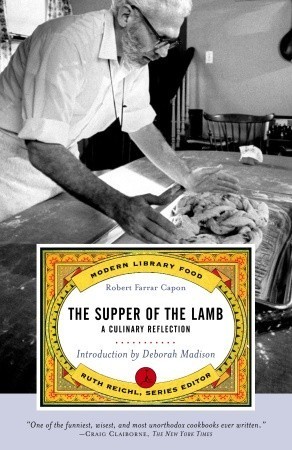
From a passionate and talented chef who also happens to be an Episcopalian priest comes this surprising and thought-provoking treatise on everything from prayer to poetry to puff pastry. In The Supper of the Lamb , Capon talks about festal and ferial cooking, emerging as an inspirational voice extolling the benefits and wonders of old-fashioned home cooking in a world of fast food and prepackaged cuisine. This edition includes the original recipes and a new Introduction by Deborah Madison, the founder of Greens Restaurant in San Francisco and author of several cookbooks.

A behind-the-scenes analysis of 21 essential leadership principles from the life of Billy Graham Billy Graham looms large as one of the twentieth century's most influential and innovative leaders. Most people are unaware of his remarkable effectiveness as not only preacher and pastor, but as a CEO and a global leader as well. The Leadership Secrets of Billy Graham is full of transferable applications for leaders in the church, parachurch, academia, government, and business. Lively interviews with his closest associates illustrate 21 principles that have driven six decades of visionary impact. First-hand accounts reveal stories of courageous leadership and growth through painful lessons. Graham's relentless application of core beliefs and leadership principles have resulted in, among many honors, being listed in Gallup's ten 'most admired men' thirty times, more than anyone else. Time magazine named him one of the top ten leaders of the twentieth century. This book How did this happen? What are the essentials he embraced to achieve such extraordinary results? What can we learn from him and apply to our own leadership roles? This book is dedicated to those readers . Who sense the pressing need in today's world for inspired leadership . Who rise to leadership's high calling and are willing to carry its weight . Who are determined to deepen and expand their capacities and effectiveness

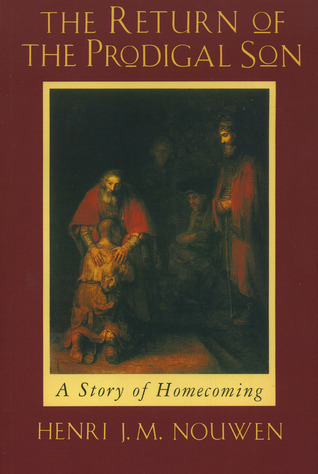
A chance encounter with a reproduction of Rembrandt's painting, The Return of the Prodigal Son, catapulted Henri Nouwen into a long spiritual adventure. In his highly-acclaimed book of the same title, he shares the deeply personal meditation that led him to discover the place within which God has chosen to dwell. This Lent course, which has been adapted from the book, helps us to reflect on the meaning of the parable for our own lives. Divided into five sessions, the course moves through the parable exploring our reaction to the story: the younger son's leaving and return, the father's restoration of sonship, the elder son's resentment and the father's compassion. All of us who have experienced loneliness, dejection, jealousy or anger will respond to the persistent themes of homecoming, affirmation and reconciliation.

Focusing on the ground-breaking and often controversial science of Charles Darwin, the author seeks to bridge the gulf between science and religion on the subject of human evolution.

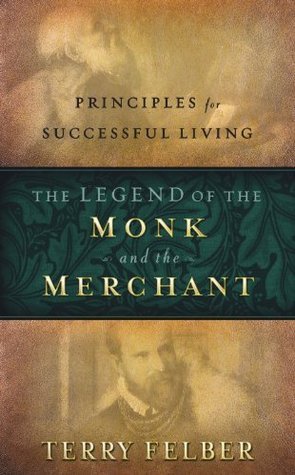
A fantastic adventure of personal growth - set in 16th century Italy. Readers will meet and join young Julio, who is taken on a quest into adulthood - as his grandfather reveals mysterious family secrets. Woven through the story are 12 principles of success Work Hard and God will Prosper You Be Meek Before God, but Bold Before Men Live Debt-Free and Below Your Means Set Aside the First 10% to Honor God The Legend of the Monk and the Merchant will change the way you think about your career, wealth, and success.

With over a million copies in print, John Baillie’s classic collection of scripture and prayers is a beautiful daily devotional, the perfect companion guide to any Christian seeking to enrich their life through growth in prayer.In this book of personal devotions, noted theologian Dr. John Baillie offers personal prayers for people who are seeking a better understanding of God and themselves. Intermingling adoring and meditative thoughts about God with a concern for the social and individual good, these daily invocations help and inspire us to search within our inner selves and find the deep religious beliefs that lie within.

This book is for anyone who has ever wept and wondered, "Why?" Peter Kreeft observes that our world is full of billions of normal lives that have been touched by apparently pointless and random suffering. This account of a real and honest personal quest is both engaging and convincing. Written from a deep well of wisdom derived from experience and careful observation, Making Sense Out of Suffering is a book for empty hearts, not full ones. Read it if you are hungry for insight into the mystery of suffering. A Servant Book.

This enduring collection of twenty-one sermons by D. Martyn Lloyd-Jones, each originally delivered at Westminster Chapel in London, carefully and compassionately analyzes an undeniable feature of modern society from which Christians have not escaped -- spiritual depression."Christian people," writes Lloyd-Jones, "too often seem to be perpetually in the doldrums and too often give this appearance of unhappiness and of lack of freedom and absence of joy. There is no question at all but that this is the main reason why large numbers of people have ceased to be interested in Christianity."Believing the Christian joy was one of the most potent factors in the spread of Christianity in the early centuries, Lloyd-Jones not only lays bare the causes that have robbed many Christians of spiritual vitality but also points the way to the cure that is found through the mind and spirit of Christ.

The timeliness of this book, first published in 1901, is shown by the fact that a great number of academic texts quote from it. "The Certainty of Faith" is one of the small but powerful classics written by one of the greatest theologians Holland has ever produced. Bavinck examines the difference between the certainty of science and that of religion historically, biblically, and theologically.

For over 40 years, J. I. Packer's classic has been an important tool to help Christians around the world discover the wonder, the glory and the joy of knowing God. In 2006, Christianity Today voted this title one of the top 50 books that have shaped evangelicals. This edition is updated with Americanized language and spelling and a new preface by the author. Stemming from Packer's profound theological knowledge, Knowing God brings together two important facets of the Christian faith: 1. Knowing about God and 2. Knowing God through the context of a close relationship with the person of Jesus Christ. Written in an engaging and practical tone, this thought-provoking work seeks to transform and enrich the Christian understanding of God. Explaining both who God is and how we can relate to him, Packer divides his book into three sections: The first directs our attention to how and why we know God, the second to the attributes of God and the third to the benefits enjoyed by a those who know him intimately. This guide leads readers into a greater understanding of God while providing advice to gaining a closer relationship with him as a result.

Finding Faith in a Time of SorrowBeloved author Henri Nouwen reflects on the spiritual significance of death and life in this moving meditation dedicated to "all those who suffer the pain that death can bring and who search for new life."

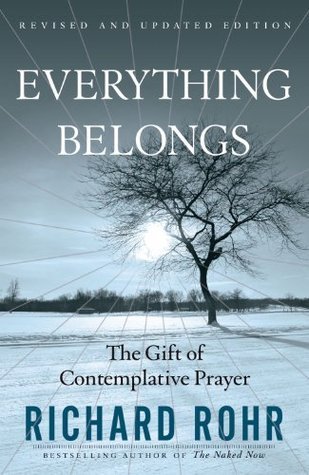
This popular and bestselling book of the renowned Franciscan challenges people to move beyond the comfort of a settled life toward an understanding of themselves that is rooted in their connection to God. Only when they rest in God can they find the certainty and the freedom to become all that they can be. Contemplation has its place at the heart of Christianity, a place that allows people to experience how “everything belongs.”

In his discussion of natural theology (arguments to prove the existence of God) and natural atheology (arguments for the falsehood of theistic belief) Plantinga focuses on two of the traditional arguments: the ontological argument as an example of natural theology, and the problem of evil as the most important representative of natural atheology. Accessible to serious general readers.

Michael O'Brien presents a thrilling apocalyptic novel about the condition of the Roman Catholic Church at the end of time. It explores the state of the modern world, and the strengths and weaknesses of the contemporary religious scene, by taking his central character, Father Elijah Schäfer, a Carmelite priest, on a secret mission for the Vatican which embroils him in a series of crises and subterfuges affecting the ultimate destiny of the Church.Father Elijah is a convert from Judaism, a survivor of the Holocaust, a man once powerful in Israel. For twenty years he has been "buried in the dark night of Carmel" on the mountain of the prophet Elijah. The Pope and the Cardinal Secretary of State call him out of obscurity and give him a task of the highest sensitivity: to penetrate into the inner circles of a man whom they believe may be the Antichrist. Their purpose: to call the Man of Sin to repentance, and thus to postpone the great tribulation long enough to preach the Gospel to the whole world.In this richly textured tale, Father Elijah crosses Europe and the Middle East, moves through the echelons of world power, meets saints and sinners, presidents, judges, mystics, embattled Catholic journalists, faithful priests and a conspiracy of traitors within the very House of God. This is an apocalypse in the old literary sense, but one that was written in the light of Christian revelation.

Most scholars studying the first five books of the Bible either attempt to dissect it into various pre-pentateuchal documents or, at the very least, analyze Genesis, Exodus, Leviticus, Numbers, and Deuteronomy as separate, self-contained documents. The Pentateuch As Narrative focuses on the narrative and literary continuity of the Pentateuch as a whole. It seeks to disclose how the original Jewish readers may have viewed this multivolume work of Moses. Its central thesis is that the Pentateuch was written from the perspective of one who had lived under the Law of the Covenant established at Mount Sinai and had seen its failure to produce genuine trust in the Lord God of Israel. In this context, the Pentateuch pointed the reader forward to the hope of the New Covenant, based on divine faithfulness. Throughout the commentary Dr. Sailhamer pays close attention to and interacts with a wide range of classical and contemporary literature on the Pentateuch, written by Jews, Catholics, and Protestants.

Written with love, humility, and faith, this brief but poignant volume was first published in 1961 and concerns the death of C. S. Lewis's wife, the American-born poet Joy Davidman. In her introduction to this new edition, Madeleine L'Engle writes: "I am grateful to Lewis for having the courage to yell, to doubt, to kick at God in angry violence. This is a part of a healthy grief which is not often encouraged. It is helpful indeed that C. S. Lewis, who has been such a successful apologist for Christianity, should have the courage to admit doubt about what he has so superbly proclaimed. It gives us permission to admit our own doubts, our own angers and anguishes, and to know that they are part of the soul's growth."Written in longhand in notebooks that Lewis found in his home, A Grief Observed probes the "mad midnight moments" of Lewis's mourning and loss, moments in which he questioned what he had previously believed about life and death, marriage, and even God. Indecision and self-pity assailed Lewis. "We are under the harrow and can't escape," he writes. "I know that the thing I want is exactly the thing I can never get. The old life, the jokes, the drinks, the arguments, the lovemaking, the tiny, heartbreaking commonplace." Writing A Grief Observed as "a defense against total collapse, a safety valve," he came to recognize that "bereavement is a universal and integral part of our experience of love."Lewis writes his statement of faith with precision, humor, and grace. Yet neither is Lewis reluctant to confess his continuing doubts and his awareness of his own human frailty. This is precisely the quality which suggests that A Grief Observed may become "among the great devotional books of our age."

One of the most famous books ever written about a man’s search for faith and peace.The Seven Storey Mountain tells of the growing restlessness of a brilliant and passionate young man, who at the age of twenty-six, takes vows in one of the most demanding Catholic orders—the Trappist monks. At the Abbey of Gethsemani, "the four walls of my new freedom," Thomas Merton struggles to withdraw from the world, but only after he has fully immersed himself in it. At the abbey, he wrote this extraordinary testament, a unique spiritual autobiography that has been recognized as one of the most influential religious works of our time. Translated into more than twenty languages, it has touched millions of lives.

In Grace (Eventually): Thoughts on Faith, the author of the bestsellers Traveling Mercies and Plan B delivers a poignant, funny, and bittersweet primer of faith, as we come to discover what it means to be fully alive.In Grace (Eventually): Thoughts on Faith, Lamott examines the ways we're caught in life's most daunting predicaments: love, mothering, work, politics, and maybe toughest of all, evolving from who we are to who we were meant to be. This is a complicated process for most of us, and Lamott turns her wit and honesty inward to describe her own intimate, bumpy, and unconventional road to grace and faith."I wish grace and healing were more abracadabra kinds of things," she writes in one of her essays, "that delicate silver bells would ring to announce grace's arrival. But no, it's clog and slog and scootch, on the floor, in silence, in the dark."Whether she's writing about her unsuccessful efforts to get her money back from an obstinate carpet salesman, grappling with the tectonic shifts in her relationship with her son as he matures, trying to maintain her faith and humor during politically challenging times, or helping a close friend die with dignity, Lamott seeks out both the divinity and the humanity in herself and everything around her. Throughout these essays, she writes of her struggle to find the essence of her faith, which she uncovers in the unlikeliest places.

Hailed by many as the best modern book on Christian spirituality, Celebration of Discipline has helped more than one million seekers discover a richer spiritual life infused with joy, peace, and a deeper understanding of God. Celebration of Discipline explores the 'classic disciplines,' or central spiritual practices, of the Christian faith. Along the way, Foster shows that it is only by and through these practices that the true path to spiritual growth can be found. Dividing the disciplines into three movements of the Spirit, Foster shows how each of these areas contribute to a more balanced spiritual life. The inward disciplines of meditation, prayer, fasting, and study offer avenues of personal examination and change. The outward disciplines of simplicity, solitude, submission, and service help prepare us to make the world a better place. The corporate disciplines of confession, worship, guidance, and celebration bring us nearer to one another and to God. Foster provides a wealth of examples demonstrating how these disciplines can become part of our daily activities--and how they can help us shed our superficial habits and 'bring the abundance of God into our lives.' He offers crucial new insights on simplicity, demonstrating how the biblical view of simplicity, properly understood and applied, brings joy and balance to our inward and outward lives and 'sets us free to enjoy the provision of God as a gift that can be shared with others.' The discussion of celebration, often the most neglected of the disciplines, shows its critical importance, for it stands at the heart of the way to Christ. Celebration of discipline will help motivate Christians everywhere to embark on a journey of prayer and spiritual growth.

The classic Weight of Glory by C.S. Lewis, the most important Christian writer of the 20th century, contains nine sermons delivered by Lewis during World War Two. The nine addresses in Weight of Glory offer guidance, inspiration, and a compassionate apologetic for the Christian faith during a time of great doubt.

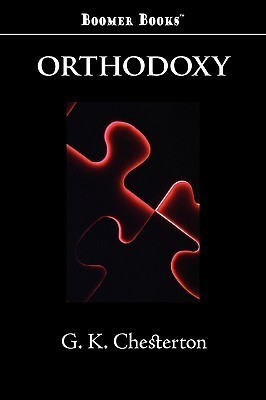
This book is meant to be a companion to "Heretics," and to put the positive side in addition to the negative. Many critics complained of the book because it merely criticised current philosophies without offering any alternative philosophy. This book is an attempt to answer the challenge. It is the purpose of the writer to attempt an explanation, not of whether the Christian Faith can be believed, but of how he personally has come to believe it. The book is therefore arranged upon the positive principle of a riddle and its answer. It deals first with all the writer's own solitary and sincere speculations and then with the startling style in which they were all suddenly satisfied by the Christian Theology. The writer regards it as amounting to a convincing creed. But if it is not that it is at least a repeated and surprising coincidence.

John Owen was an English minister. Owen, born and raised a Puritan in Oxfordshire, studied at Queen's College and became ordained there. After becoming ordained Owen was a pastor at a couple different parishes. Owen would later return to Oxford and become the academic administrator. Owens also was a good friend of Oliver Cromwell and gave many sermons before Parliament. After Cromwell died Owen became more active in politics and joined the Wallingford House party. Throughout his life Owen wrote on a variety of topics including the defense of Calvinism in A Display of Arminianism.

Esta edición especial corresponde al Décimo Aniversario de su publicación original y nos proporciona una mirada fresca a un libro atesorado por la esperanza que comunica. Pensada para una nueva generación, revisada, aumentada, y mejorada con video digital en línea, incluye toda la sabiduría contenida en el texto original, además de dos capítulos nuevos. Se trata de perspectivas frescas que Rick Warren ha recopilado desde que escribió lo que se convertiría en el libro de contenido cristiano más vendido en el mundo. El lector descubrirá el asombroso plan de Dios para su presente y su eternidad conforme recorre una jornada espiritual que transformará su respuesta a la pregunta más importante de la vida: ¿Para qué estoy aquí en la tierra?

Mackenzie Allen Philips' youngest daughter, Missy, has been abducted during a family vacation and evidence that she may have been brutally murdered is found in an abandoned shack deep in the Oregon wilderness. Four years later in the midst of his Great Sadness, Mack receives a suspicious note, apparently from God, inviting him back to that shack for a weekend. Against his better judgment he arrives at the shack on a wintry afternoon and walks back into his darkest nightmare. What he finds there will change Mack's world forever.In a world where religion seems to grow increasingly irrelevant The Shack wrestles with the timeless question, "Where is God in a world so filled with unspeakable pain?" The answers Mack gets will astound you and perhaps transform you as much as it did him. You'll want everyone you know to read this book!

“Advent is not about a sentimental waiting for the Baby Jesus”—Richard Rohr Advent is a time to focus our expectation and anticipation on “the adult Christ, the Cosmic Christ,” who challenges us to empty ourselves, to lose ourselves, to surrender. Preparing for Christmas offers daily meditations, prayers, Scripture readings, and questions for reflection for each day of Advent.

“Everyone curls up inside a Sabbath at some point or other. Religion need not be involved.”The Sabbath is not just the holy day of rest. It’s also a utopian idea about a less pressured, more sociable, purer world. Where did this notion come from? Is there value in withdrawing from the world one day in seven, despite its obvious inconvenience in an age of convenience? And what will be lost if the Sabbath goes away?In this erudite, elegantly written book, critic Judith Shulevitz weaves together histories of the Jewish and Christian sabbaths, speculations on the nature of time, and a rueful account of her personal struggle with the day. Shulevitz has found insights into the Sabbath in both cultural and contemporary sources—the Torah, the Gospels, the Talmud, and the writings of the Apostolic Fathers, as well as in the poetry of William Wordsworth, the life of Sigmund Freud, and the science of neuropsychology. She tells stories of martyrdom by Jews who died en masse rather than fight on the Sabbath and describes the feverish Sabbatarianism of the American Puritans. And she counterposes the tyranny of religious law with the equally oppressive tyranny of the clock. Can we really flourish under the yoke of communal discipline, as preachers and rabbis like to tell us? What about being free to live as we please? Can we preserve what the Sabbath gives us — a time outside time—without following its rules?Whatever our faith or lack thereof, this rich and resonant meditation on the day of rest will remind us of the danger of letting time drive us heedlessly forward without ever stopping to reflect.

Jonathan Edwards dissertation concerning the ultimate reason that God made the world. One of several pieces written by the brilliant theologian so that a large number readers might understand complicated theological issues. Jonathan Edwards (1703-1758) is a towering figure in American history. A controversial theologian and the author of the famous sermon Sinners in the Hands of an Angry God, he ignited the momentous Great Awakening of the eighteenth century.

In Falling Upward , Fr. Richard Rohr seeks to help readers understand the tasks of the two halves of life and to show them that those who have fallen, failed, or "gone down" are the only ones who understand "up." Most of us tend to think of the second half of life as largely about getting old, dealing with health issues, and letting go of life, but the whole thesis of this book is exactly the opposite. What looks like falling down can largely be experienced as "falling upward." In fact, it is not a loss but somehow actually a gain, as we have all seen with elders who have come to their fullness. This important book explores the counterintuitive message that we grow spiritually much more by doing wrong than by doing right--a fresh way of thinking about spirituality that grows throughout life.

This is a reproduction of a book published before 1923. This book may have occasional imperfections such as missing or blurred pages, poor pictures, errant marks, etc. that were either part of the original artifact, or were introduced by the scanning process. We believe this work is culturally important, and despite the imperfections, have elected to bring it back into print as part of our continuing commitment to the preservation of printed works worldwide. We appreciate your understanding of the imperfections in the preservation process, and hope you enjoy this valuable book.

What difference does it make that Jesus was Jewish? In Walking in the Dust of Rabbi Jesus , Lois Tverberg challenges readers to follow their Rabbi more closely by re-examining his words in the light of their Jewish context. Doing so will provide a richer, deeper understanding of his ministry, compelling us to live differently, to become more Christ-like. We'll begin to understand why his first Jewish disciples abandoned everything to follow him, to live out his commands.What wisdom can we glean from Jesus' Eastern, biblical attitude toward life? How can knowing him within this context shed light on his teachings for us today? In Walking in the Dust of Rabbi Jesus we'll journey back in time to consider how hearing Rabbi Jesus with the ears of a first-century disciple can bring new meaning to our faith.

Now a New York Times Bestseller!As a college student he spent 16 days in the Pacific Ocean with five guys and a crate of canned meat. As a father he took his kids on a world tour to eat ice cream with heads of state. He made friends in Uganda, and they liked him so much he became the Ugandan consul. He pursued his wife for three years before she agreed to date him. His grades weren't good enough to get into law school, so he sat on a bench outside the Dean's office for seven days until they finally let him enroll.Bob Goff has become something of a legend, and his friends consider him the world's best-kept secret. Those same friends have long insisted he write a book. What follows are paradigm shifts, musings, and stories from one of the world's most delightfully engaging and winsome people. What fuels his impact? Love. But it's not the kind of love that stops at thoughts and feelings. Bob's love takes action. Bob believes Love Does.When Love Does, life gets interesting. Each day turns into a hilarious, whimsical, meaningful chance that makes faith simple and real. Each chapter is a story that forms a book, a life. And this is one life you don't want to miss.Light and fun, unique and profound, the lessons drawn from Bob's life and attitude just might inspire you to be secretly incredible, too.

A New York Times bestseller from the author of Hallelujah Anyway, Bird by Bird, and Almost EverythingAuthor Anne Lamott writes about the three simple prayers essential to coming through tough times, difficult days and the hardships of daily lifeReaders of all ages have followed and cherished Anne Lamott’s funny and perceptive writing about her own faith through decades of trial and error. And in her new book, Help, Thanks, Wow, she has coalesced everything she knows about prayer to these fundamentals.It is these three prayers – asking for assistance from a higher power, appreciating what we have that is good, and feeling awe at the world around us – that can get us through the day and can show us the way forward. In Help, Thanks, Wow, Lamott recounts how she came to these insights, explains what they mean to her and how they have helped, and explores how others have embraced these same ideas.

Thousands of readers have already fallen in love with Ann Voskamp's "One Thousand Gifts," and this Christmas, Ann will help readers celebrate the lineage and the majesty of God's greatest gift--Jesus Christ. In what is sure to become an instant holiday classic, Voskamp reaches back into the pages of the Old Testament to explore the lineage of Jesus via the advent tradition of "The Jesse Tree."Beginning with Jesse, the father of David, "The Greatest Gift" retraces the epic pageantry of mankind, from Adam to the Messiah, with each day's reading pointing to the coming promise of Christ.Sure to become a holiday staple in every Christian home, "The Greatest Gift" is the perfect gift for the holidays and a timeless reminder of the true meaning of Christmas.

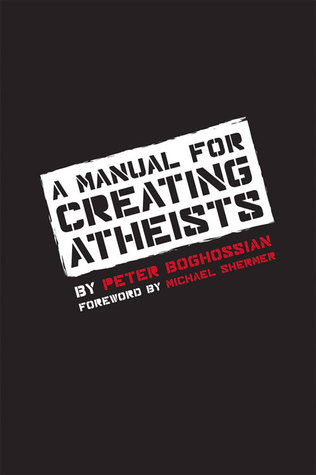
For thousands of years, the faithful have honed proselytizing strategies and talked people into believing the truth of one holy book or another. Indeed, the faithful often view converting others as an obligation of their faith—and are trained from an early age to spread their unique brand of religion. The result is a world broken in large part by unquestioned faith. As an urgently needed counter to this tried-and-true tradition of religious evangelism, A Manual for Creating Atheists offers the first-ever guide not for talking people into faith—but for talking them out of it. Peter Boghossian draws on the tools he has developed and used for more than twenty years as a philosopher and educator to teach how to engage the faithful in conversations that will help them value reason and rationality, cast doubt on their religious beliefs, mistrust their faith, abandon superstition, and irrationality, and ultimately embrace reason.

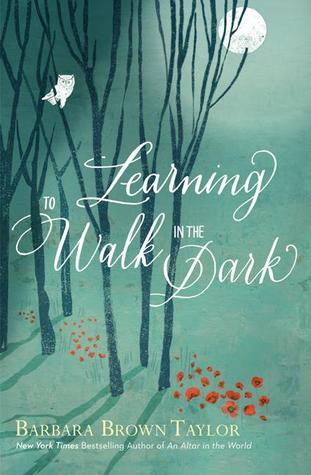
From the New York Times bestselling author of An Altar in the World, Barbara Brown Taylor’s Learning to Walk in the Dark provides a way to find spirituality in those times when we don’t have all the answers.Taylor has become increasingly uncomfortable with our tendency to associate all that is good with lightness and all that is evil and dangerous with darkness. Doesn’t God work in the nighttime as well? In Learning to Walk in the Dark, Taylor asks us to put aside our fears and anxieties and to explore all that God has to teach us “in the dark.” She argues that we need to move away from our “solar spirituality” and ease our way into appreciating “lunar spirituality” (since, like the moon, our experience of the light waxes and wanes). Through darkness we find courage, we understand the world in new ways, and we feel God’s presence around us, guiding us through things seen and unseen. Often, it is while we are in the dark that we grow the most.With her characteristic charm and literary wisdom, Taylor is our guide through a spirituality of the nighttime, teaching us how to find our footing in times of uncertainty and giving us strength and hope to face all of life’s challenging moments.

In "The Soul of the World," renowned philosopher Roger Scruton defends the experience of the sacred against today s fashionable forms of atheism. He argues that our personal relationships, moral intuitions, and aesthetic judgments hint at a transcendent dimension that cannot be understood through the lens of science alone. To be fully alive and to understand what we are is to acknowledge the reality of sacred things. Rather than an argument for the existence of God, or a defense of the truth of religion, the book is an extended reflection on why a sense of the sacred is essential to human life and what the final loss of the sacred would mean. In short, the book addresses the most important question of modernity: what is left of our aspirations after science has delivered its verdict about what we are?Drawing on art, architecture, music, and literature, Scruton suggests that the highest forms of human experience and expression tell the story of our religious need, and of our quest for the being who might answer it, and that this search for the sacred endows the world with a soul. Evolution cannot explain our conception of the sacred; neuroscience is irrelevant to our interpersonal relationships, which provide a model for our posture toward God; and scientific understanding has nothing to say about the experience of beauty, which provides a God s-eye perspective on reality.Ultimately, a world without the sacred would be a completely different world one in which we humans are not truly at home. Yet despite the shrinking place for the sacred in today s world, Scruton says, the paths to transcendence remain open."

Once upon a time there lived a man and a woman. They were the happiest people on the planet.True, they were the only people on the planet, but they were still terrifically happy.Unfortunately, things didn’t stay happy and wonderful for long . . .The Bible is full of exciting stories that fill children with awe and wonder. But kids need to know how all those classic stories connect to Scripture’s overarching message about God’s glorious plan to redeem his rebellious people.In The Biggest Story, Kevin DeYoung—a best-selling author and father of six—leads kids and parents alike on an exciting journey through the Bible, connecting the dots from the garden of Eden to Christ's death on the cross to the new heaven and new earth.With powerful illustrations by award-winning artist Don Clark, this imaginative retelling of the Bible’s core message—how the Snake Crusher brings us back to the garden—will draw children into the biblical story, teaching them that God's promises are even bigger and better than we think. Ages 5-8 (read to me)Ages 8-11 (read to myself)

“There is a part of the soul that stirs at night, in the dark and soundless times of day, when our defenses are down and our daylight distractions no longer serve to protect us from ourselves,” writes beloved author, Joan Chittister. “It’s then, in the still of life, when we least expect it, that questions emerge from the damp murkiness of our inner underworld…These questions do not call for the discovery of data; they call for the contemplation of possibility.” In words as wise as they are inspiring, Between the Dark and the Daylight explores the concerns of modern life, of the overworked mind and hurting heart. These are the paradoxical—and often frustrating—moments when our lives feel at odds with everything around us. Only by embracing the contradictions, Chittister contends, may we live well amid stress, withstand emotional storms, and satisfy our yearnings for something transcendent and real. By delving into the chaos, this book guides us through the questions that seemed easier to avoid and enlightens what has been out of focus. With her signature elegance, wit, and spirit, the bestselling author of The Gift of Years and Following the Path opens our eyes and hearts in these times of confusion. With simple and poignant meditations, Between the Dark and the Daylight reveals how we can better understand ourselves, one another, and God.

"Rejection steals the best of who I am by reinforcing the worst of what's been said to me."The enemy wants us to feel rejected . . . left out, lonely, and less than.In Uninvited, Lysa shares her own deeply personal experiences of rejection—from the perceived judgment of the perfectly toned woman one elliptical over to the incredibly painful childhood abandonment by her father. She leans in to honestly examine the roots of rejection, as well as rejection's ability to poison relationships from the inside out, including our relationship with God.With biblical depth, gut-honest vulnerability, and refreshing wit, Lysa will help you:• Stop feeling left out by believing that even when you are overlooked by others you are handpicked by God.• Change your tendency to either fall apart or control the actions of others by embracing God-honoring ways to process your hurt.• Know exactly what to pray for the next ten days to steady your soul and restore your confidence in the midst of rejection.• Overcome the two core fears that feed your insecurities by understanding the secret of belonging.Uninvited reminds us we are destined for a love that can never be diminished, tarnished, shaken, or taken—a love that does not reject or uninvite.

Ignorance is bliss except in self-awareness...What you don't know about yourself can hurt you and your relationships―and even keep you in the shallows with God. Do you want help figuring out who you are and why you're stuck in the same ruts? The Enneagram is an ancient personality typing system with an uncanny accuracy in describing how human beings are wired, both positively and negatively. In The Road Back to You Ian Morgan Cron and Suzanne Stabile forge a unique approach―a practical, comprehensive way of accessing Enneagram wisdom and exploring its connections with Christian spirituality for a deeper knowledge of ourselves, compassion for others, and love for God. Witty and filled with stories, this book allows you to peek inside each of the nine Enneagram types, keeping you turning the pages long after you have read the chapter about your own number. Not only will you learn more about yourself, but you will also start to see the world through other people's eyes, understanding how and why people think, feel, and act the way they do. Beginning with changes you can start making today, the wisdom of the Enneagram can help take you further along into who you really are―leading you into places of spiritual discovery you would never have found on your own, and paving the way to the wiser, more compassionate person you want to become.

Seven million copies of his books in print! This collection of over 100 unpublished letters from the bestselling author of such spiritual classics as The Return of the Prodigal Son and The Wounded Healer offers deep spiritual insight into human experience, intimacy, brokeness, and mercy.Over the course of his life, Henri Nouwen wrote thousands of letters to friends, acquaintances, parishioners, students, and readers of his work all around the world. He corresponded in English, Dutch, German, French, and Spanish, and took great care to store and archive the letters decade after decade. He believed that a thoughtful letter written in love could truly change someone's life. Many people looked to Nouwen as a long distance spiritual advisor. Love, Henri consists of over a hundred letters that stretch from the earliest years of Henri's career up through his last 10 years at L'Arche Daybreak. Rich in spiritual insights the letters highlight a number themes that emerged in both Henri's work over the years, including vocation, solitude, prayer, suffering, and perseverance in difficult times. These deeply spiritual letters, sometimes poignant, sometimes funny, ulimately demonstrate the rich value of communicating with God through others.

Jesus didn't say that the world would know we are his followers by our biting rhetoric, our political leanings, our charity work, or even by our knowledge of Scripture. He said the world would know us by our love for one another. Yet it's so easy to put others at arm's length, to lash out, to put up walls. Deidra Riggs wants us to put our focus on self-preservation aside and, like Jesus, make the first move toward reconciliation.In One , Riggs shows readers that when Jesus offered himself up in our place, he was not only purchasing our salvation but also setting an example for us to follow. She helps readers understand that they are secure in God's inexhaustible love, making them free to love others lavishly--not just in what they do but in what they say, what they don't say, what they will endure, and what they will forgive.Anyone who longs for unity in the church, in their family, and in their community will find in this book both inspiring examples of loving done well and encouragement to begin the often unnoticed hard work of building bridges with those around them.

Making conscientious choices about technology in our families is more than just using internet filters and determining screen time limits for our children. It's about developing wisdom, character, and courage in the way we use digital media rather than accepting technology's promises of ease, instant gratification, and the world's knowledge at our fingertips. And it's definitely not just about the kids.Drawing on in-depth original research from the Barna Group, Andy Crouch shows readers that the choices we make about technology have consequences we may never have considered. He takes readers beyond the typical questions of what, where, and when and instead challenges them to answer provocative questions like, Who do we want to be as a family? and How does our use of a particular technology move us closer or farther away from that goal? Anyone who has felt their family relationships suffer or their time slip away amid technology's distractions will find in this book a path forward to reclaiming their real life in a world of devices.

All too many of us struggle under the weight of life, convinced we need to work harder to prove to ourselves, to others, and to God that we are good enough, smart enough, and spiritual enough to do the things we believe we should. Author and Bible teacher Jennie Allen invites us into a different experience, one in which our souls overflow with contentment and joy. In Nothing to Prove she calls us to...* Find freedom from self-induced pressure by admitting we're not enough--but Jesus is. * Admit our greatest needs and watch them be filled by the only One who can meet them. * Make it our goal to know and love Jesus, then watch what He does in and through us.

From the bestselling author of Help, Thanks, Wow and Stitches comes a powerful exploration of mercy, its limitless (if sometimes hidden) presence, why we ignore it, and how we can embrace itMercy is radical kindness, Anne Lamott writes in her enthralling and heartening book, Hallelujah Anyway. It's the permission you give others--and yourself--to forgive a debt, to absolve the unabsolvable, to let go of the judgment and pain that make life so difficult.In Hallelujah Anyway: Rediscovering Mercy Lamott ventures to explore where to find meaning in life. We should begin, she suggests, by-facing a great big mess, especially the great big mess of ourselves. It's up to each of us to recognize the presence and importance of mercy everywhere-within us and outside us, all around us-and to use it to forge a deeper understanding of ourselves and more honest connections with each other. While that can be difficult to do, Lamott argues that it's crucial, as kindness towards others, beginning with myself, buys us a shot at a warm and generous heart, the greatest prize of all.Full of Lamott's trademark honesty, humor, and forthrightness, Hallelujah Anyway is profound and caring, funny and wise--a hopeful book of hands-on spirituality.

Rob Bell, the beloved author of Love Wins and What We Talk About When We Talk About God, goes deep into the Bible to show how it is more revelatory, revolutionary, and relevant than we ever imagined—and offers a cogent argument for why we need to look at it in a fresh, new way.In Love Wins, Rob Bell confronted the troubling questions that many people of faith were afraid to ask about heaven, hell, fate, and faith. Using the same inspired, inquisitive approach, he now turns to our most sacred book, the Bible. What Is the Bible? provides insights and answers that make clear why the Bible is so revered and what makes it truly inspiring and essential to our lives.Rob takes us deep into actual passages to reveal the humanity behind the Scriptures. You cannot get to the holy without going through the human, Rob tells us. When considering a passage, we shouldn’t ask "Why did God say . . .?" To get to the heart of the Bible’s meaning, we should be asking: "What’s the story that’s unfolding here and why did people find it important to tell it? What was it that moved them to record these words? What was happening in the world at that time? What does this passage/story/poem/verse/book tell us about how people understood who they were and who God was at that time?" In asking these questions, Rob goes beyond the one-dimensional question of "is it true?" to reveal the Bible’s authentic transformative power.Rob addresses the concerns of all those who see the Bible as God’s Word but are troubled by the ethical dilemmas, errors, and inconsistencies in Scripture. With What Is the Bible?, he recaptures the Good Book’s magic and reaffirms its power and inspiration to shape and inspire our lives today.

Living Out the Word Made Flesh Sixty years ago I found myself distracted, Eugene Peterson writes. A chasm had developed between the way I was preaching from the pulpit and my deepest convictions on what it meant to be a pastor. And so began Peterson s journey to live and teach a life of congruence congruence between preaching and living, between what we do and the way we do it, between what is written in Scripture and how we live out that truth. Nothing captures the biblical foundation for this journey better than Peterson s teachings over his twenty-nine years as a pastor. As Kingfishers Catch Fire offers a never-before-published collection of these teachings to anyone longing for a richer, truer spirituality. Peterson s strikingly beautiful prose and deeply grounded insights usher us into a new understanding of how to live out the good news of the Word made flesh. This is a stunning record of one man s decision to discover not only how to be a pastor but how to be a human being."

A divinity professor and young mother with a Stage IV cancer diagnosis explores the pain and joy of living without certainty.Thirty-five-year-old Kate Bowler was a professor at the school of divinity at Duke, and had finally had a baby with her childhood sweetheart after years of trying, when she began to feel jabbing pains in her stomach. She lost thirty pounds, chugged antacid, and visited doctors for three months before she was finally diagnosed with Stage IV colon cancer.As she navigates the aftermath of her diagnosis, Kate pulls the reader deeply into her life, which is populated with a colorful, often hilarious collection of friends, pastors, parents, and doctors, and shares her laser-sharp reflections on faith, friendship, love, and death. She wonders why suffering makes her feel like a loser and explores the burden of positivity. Trying to relish the time she still has with her son and husband, she realizes she must change her habit of skipping to the end and planning the next move. A historian of the "American prosperity gospel"--the creed of the mega-churches that promises believers a cure for tragedy, if they just want it badly enough--Bowler finds that, in the wake of her diagnosis, she craves these same "outrageous certainties." She wants to know why it's so hard to surrender control over that which you have no control. She contends with the terrifying fact that, even for her husband and child, she is not the lynchpin of existence, and that even without her, life will go on.On the page, Kate Bowler is warm, witty, and ruthless, and, like Paul Kalanithi, one of the talented, courageous few who can articulate the grief she feels as she contemplates her own mortality.

In her most personal book yet, popular speaker and bestselling author Sarah Bessey invites us into her long—and sometimes miraculous—road to recovery after a terrible accident and shares how it changed everything she believed about God. Sarah Bessey was in her sweet spot: a popular author, sought-after speaker and preacher, and an active and engaged mother of four, married to the love of her life. Raised within the Word of Faith and prosperity movements, which declared that obedience to God led to untold blessings, her life seemed to prove the preachers of her childhood were right. Then she was in a car accident with life-shattering consequences, and everything she thought she knew about God and faith was upended.Weaving together theology and memoir in her trademark narrative style, Sarah tells us the whole story of the car accident that changed her body and ultimately changed her life. The road of healing leads to Rome where she met the Pope (it’s complicated) and encountered the Holy Spirit in the last place she expected. She writes about her miraculous healing, learning to live with chronic pain, and the ways God unexpectedly makes us whole in the midst of suffering. She invites us to a path of knowing God that is filled with ordinary miracles, hope in the face of overwhelming evidence to the contrary, surprising holiness, and other completely reasonable things.Insightful, profound, and unexpected, Miracles and Other Reasonable Things is a wild spirit-filled story of what it means to live with both grief and faith in our hands as we wrestle with God.

As America rapidly becomes a pluralistic, postmodern society, many of us struggle to talk about faith. We can no longer assume our friends understand words such as grace or gospel. Others, like lost and sin, have become so negative they are nearly conversation-enders.Jonathan Merritt knows this frustration well. After Jonathan moved from the Bible Belt to New York City, he discovered that whenever conversations turned to spirituality, the words he'd used for decades didn't connect with listeners anymore. In a search for answers and understanding, Jonathan uncovered a spiritual crisis affecting tens of millions. In this groundbreaking book, one of America's premier religion writers revives ancient expressions through cultural commentary, vulnerable personal narratives, and surprising biblical insights. Both provocative and liberating, Learning to Speak God from Scratch will breathe new life into your spiritual conversations and lure you into the embrace of the God who inhabits them.

We live in a distracted, secular age. These two trends define life in Western society today. We are increasingly addicted to habits―and devices―that distract and "buffer" us from substantive reflection and deep engagement with the world. And we live in what Canadian philosopher Charles Taylor calls "a secular age"―an age in which all beliefs are equally viable and real transcendence is less and less plausible. Drawing on Taylor's work, Alan Noble describes how these realities shape our thinking and affect our daily lives. Too often Christians have acquiesced to these trends, and the result has been a church that struggles to disrupt the ingrained patterns of people's lives. But the gospel of Jesus is inherently disruptive: like a plow, it breaks up the hardened surface to expose the fertile earth below. In this book Noble lays out individual, ecclesial, and cultural practices that disrupt our society's deep-rooted assumptions and point beyond them to the transcendent grace and beauty of Jesus. Disruptive Witness casts a new vision for the evangelical imagination, calling us away from abstraction and cliché to a more faithful embodiment of the gospel for our day.

In 2014, Time magazine announced that America had reached “the transgender tipping point,” suggesting that transgender issues would become the next civil rights frontier. Years later, many people—even many LGBTQ allies—still lack understanding of gender identity and the transgender experience. Into this void, Austen Hartke offers a biblically based, educational, and affirming resource to shed light and wisdom on this modern gender landscape.Transforming: The Bible and the Lives of Transgender Christians provides access into an underrepresented and misunderstood community and will change the way readers think about transgender people, faith, and the future of Christianity. By introducing transgender issues and language and providing stories of both biblical characters and real-life narratives from transgender Christians living today, Hartke helps readers visualize a more inclusive Christianity, equipping them with the confidence and tools to change both the church and the world.

New York Times Bestseller!What happens when we give away love like we're made of it? In his entertaining and inspiring follow-up to the New York Times bestselling phenomenon Love Does, Bob Goff takes readers on a journey into the secret of living without fear, constraint, or worry. The path toward the liberated existence we all long for is found in a truth as simple to say as it is hard to do: love people, even the difficult ones, without distinction and without limits.Driven by Bob’s trademark storytelling, Everybody, Always reveals the lessons Bob learned--often the hard way--about what it means to love without inhibition, insecurity, or restriction. From finding the right friends to discovering the upside of failure, Everybody, Always points the way to embodying love by doing the unexpected, the intimidating, the seemingly impossible. Whether losing his shoes while skydiving solo or befriending a Ugandan witch doctor, Bob steps into life with a no-limits embrace of others that is as infectious as it is extraordinarily ordinary. Everybody, Always reveals how we can do the same.

From the author and illustrator of the best-selling When God Made You comes a new illuminating message about God's design affirming young readers.'Let there be light!' that's what God said. And light began shining and then started to spread." Wild and creative illustrations from top children's illustrator David Catrow pair with Matthew Paul Turner's lyrical verse in this message of a God-made light that cuts through darkness to bring vision and hope to all young readers. This light radiates, chasing away the shadows, providing the wonder and fun of stargazing or firefly chasing. Most important, this light appears in each child--an inner God-given spark that grows and will be used to change the world.

Want to make a move but scared to leave your comfort zone? Go anyway. “Jessica's perspective of global sisterhood and the power of lifting each other up in the midst of fear and scarcity is exactly what we need today. This book is both an invitation and a challenge to bravely show up for ourselves, for the people we love, and for the strangers that we will one day call family. I say, Amen!”—Brené Brown, Ph.D., Author of the #1 New York Times bestseller Braving the Wilderness In Imperfect Courage, the founder of the popular fair trade jewelry brand Noonday Collection shares her story of starting the rapid-growing business that impacts over 4,500 artisans in vulnerable communities across the globe—and invites readers on a journey of transformation, challenging them to trade their comfort zones for a life of impact and adventure.In 2015, Inc. magazine recognized Noonday Collection as one of the fastest-growing companies in America. But years earlier, as Jessica Honegger stood at a pawn-shop counter in Austin, Texas, and handed over her grandmother's gold jewelry, her goal was much more personal: to fund the adoption of her Rwandan son, Jack, by selling artisan-made jewelry. This first step launched an unexpected side-hustle that would grow into Noonday Collection. Jessica embarked on this new journey and teamed up with her first artisan partner, Jalia, a Ugandan jewelry maker. She saw the meaningful impact Noonday brought to Jalia's community and knew it was the right move. Fear crept into Jessica's heart as she realized her success, or failure, meant the same for Jalia. But refusing to let fear hinder her goals, Jessica found the necessary (if imperfect) courage she needed along the way--the courage to leave comfort and embrace a life of risk and impact.Discover Your Imperfect CourageIn Imperfect Courage , Jessica takes you by the hand and invites you to trade your comfort zone for a life of impact and meaning. • First, she invites you to draw a circle of compassion around yourself and leads you through some soul-searching aimed at setting you free from shame. • Next, she challenges all of us to come together, dare to be vulnerable with one another, and commit to building a culture of collaboration. • Finally, Jessica calls on you to broaden your circle of compassion to embrace the entire globe--and to bring your beautifully imperfect courage to a world that needs you.

Is there evidence to believe the Gospels?The Gospels--Matthew, Mark, Luke, John--are four accounts of Jesus's life and teachings while on earth. But should we accept them as historically accurate? What evidence is there that the recorded events actually happened?Presenting a case for the historical reliability of the Gospels, New Testament scholar Peter Williams examines evidence from non-Christian sources, assesses how accurately the four biblical accounts reflect the cultural context of their day, compares different accounts of the same events, and looks at how these texts were handed down throughout the centuries. Everyone from the skeptic to the scholar will find powerful arguments in favor of trusting the Gospels as trustworthy accounts of Jesus's earthly life.

In recent years atheism has become ever more visible, acceptable, and influential. Atheist apologists have become increasingly vociferous and confident in their that a morality requiring benevolence towards all and universal human rights need not be grounded in religion; that modern science disproves the existence of God; and that there is nothing innately religious about human beings.In Atheist Overreach , Christian Smith takes a look at the evidence and arguments, and explains why we ought to be skeptical of these atheists' claims about morality, science, and human nature. He does not argue that atheism is necessarily wrong, but rather that its advocates are advancing crucial claims that are neither rationally defensible nor realistic. Their committed worldview feeds unhelpful arguments and contributes to the increasing polarization of today's political landscape. Everyone involved in the theism-atheism debates, in shared moral reflection, and in the public consumption of the findings of science should be committed to careful reasoning and rigorous criticism. This book provides readers with the information they need to participate more knowledgably in debates about atheism and what it means for our society.

From Anne Lamott, the New York Times-bestselling author of Help, Thanks, Wow, comes the book we need from her now: How to bring hope back into our lives"I am stockpiling antibiotics for the Apocalypse, even as I await the blossoming of paperwhites on the windowsill in the kitchen," Anne Lamott admits at the beginning of Almost Everything. Despair and uncertainty surround us: in the news, in our families, and in ourselves. But even when life is at its bleakest--when we are, as she puts it, "doomed, stunned, exhausted, and over-caffeinated"--the seeds of rejuvenation are at hand. "All truth is paradox," Lamott writes, "and this turns out to be a reason for hope. If you arrive at a place in life that is miserable, it will change." That is the time when we must pledge not to give up but "to do what Wendell Berry wrote: 'Be joyful, though you have considered all the facts.'"In this profound and funny book, Lamott calls for each of us to rediscover the nuggets of hope and wisdom that are buried within us that can make life sweeter than we ever imagined. Divided into short chapters that explore life's essential truths, Almost Everything pinpoints these moments of insight as it shines an encouraging light forward.

USA Today bestsellerPublishers Weekly bestsellerWall Street Journal bestsellerMany people today think the Bible, the most influential book in world history, is not only outdated but irrelevant, irrational, and even immoral.This explanation of the Book of Genesis, the first book of the Bible, demonstrates clearly and powerfully that the opposite is true. The Bible remains profoundly relevant—both to the great issues of our day and to each individual life. It is the greatest moral guide and source of wisdom ever written.Do you doubt the existence of God because you think believing in God is irrational? This book will give you many reasons to rethink your doubts. Do you think faith and science are in conflict? You won’t after reading this commentary on Genesis. Do you come from a dysfunctional family? It may comfort you to know that every family discussed in Genesis was highly dysfunctional!The title of this commentary is “The Rational Bible” because its approach is entirely reason-based. The reader is never asked to accept anything on faith alone. In Dennis Prager’s words, “If something I write is not rational, I have not done my job.”The Rational Bible is the fruit of Dennis Prager’s forty years of teaching the Bible—whose Hebrew grammar and vocabulary he has mastered—to people of every faith and no faith at all. On virtually every page, you will discover how the text relates to the contemporary world in general and to you personally. His to change your mind—and, as a result, to change your life.

Daily struggles with anxiety and stress make it difficult to receive God's peace. Rhythms of Renewal will help you trade your anxiety for the vibrant life you were meant to live through four profound rhythms: rest, restore, connect, and create. With encouraging stories and practical steps, Rebekah Lyons will help you begin an intentional, lifelong journey toward sustained emotional, relational, and spiritual health. Rhythms of Renewal is your guide to daily rescue and a way forward into the peace your soul longs for. As a society, we are in the throes of a collective panic attack. Anxiety and loneliness are on the rise, with 77% of our population experiencing physical symptoms of stress on a regular basis. We feel pressure chasing careers, security, and keeping up. We worry about health, politics, and many other complexities we can't control. Eventually we find our minds spinning, trying to cope or manage a low hum of anxiety, unlike ever before. But it doesn't have to stay this way. Rebekah draws from her own battle with depression and anxiety and shares a pathway to establish four life-giving rhythms that quiet inner chaos and make room for a flourishing life. By taking time to rest, restore, connect, and create, you will discover how to: Take charge of your emotional health and inspire your loved ones to do the sameOvercome anxiety by establishing daily habits that keep you mentally and physically strongFind joy through restored relationships in your family and communityWalk in confidence with the unique gifts you have to offer the world

Why is there such a gap between what you want to do and what you actually do? The host of Ask Science Mike and co-host of The Liturgists Podcast explains why our desires and our real lives are so wildly different—and what you can do to close the gap.For thousands of years, scientists, philosophers, and self-help gurus have wrestled with one of the basic conundrums of human life: Why do we do the things we do? Or, rather, why do we so often not do the things we want to do? As a podcast host whose voice goes out to millions each month, Mike McHargue gets countless emails from people seeking to understand their own misbehavior—why we binge on Netflix when we know taking a walk outside would be better for us, or why we argue politics on Facebook when our real friends live just down the street. Everyone wants to be a good person, but few of us, twenty years into the new millennium, have any idea how to do that.In You’re a Miracle (and a Pain in the Ass), McHargue addresses these issues. We like to think we’re in control of our thoughts and decisions, he writes, but science has shown that a host of competing impulses, emotions, and environmental factors are at play in every action we undertake. Touching on his podcast listeners’ most pressing questions, from relationships and ethics to stress and mental health, and sharing some of the biggest triumphs and hardships from his own life, McHargue shows us how some of our qualities that seem most frustrating—including “negative” emotions like sadness, anger, and anxiety—are actually key to helping humans survive and thrive. In doing so, he invites us on a path of self-understanding and, ultimately, self-acceptance.You’re a Miracle (and a Pain in the Ass) is a guided tour through the mystery of human consciousness, showing readers how to live more at peace with themselves in a complex world.

A journey through creation--for little readers who love science and wonder and the beginnings of all things. For spiritual parents who are looking for a different kind of creation book, Matthew Paul Turner's When God Made the World focuses on the complex way that God created our vast and scientifically operating universe, including the biodiversity of life on our planet and the intricacies of a vast solar system. Planet Earth, God made a blue and green sphere, And designed it to orbit the sun once a year.God made daytime and nighttime, climates and seasons, And all kinds of weather that vary by region.God made continents and oceans, islands and seas, A north and south pole that God put in deep freeze.God carved rivers and brooks, mountains and caves, Made beaches with sand and huge crashing waves.God made tropics and plateaus, glaciers and meadows, marshes and tundras and erupting volcanos.

In this classic work of spiritual theology, historian Richard Lovelace presents a history of spiritual renewals in light of biblical models. Drawing from the best of different Protestant traditions, Dynamics of Spiritual Life lays out a comprehensive approach to the renewal of the church. In the first half of the book, Lovelace surveys awakening movements since the Reformation, particularly emphasizing Jonathan Edwards's theology of renewal. He then goes deeper into specific elements of such movements and their significance for both doctrinal reformation and spiritual renewal. Lovelace examines such practical issues as renewal of the local congregation, ways revivals go wrong, prospects for closing the "sanctification gap," the historical role of evangelical movements in promoting both unity and division, and Christian approaches to the arts. With scholarly and pastoral insight, he offers a powerful vision of renewal that can unify various models across traditions, combining individual and corporate spirituality, social activism, and evangelism. For over forty years, this well-loved book has helped Christians understand the spiritual movement they are a part of and guided leaders in planting and pastoring churches. This expanded edition features a new foreword.

Beloved and bestselling author Bob Goff provides you with a year's worth of inspiring, unexpected, thought-provoking teaching that will prepare you for the day ahead.Bob Goff’s first two books, Love Does and Everybody, Always, spent dozens of weeks each as New York Times bestsellers with their unique combination of entertaining, witty storytelling, and challenging, surprising perspectives. Now Bob is back with a year-long devotional made up of his distinctive, entertaining, deceptively profound reflections on what it means to live every day in light of the grace of God.Built on Bob's trademark storytelling and unique way of helping us to see things in a new way, Live in Grace, Walk in Love takes us through an entire calendar year of meditations on how we can step out in love and confidence in every aspect of our lives. More than a tweet, less than a blog post, these devotional readings--accompanied by Scripture--will inspire and galvanize you live a more liberated, love- and life-giving existence than you ever thought possible.

Are you settling for half the story? Highlighting connections that have been hidden from non-Jewish eyes, Rabbi Jason Sobel will connect the dots between the Old and New Testament, helping you see the Bible with clarity as God intended.Most people—even people of faith—do not understand how the Bible fits together. Too many Christians accept half an inheritance, content to embrace merely the New Testament, while Jewish people may often experience the same by embracing only the Old Testament. But God has an intricate plan and purpose for both the Old and the New.In Mysteries of the Messiah, Rabbi Jason Sobel reveals the many connections in Scripture hidden in plain sight. Known for his emphatic declaration “but there’s more!” he guides us in seeing the passion and purpose of the Messiah. Mysteries of the Uncovers connections between the Old and New TestamentsConnects the dots for readers with details about Jesus, the Torah, and biblical charactersWritten with the unique perspective of a rabbi with an evangelical theological degreeNo matter how many times you have read the Bible, Mysteries of the Messiah will bring fresh perspective and insight. God’s Word, written by many people over thousands of years, is not a random selection of people and stories. Rabbi Jason Sobel connects the dots and helps us see with clarity what God intended.

"Anne Lamott is my Oprah." -Chicago Tribune From the bestselling author of Help, Thanks, Wow comes an inspiring guide to restoring hope and joy in our lives.In Dusk Night Dawn, Anne Lamott explores the tough questions that many of us grapple with. How can we recapture the confidence we once had as we stumble through the dark times that seem increasingly bleak? As bad news piles up--from climate crises to daily assaults on civility--how can we cope? Where, she asks, "do we start to our world and joy and hope and our faith in life itself back . . . with our sore feet, hearing loss, stiff fingers, poor digestion, stunned minds, broken hearts?"We begin, Lamott says, by accepting our flaws and embracing our humanity.Drawing from her own experiences, Lamott shows us the intimate and human ways we can adopt to move through life's dark places and toward the light of hope that still burns ahead for all of us.As she does in Help, Thanks, Wow and her other bestselling books, Lamott explores the thorny issues of life and faith by breaking them down into manageable, human-sized questions for readers to ponder, in the process showing us how we can amplify life's small moments of joy by staying open to love and connection. As Lamott notes in Dusk Night Dawn, "I got Medicare three days before I got hitched, which sounds like something an old person might do, which does not describe adorably ageless me." Marrying for the first time with a grown son and a grandson, Lamott explains that finding happiness with a partner isn't a function of age or beauty but of outlook and perspective.Full of the honesty, humor, and humanity that have made Lamott beloved by millions of readers, Dusk Night Dawn is classic Anne Lamott--thoughtful and comic, warm and wise--and further proof that Lamott truly speaks to the better angels in all of us.

There’s a strong biblical connection between people and trees. They both come from dirt. They’re both told to bear fruit. In fact, arboreal language is so often applied to humans that it’s easy to miss, whether we're talking about family trees, passing along our seed, cutting someone off like a branch, being rooted to a place, or bearing the fruit of the Spirit. It’s hard to deny that trees mean something, theologically speaking. This book is in many ways a memoir, but it’s also an attempt to wake up the reader to the glory of God shining through his creation. One of his first commands to Adam and Eve was to “work and keep” the garden (Genesis 2:15). Award-winning author and songwriter Andrew Peterson, being as honest as possible, seeks to give glory to God by spreading out his roots and raising his branches, trusting that by reading his story, you’ll encounter yours. Hopefully, you’ll see that the God of the Garden is and has always been present, working and keeping what he loves. Sometimes he plants, sometimes he prunes, but in his goodness he intends to reap a harvest of righteousness.

Gregory Boyle, the beloved Jesuit priest and author of the inspirational bestsellers Tattoos on the Heart and Barking to the Choir , returns with a call to witness the transformative power of tenderness, rooted in his lifetime of experience counseling gang members in Los Angeles.Over the past thirty years, Gregory Boyle has transformed thousands of lives through his work as the founder of Homeboy Industries, the largest and most successful gang-intervention program in the world. Boyle’s new book, The Whole Language , follows the acclaimed bestsellers Tattoos on the Heart , hailed as an “astounding literary and spiritual feat” ( Publishers Weekly) that is “destined to become a classic of both urban reportage and contemporary spirituality” ( Los Angeles Times ), and Barking to the Choir , deemed “a beautiful and important and soul-transporting book” by Elizabeth Gilbert, and declared by Ann Patchett to be “a book that shows what the platitudes of faith look like when they’re put into action.”In a community struggling to overcome systemic poverty and violence, The Whole Language shows how those at Homeboy Industries fight despair and remain generous, hopeful, and tender. When Saul was thirteen years old, he killed his abusive stepfather in self-defense; after spending twenty-three years in juvenile and adult jail, he enters the Homeboy Industries training and healing programs and embraces their mission. Declaring, “I’ve decided to grow up to be somebody I always needed as a child,” Saul shows tenderness toward the young men in his former shoes, treating them all like his sons and helping them to find their way. Before coming to Homeboy Industries, a young man named Abel was shot thirty-three times, landing him in a coma for six months followed by a year and a half recuperating in the hospital. He now travels on speaking tours with Boyle and gives guided tours around the Homeboy offices. One day a new trainee joins Abel as a shadow, and Abel recognizes him as the young man who had put him in a coma. “You give good tours,” the trainee tells Abel. They both have embarked on a path to wholeness.Boyle’s moving stories challenge our ideas about God and about people, providing a window into a world filled with fellowship, compassion, and fewer barriers. Bursting with encouragement, humor, and hope, The Whole Language invites us to treat others—and ourselves—with acceptance and tenderness.