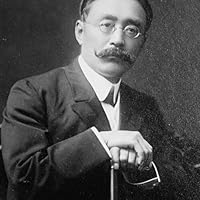
Inazō Nitobe
Nitobe Inazō (新渡戸 稲造; 1862 – 1933) was a Japanese agronomist, diplomat, political scientist, politician, and writer. His father Nitobe Jūjirō was a samurai and retainer to the local daimyō of the Nanbu clan. His grandfather was Nitobe Tsutō and his great-grandfather was Nitobe Denzō (Koretami). He was converted to Christianity under the strong legacy left by William S. Clark, the first Vice-Principal of the College, who had taught in Sapporo for eight months before Nitobe's class arrived in the second year after the opening ofthe college and so they never personally crossed paths. When the League of Nations was established in 1920, Nitobe became one of the Under-Secretaries General of the League, and moved to Geneva, Switzerland. Nitobe, however, is perhaps most famous in the west for his work Bushido: The Soul of Japan (1900), which was one of the first major works on samurai ethics and Japanese culture written originally in English for Western readers (The book was subsequently translated into Japanese and many other languages).
30 Books Written

Chivalry is a flower no less indigenous to the soil of Japan than its emblem, the cherry blossom; nor is it a dried-up specimen of an antique virtue preserved in the herbarium of our history. It is still a living object of power and beauty among us; and if it assumes no tangible shape or form, it not the less scents the moral atmosphere, and makes us aware that we are still under its potent spell. The conditions of society which brought it forth and nourished it have long disappeared.


Collected here in one edition are two of the most important books on the Samurai Way, Bushido: The Soul of Japan and The Book of Five Rings. Bushido: Chivalry is a flower no less indigenous to the soil of Japan than its emblem, the cherry blossom; nor is it a dried-up specimen of an antique virtue preserved in the herbarium of our history. It is still a living object of power and beauty among us. The Book of Five Rings: There are various Ways. There is the Way of salvation by the law of Buddha, the Way of Confucius governing the Way of learning, the Way of healing as a doctor, as a poet teaching the Way of Waka, tea, archery, and many arts and skills. Generally speaking, the Way of the warrior is resolute acceptance of death.


Samurai lived by a code of honor and a fierce loyalty to their master. Explore the code of the Samurai and discover the virtues that governed their lives. Loyalty, Respect, Honor and Compassion are just a few of the virtues laid out in Bushido, The Way of the Warrior. In Japanese Spirituality you will learn the virtues of Bushido, discover the religion suited perfectly for the Samurai ethic and uncover the mysterious Tea Ceremony. Japanese Spirituality contains the following books as well as illustrations, pictures interactive table of contents and more.Bushido, Inazo Nitobe:Nitobé eloquently explains the persistence of feudal Japan's morals, ethics, and etiquette into modern times. He takes a far-reaching approach, drawing examples from indigenous traditions — Buddhism, Shintoism, Confucianism, and the philosophies of samurai and sages — as well as from ancient and modern Western thinkers. Religion of the Samurai, Kaiten Nukariya:Zen was uniquely suited to the Samurai of Japan. The high moral principles of Buddhism, when adopted and adapted by the Japanese warriors who became the Samurai, created an austere philosophy of singular beauty and depth. Its characteristic requirements of strict control over body and mind was exemplified by ancient warrior monks whose serene countenance, even in the face of certain death, made them much admired even by their foes. The Book of Tea, Kakuzo Okakura:Japanese scholar, writer and art curator Kakuzo Okakura (1862-1913), who spent years writing about Japanese art and culture, was one of the principal founders of the first Japanese fine arts academy. He traveled to Boston in the early 1900's, where he became the first head of the Asian Arts Division at the Museum of Fine Arts. He was friends with influential figures of the day, including art collector Isabella Stewart Gardner, poet Ezra Pound, and philosopher Martin Heidegger. Religion in Japan, George A. Cobbold:Religion in Japan: Shintoism-Buddhism- Christianity was written by the Reverend George Augustus Cobbold (1857-? ). "It may well be questioned whether, in the course of a like period of time, any country has ever undergone greater transitions, or made more rapid strides along the path of civilization than has Japan during the last quarter of a century. A group of numerous islands, situated on the high-road and thoroughfare of maritime traffic across the Pacific, between the Eastern and Western hemispheres, and in area considerably exceeding Great Britain and Ireland, -Japan, until thirty years ago, was a terra incognita to the rest of the world; exceeding even China in its conservatism and exclusiveness. "

Written in 1912 by a leading Japanese academic who was educated in the US, the book introduces the land and the people of Japan, her history, religions and moral ideas with particular attention to U.S - Japanese relations.

This volume collects together essays and lectures given by the author from 1922-1927 to a variety of international audiences. Together they illuminate essential aspects of the Japanese mentality and way of life, particularly in social, religious and linguistic aspects.

明治から大正にかけて活躍した教育者、農学者、倫理哲学者である新渡戸稲造の随筆。初出は1907(明治20)年。教育の目的とは何か。前半では、一般的に知られる「職業を求めること」を含めた5つの項目が挙げられ、海外や日本での教育や学問、身近な地域社会を例に述べられる。後半では、その教育法を3つに大別し、有名な物語を交えて説明がされる。著者の教育への先見がうかがえる作品。


Bushido, The Soul of Japan (annotated and illustrated): The Way of the Samurai Through Nitobe's Classic: Unlock the Secret Wisdom of the Samurai
by Inazō Nitobe
Rating: 4.0 ⭐
Discover the essence of Bushido, the ancient code of Japan’s samurai, through this fully annotated and illustrated edition with carefully selected illustrations that beautifully complement Nitobe’s thoughts. This enhances your understanding of Japan’s warrior code and its lasting influence on Japanese culture.Discover the seven virtues of the Samurai and more. Delve into the core principles of Bushido, the timeless values that shaped Japan's warrior class.Rectitude, justice (Gi 義): Act fairly and honestly.Courage, bravery (Yu 勇): The ability to face danger with strength and determination.Benevolence (Jin 仁): Be compassionate and help others selflessly.Respect, etiquette (Rei 礼): Show respect and etiquette towards everyone, even enemies.Honesty (Makoto 誠): Be sincere and act with transparency in all circumstances.Honor (Meiyo 名誉): Maintain integrity and fulfill promisesLoyalty (Chugi 忠義): Be faithful to oneself, one's superiors, and the causes one defends.This book contains beautiful, carefully curated illustrations that bring the text to life and visually enhance the reader's connection to the samurai spirit.With an introduction and detailed annotations from the Editor, Fernando Aixa—a renowned experienced in martial arts—, explaining the historical and social context of Bushido and the Japanese terms used in the text. This edition is a must-have for martial arts and history enthusiasts, whether you are studying martial arts, Japanese culture, or Eastern philosophy. It offers a profound and engaging exploration of Bushido.Don't miss it! Purchase your copy of “Bushido, The Sould of Japan” today and enjoy reading it. It will help you understand the mysterious path of the way of the samurai.

The Martial Strategists "Samurai Pack" consists of Bushido and The Book of 5 Rings Deluxe with Zen, Mind Control. 3 popular titles, 5 CDs total put together in one discounted package Bushido - The Soul of Japan outlines the fundamentals of Oriental marital training, virtue, and philosophy. It is useful for business, sports, and virtually any competitive situation. This audiobook explains the discipline, physical, and moral training of the Japanese warrior and its integration into Japanese culture. It can help you create successful, honorable, and respectable, actions and campaigns. The complimentary audiobook Gorin No Sho, The Book of 5 Rings is unequaled in learning about and dealing with the infinite details of competition especially in real combat (martial arts or war, individual or group). Starting at 13 years old, Musashi Miyamoto fought over 60 life and death battles - never losing! Gorin No Sho - The Book of 5 Rings outlines the fundamentals of Kendo and marital training as proven successful in actual combat by Japan's Greatest Samurai - Musashi Miyamoto. You will readily understand how these strategies are useful for business, sports, and virtually any competitive situation. From black spots, to rhythms, to positioning, to psyching your opponent out and dozens more - you will learn practical strategies to win. This audiobook explains practical combat theories, training, and execution. It is an original translation and absolutely unique - IT IS ACCURATELY AND MINIMALLY INTERPRETED! This is the only truly unabridged audiobook CD version available of this classic master work. ARE YOU READY TO TAKE CONTROL OF YOUR MIND and Thus YOUR LIFE AND CIRCUMSTANCES? Are you ready to look within yourself and find the source and solution to your problems or happiness? Do you want strength, peace, and truth in your relationships and life? Zen Mind Control is chapter 8 ( Zen Mind Training ) from Zen, The Religion of the Samurai. It is a straightforward, non dogmatic and practical work on Zen Buddhism that is accessible and USEFUL. This audiobook can change your life. THIS AUDIOBOOK ONLY CONTAINS THE UNABRIDGED CHAPTER 8 OF THE BOOK ("The Training of the Mind and The Practice of Meditation"). Chapter 8 is probably the most important in the book as it actually goes into the specifics of using Zen in a practical way to better your life. Martial Strategists, a specialty division of Infofount, are strategy specialists and translate, obtain, and rewrite the most useful versions of classic military and strategy texts available. We have been told our audiobooks are unequaled for entertainment, practical application, and value. More information on the individual titles and complete Motivational and Transformational audiobook sets is available at www.InfoFount.com Contents include (partial list) Bushido as an Ethical System; Sources of Bushido; Rectitude or Justice; Courage, the Spirit of Daring and Bearing; Benevolence, the Feeling of Distress; Politeness; Veracity or Truthfulness; Honor; The Duty of Loyalty; Education and Training of a Samurai; Self-Control; The Institutions of Suicide and Redress; The Sword, the Soul of the Samurai; The Training and Position of Woman. The Book of 5 Rings contents include The Ground Chapter, The Water Chapter, The Fire Chapter, The Wind Chapter, The Ku / Sky Chapter. Contents from Zen Mind Control include (partial) The First Step in the Mental Training; The Next Step in the Mental Training; The Third Step in the Mental Training; Zazen, or the Sitting in Meditation; The Breathing Exercise of the Yogi; Calmness of Mind; Zazen and the Forgetting of Self; Zen and Supernatural Power; True Dhyana; Let Go of Your Idle Thoughts; 'The Five Ranks of Merit'. More information on the web at Infofount

Bushido è il nome con cui, soprattutto a partire dall'Ottocento, in Giappone si indica "la via del guerriero", un insieme di precetti morali rivolti ai norme pratiche e atteggiamenti spirituali cui un vero guerriero avrebbe dovuto ispirare i propri comportamenti. Una sorta di codice cavalleresco orientale. Siamo nel 1899. Il Giappone, aperto al mondo già da qualche decennio, sente il bisogno di ritrovare una sua identità e Nitobe scrive in inglese un testo incisivo, da subito di enorme successo, che ancora non ha smesso di stimolare la fantasia dei lettori occidentali. Al di là del contesto storico che lo ha prodotto, Bushido è un classico per capire un Paese che ancora oggi ci affascina. Mentre parla di rettitudine, coraggio, benevolenza, cortesia, onestà, onore, lealtà, dominio di sé, Nitobe fa da interprete tra il Giappone e l'Occidente offrendo una chiave per penetrare l'anima di un popolo e molti aspetti della sua cultura, e interrogarsi così sul presente e il futuro del mondo.Lorenzo Nespoli introduce In 10 parole chiave Bushido. L'anima del Giappone.


Leather Binding on Spine and Corners with Golden Leaf Printing on round Spine (extra customization on request like complete leather, Golden Screen printing in Front, Color Leather, Colored book etc.) Reprinted in 2018 with the help of original edition published long back [1911]. This book is printed in black & white, sewing binding for longer life, Printed on high quality Paper, re-sized as per Current standards, professionally processed without changing its contents. As these are old books, we processed each page manually and make them readable but in some cases some pages which are blur or missing or black spots. If it is multi volume set, then it is only single volume, if you wish to order a specific or all the volumes you may contact us. We expect that you will understand our compulsion in these books. We found this book important for the readers who want to know more about our old treasure so we brought it back to the shelves. Hope you will like it and give your comments and suggestions. - Japanese, Pages 668. EXTRA 10 DAYS APART FROM THE NORMAL SHIPPING PERIOD WILL BE REQUIRED FOR LEATHER BOUND BOOKS. COMPLETE LEATHER WILL COST YOU EXTRA US$ 25 APART FROM THE LEATHER BOUND BOOKS. {FOLIO EDITION IS ALSO AVAILABLE.} Complete Shūyō / Nitobe Inazō.,修養 / 新渡戶稲造. 1911 Nitobe, Inazō, -., 新渡戶稲造, -.


明治から大正にかけて活躍した教育者、農学者、倫理哲学者である新渡戸稲造の随筆。初出は「道」[日本協会、1913(大正2)年]。日米で行われた講師の交換から戻ってきた著者が、それぞれの社会を比較している。西洋人には精神的余裕があり、腹を割った話をできるが、日本人ではそうはいかない。日本における形式的養育が日本と西洋との差を助長しているのではないかと述べている。

このコンテンツは日本国内ではパブリックドメインの作品です。印刷版からデジタル版への変換はボランティアによって行われたものです。

The Soul of Japan Complete Illustrated Book by Inazo Nitobe is a definitive exploration of the samurai code of honor, revealing the ethical foundations of Bushido, the guiding philosophy of Japan’s feudal warriors. Originally published in 1900, this classic text introduces Western audiences to the moral principles that shaped the samurai spirit, including honor, loyalty, discipline, courage, and self-sacrifice. Inazo Nitobe, a respected scholar, educator, and diplomat, wrote this influential work to bridge Eastern and Western traditions, drawing comparisons between Bushido and European chivalry to showcase its universal relevance.Rooted in Confucianism, Buddhism, and Shintoism, Bushido explores key virtues such as justice, integrity, self-control, and duty, illustrating how these principles defined samurai culture and shaped Japanese history. Nitobe examines rituals of honor, the role of the sword, and the philosophy of life and death that guided samurai warriors. This book remains essential for those interested in Japanese philosophy, martial arts ethics, and warrior traditions, offering insight into the spiritual and moral fabric of Japan’s feudal past.Timeless and thought-provoking, The Soul of Japan continues to influence modern martial arts, leadership principles, and ethical philosophy worldwide. Whether you are a historian, martial artist, philosophy enthusiast, or student of Japanese culture, this book provides an in-depth understanding of the samurai code and its enduring legacy. This edition preserves Nitobe’s original text, ensuring that readers can appreciate its historical significance and profound wisdom.


「われ太平洋の架け橋たらん」と志した新渡戸稲造博士の名著『武士道』『修養』『自警録』の3冊を、読みやすく新字新仮名、ルビ、注釈付きで、初めて全巻セットで電子化。日本人の道徳観と精神性、日本文化の源流を英文で鮮やかに示し、世界的なベストセラーとなった『武士道』は格調高い矢内原忠雄訳。若い読者に人生の要諦を説いた『修養』『自警録』とともに、教育家であり真の国際人、そして教養人でもあった新渡戸氏の処世・人生哲学のすべてを味わっていただけます。 【目次】 ●『武士道』(矢内原忠雄訳) 訳者序 第一版序 増訂第十版序 緒言 第一章 道徳体系としての武士道 第二章 武士道の淵源 第三章 義 第四章 勇・敢為堅忍の精神 第五章 仁・惻隠の心 第六章 礼 第七章 誠 第八章 名誉 第九章 忠義 第十章 武士の教育および訓練 第十一章 克己 第十二章 自殺および復仇の制度 第十三章 刀・武士の魂 第十四章 婦人の教育および地位 第十五章 武士道の感化 第十六章 武士道はなお生くるか 第十七章 武士道の将来 人名索引および注 ●『修養』 序 総説 第一章 青年の特性 第二章 青年の

Joshi kyoiku ni tsuite
by Inazō Nitobe
このコンテンツは日本国内ではパブリックドメインの作品です。印刷版からデジタル版への変換はボランティアによって行われたものです。

Konseifu no kyoiku
by Inazō Nitobe
このコンテンツは日本国内ではパブリックドメインの作品です。印刷版からデジタル版への変換はボランティアによって行われたものです。

Heimindo
by Inazō Nitobe
このコンテンツは日本国内ではパブリックドメインの作品です。印刷版からデジタル版への変換はボランティアによって行われたものです。

Kyoiku no saidaimokuteki
by Inazō Nitobe
明治から大正にかけて活躍した教育者、農学者、倫理哲学者である新渡戸稲造の論文。初出は「精神修養」[精神修養社、1911(明治44)年]。前半では学問と常識による知識について述べられ、教育の目的が何であるか論じている。後半では仏国、英国、独逸の学校教育の現状から、日本の教育はどうであるか、また、教育者が注意すべきことは何なのか論じられている。

Kyoikuka no kyoiku
by Inazō Nitobe
明治から大正にかけて活躍した教育者、農学者、倫理哲学者である新渡戸稲造の随筆。初出は「帝国六大教育家」[博文館、1970(明治40)年]。志が現金的な教育屋とそれとは異なる教育家。技術的な教育と修養的な教育を比較し、教育家が教育をするときに必要なこと、授業に対して受動的な子供に、疑問を持たせ発言させる工夫の重要性が語られている。

Tozai aifurete
by Inazō Nitobe
明治から大正にかけて活躍した教育者、農学者、倫理哲学者である新渡戸稲造の論文。初出は「東西相触れて」[実業之日本社、1928(昭和3)年]。東と西、左と右は相対するように思えるが、実は、区別があるようで区別がない。東洋と西洋はどこを基準に区別されるか、歴史や地理から考えた例を挙げ、その区別がどんなに曖昧なのかを述べている。これをもとに、東洋人と西洋人の融和を論じた作品。

Shin no aikokushin
by Inazō Nitobe
明治から大正にかけて活躍した教育者、農学者、倫理哲学者である新渡戸稲造の論文。初出は「実業之日本」[実業之日本社、1925(大正14)年]。日本と各国の国民性を比較し、詩や故事を引用しながら国家や国と人々の在り方を考える。著者がクリスチャンでもあることから旧約全書にも触れた内容になっている。国を愛すること、国を憂うこと、愛国心を現わすとはどういうことなのか。また、世界を見据えた「国」の在り方を述べている。

Jinkaku no yosei
by Inazō Nitobe
明治から大正にかけて活躍した教育者、農学者、倫理哲学者である新渡戸稲造の随筆。初出は「をんな」[大日本女学、1905(明治38)年]。知識を得ても、それを応用する読書力を失わないようにしなければならない。政治の問題や生活の問題、人生の解釈といった大切な問題、それぞれに対処する方針を誤らないよう、知識や読書力で人格を高めてほしい、と卒業生に向けられた作品。

Bushido, the Soul of Japan
by Inazō Nitobe