Loading genres...
Explore the best books about Drugs genre.


Naked Lunch is one of the most important novels of the twentieth century, a book that redefined not just literature but American culture. An unnerving tale of a narcotics addict unmoored in New York, Tangier, and ultimately a nightmarish wasteland known as Interzone, its formal innovation, taboo subject matter, and tour de force execution have exerted a significant influence on authors like Thomas Pynchon, J. G. Ballard, and William Gibson; on the relationship of art and obscenity; and on the shape of music, film, and media generally. Naked Lunch: The Restored Text includes many editorial corrections to errors present in previous editions, and incorporates Burroughs’s notes on the text, several essays he wrote over the years about the book, and an appendix of 20 percent new material and alternate drafts from the original manuscript, which predates the first published version. For the Burroughs enthusiast and the neophyte, this volume is a valuable and fresh experience of this classic of our culture.

A Doctor's Revolutionary Research into the Biology of Near-Death & Mystical Experiences.A clinical psychiatrist explores the effects of DMT: A behind-the-scenes look at the cutting edge of psychedelic research.From 1990 to 1995 Dr. Rick Strassman conducted US DEA-approved clinical research at the University of New Mexico in which he injected 60 volunteers with DMT, one of the most powerful psychedelics known. His detailed account of those sessions is an inquiry into the nature of the human mind and the therapeutic potential of psychedelics. DMT, a plant-derived chemical that is also manufactured by the human brain, consistently produced near-death and mystical experiences. Many volunteers reported convincing encounters with intelligent nonhuman presences, especially "aliens." Nearly all felt that the sessions were among the most profound experiences of their lives.Strassman's research connects DMT with the pineal gland, considered by Hindus to be the site of the seventh chakra and by René Descartes to be the seat of the soul. DMT: The Spirit Molecule makes the case that DMT, naturally released by the pineal gland, facilitates the soul's movement in and out of the body and is an integral part of the birth and death experiences, as well as the highest states of meditation and even sexual transcendence. Strassman also believes that alien abduction experiences are brought on by accidental releases of DMT. If used wisely, DMT could trigger a period of remarkable progress in the scientific exploration of the most mystical regions of the human mind and soul.

A Radical History of Plants, Drugs & Human EvolutionFor the first time in paperback, the counterculture manifesto on mind-altering drugs & hallucinogens. Illustrated.

From Chocolate to Morphine is the definitive guide to drugs and drug use from one of America’s most respected and best-known doctors. This enormously popular book — the best and most authoritative resource for unbiased information about how drugs affect the mind and the body — covers a wide range of available substances, from coffee to marijuana, antihistamines to psychedelics, steroids to smart drugs, and discusses likely effects, precautions, and alternatives. Now expanded and updated to cover such drugs as oxycontin, Ecstasy, Prozac, and ephedra and to address numerous ongoing issues, including the United States’ war on drugs, marijuana for therapeutic use, the overuse of drugs for children diagnosed with ADHD, and more, From Chocolate to Morphine is an invaluable resource.

Tom Wolfe's genre-defining magical mystery tour through the 1960s published in Vintage Classics for the first time to mark its fiftieth anniversary.WITH AN INTRODUCTION BY JARVIS COCKERIn the summer of 1964, author Ken Kesey and his Merry Band of Pranksters set out on an awesome social experiment like no other. Blazing across America in their day-glo schoolbus, doped up and deep ‘in the pudding’, the Pranksters’ arrival on the scene – anarchic, exuberant and LSD-infused – would turn on an entire counter-culture, and provide Tom Wolfe with the perfect free-wheeling subject for this, his pioneering masterpiece of New Journalism.' The Electric Kool-Aid Acid Test is not simply the best book on the hippies, it is the essential book...the pushing, ballooning heart of the matter' New York Times

A continuation of the classic PIHKAL, TIHKAL focuses on the family of psychoactive drugs in the tryptamine family and provides a blend of biography, botanical facts, scientific speculation, and psychological and political commentary written by renowned psychopharmacologist Alexander Shulgin and his wife Ann Shulgin. Where PiHKAL focuses on a class of compounds called phenethylamines, TiHKAL is written about a family of psychoactive drugs known as tryptamines with TiHKAL being an acronym for Tryptamines I Have Known and Loved". Like its predecessor, it is divided into two parts. The first part of the book begins with the story of Alice and Shura, a fictionalized autobiography, which picks up where the similar section of PiHKAL left off. The book opens with the story about the DEA raid that occurred a few years after the publication of their first book, PiHKAL. It's a window into the DEA, the institutional aspect and human side of it as well, and the price that Shura and Alice pay for doing what they do, including exercising their first amendment rights. It then continues with a collection of essays on topics ranging from psychotherapy and the Jungian mind, to the prevalence of DMT in nature, ayahuasca, the War on Drugs, and even the Big Bang. It is a blend of travel, botanical facts, scientific speculation, psychological and political commentary. It is fascinating getting to know the mind of the man behind the compounds - his thoughts on science, technology, law, and society. And the mind of the woman who brought his work and their story into the light of the world. The second part of TiHKAL is "The Chemistry Continues". It is a detailed manual for 55 psychedelic compounds (many discovered by Shulgin himself). For each compound there is information on synthesis, effective dosage, duration of effects, and commentary on the subjective effects that were experienced. The Shulgin's' two big books span autobiography, organic chemistry, politics, ethnobotany and psychopharmacology and the cultural impact of these works has been profound and will continue to be so in the future.

Pihkal (phenethylamines I have known and loved) is a unique book written by renowned psychopharmacologist Alexander shulgin and his wife Ann shulgin. This book gives details of their research and investigations into the use of psychedelic drugs for the study of the human mind, and is also a love story. The second half of the book describes in detail a wealth of phenethlyamines, their physical properties, dosages used, duration of effects observed, and commentary on effects.

Here is a multidimensional playland of ideas from the world's most eccentric Nobel-Prize winning scientist. Kary Mullis is legendary for his invention of PCR, which redefined the world of DNA, genetics, and forensic science. He is also a surfer, a veteran of Berkeley in the sixties, and perhaps the only Nobel laureate to describe a possible encounter with aliens. A scientist of boundless curiosity, he refuses to accept any proposition based on secondhand or hearsay evidence, and always looks for the "money trail" when scientists make announcements.Mullis writes with passion and humor about a wide range of from global warming to the O. J. Simpson trial, from poisonous spiders to HIV, from scientific method to astrology. Dancing Naked in the Mind Field challenges us to question the authority of scientific dogma even as it reveals the workings of an uncannily original scientific mind.

The story of a remarkable spiritual journey, the first awesome steps on the road to becoming "a man of knowledge," the road that continues with A Separate Reality and Journey to Ixtlan. Includes the teachings and a structural analysis.

The secretive Mysteries conducted at Eleusis in Greece for nearly two millennia have long puzzled scholars with strange accounts of initiates experiencing otherworldly journeys. In this groundbreaking work, three experts—a mycologist, a chemist and a historian—argue persuasively that the sacred potion given to participants in the course of the ritual contained a psychoactive entheogen. The authors then expand the discussion to show that natural psychedelic agents have been used in spiritual rituals across history and cultures. Although controversial when first published in 1978, the book’s hypothesis has become more widely accepted in recent years, as knowledge of ethnobotany has deepened. The authors have played critical roles in the modern rediscovery of entheogens, and The Road to Eleusis presents an authoritative exposition of their views. The book’s themes of the universality of experiential religion, the suppression of that knowledge by exploitative forces, and the use of psychedelics to reconcile the human and natural worlds make it a fascinating and timely read. This 30th anniversary edition includes an appreciative preface by religious scholar Huston Smith and an updated exploration of the chemical evidence by Peter Webster.

Intense, unpredictable, and instantly engaging, this is a story of drug and alcohol abuse and rehabilitation as it has never been told before. It is also the introduction of a bold and talented literary voice. Before considering reading this book, please see the BookBrowse note on the book jacket/review page.BookBrowse Note: January 9th 2006: An article in the Smoking Gun claimed that James Frey (author of A Million Little Pieces and My Friend Leonard) fabricated key parts of his books. They cited police records, court documents and interviews with law enforcement agents which belie a number of Frey's claims regarding criminal charges against him, jail terms and his fugitive status.In an interview with the Smoking Gun, Frey admitted that he had 'embellished central details' in A Million Little Pieces and backtracked on claims he made in the book.January 26th 2006. Frey's publisher stated that while it initially stood by him, after further questioning of the author, the house has "sadly come to the realization that a number of facts have been altered and incidents embellished." It will be adding a a publisher's note and author's note to all future editions of A Million Little Pieces.

Psychedelics for spiritual, therapeutic, and problem-solving use - Presents practices for safe and successful psychedelic voyages, including the benefits of having a guide and how to be a guide - Reviews the value of psychedelics for healing and self-discovery as well as how LSD has facilitated scientific and technical problem-solving - Reveals how ultra-low doses improve cognitive functioning, emotional balance, and physical stamina This year 600,000 people in the U.S. alone will try LSD for the the first time, joining the 23 million who have already experimented with this substance. Called "America's wisest and most respected authority on psychedelics and their use," James Fadiman has been involved with psychedelic research since the 1960s. In this guide to the immediate and long-term effects of psychedelic use for spiritual (high dose), therapeutic (moderate dose), and problem-solving (low dose) purposes, Fadiman outlines best practices for safe, sacred entheogenic voyages learned through his more than 40 years of experience--from the benefits of having a sensitive guide during a session (and how to be one) to the importance of the setting and pre-session intention.Fadiman reviews the newest as well as the neglected research into the psychotherapeutic value of visionary drug use for increased personal awareness and a host of serious medical conditions, including his recent study of the reasons for and results of psychedelic use among hundreds of students and professionals. He reveals new uses for LSD and other psychedelics, including extremely low doses for improved cognitive functioning and emotional balance. Cautioning that psychedelics are not for everyone, he dispels the myths and misperceptions about psychedelics circulating in textbooks and clinics as well as on the internet. Exploring the life-changing experiences of Ram Dass, Timothy Leary, Aldous Huxley, and Huston Smith as well as Francis Crick and Steve Jobs, Fadiman shows how psychedelics, used wisely, can lead not only to healing but also to scientific breakthroughs and spiritual epiphanies.

In fascinating detail, Sam Quinones chronicles how, over the past 15 years, enterprising sugar cane farmers in a small county on the west coast of Mexico created a unique distribution system that brought black tar heroin—the cheapest, most addictive form of the opiate, 2 to 3 times purer than its white powder cousin—to the veins of people across the United States. Communities where heroin had never been seen before—from Charlotte, NC and Huntington, WVA, to Salt Lake City and Portland, OR—were overrun with it. Local police and residents were stunned. How could heroin, long considered a drug found only in the dense, urban environments along the East Coast, and trafficked into the United States by enormous Colombian drug cartels, be so incredibly ubiquitous in the American heartland? Who was bringing it here, and perhaps more importantly, why were so many townspeople suddenly eager for the comparatively cheap high it offered?With the same dramatic drive of El Narco and Methland, Sam Quinones weaves together two classic tales of American capitalism: The stories of young men in Mexico, independent of the drug cartels, in search of their own American Dream via the fast and enormous profits of trafficking cheap black-tar heroin to America’s rural and suburban addicts; and that of Purdue Pharma in Stamford, Connecticut, determined to corner the market on pain with its new and expensive miracle drug, Oxycontin; extremely addictive in its own right. Quinones illuminates just how these two stories fit together as cause and effect: hooked on costly Oxycontin, American addicts were lured to much cheaper black tar heroin and its powerful and dangerous long-lasting high. Embroiled alongside the suppliers and buyers are DEA agents, local, small-town sheriffs, and the US attorney from eastern Virginia whose case against Purdue Pharma and Oxycontin made him an enemy of the Bush-era Justice Department, ultimately stalling and destroying his career in public service.Dreamland is a scathing and incendiary account of drug culture and addiction spreading to every part of the American landscape.

In this highly original book, a bestseller in Germany, Norman Ohler investigates the murky, chaotic world of drug use in the Third Reich. There have been other books on Dr Morell's cocktail of treatments for Hitler and Goering's reliance on drugs, but Ohler's book is the first to show how the entire Nazi regime was permeated with drugs - cocaine, heroin, morphine and methamphetamines, the last of these crucial to troops' resilience and partly explaining German victory in 1940. Ohler is explicit that drugs cannot explain Third Reich ideology, but their promiscuous use impaired and confused decision-making, with drastic effects on Hitler and his entourage, who, as the war turned against Germany, took refuge in ever more poorly understood cocktails of stimulants. This chemical euphoria changes how we should think about the Nazi high command and its ability to understand the situation it found itself in by 1944-45. As such Blitzed will force a wider reinterpretation of several key events during the Second World War.

Game of Barry Bonds, BALCO, and the Steroids Scandal that Rocked Professional Sports by Fainaru-Wada, Mark, Williams, Lance [Gotham, 2007] ( Paperback ) [Paperback]

The crime-infested intersection of West Fayette and Monroe Streets is well-known--and cautiously avoided--by most of Baltimore. But this notorious corner's 24-hour open-air drug market provides the economic fuel for a dying neighborhood. David Simon, an award-winning author and crime reporter, and Edward Burns, a 20-year veteran of the urban drug war, tell the chilling story of this desolate crossroad.Through the eyes of one broken family--two drug-addicted adults and their smart, vulnerable 15-year-old son, DeAndre McCollough, Simon and Burns examine the sinister realities of inner cities across the country and unflinchingly assess why law enforcement policies, moral crusades, and the welfare system have accomplished so little. This extraordinary book is a crucial look at the price of the drug culture and the poignant scenes of hope, caring, and love that astonishingly rise in the midst of a place America has abandoned.

The fabled 1964 cross-country bus trip of Ken Kesey and the Merry Pranksters - on a psychedelically painted school bus crammed with amplifiers, cameras, costumes, and assorted contraband as cargo and Beat legend Neal Cassady at the wheelmarked the irreversible end of the "Eisenhower Era, " and set an American cultural revolution in motion. On the Bus is a celebration of the unforgettable exploits of the Merry Pranksters, immortalized in Tom Wolfe's bestselling book. In this engrossing popular history, the spirit of the era is captured in a remarkable living chronicle, combining analysis and history with colorful additional narrative by Kesey sidekick Ken Babbs. It features over 100 never-before-seen photos by Prankster photographer Ron Bevirt, Allen Ginsberg, and others, alongside candid and insightful interviews with participants and leading countercultural figures.

Neither a just say no treatise nor a how-to manual, this easy-to-read handbook is based on the conviction that the well-informed make better decisions. It provides information on how drugs enter the body, how they manipulate the brain, their short- & long-term effects, the high they produce & the circumstances in which they can be deadly. psychological & pharmacological research on drugs. Whether the reader is a student confronted by drugs for the first time, an accountant reaching for another cup of coffee, or a health educator, this book aims to provide a clear understanding of how drugs work & the consequences of their use.

The Yage an early epistolary novel by William S. Burroughs, whose 1952 account of himself as Junkie, published under the pseudonym William Lee, ended "Yage may be the final fix." In letters to Allen Ginsberg, an unknown young poet in New York, his journey to the Amazon jungle is recorded, detailing picaresque incidents of search for telepathic-hallucinogenic-mind-expanding drug Yage (Ayahuasca, or Banisteriopsis Caapé) used by Amazon Indian doctors for finding lost objects, mostly bodies and souls. Author and recipient of these letters met again in New York, Xmas 1953, pruned and edited the writings to form a single book. Correspondence contains first seeds of later Burroughsian fantasy in Naked Lunch. Seven years later Ginsberg in Peru writes his old guru an account of his own visions and terrors with the same drug, appealing for further counsel. Burroughs' mysterious reply is sent. The volume concludes with two a short note from Ginsberg on his return from the Orient years later reassuring Self that he is still here on earth, and a final poetic cut-up by Burroughs, "I Am Dying Meester?"

Like a lovely psychedelic sophist, McKenna recounts his adventures with psychoactive plants in the Amazon Basin. Either a profoundly psychotic episode or a galvanizing glimpse into the true nature of time & mind, McKenna is a spellbinding storyteller, providing plenty of down-to-earth reasons for preserving the planet.Preface1 The Call of the Secret2 Into the Devil's Paradise3 Along a Ghostly Trail 4 Camped by a Doorway 5 A Brush with the Other6 Kathmandu Interlude 7 A Violet Psychofluid8 The Opus Clarified 9 A Conversation Over Saucers10 More on the Opus 11 The Experiment at La Chorrera12 In the Vortex 13 At Play in the Fields of the Lord14 Looking Backward 15 A Saucer Full of Secrets16 Return 17 Waltzing the Enigma18 Say What Does It Mean?19 The Coming of the Strophariad20 The Hawaiian Connection EpilogueAcknowledgmentsFurther Reading

With the publication of Bright Lights, Big City in 1984, Jay McInerney became a literary sensation, heralded as the voice of a generation. The novel follows a young man, living in Manhattan as if he owned it, through nightclubs, fashion shows, editorial offices, and loft parties as he attempts to outstrip mortality and the recurring approach of dawn. With nothing but goodwill, controlled substances, and wit to sustain him in this anti-quest, he runs until he reaches his reckoning point, where he is forced to acknowledge loss and, possibly, to rediscover his better instincts. This remarkable novel of youth and New York remains one of the most beloved, imitated, and iconic novels in America.

A stunning exposé of official hypocrisy, The Politics of Heroin probes the failure of the U.S. “war on drugs” and meticulously documents CIA complicity in international drug trafficking both during and after the Cold War – in Afghanistan, Southeast Asia, Central America, and Latin America. The consequences of this complicity are evident today in an eruption of heroin trafficking worldwide, just as the legacy of the CIA’s covert wars is manifest in vast regions that have become black holes of global instability.After five U.S. drug wars at a cost of over $150 billion, production and consumption of narcotics are currently at record levels. Drug prosecutions in America have packed our prisons without curtailing drug use. This book confronts the utter failure of U.S. drug policy at home and abroad, and raises disturbing questions about the future role of the Central Intelligence Agency in U.S. foreign policy.

A pioneering and revolutionary book that lays the foundation for a radical new psychology, based on an expanded cartography of the human unconsciousness. Famous for his lifelong research into psychedelic drugs, Dr. Grof constructs a comprehensive and helpful framework out of the bewildering welter of experiences triggered by LSD in patients and research subjects. Current research into the brain and ways of expanding consciousness give this seminal book, first published in 1979, new importance for the light it throws on many fundamental, but hitherto mysterious, human potentialities. Grof's theory of the human psyche transcends the personal and opens ways to a greater understanding of our inner selves.

Dr Charles T. Tart (b. '37) is known for work on the nature of consciousness & altered states, as a founder of transpersonal psychology & for research in scientific parapsychology. His Altered States of Consciousness ('69) & Transpersonal Psychologies ('75), are widely used texts instrumental in making these areas part of modern psychology. He's currently ('05) a Core Faculty Member at the Inst. of Transpersonal Psych. (Palo Alto) & a Sr Research Fellow of the Inst. of Noetic Sciences (Sausalito), as well as Prof. Emeritus of Psych. at the U. of California, Davis, where he served for 28 years & emeritus member of the Monroe Inst. board of advisors. He was the holder of the Bigelow Chair of Consciousness Studies at the U. of Nevada in Las Vegas & has served as a Visiting Prof. in East-West Psych. at the California Inst. of Integral Studies, as an Instructor in Psychiatry at the School of Medicine of the U. of Virginia & a consultant on government funded parapsychological research at the Stanford Research Inst. (SRI Internat'l).Introduction1 Some general views on altered states of consciousnessAltered states of consciousness/ Arnold M. LudwigDeautomatization & the mystic experience/ Arthur J. Deikman A special inquiry w/Aldous Huxley into the nature & character of various states of consciousness/ Milton H. Erickson2 Between waking & sleeping: the hypnagogic state. Ego functions & dreaming during sleep onset/ Gerald Vogel, David Foulkes, Harry TrosmanSome preliminary observations w/an experimental procedure for the study of hypnagogic & related phenomena/ M. Bertini, Helen B. Lewis, Herman A. Witkin3 Dream consciousness. Theories of dream formation & recent Studies of sleep consciousness/ David Foulkes Toward the experimental control of dreaming: a review of the literature/ TartA study of dreams/ Frederik van EedenDream theory in Malaya/ Kilton StewartThe 'high' dream: a new state of consciousness/ Tart4 Meditation. On meditation/ Edward W. MaupinIndividual differences in response to a zen meditation exercise/ Edward W.E. Maupin Experimental meditation/ Arthur J. Deikman Meditative techniques in psychotherapy/ Wolfgang Kretschmer5 Hypnosis. Hypnosis & the concept of the generalized reality-orientation/ Ronald E. ShorThree Dimensions of hypnotic depth/ Ronald E. ShorHypnosis, depth perception & the psychedelic experience/ Bernard S. AaronsonThe psychedelic state, the hypnotic trance & the creative act/ Stanley KrippnerPsychedelic experiences associated with a novel hypnotic procedure, mutual hypnosis/ TartAutogenic training: method, research & application in medicine/ Wolfgang Luthe6 Minor psychedelic drugs. Marijuana (cannabis) fact sheet/ Bruin Humanist ForumThe effects of marijuana on consciousness/ Anon.Psychedelic properties of genista canariensis/ James FadimanSubjective effects of nitrous oxide/ Wm JamesInhalation psychosis & related states/ Frederick B. Glaser7 Major psychedelic drugs. Current status & future trend in psychedelic research/ Robert E. MogarImplications of LSD & experimental mysticism/ Walter N. Pahnke, Wm A. Richard Attitude & behavior change thru psychedelic drug use/ Joseph DowningIpomoea purpurea: a naturally occurring psychedelic/ Chas Savage, Willis W. Harman, James FadimanPsychedelic agents in creative problem solving/ Willis Harman et al.Psychedelic experiences in acute psychoses/ Malcolm B. Bowers Jr, Daniel FreedmanGuide to the literature on psychedelic drugs/ Tart8 The psychophysiology of some altered states of consciousnessAn electroencephalographic study on the zen meditation (Zazen)/ Akira Kasamatsu, Tomio HiraiSome aspects of electroencephalographic studies in yogis/ B.K. Anand, G.S. Chhina, Baldev SinghOperant control of the EEG alpha rhythm & some of its reported effects on consciousness/ Joe KamiyaReferencesAuthor IndexSubject Index

The best-selling books of Andrew Weil, "the guru of alternative medicine," (San Francisco Examiner) offer a comprehensive blend of traditional and alternative methods that help to achieve better health in the modern world. A bestseller in its original edition, The Natural Mind was Dr. Andrew Weil’s frst book and the philosophical basis for all of his resulting beliefs and tenets on health, healing, and the mind. Revised and updated for the twenty-first century, The Natural Mind suggests that the desire to alter consciousness periodically is an innate, normal human drive. A landmark in his career, and in America’s approach to the drug problem in general, The Natural Mind is essential reading for anyone interested in Andrew Weil’s philosophy of integrative medicine and optimum health.

In the 1970s, two of the most influential thinkers of the psychedelic era gathered what was then known about psilocybin botany and culture and presented it in Psilocybin: Magic Mushroom Grower’s Guide . Writing under pseudonyms, the McKenna brothers provided simple, reliable, and productive methods for magic mushroom propagation, including black-and-white photographs that showed the techniques of the time. The development of more modern cultivation techniques does not eclipse the cultural contributions of this book. Philosophical asides, whimsical illustrations evoking the mystical nature of mushrooms, and speculations about the relationship of these organisms to humankind provide a lasting legacy. Truly the classic manual on home cultivation, the wisdom of Psilocybin: Magic Mushroom Grower’s Guide continues to inspire new students of psycho-mycology—and refreshes psychedelic memories for others.

From the author of GROWING GOURMET AND MEDICINAL MUSHROOMS comes the only identification guide exclusively devoted to the world's psilocybin-containing mushrooms. Detailed descriptions and color photographs for over 100 species are provided, as well as an exploration of their long-standing (and often religious) use by ancient peoples and their continued significance to modern-day culture. Some of the species included have just been discovered in the past year or two, and still others have never before been photographed in their natural habitats.

Opium Drugs Culture studies Drug policy Poppy

In Coney Island, Brooklyn, lonely widow Sarah Goldfarb wants nothing more than to lose weight and appear on a television game show. In her obsessive quest, she becomes addicted to diet pills, while her junkie son, Harry, along with his girlfriend, Marion, and best friend, Tyrone, attempt to secure an illicit shortcut to wealth and leisure by selling heroin.Entranced by the gleaming visions of their futures, these four convince themselves that unexpected setbacks are only temporary. Even as their lives slowly deteriorate around them, they cling to their delusions and become utterly consumed in a spiral of drugs and addiction, refusing to see that they have instead created their own worst nightmares."Selby's place is in the front rank of American novelists . . . To understand Selby's work is to understand the anguish of America." —The New York Times Book Review

Pharmacotheon Drogas entegenas, sus fuentes vegetales y su historia Jonathan Ott Se trata del libro multidisciplinar ms completo sobre el tema de los...

Hallucinogens and culture Peter t. Furst

What are hallucinogenic plants? How do they affect mind and body? Who uses them - and why? This unique Golden Guide surveys the role of psychoactive plants in primitive and civilized societies from early times to the present. The first nontechnical guide to both the cultural significance and physiological effects of hallucinogens, HALLUCINOGENIC PLANTS will fascinate general readers and students of anthropology and history as well as botanists and other specialists. All of the wild and cultivated species considered are illustrated in brilliant full color.

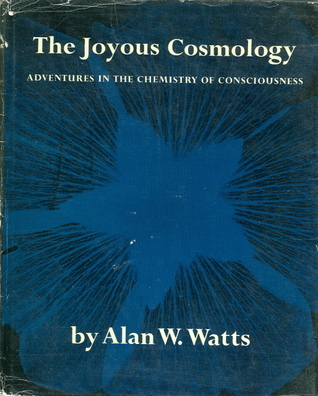
The Joyous Cosmology is Alan Watts’s exploration of the insight that the consciousness-changing drugs LSD, mescaline & psilocybin can facilitate “when accompanied with sustained philosophical reflection by a person who is in search, not of kicks, but of understanding.” More than an artifact, it is both a riveting memoir of Watts’s personal experiments & a profound meditation on our perennial questions about the nature of existence & the existence of the sacred.

A tour de force of investigative journalism-this is the story of the violent rise and fall of Pablo Escobar, the head of the Colombian Medellin cocaine cartel. Escobar's criminal empire held a nation of thirty million hostage in a reign of terror that would only end with his death. In an intense, up-close account, award-winning journalist Mark Bowden exposes details never before revealed about the U.S.-led covert sixteen-month manhunt. With unprecedented access to important players—including Colombian president Cisar Gaviria and the incorruptible head of the special police unit that pursued Escobar, Colonel Hugo Martinez-as well as top-secret documents and transcripts of Escobar's intercepted phone conversations, Bowden has produced a gripping narrative that is a stark portrayal of rough justice in the real world.

Jesus' Son, the first collection of stories by Denis Johnson, presents a unique, hallucinatory vision of contemporary American life unmatched in power and immediacy and marks a new level of achievement for this acclaimed writer. In their intensity of perception, their neon-lit evocation of a strange world brought uncomfortably close to our own, the stories in Jesus' Son offer a disturbing yet eerily beautiful portrayal of American loneliness and hope.Contains:Car Crash While HitchhikingTwo MenOut on BailDundunWorkEmergencyDirty WeddingThe Other ManHappy HourSteady Hands at Seattle GeneralBeverly Home'

Unlike Thomas Szasz, who argues forcefully for the legalization of drugs in Our Right to Drugs (Praeger, 1992), Lenson tackles this subject by meditating on the national consumerist paradigm, the way the war on drugs closed avenues for heterogeneity, the lack of a vocabulary to describe changes in a user's consciousness, the senselessness of talking about "drugs" indiscriminately, and the differences among the users, the drugs, and the effects of psychedelics, cannabis, stimulants (cocaine, crack, amphetamines), depressants (heroin), opiates, and alcohol. He contrasts drugs of pleasure to drugs of desire and believes that "to legislate against drugs of pleasure is like legislating against music, chess, golf...." Lenson says that nothing in his professional life qualifies him to write about drugs, but his style and his literary and philosophical references would pinpoint him as an academic even if he were not identified as a University of Massachusetts professor of literature, albeit one who surveys his students' usage habits. Lenson's credentials as a user were probably the impetus for this work, but they are not much evident in the text. In the national debate and reevaluation of attitudes toward drugs, this is a different kind of contribution, one that is speculative, discursive, and visionary. For academic collections.?Janice Dunham, John Jay Coll. Lib., New YorkCopyright 1995 Reed Business Information, Inc.

Award-winning author Richard Price here offers a viscerally affecting and accomplished portrait of inner-city America.Veteran homicide detective Rocco Klein's passion for the job gave way long ago. His beat is a rough New Jersey neighborhood where the drug murders blur together, until the day Victor Dunham — a twenty-year-old with a steady job and a clean record — confesses to a shooting outside a fast-food joint. It doesn't take long for Rocco's attention to turn to Victor's brother, a street-corner crack dealer named Strike who seems a more likely suspect for the crime. At once an intense mystery, and a revealing study of two men on opposite sides of an unwinnable war, Clockers is a stunningly well-rendered chronicle of modern life on the streets.

Marihuana Reconsidered. 1st published in 1971 & updated in '77, was a Harvard University Press bestseller much praised by reviewers. Noted psychiatrist Dr Lester Grinspoon methodically reviews the scientific, medical & popular literature on the effects of marihuana. Today, as the issue of legalizing marihuana for medical use is being reconsidered, this book continues to offer what has been widely acclaimed as the most comprehensive assessment of marihuana & its place in society.PrefaceAcknowledgmentsIntroductionThe history of marihuana in the United StatesFrom plant to intoxicant Chemistry & pharmacologyThe acute intoxication: literary & other reportsThe acute intoxication: its properties Motivation of the user Turning on The place of cannabis in medicineAddiction, dependence & the "stepping-stone" hypothesisPsychoses, adverse reactions & personality deteriorationCrime & sexual excessThe campaign against marihuanaThe question of legalizationAbbreviationsSelected BibliographyNotesIndex

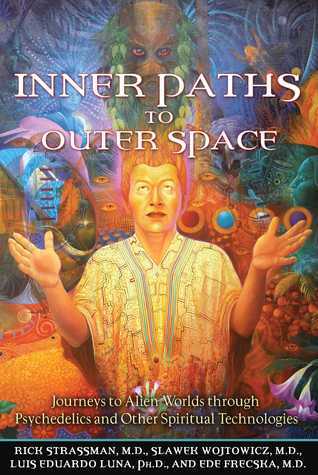
An investigation into experiences of other realms of existence and contact with otherworldly beings • Examines how contact with alien life-forms can be obtained through the “inner space” dimensions of our minds • Presents evidence that other worlds experienced through consciousness-altering technologies are often as real as those perceived with our five senses • Correlates science fiction’s imaginal realms with psychedelic research For thousands of years, voyagers of inner space--spiritual seekers, shamans, and psychoactive drug users--have returned from their inner imaginal travels reporting encounters with alien intelligences. Inner Paths to Outer Space presents an innovative examination of how we can reach these other dimensions of existence and contact otherworldly beings. Based on their more than 60 combined years of research into the function of the brain, the authors reveal how psychoactive substances such as DMT allow the brain to bypass our five basic senses to unlock a multidimensional realm of existence where otherworldly communication occurs. They contend that our centuries-old search for alien life-forms has been misdirected and that the alien worlds reflected in visionary science fiction actually mirror the inner space world of our minds. The authors show that these “alien” worlds encountered through altered states of human awareness, either through the use of psychedelics or other methods, possess a sense of reality as great as, or greater than, those of the ordinary awareness perceived by our five senses.

Get High Now is an illustrated, mind-blowing magic carpet ride of more than 175 ways to alter human perception and consciousness without drugs or alcohol. Culled from science, physiology, spiritual practices, and the audio visual arts, these "all natural" highs playfully and safely explore the mind-body connection to entertaining and illuminating effect. Accessible and well-researched, each entry introduces concepts such as lucid dreaming, optical and auditory illusions, controlled breathing, meditation, time compression, and physical and mental exercises, explaining the ways in which they affect our minds and bodies and how to do them. Readers follow the author and his "HighLab" testing team through mind-bending and sometimes hilarious investigations, such as how to lull the mind into hallucinatory states with audio loops; why multiple bee stings lead to euphoric states; what cheeses to eat to induce psychedelic lucid dreams; how to control your breathing to create an out-of-body experience; and many more. Including solo, tandem, and group highs, Get High Now features hundreds of ways to calm or stimulate the senses and open new windows to experiencing the world.

The world has watched stunned at the bloodshed in Mexico. Thirty thousand murdered since 2006; police chiefs shot within hours of taking office; mass graves comparable to those of civil wars; car bombs shattering storefronts; headless corpses heaped in town squares. And it is all because a few Americans are getting high. Or is it? The United States throws Black Hawk helicopters and drug agents at the problem. But in secret, Washington is confused and divided about what to do. Who are these mysterious figures tearing Mexico apart? they wonder. What is El Narco? El Narco draws the first definitive portrait of Mexico's drug cartels and how they have radically transformed in the last decade. El Narco is not a gang; it is a movement and an industry drawing in hundreds of thousands from bullet-ridden barrios to marijuana-growing mountains. And it has created paramilitary death squads with tens of thousands of men-at-arms from Guatemala to the Texas border. Journalist Ioan Grillo has spent a decade in Mexico reporting on the drug wars from the front lines. This piercing book joins testimonies from inside the cartels with firsthand dispatches and unsparing analysis. The devastation may be south of the Rio Grande, El Narco shows, but America is knee-deep in this conflict.

Neuropsychedelia examines the revival of psychedelic science since the "Decade of the Brain." After the breakdown of this previously prospering area of psychopharmacology, and in the wake of clashes between counterculture and establishment in the late 1960s, a new generation of hallucinogen researchers used the hype around the neurosciences in the 1990s to bring psychedelics back into the mainstream of science and society. This book is based on anthropological fieldwork and philosophical reflections on life and work in two laboratories that have played key roles in this a human lab in Switzerland and an animal lab in California. It sheds light on the central transnational axis of the resurgence connecting American psychedelic culture with the home country of LSD. In the borderland of science and religion, Neuropsychedelia explores the tensions between the use of hallucinogens to model psychoses and to evoke spiritual experiences in laboratory settings. Its protagonists, including the anthropologist himself, struggle to find a place for the mystical under conditions of late-modern materialism.

Thailand's capital, Krungtep, known as Bangkok to Westerners and "the City of Angels" to Thais, has been home to smugglers and adventurers since the late eighteenth century. During the 1970s, it became a modern Casablanca to a new generation of treasure seekers: from surfers looking to finance their endless summers to wide-eyed hippie true believers and lethal marauders leftover from the Vietnam War. Moving a shipment of Thai sticks from northeast Thailand farms to American consumers meant navigating one of the most complex smuggling channels in the history of the drug trade.Peter Maguire and Mike Ritter are the first historians to document this underground industry, the only record of its existence rooted in the fading memories of its elusive participants. Conducting hundreds of interviews with smugglers and law enforcement agents, the authors recount the buy, the delivery, the voyage home, and the product offload. They capture the eccentric personalities who transformed the Thai marijuana trade from a GI cottage industry into one of the world's most lucrative commodities, unraveling a rare history from the smugglers' perspective.

In this monograph the author relates findings from more than 30 years of experiences and observations with Bufo alvarius and 5-methoxy-dimethyltryptamine, in various user groups and individuals, both in the US and in Europe. The term underground is used in referring to the explorations with these substances, in the sense that they were hidden - out of respect for the restrictions and prohibitions of mainstream culture. These are ethnographic field reports, first-hand observations from an underground sub-culture, accompanied by the experiences of a selected number of participant-observers. It is important to recognize that in research with these and other so-called psychedelic or entheogenic substances, one cannot limit the observations and reflections solely to their physical and psychological effects. As most of the people cited here emphasize, the experiences with these substances at times can go far beyond their physical and psychological effects into the deepest and highest dimensions of our existence, both the cosmic and the spiritual.

New York Times BestsellerIt is now one hundred years since drugs were first banned in the United States. On the eve of this centenary, journalist Johann Hari set off on an epic three-year, thirty-thousand-mile journey into the war on drugs. What he found is that more and more people all over the world have begun to recognize three startling truths: Drugs are not what we think they are. Addiction is not what we think it is. And the drug war has very different motives to the ones we have seen on our TV screens for so long.In Chasing the Scream, Hari reveals his discoveries entirely through the stories of people across the world whose lives have been transformed by this war. They range from a transgender crack dealer in Brooklyn searching for her mother, to a teenage hit-man in Mexico searching for a way out. It begins with Hari's discovery that at the birth of the drug war, Billie Holiday was stalked and killed by the man who launched this crusade--and it ends with the story of a brave doctor who has led his country to decriminalize every drug, from cannabis to crack, with remarkable results.Chasing the Scream lays bare what we really have been chasing in our century of drug war--in our hunger for drugs, and in our attempt to destroy them. This book will challenge and change how you think about one of the most controversial--and consequential--questions of our time.

Through the vivid, true stories of five people who journeyed into and out of addiction, a renowned neuroscientist explains why the "disease model" of addiction is wrong and illuminates the path to recovery.The psychiatric establishment and rehab industry in the Western world have branded addiction a brain disease. But in The Biology of Desire , cognitive neuroscientist and former addict Marc Lewis makes a convincing case that addiction is not a disease, and shows why the disease model has become an obstacle to healing.Lewis reveals addiction as an unintended consequence of the brain doing what it's supposed to do-seek pleasure and relief-in a world that's not cooperating. As a result, most treatment based on the disease model fails. Lewis shows how treatment can be retooled to achieve lasting recovery. This is enlightening and optimistic reading for anyone who has wrestled with addiction either personally or professionally.

The explosive, highly anticipated conclusion to the epic Cartel trilogy from the New York Times bestselling author of The Force.What do you do when there are no borders? When the lines you thought existed simply vanish? How do you plant your feet to make a stand when you no longer know what side you’re on?The war has come home.For over forty years, Art Keller has been on the front lines of America’s longest conflict: The War On Drugs. His obsession to defeat the world’s most powerful, wealthy, and lethal kingpin—the godfather of the Sinaloa Cartel, Adán Barrera—has left him bloody and scarred, cost him people he loves, even taken a piece of his soul.Now Keller is elevated to the highest ranks of the DEA, only to find that in destroying one monster he has created thirty more that are wreaking even more chaos and suffering in his beloved Mexico. But not just there.Barrera’s final legacy is the heroin epidemic scourging America. Throwing himself into the gap to stem the deadly flow, Keller finds himself surrounded by enemies—men that want to kill him, politicians that want to destroy him, and worse, the unimaginable—an incoming administration that’s in bed with the very drug traffickers that Keller is trying to bring down.Art Keller is at war with not only the cartels, but with his own government. And the long fight has taught him more than he ever imagined. Now, he learns the final lesson—there are no borders.In a story that moves from deserts south of the border to Wall Street, from the slums of Guatemala to the marbled corridors of Washington, D.C., Winslow follows a new generation of narcos, the cops that fight them, the street traffickers, the addicts, the politicians, money-launderers, real-estate moguls and mere children fleeing the violence for the chance of a life in a new country.A shattering tale of vengeance, violence, corruption and justice, this last novel in Don Winslow’s magnificent, award-winning, internationally bestselling trilogy is packed with unforgettable, drawn-from-the-headlines scenes. Shocking in its brutality, raw in its humanity, The Border is an unflinching portrait of modern America, a story of—and for—our time.

An eye-opening report from an award-winning author and former New York Times reporter reveals the link between teenage marijuana use and mental illness, and a hidden epidemic of violence caused by the drug—facts the media have ignored as the United States rushes to legalize cannabis.Recreational marijuana is now legal in nine states. Almost all Americans believe the drug should be legal for medical use. Advocates argue cannabis can help everyone from veterans to cancer sufferers. But legalization has been built on myths– that marijuana arrests fill prisons; that most doctors want to use cannabis as medicine; that it can somehow stem the opiate epidemic; that it is not just harmless but beneficial for mental health. In this meticulously reported book, Alex Berenson, a former New York Times reporter, explodes those • Almost no one is in prison for marijuana;• A tiny fraction of doctors write most authorizations for medical marijuana, mostly for people who have already used;• Marijuana use is linked to opiate and cocaine use. Since 2008, the US and Canada have seen soaring marijuana use and an opiate epidemic. Britain has falling marijuana use and no epidemic;• Most of all, THC—the chemical in marijuana responsible for the drug’s high—can cause psychotic episodes. After decades of studies, scientists no longer seriously debate if marijuana causes psychosis.Psychosis brings violence, and cannabis-linked violence is spreading. In the four states that first legalized, murders have risen 25 percent since legalization, even more than the recent national increase. In Uruguay, which allowed retail sales in July 2017, murders have soared this year.Berenson’s reporting ranges from the London institute that is home to the scientists who helped prove the cannabis-psychosis link to the Colorado prison where a man now serves a thirty-year sentence after eating a THC-laced candy bar and killing his wife. He sticks to the facts, and they are devastating.With the US already gripped by one drug epidemic, this book will make readers reconsider if marijuana use is worth the risk.

“Françoise Bourzat has written an authoritative book on guided psychedelic therapy with important lessons for anyone thinking of either guiding or being guided.” —Michael Pollan via TwitterA comprehensive guide to the safe and ethical application of expanded states of consciousness for therapists, healing practitioners, and sincere explorers Psychedelic medicines also known as entheogens are entering the mainstream. And it’s no wonder: despite having access to the latest wellness trends and advances in technology, we’re no healthier, happier, or more meaningfully connected. Psilocybin mushrooms, ayahuasca, and LSD—as well as other time-tested techniques with the power to shift consciousness such as drumming, meditation, and vision quests—are now being recognized as potent catalysts for change and healing. But how do we ensure that we’re approaching them effectively? Françoise Bourzat—a counselor and experienced guide with sanctioned training in the Mazatec and other indigenous traditions—and healer Kristina Hunter introduce a holistic model focusing on the threefold process of preparation, journey, and integration. Drawing from more than thirty years of experience, Bourzat’s skillful and heartfelt approach presents the therapeutic application of expanded states, without divorcing them from their traditional contexts. Consciousness Medicine delivers a coherent map for navigating nonordinary states of consciousness, offering an invaluable contribution to the field of healing and transformation.

A gritty, gripping memoir by the singer Mark Lanegan (Screaming Trees, Queens of the Stone Age, Soulsavers), chronicling his years as a singer and drug addict in Seattle in the '80s and '90s."Mark Lanegan-primitive, brutal, and apocalyptic. What's not to love?"-Nick Cave, author of The Sick Bag Song and The Death of Bunny MunroWhen Mark Lanegan first arrived in Seattle in the mid-1980s, he was just "an arrogant, self-loathing redneck waster seeking transformation through rock 'n' roll." Little did he know that within less than a decade, he would rise to fame as the front man of the Screaming Trees, then fall from grace as a low-level crack dealer and a homeless heroin addict, all the while watching some of his closest friends rocket to the forefront of popular music.In Sing Backwards and Weep, Lanegan takes readers back to the sinister, needle-ridden streets of Seattle, to an alternative music scene that was simultaneously bursting with creativity and dripping with drugs. He tracks the tumultuous rise and fall of the Screaming Trees, from a brawling, acid-rock bar band to world-famous festival favorites that scored a hit #5 single on Billboard's Alternative charts and landed a notorious performance on David Letterman, where Lanegan appeared sporting a fresh black eye from a brawl the night before. This book also dives into Lanegan's personal struggles with addiction, culminating in homelessness, petty crime, and the tragic deaths of his closest friends. From the back of the van to the front of the bar, from the hotel room to the emergency room, onstage, backstage, and everywhere in between, Sing Backwards and Weep reveals the abrasive underlining beneath one of the most romanticized decades in rock history-from a survivor who lived to tell the tale. Gritty, gripping, and unflinchingly raw, Sing Backwards and Weep is a book about more than just an extraordinary singer who watched his dreams catch fire and incinerate the ground beneath his feet. Instead, it's about a man who learned how to drag himself from the wreckage, dust off the ashes, and keep living and creating.

THE DEFINITIVE GUIDE TO ALCOHOL AND YOUR HEALTH As the most harmful drug in the UK, alcohol has a profound and wide-reaching impact on our health and on society at large. Drink? is the first book of its kind, written by a scientist and rooted in 40 years of medical research and hands-on experience treating patients. Professor David Nutt cuts through the noise to explain its long- and short-term effects, making complex science digestible and taking readers through the journey of alcohol inside the bodyand brain from the very first sip.Drink? holds the key to all the questions you want (and need) to know the answers to, covering mental health, sleep, hormones, fertility and addiction.He will illuminate our minds on what 'responsible drinking' truly means and equip us with the knowledge we need to make rational, informed decisions about our consumption now and in the future.This book attempts to do this in a language every drinker can understand and sheds light on how such a simple molecule can induce so much pleasure and pain at the same time.

The Nature of History, Pharmacology, and Social Impact, Volume 1, presents lectures from Alexander “Sasha” Shulgin’s popular course on what drugs are, how they work, how they are processed by the body, and how they affect our society. Transcribed from the original lectures recorded at San Francisco State University in 1987, The Nature of Drugs series highlights Shulgin’s engaging lecture style peppered with illuminating anecdotes and amusing asides. Ostensibly taught as an introductory course on drugs and biochemistry, these books serve as both a historical record of Shulgin’s teaching style and the culmination of his philosophy on drugs, psychopharmacology, states of consciousness, and societal and individual freedoms pertaining to their use, both medicinal and exploratory. The Nature of Drugs, Volume 1 features course lectures 1 through 8 and offers Shulgin’s view on the origin of drugs, the history of U.S. drug law enforcement, human anatomy, the nervous system, the range of drug administrations, varieties of drug actions, memory and states of consciousness, and research methods. It lays the groundwork for Shulgin’s philosophy on psychopharmacology and society. The Nature of Drugs series presents the story of humanity’s relationship with psychoactive substances from the perspective of a master psychopharmacologist and beloved luminary in the study of chemistry, pharmacology and consciousness. Audiobook The Nature of Drugs, Volume 1 audiobook contains portions of the original 1987 recordings of Shulgin himself conducting his course and interacting with his students. Those original clips are interlaced with newly recorded narration that fills in portions with more optimal audio quality.