Loading themes...
Explore the best books about Gaming theme.

Advanced Dungeons & Dragons Special Reference Work Dungeon Masters Guide - Essential Reference Information for Gamemastering Advanced D&D by Gary Gygax - TSR Games. HC dated 1979 with 232 pages. A compiled volume of information primarily used by Advanced Dungeons & Dragons game referees, including: Combat Tables, Monster Lists and Encounters; Treasure and Magic Tables and Descriptions; Random Dungeon Generation; Random Wilderness Terrain Generation; Suggestions on Gamemastering; and More!

The the best poker professionals in the world The a wealthy banker from Dallas The the richest poker stakes of all time... In 2001, a rich stranger from Texas descended upon the high-stakes poker room in the opulent Bellagio casino in Las Vegas. A self-made billionaire by the name of Andy Beal, the stranger challenged some of the world's greatest poker players-including Doyle Brunson, Chip Reese, Howard Lederer, and Jennifer Harman-to heads-up matches in the richest poker game ever played This is that story...Beginning the scintillating contest that would shock the world of poker, Andy and each opponent had $1 million, betting $10,000 and $20,000 per round. As the games intensified over the coming months and Andy developed into a great player, he realized how he could take his adversaries out of their comfort zone-he raised the stakes to put everything they had on the line. By the time the battle of wits ended, there was more than $20 million on the table. For the first time ever, here is the detailed, true account of the Big Game that has already achieved legendary status in poker lore. Putting you railside to observe the pulse-pounding action, where you can almost hear the distinct sound of clay chips on felt, Michael Craig takes you inside the iron-nerved mind and pathological psyche of the professional gambler. Filled with vivid characters, sensational tales, and riveting human drama, The Professor, the Banker, and the Suicide King is a unique, suspenseful journey into the world of people who live on the razor's edge of fortune-where incredible wealth, or utter ruin, turns on the flip of a card.

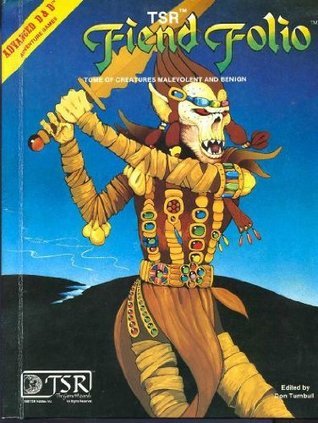
The Fiend Folio is a collection of monsters for use with Advanced Dungeons & Dragons, similar in format to the original Monster Manual and effectively a supplement to that book.

In the mid twentieth century the philosopher Ludwig Wittgenstein famously asserted that games are indefinable; there are no common threads that link them all. "Nonsense," says the sensible Bernard "playing a game is a voluntary attempt to overcome unnecessary obstacles." The short book Suits wrote demonstrating precisely that is as playful as it is insightful, as stimulating as it is delightful. Suits not only argues that games can be meaningfully defined; he also suggests that playing games is a central part of the ideal of human existence, so games belong at the heart of any vision of Utopia. Originally published in 1978, The Grasshopper is now re-issued with a new introduction by Thomas Hurka and with additional material (much of it previously unpublished) by the author, in which he expands on the ideas put forward in The Grasshopper and answers some questions that have been raised by critics.

The Book That Made Las Vegas Change the RulesOver 1,000,000 Copies in PrintEdward O. Thorp is the father of card counting, and in this classic guide he shares the revolutionary point system that has been successfully used by professional and amateur card players for generations. This book o an overview of the basic rules of the gameo proven winning strategies ranging from simple to advancedo methods to overcome casino counter measureso ways to spot cheating o charts and tables that clearly illustrate key conceptsA fascinating read and an indispensable resource for winning big, Beat the Dealer is the bible for players of this game of chance. **Bring these strategies into the Perforated cards included in the book**

Now, at your fingertips, all you need to* All Recommended Character Fighters, Paladins, Rangers, Magic-Users, etc.* Character Dwarves, Elves, Gnomes, Half-Orcs, Humans, etc.Character Level StatisticsEquipment lists with Costs

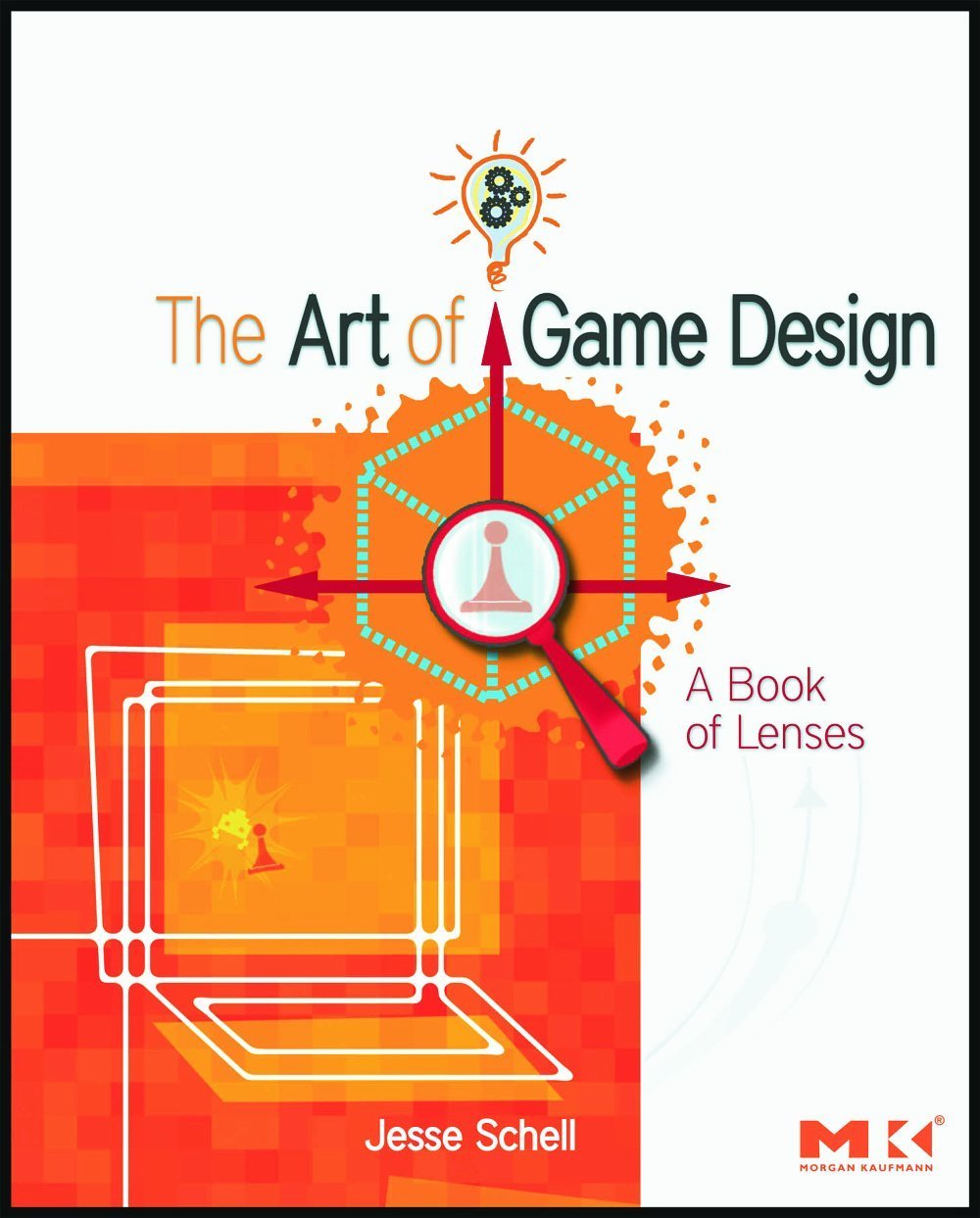
Good game design happens when you view your game from as many perspectives as possible. Written by one of the world's top game designers, The Art of Game Design presents 100+ sets of questions, or different lenses, for viewing a game’s design, encompassing diverse fields such as psychology, architecture, music, visual design, film, software engineering, theme park design, mathematics, puzzle design, and anthropology. This Second Edition of a Game Developer Front Line Award winner: The Art of Game Design, Second Edition gives readers useful perspectives on how to make better game designs faster. It provides practical instruction on creating world-class games that will be played again and again.

More than 31 million people in the UK are gamers. The average young person in the UK will spend 10,000 hours gaming by the age of twenty-one. What's causing this mass exodus? According to world-renowned game designer Jane McGonigal the answer is simple: videogames are fulfilling genuine human needs. Drawing on positive psychology, cognitive science and sociology, Reality is Broken shows how game designers have hit on core truths about what makes us happy, and utilized these discoveries to astonishing effect in virtual environments. But why, McGonigal asks, should we use the power of games for escapist entertainment alone? In this groundbreaking exploration of the power and future of gaming, she reveals how gamers have become expert problem solvers and collaborators, and shows how we can use the lessons of game design to socially positive ends, be it in our own lives, our communities or our businesses. Written for gamers and non-gamers alike, Reality is Broken sends a clear and provocative message: the future will belong to those who can understand, design and play games.

Before Prince of Persia was a best-selling video game franchise and a Jerry Bruckheimer movie, it was an Apple II computer game created and programmed by one person, Jordan Mechner.Mechner's candid and revealing journals from the time capture his journey from his parents' basement to the forefront of the fast-growing 1980s video game industry... and the creative, technical and personal struggles that brought the prince into being and ultimately into the homes of millions of people worldwide.== What Other Creators Say =="Jordan's journals are remarkable. I so wish I had kept a similar record. Reading them transports me back to that place and time. We all knew this was an exciting new industry, but I don't think we had any clue what it was going to turn into during our careers. There were no schools, no books, no theories covering what we were doing. Everyone was just figuring it out on their own. Following Jordan's creative path is a great example of how to go with your own gut instinct. It's also a great inspiration, showing how persistence and determination can lead to unexpected and wonderful results."-- Will Wright, game designer, creator of The Sims"Mechner's journals are a time machine that takes us back to a weirdly familiar era, when ambitious young creators were making strange new video games all by themselves and making up the rules as they went. It is not a retrospective; instead, it is a present-tense diary written by the creator throughout the creation of his most influential work. It is a humbling and inspiring record of what it was like to make one of the best video games of all time. I love these journals."-- Adam "Atomic" Saltsman, game designer, creator of Canabalt"When an industry is brand-new, its innovators are generally so busy creating the future that they rarely have time to document the present. Luckily, Jordan Mechner did. With these journals, we can track the development of Prince of Persia from a few penciled squiggles to a global franchise. For anyone aspiring to create a game -- or any endeavor that takes months and man-hours -- Jordan's journal is sobering and inspiring."-- John August, screenwriter of Go, Big Fish and Charlie and the Chocolate Factory== About the Author ==Jordan Mechner is a game designer, screenwriter, filmmaker, and graphic novelist. He created Prince of Persia, Karateka, and The Last Express.His graphic novel Solomon's Thieves is also featured on Amazon.

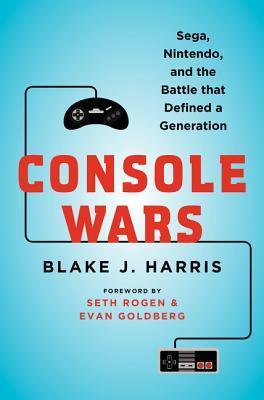
Following the success of The Accidental Billionaires and Moneyball comes Console Wars—a mesmerizing, behind-the-scenes business thriller that chronicles how Sega, a small, scrappy gaming company led by an unlikely visionary and a team of rebels, took on the juggernaut Nintendo and revolutionized the video game industry.In 1990, Nintendo had a virtual monopoly on the video game industry. Sega, on the other hand, was just a faltering arcade company with big aspirations and even bigger personalities. But that would all change with the arrival of Tom Kalinske, a man who knew nothing about videogames and everything about fighting uphill battles. His unconventional tactics, combined with the blood, sweat and bold ideas of his renegade employees, transformed Sega and eventually led to a ruthless David-and-Goliath showdown with rival Nintendo.The battle was vicious, relentless, and highly profitable, eventually sparking a global corporate war that would be fought on several fronts: from living rooms and schoolyards to boardrooms and Congress. It was a once-in-a-lifetime, no-holds-barred conflict that pitted brother against brother, kid against adult, Sonic against Mario, and the US against Japan.Based on over two hundred interviews with former Sega and Nintendo employees, Console Wars is the underdog tale of how Kalinske miraculously turned an industry punchline into a market leader. It's the story of how a humble family man, with an extraordinary imagination and a gift for turning problems into competitive advantages, inspired a team of underdogs to slay a giant and, as a result, birth a $60 billion dollar industry.

How the basic concepts of economics—including markets, institutions, and money—can be used to create and analyze economies based on virtual goods.In the twenty-first-century digital world, virtual goods are sold for real money. Digital game players happily pay for avatars, power-ups, and other game items. But behind every virtual sale, there is a virtual economy, simple or complex. In this book, Vili Lehdonvirta and Edward Castronova introduce the basic concepts of economics into the game developer's and game designer's toolkits. Lehdonvirta and Castronova explain how the fundamentals of economics—markets, institutions, and money—can be used to create or analyze economies based on artificially scarce virtual goods. They focus on virtual economies in digital games, but also touch on serious digital currencies such as Bitcoin as well as virtual economies that emerge in social media around points, likes, and followers. The theoretical emphasis is on elementary microeconomic theory, with some discussion of behavioral economics, macroeconomics, sociology of consumption, and other social science theories relevant to economic behavior.Topics include the rational choice model of economic decision making; information goods versus virtual goods; supply, demand, and market equilibrium; monopoly power; setting prices; and externalities. The book will enable developers and designers to create and maintain successful virtual economies, introduce social scientists and policy makers to the power of virtual economies, and provide a useful guide to economic fundamentals for students in other disciplines.

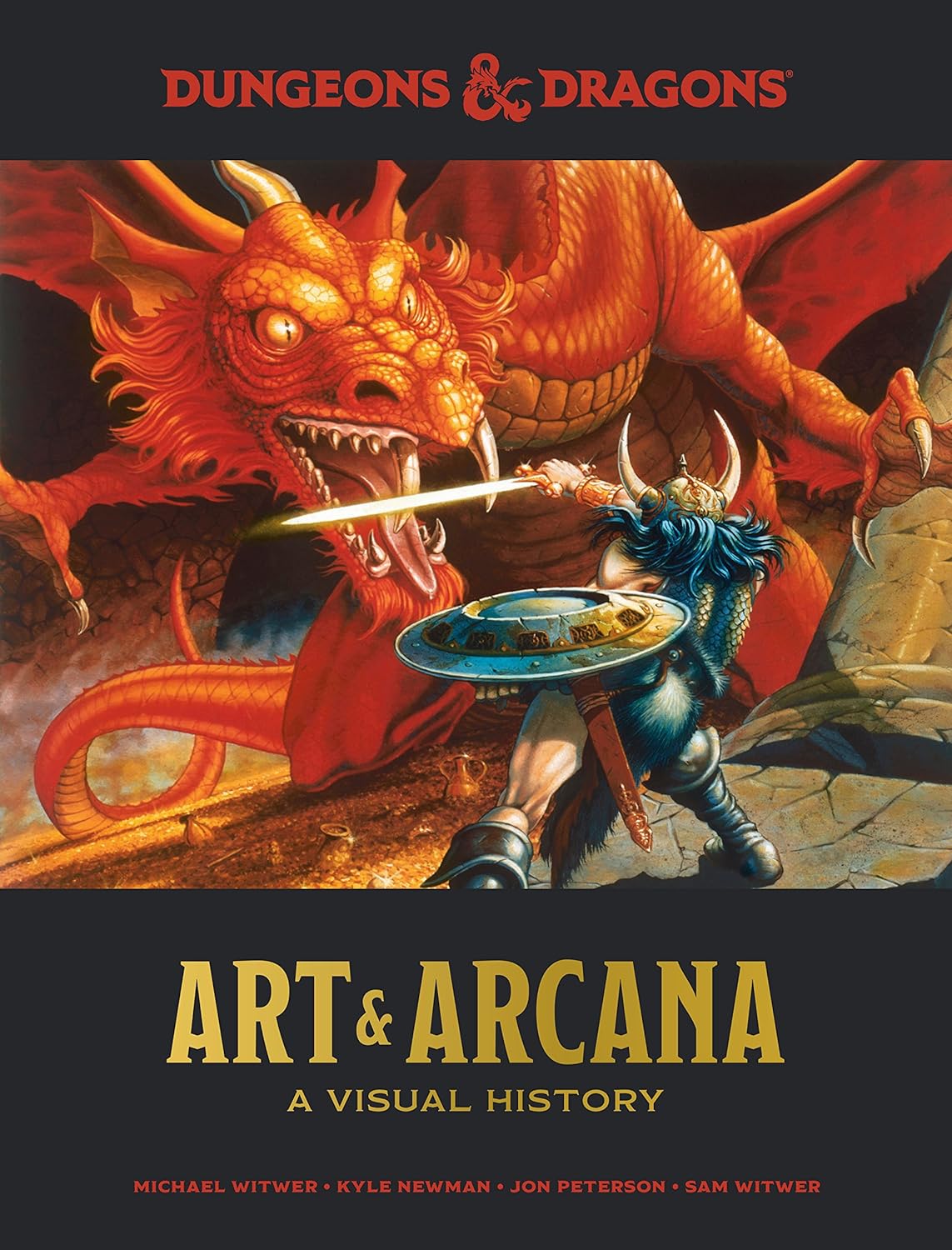
An illustrated guide to the history and evolution of the beloved role-playing game told through the paintings, sketches, illustrations, and visual ephemera behind its creation, growth, and continued popularity.Dungeons and Dragons is the most iconic and pervasive gaming franchise in the world. It is a seminal RPG (role-playing game) and the inspiration for video games like World of Warcraft and Zelda, fantasy art, and countless other facets of "geek culture." This officially licensed illustrated history provides an unprecedented look at the visual evolution of the game, showing its continued influence on the worlds of pop culture and fantasy. It features more than 700 pieces of artwork--from each edition of the game's core books, supplements, and modules; decades of Dragon and Dungeon magazines; classic advertisements and merchandise; and never-before-seen sketches, large-format canvases, rare photographs, one-of-a-kind drafts, and more from the now-famous designers and artists associated with the game. The superstar author team gained unparalleled access to the archives of Wizards of the Coast and the personal collections of top collectors, as well as the designers and illustrators who created the distinctive characters, concepts, and visuals that have defined fantasy art and gameplay for generations. This is the most comprehensive collection of D&D imagery ever assembled, making this the ultimate collectible for the game's millions of fans around the world.

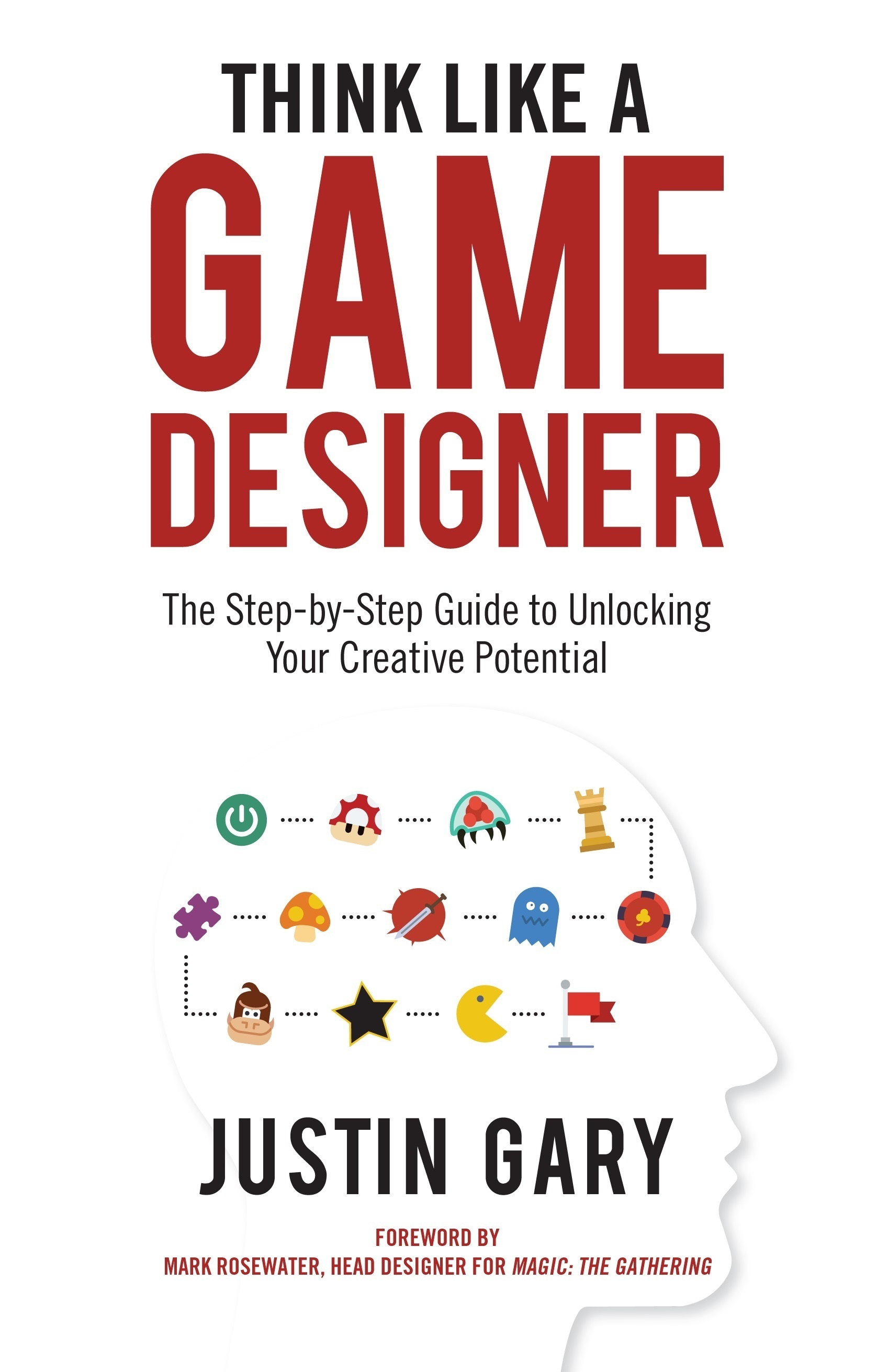
Do you love gaming? Do you have ideas for games of your own and want to learn how to produce them professionally? Longtime game designer Justin Gary has the answers you seek. After twenty years in the gaming industry, creating such games as Solforge, Ascension, and the World of Warcraft Miniatures Game, Justin is now sharing all his secrets in Think Like a Game Designer. Best of all, Justin’s secrets are really simple, practical, and common sense steps you can take yourself. Justin will walk you through each step and provide exercises for you to formulate your own game concepts and bring them to fruition. In Think Like a Game Designer, you will learn how • Overcome mental blocks to great creative work • Understand players’ emotional reactions and evoke the right ones • Brainstorm ideas and then refine them into useable ones • Follow the six steps of the core design loop for successfully designing a game • Capitalize on the excitement of Big Moments in a game • Get a job in the game industry and get your games published • Remove the grind of gaming or use it to your advantage • Integrate monetization into your designs • Deliver an enjoyable experience to your players so your game stands the test of time Whether you want to create video games, board games, or just discover how a true creative mind works, it’s all here in Think Like a Game Designer. It’s time to take the first step toward your game designer dream. Are you game? WHAT PEOPLE ARE SAYING ABOUT JUSTIN GARY AND THINK LIKE A GAME DESIGNER “Every journey starts with a single step, and if your desired journey is to become a game designer, I can think of no better fi rst step than reading and doing the exercises in Justin’s book. Justin has managed to capture and communicate the process for designing games starting from the blank sheet of paper all the way to thousands of fans playing your game.” — Jordan Wiesman, Creator of Shadowrun and BattleTech, and Founder of WizKids game studio “Justin Gary went from world champion The Gathering pro-tour competitor to award-winning game designer and then to multi-million-dollar CEO. He has a lot to teach and you can fi nd that wisdom clearly articulated in these pages.” — Peter Adkinson, Founder of Wizards of the Coast and Owner of Gen Con, the largest tabletop gaming convention in North America “Think Like a Game Designer should be on the shelf of anyone interested in game design, or even just in playing games. Plus, even people with no interest in games will learn valuable lessons about innovation, marketing, and how games motivate their players.” — Ethan Mollick, Professor of Innovation and Entrepreneurship, Wharton School of Business “Justin Gary has crafted a fun book that takes the essentials of game design and presents them in a light, personable format that anyone can understand. If you are new to game design, this is a great way to get started!” — Jesse Schell, CEO, Schell Games and Author of The Art of Game Design “Straightforward and relentlessly practical, this book efficiently guides you through the key steps involved in designing and publishing a game.

It was early 1993 and id Software was at the top of the PC gaming industry. Wolfenstein 3D had established the First Person Shooter genre and sales of its sequel Spear of Destiny were skyrocketing. The technology and tools id had taken years to develop were no match for their many competitors.It would have been easy for id to coast on their success, but instead they made the audacious decision to throw away everything they had built and start from scratch. Game Engine Black Doom is the story of how they did it.This is a book about history and engineering. Don’t expect much prose (the author’s English has improved since the first book but is still broken). Instead you will find inside extensive descriptions and drawings to better understand all the challenges id Software had to overcome. From the hardware -- the Intel 486 CPU, the Motorola 68040 CPU, and the NeXT workstations -- to the game engine’s revolutionary design, open up to learn how DOOM changed the gaming industry and became a legend among video games.

What explains the massive worldwide success of video games such as Fortnite , Minecraft , and Pokémon Go ? Game companies and their popularity are poorly understood and often ignored from the standpoint of traditional business strategy. Yet this industry generates billions in revenue by thinking creatively about digital distribution, free-to-play content, and phenomena like e-sports and live streaming. What lessons can we draw from its major successes and failures about the future of entertainment?One Up offers a pioneering empirical analysis of innovation and strategy in the video game industry to explain how it has evolved from a fringe activity to become a mainstream form of entertainment. Joost van Dreunen, a widely recognized industry expert with over twenty years of experience, analyzes how game makers, publishers, and platform holders have tackled strategic challenges to make the video game industry what it is today. Using more than three decades of rigorously compiled industry data, he demonstrates that video game companies flourish when they bring the same level of creativity to business strategy that they bring to game design. Filled with case studies of companies such as Activision Blizzard, Apple, Electronic Arts, Epic Games, Microsoft, Nexon, Sony, Take-Two Interactive, Tencent, and Valve, this book forces us to rethink common misconceptions around the emergence of digital and mobile gaming. One Up is required reading for investors, creatives, managers, and anyone looking to learn about the major drivers of change and growth in contemporary entertainment.

The inspiring, long-awaited autobiography of video-game designer and DOOM cocreator John RomeroJohn Romero, gaming’s original rock star, is the cocreator of DOOM , Quake , and Wolfenstein 3-D , some of the biggest video games of all time. Considered the godfather of the first-person shooter, a genre that continues to dominate the market today, he holds a unique place in gaming history. In DOOM Life in First Person , Romero chronicles, for the first time, his difficult childhood and storied career, beginning with his early days submitting Apple II game code to computer magazines and sneaking computers out the back door of his day job to write code at night.Industry-redefining breakthroughs in design and tech during Romero’s time at id Software made DOOM and Quake cultural phenomena, and this thrilling story recounts every step of the process, from collaborative, heavy metal–fueled days spent crafting the industry’s most revolutionary and cutting-edge games to a high-profile falling-out with id cofounder John Carmack. After years in the gaming spotlight, Romero is now telling his story—the whole story—shedding new light on the development of his games and his business partnerships, from the highest highs to the lowest lows, sharing insights about design, code, the industry, and his career right up to today. Sharing gratitude for a lifetime in games, Romero reveals the twists and turns that led him, ultimately, to be called DOOM Guy.