
Bernard Suits
3 Books Written
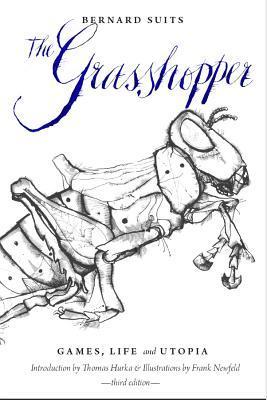
In the mid twentieth century the philosopher Ludwig Wittgenstein famously asserted that games are indefinable; there are no common threads that link them all. "Nonsense," says the sensible Bernard Suits: "playing a game is a voluntary attempt to overcome unnecessary obstacles." The short book Suits wrote demonstrating precisely that is as playful as it is insightful, as stimulating as it is delightful. Suits not only argues that games can be meaningfully defined; he also suggests that playing games is a central part of the ideal of human existence, so games belong at the heart of any vision of Utopia. Originally published in 1978, The Grasshopper is now re-issued with a new introduction by Thomas Hurka and with additional material (much of it previously unpublished) by the author, in which he expands on the ideas put forward in The Grasshopper and answers some questions that have been raised by critics.
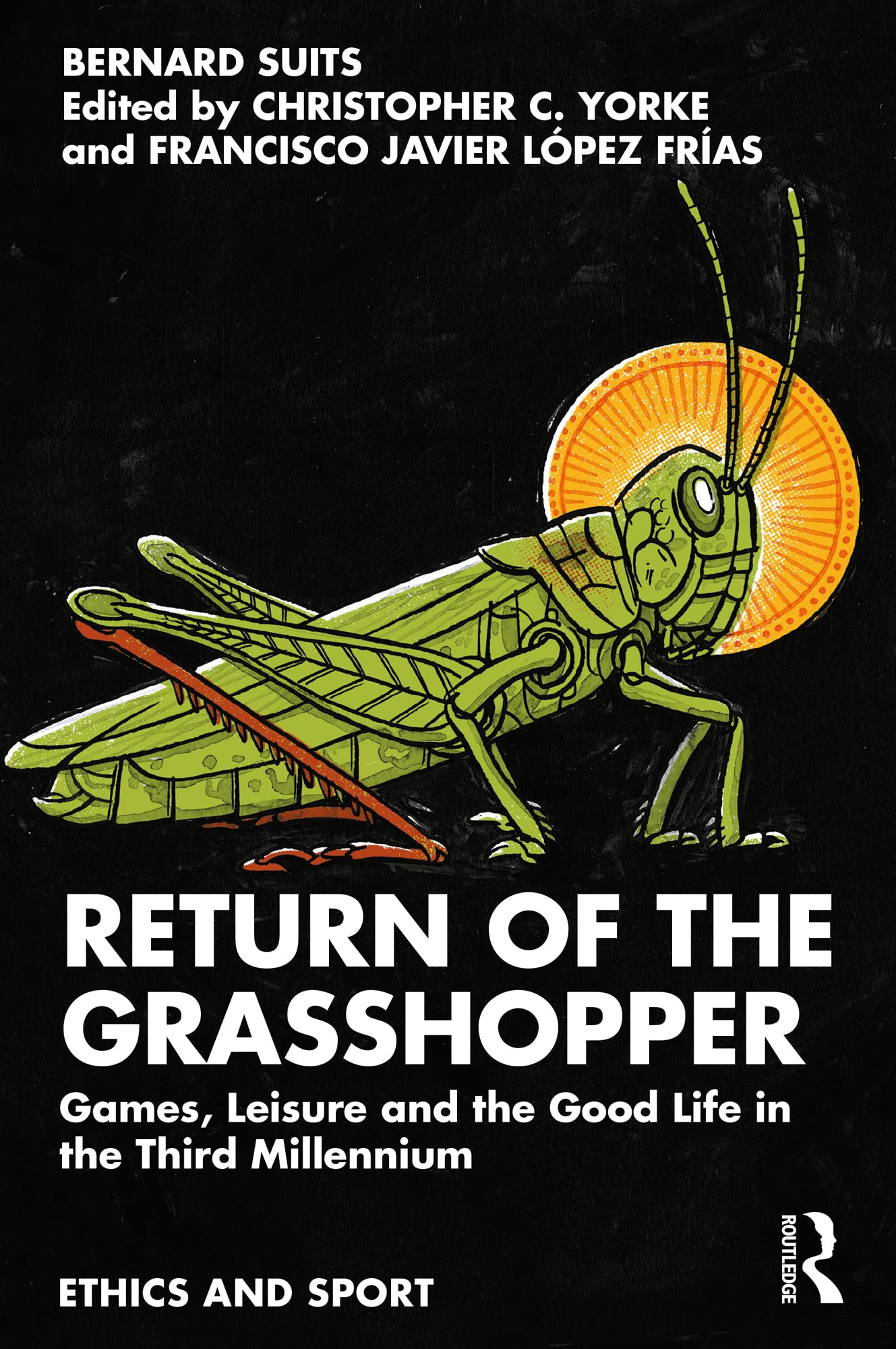
Return of the Grasshopper: Games, Leisure and the Good Life in the Third Millennium
by Bernard Suits
Rating: 4.6 ⭐
In this sequel to Bernard Suits’ timeless classic philosophical work The Games, Life and Utopia, published in its full and unabridged form for the first time, Suits continues to explore some of our most fundamental philosophical questions, including the value of sport and games, and their relationship to the good life.In Return of the Grasshopper, Suits puts his theoretical cards on the table, exploring the in-depth implications of his definition of utopia, assessing the merits of a gamified philosophy, and explaining how games can provide an existential balm against the fear of death. Perhaps most importantly, for the first time in print, Suits reveals his underlying that humanity is forever fated to endure a cyclical existence of privation, brought on by material scarcity, and boredom, resulting from material plenitude. An essential companion to The Grasshopper, this edition includes an introductory chapter that puts Suits’ life and work into context, helping the reader to understand why Suits has had such a profound influence on contemporary philosophy and how his ideas still provide powerful insight into the human condition.This book is important reading for anybody with an interest in the philosophy of sport, leisure and play, political philosophy, ethics, existentialism or utopian studies.

Play and Value in the Philosophies of Aristotle, Schiller, and Kierkegaard
by Bernard Suits
Rating: 5.0 ⭐
Play and Value in the Philosophies of Aristotle, Schiller, and Kierkegaard is the seed from which The Grasshopper: Games, Life and Utopia eventually grew.It is Suits’ first attempt to treat play not as leisure’s leftover but as a serious philosophical problem, one that cuts across ethics, aesthetics, and human freedom.Here, Suits reads Aristotle, Schiller, and Kierkegaard as three distinct but converging attempts to understand the non-instrumental activity of play. Aristotle sees it as a subordinate good, Schiller raises it to the defining expression of humanity, and Kierkegaard inverts the moral order entirely by making play a way of life. Suits’ own project begins to take shape between these poles in a search for unity among the moral, aesthetic, and existential dimensions of play. The text is at once historical and exploratory, marking Suits’ first articulation of themes that would dominate his later philosophy.