
Ivo Andrić
Ivo Andrić (Serbian Cyrillic: Иво Андрић; born Ivan Andrić) was a Yugoslav novelist, poet and short story writer who won the Nobel Prize in Literature in 1961. His writings dealt mainly with life in his native Bosnia under Ottoman rule. Born in Travnik in Austria-Hungary, modern-day Bosnia and Herzegovina, Andrić attended high school in Sarajevo, where he became an active member of several South Slav national youth organizations. Following the assassination of Archduke of Austria Franz Ferdinand in June 1914, Andrić was arrested and imprisoned by the Austro-Hungarian police, who suspected his involvement in the plot. As the authorities were unable to build a strong case against him, he spent much of the war under house arrest, only being released following a general amnesty for such cases in July 1917. After the war, he studied South Slavic history and literature at universities in Zagreb and Graz, eventually attaining his PhD. in Graz in 1924. He worked in the diplomatic service of the Kingdom of Yugoslavia from 1920 to 1923 and again from 1924 to 1941. In 1939, he became Yugoslavia's ambassador to Germany, but his tenure ended in April 1941 with the German-led invasion of his country. Shortly after the invasion, Andrić returned to German-occupied Belgrade. He lived quietly in a friend's apartment for the duration of World War II, in conditions likened by some biographers to house arrest, and wrote some of his most important works, including Na Drini ćuprija (The Bridge on the Drina). Following the war, Andrić was named to a number of ceremonial posts in Yugoslavia, which had since come under communist rule. In 1961, the Nobel Committee awarded him the Nobel Prize in Literature, selecting him over writers such as J.R.R. Tolkien, Robert Frost, John Steinbeck and E.M. Forster. The Committee cited "the epic force with which he ... traced themes and depicted human destinies drawn from his country's history". Afterwards, Andrić's works found an international audience and were translated into a number of languages. In subsequent years, he received a number of awards in his native country. Andrić's health declined substantially in late 1974 and he died in Belgrade the following March. In the years following Andrić's death, the Belgrade apartment where he spent much of World War II was converted into a museum and a nearby street corner was named in his honour. A number of other cities in the former Yugoslavia also have streets bearing his name. In 2012, filmmaker Emir Kusturica began construction of an ethno-town in eastern Bosnia that is named after Andrić. As Yugoslavia's only Nobel Prize-winning writer, Andrić was well known and respected in his native country during his lifetime. In Bosnia and Herzegovina, beginning in the 1950s and continuing past the breakup of Yugoslavia, his works have been disparaged by Bosniak literary critics for their supposed anti-Muslim bias. In Croatia, his works had occasionally been blacklisted following Yugoslavia's dissolution in the 1990s, but were rehabilitated by the literary community. He is highly regarded in Serbia for his contributions to Serbian literature.
30 Books Written
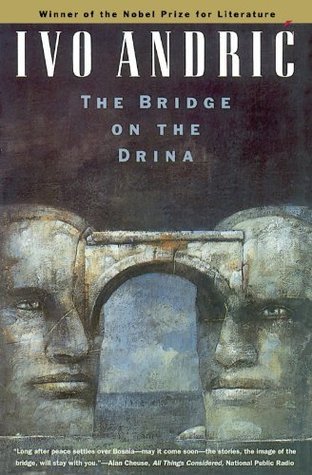
A vivid depiction of the suffering history has imposed upon the people of Bosnia from the late sixteenth century to the beginning of World War I, The Bridge on the Drina earned Ivo Andric the Nobel Prize for Literature in 1961. A great stone bridge built three centuries ago in the heart of the Balkans by a Grand Vezir of the Ottoman Empire dominates the setting of Andric's stunning novel. Spanning generations, nationalities, and creeds, the bridge stands witness to the countless lives played out upon it: Radisav, the workman, who tries to hinder its construction and is impaled on its highest point; to the lovely Fata, who throws herself from its parapet to escape a loveless marriage; to Milan, the gambler, who risks everything in one last game on the bridge with the devil his opponent; to Fedun, the young soldier, who pays for a moment of spring forgetfulness with his life. War finally destroys the span, and with it the last descendant of that family to which the Grand Vezir confided the care of his pious bequest - the bridge.

Prokleta avlija/The Damned Yard (Description from Ivo Andrić Foundation website)The novel is written in 1954. Ćamil, a wealthy young man of Smyrna living in the last years of the Ottoman Empire, is fascinated by the story of Džem, ill-fated brother of the Sultan Bajazet, who ruled Turkey in the fifteenth century. Ćamil, in his isolation, comes to believe that he is Džem, and that he shares his evil destiny: he is born to be a victim of the State. Because of his stories about Džem’s ambitions to overthrow his brother, Ćamil is arrested under suspicion of plotting against the Sultan. He is taken to a prison in Istanbul, where he tells his story, to Petar, a monk.Out of these exotic materials, Andrić has constructed a book of great clarity, brevity and interest. No doubt it will be read by some as a political parable about the tyranny of the State, but also as a quite simply story about ill-fortune and human misunderstanding, fear and ignorance. Džem and Ćamil are doomed – and the certainty of their persecution is sometimes relieved, sometimes intensified by the stupidity and fright of the people who cross their ill-starred lives.Construction takes up most of the book’s space: the central story of Džem as related by Ćamil lasts only a chapter or two. For the rest of the time the reader strips layer off layer, as one narrator passes him on the next. There is an interesting passage that helps to explain this method, at the moment when Ćamil starts narrating Džem’s story in the first person. “I” is a word, we are told, which fixes the position of the speaker in such a way that the exercise of will is no longer possible, and the speaker strength is exceeded – strength, presumably, to break out of the identification that all his past actions and thoughts force upon him when he uses the word. “I” is both a confession and an imprisonment. The fact that the novel passes the reader on from one narrator to the next rather suggests that the author is taking constant evasive action, lest he betray himself or his reader into the kind of “personal confession” which seals the fate of Ćamil. What exactly this game of form flirting with meaning signifies, must be left to the individual reader.The movement is centripetal, towards Džem’s story, and then disperses. Details within the story are made to mimic this form. Thus when Peter receives the message telling him of his impending release:“Two younger prisoners...were chasing around using him as the centerpoint of ever narrowing circles. Annoyed, he tried to break away from these exuberant youths when one of them brushed against him and he felt a folded scrap of paper thrust into his hand. The youths continued their chase but now in widening circles...”The reader is led on just such a chase in the course of the novel. The effect of this is to make the plot seem more like a poetic image than an ordinary plot: capable, therefore, of as many meanings as are the images of an allusive poem. Yet the language is simple and direct, not at all “poetic”. The characters are remarkable alive, even in conversation. Karađoz, the governor of the goal, is a spidery authoritarian, who loves to torment the charges he loves. The prisoners “complained about the way one complains about one’s life and curses one’s destiny...it would have been hard for them to imagine life without him”.“The Devil’s Yard” is justified, as all symbolic and figurative novels must be, by the extent to which it touches the emotions. It is extremely moving. Fear, horror, despair, amusement at times – all these indicate that the threat of the meaning has been recognized.

Set in the town of Travnik, Bosnian Chronicle presents the struggle for supremacy in a region that stubbornly refuses to submit to any outsider. The era is Napoleanic and the novel, both in its historical scope and psychological subtley, Tolstoyan. In its portray of conflict and fierce ethnic loyalties, the story is also eerily relevant. Ottoman viziers, French consuls, and Austrian plenipotentiaries are consumed by an endless game of diplomacy and double-dealing: expansive and courtly face-to-face, brooding and scheming behind closed doors. As they have for centuries, the Bosnians themselves observe and endure the machinations of greater powers that vie, futilely, to absorb them. Ivo Andric's masterwork is imbued with the richness and complexity of a region that has brought so much tragedy to our century and known so little peace.

Gospođica (The Woman from Sarajevo) by Andrić was originally published in 1945. and is one of the three novels that make up the "Bosnian Trilogy". The other two are Bosnian Chronicle and The Bridge on the Drina. The novel is set in the cities of Sarajevo and Belgrade during the first three decades of this century. The places and time are not incidentally chosen. Ivo Andrić is from Bosnia and knows the people and their problems in this unique area. The theme and composition suggest a work of modern classicism. It is the tragic life of a woman disappointed in people and in the world she lives in. She is completely enslaved by money, in which she hopes to find security and revenge in a hateful and insecure world. At the same time she is literally and feverishly following her bankrupt father’s last plea, as she becomes not only thrifty but a real miser in a classical Gogolian style. This novel is dominated by a single character, a spinster named Miss Raika Radaković who is dominated by a single passion, stinginess. The development of this passion is traced through the first third of this century, from the time Miss Raika’s dying father, a ruined merchant, solemnly enjoins his school-girl-daughter to guard with her life the little property he can leave her, until some thirty-five years later when she herself dies, a scrawny old woman, unloved and unlovable, but faithful to her trust. As a moneylender she parlays small insurance legacy after her father into a small fortune. But whatever her wealth at any time, she will spend none of it on herself. For this single-minded greed for money she puts everything else out of her life – love, friendship, concern for other people. Raika also speculates in currencies during the tumultuous years of the Austro-Hungarian Empire and the uncertain emergence of the new Yugoslav state. A good deal of the power of Andrić’s tale comes through the depiction of this seething historical background, in whose torrent the wretched Raika’s life is washed along like a piece of flotsam. The novel is carefully thought out and fully imagined, with solid passages of description in the nineteenth-century manner and scrupulous attentions to the job of relating the individual life to the broader pattern of social and economical change. With brilliant economy Andrić sketches the stages through which Miss Raika hoards and increases her inheritance: Sarajevo in the era of provincial usury, the economic upheavals and disintegration of the First World War, staid Belgrade headily embarking on the jazz age when the war is over, the pinched depression years during which Miss Raika dies. The requisite drama – the testing of the ruling passion – is present in the form of a young man whose physical resemblance to a beloved uncle long dead touches Miss Raika’s heart enough to make her swerve, though only momentarily, from her objective of never parting with her money. The chronicle is Andrić’s favorite form, and this novel is no exception, a highly poetic form depicting the past and the present in a meticulous artistic and philosophical manner. Detailed historical analysis serves as a “chain” and always gives a basis for philosophical interpretation.

=Signs Along the Road: The collection of these notes entitled "Znakovi pored puta"/ "Signs by the roadside" as well as "Sveske"/"Notebooks", published after Andrić’s death, can be best described as the writer's intellectual diaries. As may be imagined of a man who recoiled so consistently from any exposure of his private life and thoughts, Andrić was equally consistent in his dislike of the diary as a genre, seeing it as a misguided search for permanence.Ova "knjige mudrosti", "vrsta intimnih dnevnika", koje je Andri pisao celog ivota, smatraju se jedinstvenim u naoj knjievnosti i stoga jer je pisac u njima prvi put nedvosmisleno progovorio o sebi.Dnevnicki u Andricevim Znakovima pored puta jeste kratki tekst koji se moze napisati u toku jednog dana, u kome pisac ispusuje trenutno raspolozenje, vidjenje neke pojave, licnosti, utisak sa puta ili misao koja ga preokupira. Godinama belezene i bez odredjenog reda pisane takve zapise pisac sabira u knjigu koja postaje ogledalo njegove duse, a ne dnevnik. Princip organizacije tekstova u knjizi nije tok vremena, kao sto je u klasicnom dnevniku, vec spontani rad duse koja zivo i osetljivo reaguje na svakodnevne posticaje i preradjuje ih u meditacije i vizije, u snimke predela i ljudi. Spontanost i neobaveznost glavna su odlika takvog, viseg, duhovnog dnevnika kakvi su Znakovi pored puta. Tekst u njima raste i razvija se kao organsko tkivo: jedan fragment naslanja se na drugi, a ovaj na sledeci i tako do u nedogled. Ta ogranicenost i spontano stapanje manjih tekstova u vece celine, delo, jedna je od glavnih odlika Andricevog radnog postupka.

Pored naslovne novele u ovaj izbor su uvrštene najbolje priče Iva Andrića; Anikina vremena, Ljubav u kasabi, Ćorkan i švabica, ... i druge koje na najbolji način predstavljaju Andrićev pripovedački opus.

Most na Žepi, je roman koji pored antologijske - Na drini ćuprije, tretira na veoma originalan način opsesivne teme Andrićeve proze – ljude i mostove, komunikaciju i nerazumevanje. Poput Mehmed paše Sokolovića i veliki vezir Jusuf shvata, posle pada u nemilost, da postoji nešto mnogo veće što nadilazi prostu činjenicu vlasti pa i života, nešto što ljude čini besmrtnim. Odlučivši da napravi most na reci Žepi i da premosti provaliju, koja je njegovo rodno selo razdvajala od ostalog sveta, on pokušava da premosti sve one provalije koje se javljaju u ljudima i koje narod Bosne, kao po nekoj zloćudnoj kobi, nosi u sebi. Neimarska studija mosta je studija o vremenu, o prolaznosti i vekovanju.Roman koji pored priče o mostu na reci Žepi, bregovima Istočne Bosne i velikom veziru Jusufu priča večnu priču o ljudima i obalama, stranstvovanjima u sopstvenom identitetu i istorijskoj svesti.

=Aska and the WolfAska je neobična ovčica iz ovčijeg sveta na strmim Livadama, koja je volela balet i želela da postane poznata balerina. Dok je u baletskoj školi učila svoje prve korake, nije ni slutila da će najvažnija predstava u njenom životu biti igra za život, da će morati da igra kako bi se spasila, što se jednog dana i desilo zbog njene nepažnje i velike radoznalosti.

Ex Ponto je knjiga stihova u prozi koju je napisao Ivo Andrić 1918. godine. U ovom ranom Andrićevom delu, nazvanom "razgovorom s dušom" (Niko Bartulović), stilizovano je lično iskustvo u nastojanju da mu se, u lirskoj sentenci, pridoda značenje filozofsko-poetske istine, a da pritom zadrži fabulativno-narativnu osnovu, na osnovu koje bi se mogla rekonstruisati stanja jednog zatočenika.Ova knjiga pesama u prozi razvrstana je u tri ciklusa: prvi ima 26, drugi 25, a treći 88 tekstova, uz završni "Epilog".U strasnom lirskom monologu, pesnik se obračunava sa sobom, pokušava da u tamničkim bdenjima razreši unutrašnju dramu i oslobodi se traume izazvane utamničenjem. Nepravedan pad iza rešetaka u drugi, surov i mučan svet, gde je žrtva „na suvom ukletom sprudu“, dovodi pesnika u stanje da postavlja važna egzistencijlna pitanja i grozničavo razmišlja o svetu i mestu pojedinca u njegovim tragičnim okvirima.

... ma koliko se doživljava kao okrenutost pesnika sebi i svom unutrašnjem svetu, kao razgovor s dušom, ona je i obraćanje pesnika čitaocu, Bogu, ljudima i dijalog sa svima njima, i to je ono što je čini aktuelnom i danas. Jer, Andrić ispovedanje diže na nivo opšteg saznanja i univerzalnog iskustva u kome prepoznajemo i sebe i druge, prošle, sadašnje i buduće stradalnike.

Omer Pasha Latas is set in nineteenth-century Sarajevo, where Muslims and Christians live in uneasy proximity while entertaining a common resentment of faraway Ottoman rule. Omer is the seraskier, commander in chief of the Sultan’s armies, and as the book begins he arrives from Istanbul, dispatched to bring Sarajevo’s landowners to heel, a task that he accomplishes with his usual ferocity and efficiency. And yet the seraskier’s expedition to Bosnia is a time of reckoning for him as well: he was born in the Balkans, a Serb and a subject of the Austro-Hungarian Empire, a bright boy who escaped his father’s financial disgrace by running away and converting to Islam. Now, at the height of his power, he heads an army of misfits, adventurers, and outcasts from across Europe and Asia, and yet wherever he goes he remains a stranger.Ivo Andrić, who won the Nobel Prize in 1961, is a spellbinding storyteller and a magnificent stylist, and here, in his final novel, he surrounds his enigmatic central figure with many vivid and fascinating minor characters, lost souls and hopeless dreamers all, in a world that is slowly sliding towards disaster. Omer Pasha Latas combines the leisurely melancholy of Joseph Roth’s The Radetzky March with the stark fatalism of an old ballad.

Put Alije Đerzeleza (=The Journey of Ali Djerzelezu)štampan je 1920. i 1922. godine u Beogradu, ali delovi ove pripovetke su izlazili u zagrebačkom Književnom jugu. Iako je osnova za sadržinu i značenje Puta Alije Đerzeleza, Mustafe Madžara, Mosta na Žepi i Trupa pronađena u istoriji, legendi i sudbini pojedinca u njima, Andrić istoriju ne posmatra kao zbir poznatih i poverljivih događaja medju njenim učesnicima, niti legendu doživljava kao gotovu i nepromenljivu sižejnu činjenicu priče, nego kao adekvatnu početnu osnovu za dublje i postojanije shvatanje smisla i značenja istorije, legende u životu pojedinca i trajanju sveta. Vidi ih kao simboličan doživljaj istorije, kao pozornicu na kojoj se odvija čovekov susret sa neminovnostima svoje prolaznosti, nesavršenstva, straha i nemoći. Andrić’s first short story, published in 1920. Its protagonist is the hero of a large number of Moslem heroic ballads. Bearing in mind the special place accorded to “legend” and “fairy-tale” in Andrić’s statements about art, we should consider exactly what form “the grain of truth contained in legend” takes in this tale. The traditional ballads concerned with Alija deal exclusively with his prowess on the battlefield. Andrić refers to his fame in just one sentence: "He was renowed for many battles and his fearful strength... " and immediatelly takes him off his horse, setting him down in a context where he appears awkward because he is not used to being on the ground, or to normal social interaction. His stature is a t once diminished: “In a few days the magic circle around Đerzelez had quite disappeared. “There is no clear reason why the label “hero“ should have attached itself to this particular person. He is small, unprepossessing and ungainly as soon as he dismounts, awkward and uninteresting in conversation. He is slow-witted and chronically lacking in imagination. But he is also obsessive. Once he sees a beautiful woman he can think of nothing else but possessing her. Or he abandons himself wholeheartedly to the singing of a particularly fine traditional singer: “Đerzelez felt that the singer tugging at his soul and that any moment now, he would expire, from excessive strength, or excessive weakness. “ Đerzelez can flourish only in circumstances where his simple-minded strength energy can be expressed in the immediate violent ways he understands. He is quite baffled by more intricate social relationships and by the whole deeply disturbing question of women. Andrić here exploits the comic possibilities exposing a renowned hero to the demands made on men by their ballads about Marko Kraljević.

Among the stories published between the wars there are several characters who dominate the tales in which they appear and seem similarly to stand for a whole category of human experience. An example is the heroine of the of the story “Anika's Times“(1931). Anika is a woman who wreaks havoc in Višegrad through the unpredictable distribution of her favours. The impact she made is still spoken of when the story opens, several generations later. Anika is a self-willed creature whose defiance of convention – flouted initially out of pique with a particular young man – predictably brings her no happiness to the extent that she welcomes the prospect of the inevitable retribution her as a relief for herself and others: “It would be an act of charity of someone would kill me”, she repeats several times before her death. In this way Anika herself is not entirely in control of her destiny, but is the vehicle of an overwhelming power over men. The story of Anika is given an additional dimension in the form of an explanatory introduction the exact meaning of which is perhaps not immediately clear, but emerges from the account of “Anika’s Times”. This introduction describes the growing schizophrenia of the parish priest of a village outside Višegrad and his obsessive, furtive watching of women. As long as the villagers speak of him they tend to be reminded also of Anika. There is only a tenuous connection between her and father Vujadin, so that the association of the two stories in the villagers’ minds seems to suggest a more profound link. Vujadin’s madness is not directly attributable to his experience of women; he has become cut off from his fellow-men by a variety of factors. But as he steadily loses touch with society, women seem to loom ever larger in his consciousness. In this aspect of his madness that seems to disturb the villagers and urge them to give it form in their recollection of the legend of Anika. Within the framework of the story “Anika's Times“, this introduction appears as a kind of meditation on man's perennial need to control and account for his powerful response to woman, the need which led to the creation of the legend of Adam and Eve.
Ako postoji bosanski pisac koji spada među neupitne velikane svjetske književnosti - to je Ivo Andrić. Andrićeve priče najljepši su dio njegovog grandioznog djela. U knjizi Priča o vezirovom slonu sabrani su vrhunci Andrićeve umjetnosti priče.Pripovjedač, romansijer, esejist, pjesnik. U mladosti piše pjesme i meditativnu lirsku prozu (Ex Ponto, 1918, Nemiri, 1920). Tu sklonost njegovao je trajno, o čemu svjedoči posmrtno objavljena knjiga zapisa Znakovi pored puta. No, univerzalnu književnu veličinu i svjetsku priznatost Andrić je ostvario svojim proznim opusom, kojemu na početku stoji pripovijetka Put Alije Đerzeleza (1920). Nastavlja se nizom pripovjedačkih zbirki, te romanima Travnička hronika (1945), Na Drini ćuprija (1945), Gospođica (1945), Prokleta avlija (1954), Omer-paša Latas (1976, posmrtno). Prokletom avlijom, djelom nenadmašne pripovjedačke ljepote i mudrosti, teško odredljiva književnoga žanra, Andrić je dostigao vrhunac književnoga umijeća i sublimirao svoju osebujnu filozofiju povijesti i ljudske egzistencije. Svijet Andrićevih proza usudno je povezan s Bosnom. Sve moje je iz Bosne tom preciznom ispovjednom rečenicom Andrić je sam najbolje objasnio način na koji je Bosna, zemlja mrke ljepote, u središtu njegova književnog mikrokozmosa. A, poput drevnih zadužbinara, o kojima je pisao u svojim pričama, on je svoju vezanost za Bosnu pokazivao i na drugi način. Polažući osobito na razvoj čitalačke kulture, on je cjelokupni iznos Nobelove nagrade za književnost, koju je dobio 1961. godine, poklonio Bosni i Hercegovini, namijenivši taj ogromni novac za unapređenje narodnih biblioteka na području Bosne i Hercegovine.

English (translation)Original Serbo-Croation

Kuća na osami (1976) je Andrićeva posthumno objavljena zbirka sastavljena od jedanaest pripovedaka objedinjenih uvodnim tekstom. Za nju se može reći da je neka vrsta rekapitulacije Andrićevog pripovedčkog puta. Jedanaest lica sa različitih jezičkih i govornih područja, nejednakih staleških odlika, različitih artikulacionih sposobnosti, jedno za drugim a po izboru autora, priča o svojim životnim putevima kobnih strmina i finalnih ponora. Da bi pisac ostvario mogućnost javljanja svih spomenutih karaktera iz različitih istorijskih epoha i tipoloških odlika, morao je pažljivo odabrati pripovedačku formu. To je postigao okvirnom pripovetkom u kojoj se opisuje starinska turska kuća na sarajevskom Alifakovcu u kojoj pisac prima svoje nestvarne posetioce, sluša njihove dramatične priče, beleži ih i kasnije, „redigovane“, slaže u zbirku

„Ja, u stvari, nikada nisam pisao knjige, nego rašivene i razbacane tekstove, koji su se s vremenom, s više ili manje logike, povezivali u knjige-romane ili zbirke pripovedaka.“Ivo AndrićPriče o osobenjacima i malim ljudima otkrivaju Andrićevo pripovedačko umeće da se kloni stereotipa i da svoje junake pronalazi u svetu drugačijem i različitom od onog koji ih okružuje. Od priče Popodne, u kojoj 22-godišnji pripovedač daje svoj prilog temama dosade i splina, te tipu junaka „mladi starac“, do pripovetke Jakov, drug iz detinjstva, o 80-godišnjem piscu velikih hronika i nebrojenih pripovedaka, nižu se priče o čudacima i mitomanima, egocentricima i manijacima, neurastenicima i hipohondrima, usamljencima, neženjama i samcima, umišljenim piscima i logorejičnim pripovedačima, lažovima i alkoholičarima, kvaziautoritetima i lažnim ljubavnicima, sitnim činovnicima i beznačajnim industrijalcima, malim Napoleonima i generalima posle bitaka...Andrić tako čitaocu, tom neumornom tragaocu za poznatim a novim, predstavlja junake samosvojnih ali prepoznatljivih karaktera, autentičnih a ipak znanih sudbina, istovremeno prožimajući njihove životne priče neskrivenom ironijom, latentim humorom i pritajenim saosećanjem.

نبذة: إن الحكاية تلعب دوراً مركزياً في صقل أرواح الشعوب وجعل الإنسان أكثر إدراكاً وأكثر تواضعاً، وإلا سيدفع ثمناً باهظاً لاستمراره في الجهل والغرور ولعل قول أندريتش نفسه يؤكد ذلك حين يقول: "لعل في الحكايات، الشعرية، والمكتوبة، يكمن تاريخ البشرية الحقيقي. ولربما كان بإمكاننا أن نقف من خلالها على فحوى هذا التاريخ أو التكهن به، وذلك بصرف النظر عما إذا كانت هذه الحكايات تعالج الماضي أو الحاضر".ولعلّ "ايماءات" أندريتش التي نقلب صفحاتها والتي ترجمها زهير خوري، تكون إسهاماً من الاثنين، لنا نحن العرب المعاصرون، في أن نكون أكثر إدراكاً وأكثر تواضعاً لنسمع إيقاع الصوت الآتي.و يعتبر "إيفو اندريتش" أحد أهم كتّاب هذا العصر، نظراً لما أنجزه في مجالات القصة والرواية والشعر، ثم نظراً لكتاباته التي تعبّر عن فلسفته، وتعكس وجهات نظره في الحياة والفن والتاريخ. كما تبرز أهمية اندريتش أيضاً لأنه استطاع ببراعة وصدق، تقديم لوحة بالغة التفصيل، شديدة الثراء، عن بلدة البوسنة,وما تتصف به هذه المنطقة من تنوع وغنى، ولكونها تشكل نقطة تماس بين ثقافات وحضارات وديانات، وما يعنيه ذلك من إمكانية التفاعل والتأثر المتبادل، وبالتالي الخصب المتبادل، أو بداية الصدام والعنف والكره ثم الحرائق والحروب في هذه المجموعة القصصية يحاول الكاتب الكبير، أن قراءة حارة للوطن، وأن يرصد خراباته الكامنة والممكنة. إنه يرصد لكن ليس بعين المتفرج، بل بعين الرصد المنغمس كلياً في حركة الواقع.يضم هذا الكتاب سبع عشرة قصة، ومسرحية من فصل واحد. فالقصص العشر الاولى هي مختارات من مجلد "ايماءات" احد المجلدات الثمانية عشر.. الاعمال الكاملة لايفو اندريتش. اما القصص السبع التي تليها، فهي منتقاة من مجلدات اخرى.إن ابطال المجموعة الاولى، يجمعهم قاسم مشترك.. مرض نفسي، ما هو الا ردة فعل لامراض المجتمع الذي يعيشون فيه. فهم مغرورون، متبجحون، متشردون، مدمنون، مغبونون.. انهم ليسوا غرباء عنا، نراهم كل يوم من حولنا، نعيش معهم . لكننا عاجزون عن تبرئتهم او ادانتهم.القصص الثلاث التالية، تدور احداثها في جو ضبابي، بين الحلم واليقظة، بين الواقع والخيال، لكنها تبقى متصلة بالحياة اليومية المعقدة. ثم قصتان تتجلى فيهما قدرة اندريتش البارعة على التحكم بكاميرته المتحركة: فها هو يسجل لنا حركات قدمين، نراها كل يوم، سواء في مطعم او غرفة جلوس او في مهجع نوم، لكننا لا نأبه بها. كما يصور لنا ما يتفاعل في خلجات النفس من افكار بمجرد سماع صوت او كلمة.ثم قصتان اخريان، يستحضر فيهما المؤلف كلا من بايرون وغويا، شاعرا ورساما، لكي يعلن موقفه من الجمال والحياة والموت والمسرح والرسم والاساطير.اما القصة الاخيرة "رسالة من عام 1920" - التي قرئت قراءة جديدة عام 1992 ذكرى مرور قرن على مولد اندريتش، العام الذي اندلعت فيه الحرب بالبوسنة - فانها تعتبر بمثابة نبوءة لما حل بيوغسلافيا، ولما كان اندريتش يخشى من قوعه طوال حياته.

=Tales of SarajevoLegati a una città dal tragico destino, Sarajevo, i racconti qui presentati sono una parte significativa anche se piccola del grande affresco bosniaco che Andric ha tracciato con tutta la sua opera. Di questa città-simbolo lo scrittore ha delinato con acuto realismo e con paziente studio psicologico le caratteristiche fondamentali attraverso secoli di storia. Il passato è una chiave per intendere il presente, e questi racconti, letti oggi, acquistano un sapore proferico e aiutano a capire il conflitto il corso.

Svezak pripovjedaka pod naslovom Žeđ (prema jednoj od pripovjedaka) iz sabranih djela nobelovca Ive Andrića.

Nad Beogradom sunce sja kao da nikad neće zaći. Ali kad stane da zalazi, u ove jesenje dane, gasi se kao žeravka u vodi. Izgleda mi kao da ne zalazi sunce samo, nego i zemlja s njim. Potone zajedno sa suncem i modra gorska kosa u daljini, a zatim počne da se gubi i sremska ravnica, da se savija kao naslikano platno.Ivo AndrićOslobodimo li se predrasuda, ostajući na tragu osobenosti Andrićevog pripovedačkog postupka, možemo sklopiti skicu jedne posebne literarne građevine, takozvane beogradske hronike. Ta nedovršena građevina, sa jedinstvenom osnovom ali sa nepovezanim prostorijama, mogla bi da bude imaginarni model za projekciju književne rekonstrukcije novije povesti Beograda. Od „Porodične slike“ u kojoj je, na fonu ratnih događaja, data psihološka evokacija odnosa u jednoj beogradskoj građanskoj porodici, do priče o Zeki, razuđenoj istoriji ne samo jednoga junaka, nego i celoga grada, kao i drugih priča koje izrastaju iz autorovog iskustva, Beogradske priče predstavljaju književno svedočanstvo o nemirnim vremenima, dramatičnim promenama i tragičnim okolnostima kako u spoljašnjem svetu, tako i u ljudskim dušama pojedinaca koji su tom svetu pripadali.


"Mara Milosnica" jedna je u nizu Andrićevih pripovedaka o kobnosti lepote i zlu kojem je njen nosilac izložen. Ispričana je iz objektivne pripovedačke perspektive u, za Andrića uobičajenom, trećem licu. Mara je nesrećna devojka koju je turski paša ugledao u pekari njenog oca i u njenom izvijenom telu - htela je da dohvati hleb sa visoke police - prepoznao demonsku fatalnost ženskog principa. Posle pašinog neprikosnovenog naređenja da se to prelepo čeljade dovede u njegove odaje, Mara, kćerka turske naložnice, i sama to postaje.

Tra il 1923 2 il 1954 Andríc ha dato alle stampe dieci racconti incentrati sulle vicende di personaggi francescani della Bosnia. Si tratta di storie nate dall'incontro della fantasia dell'autore con una serie di fonti storiche e con le figure di frati realmente vissuti. Si distinguono due cicli, quello di fra Marko e quello di fra Petar, ai quali si aggiungono due racconti che ampliano il microcosmo raffigurato. Sono presenti alcuni dei temi più cari ad Andríc (il passato della Bosnia, l'incontro tra Oriente e Occidente, la lotta tra bene e male, la riflessione sulla complessità dellan natura umana, l'arte e il piacere del narrare) e una vasta gamma di sentimenti e di modalità espressive, tra cui un riso che in alcuni testi fa da contraltare alla dura realtà di altri racconti. Il volume include anche il saggio inedito su san Francesco d'Assisi, testimonianza del profondo interesse di Andríc per il fondatore dell'ordine e per la cultura e la storia italiana.

«Se podría decir que, siguiendo el ejemplo de la legendaria y elocuente Sherezada, el propósito de un relato es conjurar al verdugo, suspender el juicio ineluctable del destino que nos acecha, prolongar la ilusión de la vida y el tiempo. ¿O acaso debería el narrador, por medio de su arte, ayudar a que los hombres nos conozcamos y reconozcamos? Quizá su vocación consista en hablar en nombre de aquellos que no tuvieron la habilidad para hacerlo, o que, aplastados por la vida, no hallaron la fuerza para expresarse. ¿O será, más bien, que el narrador sólo se cuenta su propia historia a sí mismo, como el niño que canta en la oscuridad para disipar su miedo? O, finalmente, ¿será que el propósito de los relatos es iluminar las sendas oscuras hacia las que la vida nos arroja, así como decirnos algo más sobre esta vida, que tendemos a vivir de forma ciega e inconsciente, algo más de lo que somos capaces de entender o comprender desde nuestra flaqueza? Y es por eso que las palabras de un buen narrador pueden arrojar luz sobre nuestros actos y nuestras faltas, sobre lo que deberíamos hacer y sobre lo que nunca debimos haber hecho. Por tanto, cabe preguntarse si la verdadera historia de la humanidad no debiera buscarse en estos relatos, orales o escritos —poco importa si tratan sobre el pasado o el presente—, o si no, al menos, debiera buscarse allí el difuso sentido de dicha historia».Ivo Andrić, Estocolmo, 1961

Najbolje priče našeg nobelovca, prvi put tematski raspoređene!Ekskluzivna kolekcija šest zbirki pripovedaka.Izvedite čoveka iz balkanskih planina na more, i vi ste otvorili jedan opojan praznik sa radosnim svitanjem i neizvesnim sutonom. Želja za morem izgleda da se sakupljala i rasla kroz pokolenja, i njeno ostvarenje u jednoj, našoj, ličnosti žestoko je kao eksplozija. Izlazak jednog plemena na more, to je početak njegove prave istorije, njegov ulazak u carstvo većih izgleda i boljih mogućnosti. Taj odlučni čas u istoriji vrste ponavlja se svaki put u istoriji pojedinca pri prvom dodiru sa morem, samo u drugom obliku i manjem obimu. Ivo AndrićPrizori kamenih zidina starih gradova ovenčanih mediteranskim rastinjem, večna muzika šuma talasa, škrgutanje šljunka, zveckanje zagonetnih nanosa plime, miris morskog vazduha – sve je to pozadina na kojoj junaci Andrićevih Priča o moru, rastrzani nemirima, svešću o poreklu i čežnjom za boljim svetom, žele da pobede logiku istorije i kulture, zakone geografije i fizike, u tragičnoj nemoći da i u željenim prostorima, pred širim vidicima, prevaziđu granice sopstvenog naciona, intelekta i ličnosti.

Put Alije ĐerzelezaMara milosnicaAnikina vremenaNemirna godinaJelena, žena koje nemaŽena... je više jedan otrgnut deo prirode koji, pod izgledom i imenom ličnosti, ponavlja, u malom, kratkovekom i ograničenom obliku, sve večite i velike procese prirode. Dok je dete, ona je detinjstvo i sva draž detinjstva; kad je ljubav, onda je sva samo sila i lepota ljubavi; kad zamrzi, onda je mržnja i ne zna za druge zakone do one koji vode i pokreću lavine, vatru ili poplavu; dok boluje, dotle je samo bolest i bol i strah od smrti i borba protiv nje, bez sećanja na sve što je bilo pre bolesti i što bi moglo biti posle ozdravljenja. I tako u svemu. I tako do kraja. Tek tamo negde, iza poslednjeg daha, u opštem i zajedničkom ćutanju, gde se ništa ne kreće i gde niko ne misli, nalazi i ona svoje mesto među svima.Ivo AndrićCiklus Novele o ženi predstavlja sublimaciju Andrićevog umetničkog sagledavanja i razumevanja žene kao teme u njegovom pripovedačkom opusu. U prvoj noveli iz davne 1920. godine književno se uobličava misao o tajnovitim i često neprohodnim putevima koji vode do ženskog srca („Put Alije Đerzeleza“). U tri novele iz kasnijeg piščevog stvaralaštva govori se o nesrećnoj ili predodređenoj sudbini žene u vreme turske uprave u bosanskom vilajetu („Mara milosnica“, „Anikina vremena“, „Nemirna godina“). Najzad, neobična priča „Jelena, žena koje nema“ zapravo je Andrićeva predstava o ženi kao metafori, projekciji čovekove potrage za smislom, himeri koju ne može da dosegne, ali za kojom večno čezne, u snu i na javi.


Jer u toj zaostaloj i ubogoj zemlji, u kojoj zive zbijeno cetiri razne vere, trebalo bi cetiri puta vise ljubavi, medusobnog razumevanja i snosljivosti nego u drugim zemljama.Because this poor, backward country, in which four different faiths live cheek by jowl, needs four times as much love, mutual understanding and tolerance as other countries.This book is in both English and Bosnian / Serbo-Croatian.