
Gregor von Rezzori
Gregor von Rezzori was born in 1914 in Chernivtsi in the Bukovina, then part of the Austro-Hungarian Empire and now part of Ukraine. In an extraordinarily peripatetic life von Rezzori was succesively an Austro-Hungarian, Romanian and Soviet citizen and then, following a period of being stateless, an Austrian citizen. The great theme of his work was the multi-ethnic, multi-lingual world in which he grew up and which the wars and ideologies of the twentieth century destroyed. His major works include The Death of My Brother Abel, Memoirs of an Anti-Semite and his autobiographical masterpiece The Snows of Yesteryear. He died in his home in Donnini, Italy in 1998.
30 Books Written

The elusive narrator of this beautifully written, complex, and powerfully disconcerting novel is the scion of a decayed aristocratic family from the farther reaches of the defunct Austro-Hungarian Empire. In five psychologically fraught episodes, he revisits his past, from adolescence to middle age, a period that coincides with the twentieth century’s ugliest years. Central to each episode is what might be called the narrator’s Jewish Question. He is no Nazi. To the contrary, he is apolitical, accommodating, cosmopolitan. He has Jewish friends and Jewish lovers, and their Jewishness is a matter of abiding fascination to him. His deepest and most defining relationship may even be the strange dance of attraction and repulsion that throughout his life he has conducted with this forbidden, desired, inescapable, imaginary Jewish other. And yet it is just this relationship that has blinded him to—and makes him complicit in—the terrible realities of his era.Lyrical, witty, satirical, and unblinking, Gregor von Rezzori’s most controversial work is an intimate foray into the emotional underworld of modern European history.

The Snows Of Yesteryear is an uncompromising account of Gregor von Rezzori's aristocratic childhood in Romania in the days before World War II.He was born in Czernowitz, a one-time provincial capital of the Austro-Hungarian Empire that was later to be absorbed successively into Romania, the USSR, and the Ukraine—a town that was everywhere and nowhere, with a population of astonishing diversity. Growing up after World War I and the collapse of the empire, Rezzori lived in a twilit world suspended between the formalities of the old nineteenth-century order which had shaped his aristocratic parents, and the innovations, uncertainties, and raw terror of the new century. The haunted atmosphere of this dying world is beautifully rendered in the pages of The Snows of Yesteryear. The book is a series of portraits—amused, fond, sometimes appalling—of Rezzori’s family: his hysterical and histrionic mother, disappointed by marriage, destructively obsessed with her children’s health and breeding; his father, a flinty reactionary, whose only real love was hunting; his haughty older sister, fated to die before thirty; his earthy nursemaid, who introduced Rezzori to the power of storytelling and the inevitability of death; and a beloved governess, Bunchy. Telling their stories, Rezzori tells his own, holding his early life to the light like a crystal until it shines for us with a prismatic brilliance

Set just after World War I, An Ermine in Czernopol centers on the tragicomic fate of Tildy, an erstwhile officer in the army of the now-defunct Austro-Hungarian Empire, determined to defend the virtue of his cheating sister-in-law at any cost. Rezzori surrounds Tildy with a host of fantastic characters, engaging us in a kaleidoscopic experience of a city where nothing is as it appears—a city of discordant voices, of wild ugliness, and heartbreaking disappointment, in which, however, “laughter was everywhere, part of the air we breathed, a crackling tension in the atmosphere, always ready to erupt in showers of sparks or discharge itself in thunderous peals."

A writer, working in a Paris hotel, tries to create a novel from his experiences as a young man before the war and his memories of Germany during and after the war

In 1985, Gregor von Rezzori published an English translation of a novel entitled The Death of My Brother Abel. The ambition of the work, certainly the most brilliant and extravagant of Rezzori’s brilliant and extravagant career, was immediately recognized, but the translation was deemed faulty. Now Abel appears in a new, corrected translation along with, for good measure, the prequel that Rezzori promised in its last pages, Cain, previously only available in the original German. Here Abel and Cain are finally united as Rezzori intended, giving readers a chance to appreciate the phantasmagoric and bacchanalian genius of one of the twentieth-century’s great imaginative provocateurs and entertainers.The Death of My Brother Abel zigzags back and forth across the middle of the twentieth century, from the 1918 to 1968, taking in the Jazz Age, the Anschluss, the Nuremberg trials, and the explosion of postwar commercialism. At the center of the book is the unnamed narrator, holed up in a Paris hotel in the hopes of turning the autobiographical notes he’s accumulated over the years into an actual novel. Is this book—a collage of sardonic and passionate set pieces about love and work, sex and writing, families and nations, and human treachery and cruelty—an actual novel? Or is it a betrayal of the very desire to write a novel, as the narrator feels he has betrayed his editor and sometime addressee, the writer manqué Schwab, drinking himself to death, Abel to the Cain that the garrulous, guilt-ridden, shameless narrator takes himself to be.In Cain, the prequel promised at the end of Abel, the narrator gains a name, Aristide Subics, though perhaps Subics is in fact Schwab, and perhaps Schwab is the one who has betrayed his friend Subics. Or is it Rezzori, the putative editor of the book, who has made the fatal error of trying to tell the story of an era whose life was a lie? One way or another, in Cain, primarily set in the bombed-out, rubble-strewn Hamburg of the years just after the war, the dark confusion and deadly confrontation and of Cain and Abel, inseparable brothers, goes on.

A new translation of a renowned, hilarious, and cautionary satire of life in upper-class Berlin shortly before World War II follows the social-climbing career of young Traugott von Jassilkowski as he attempts to conquer the German aristocracy.

Abruptly leaving his American wife, job, and home, a European-born tycoon purchases a ticket for the famed Orient Express and, as he rides across Europe, muses on the differences between Europe as it is and Europe as he remembers it

Libro usado en buenas condiciones, por su antiguedad podria contener señales normales de uso

Para conmemorar el centenario del nacimiento de Gregor von Rezzori, Sexto Piso publica en este volumen tres relatos largos, hasta ahora inéditos en español. Si bien estas narraciones se sitúan en lugares y épocas diversos, guardan en común una característica identificable en toda la obra de Rezzori: una gran capacidad para plasmar y fijar los instantes decisivos que definen la existencia de sus personajes y de las sociedades que habitan. Cuando un joven aristócrata de las postrimerías del imperio austrohúngaro se enfrenta a un cisne feroz que asesina a todas las aves de sus dominios, lo hace para preservar su estatuto señorial ante los campesinos —y también para impresionar a la hermana que desata todo tipo de pasiones incestuosas—. Con gran maestría, Rezzori hace confluir el paso a la edad adulta con el ocaso de una época cuya solemnidad se muestra ya ridícula, como si estuviera a la espera de que la historia llegara para arrasarla de una vez por todas. En el cuento que da título a este volumen encontramos a un tallador de esculturas de la Virgen que lleva una vida de ermitaño al borde de un vertiginoso acantilado. Con un tono narrativo que mezcla el relato policíaco con la angustia existencial que entraña la creación artística, y que combina lo erótico con lo grotesco, cierto humor negro con una sugerente atmósfera onírica, el escultor pasa sus días atormentándose con el recuerdo de una pintora brutalmente asesinada, y se debate entre sus vanos esfuerzos por encontrar al culpable del crimen o seguir manteniendo sus discusiones mentales con la difunta, a quien intenta convencer, incluso más allá de la tumba, del valor artístico de sus tallas. En la historia que cierra el libro, el hijo de un militar y una reputada diseñadora italiana, acostumbrado al lujo y a la disipación, y que vive bajo el ala materna, conocerá a una joven radical de izquierdas que provocará un vuelco en su existencia, con consecuencias imprevistas. Estos cuentos pueden leerse como distintas señales de autodesprecio de sociedades e individuos que se sienten en falta frente a su propio destino y que inevitablemente se sumen en un agujero más profundo conforme buscan la salida. Con su escritura elegante y precisa, Rezzori hace estallar frente a nuestros ojos mundos enteros que de pronto se tornan antiguos, dejando a sus lectores la tarea de recoger los hermosos fragmentos que consignan el tránsito entre épocas.

Unutulmuş bir modern ustadan mücevher niteliğinde bir hikâye: Sadakat. Çok geçmeden tüm dünyaya yayılacak karanlığın sinmeye başladığı caddelerde, salonlarda ve davetlerde bir genç kuşağın masumiyetini kaybedişinin hikâyesi. Elie Wiesel’ın deyimiyle “günümüzün sorunlarını usta bir hikâyecinin tekinsiz ve muhteşem büyüsüyle anlatan” Gregor von Rezzori’nin kendi deneyimlerinden yola çıkarak yazdığı Sadakat, aileden öğrenilmiş bir faşizmin günlük hayata nasıl yerleştiğine dair bir anlatı.

Riflessione sul ruolo della «storia in una vita» – come scrive Andrea Landolfi – più che racconto della propria vita, Sulle mie tracce è un’autobiografia «autentica» e anomala nello stesso tempo. La storia è quella dell’intero Novecento, di cui Gregor von Rezzori, testimone partecipe, ripercorre abissi e speranze, isolando con lucida perentorietà i punti di svolta: l’Anschluss del 1938, la riforma monetaria tedesca del 1948, la caduta del muro di Berlino nel 1989, momenti in cui netta e ineludibile è la percezione che nulla potrà più essere ciò che era.Non meno straordinaria la vita: galleria di luoghi, volti, passioni, restituita dal protagonista in tutta la sua ricchezza. Ci sono la Czernowitz «mitica» dell’infanzia, l’incanto dei boschi dei Carpazi, la Vienna «proteiforme » degli anni Trenta, Bucarest, serbatoio inesauribile di immagini e di storie, Berlino resa «sdentata» dai bombardamenti, la Amburgo «ariosa» del dopoguerra, Parigi, Roma, e infine l’angolo di Toscana sui colli del Valdarno riparo di una vecchiaia generosa e appagata. Poi gli affetti: famigliari, amici, amori, cani, cavalli; e gli incontri: indovini, editori, albergatori che hanno vissuto giorni migliori, ereditiere e amazzoni; tra gli altri, un giovane Von Karajan che dirige «con zelo» sotto le bombe, Louis Malle, Marcello Mastroianni, Brigitte Bardot e Jeanne Moreau, Indro Montanelli e Federico Zeri,Volker Schlöndorff e Giangiacomo Feltrinelli.

Nel 1958 Gregor von Rezzori collabora alla traduzione di Lolita di Vladimir Nabokov.Da quell'esperienza nasce l'idea di un'impresa che Rezzori realizza una trentina di anni più un pellegrinaggio negli Stati Uniti sulle tracce di Humbert Humbert e della sua giovane seduttrice, ma anche, e forse ancor più, alla ricerca dell'America del suo immaginario infantile. L'America dei cowboy e degli indiani, della natura incontaminata, dei grandi spazi. I tempi sono cambiati, e lo scenario che si offre a Rezzori e ai compagni di viaggio che via via lo affiancano (un giovane americano, una «vintage virgin» stregata da Scarlett O'Hara, e infine la moglie Beatrice) è ormai irrimediabilmente paccottiglia turistica, chioschi di hamburger, paradisi naturali cementificati in cui le Lolite sono merce rara. Ma c'è anche un'altra faccia dell' Gettysburg, Harpers Ferry, i santuari di una storia che agli europei, schiacciati da un passato millenario, pare ancora incredibilmente vicina.Per Rezzori il sogno americano, quel miscuglio irresistibile di divertimento e meraviglioso infantilismo, non si è spento, e la sintesi più efficace non può essere che Las Vegas, Disney - land e nuova Gerusalemme della Terra Promessa.

Tras la gran acogida por parte de crítica y lectores de una obra tan ambiciosa,compleja y deslumbrante comoLa muerte de mi hermano Abel,es un auténticoplacer para Sexto Piso presentarCaín. El último manuscrito,una suerte de continuación,de maravillosa coda, de aquélla. Publicada en 2001, tras la muerte deRezzori,Caínes la última novela del autor, yen ella nos reencontraremos con personajesque ya conocimos enLa muerte de mi hermano –y su novela imposible, que se disgrega en un marasmo inacabado de fragmentos,recuerdos, esbozos…–, sus tíos, Schwab… Ytambién hallaremos, cómo no, lamisma ira implacable yvirtuosistahacia lasfuckingmiddleclasses,el nazismo –suscausas y su persistente herencia–, las ruinas físicas y morales de Europa, el capitalismosalvaje y la «americanización» del mundo, la progresiva pérdida de protagonismode la belleza en nuestra existencia.Caín,en mitad de tanto escombroy de tantas cenizas, también nos transmite la sed deuna vida más plena y verdadera,alejada de farsas y automatismos; es unréquiem y a la vez una defensade la cultura, del humanismo, del placer y la alegría.Caínes un libro que sorprende por su modernidad, pero también por su la escritura de Rezzori –pletórica, brillante– es lo más alejado de los experimentalismos estériles. Lo formal, de una importancia mayúscula, nunca va en detrimento de la vida, de la herida en la que hurga Rezzori.

An account of the author's trip to the Bukovina and places throughout Germany and Italy in his eightieth year presents a portrait of a land still suffering the aftershocks of an uprising against corrupt Communism. By the author of Memoirs of an Anti-Semite.

In un luogo mitico - la casa sul promontorio sospesa tra cielo e mare, il paesaggio e la luce 'mediterranei' - un intagliatore di Madonne e una pittrice astratta, entrambi tedeschi, vivono ed espiano fino alle conseguenze estreme la maledizione tragico-farsesca dell'essere artisti nel mondo del già detto,del già fatto, nel triste mondo della riproducibilità. Un'Italia degradata, e tuttavia memore di una trascorsa civiltà i cui rituali estremi, seppure insidiati dalla barbarie 'spettacolare' della modernità, sopravvivono nella vita di un borgo marinaro, fa da sfondo a un delitto, efferato ed enigmatico,e a una altrettanto misteriosa metamorfosi del protagonista. (dalla Postfazione di Andrea Landolfi)

Sulla soglia degli ottant’anni, convalescente, Gregor von Rezzori affronta nella quiete del suo ritiro toscano un vorticoso «viaggio nei viaggi» in cui le esperienze, gli incontri che hanno segnato un’esistenza ricchissima e singolare si aggregano e disgregano intorno ad alcuni nuclei di riflessione fondamentali: il potere e le sue manifestazioni nella storia, la responsabilità dell’artista e dell’individuo di fronte a un reale sempre più falsificato dai media, la possibilità di condividere il proprio destino con altri esseri umani, e di accettarlo.Ma non si tratta di semplici ricordi, perché per questo straordinario interprete del Novecento le molteplici realtà di cui siamo spettatori o protagonisti non trascorrono con ordine sulla linea del tempo, ma si compenetrano e coabitano in noi in una perenne simultaneità, complessa da gestire quanto appassionante. Un libro dove si intrecciano esperienze dei primi mesi del 1990 – un viaggio in Romania all’indomani della deposizione di Ceausescu, la visita a un celebre ashram indiano – e sensazioni provate nella Bucovina dell’infanzia, e poi a Berlino nei giorni bui del 1938. Puntuale, in questo costante riproporsi di luoghi ed eventi, il contrappunto delle voci degli amici Bruce Chatwin e Ugo Mulas, «precocemente compiuti», e dei «colleghi» Goethe, Hofmannsthal, Nietzsche e tanti altri.


"Immergendosi in questa fascinosa novella, dalla struttura letterariamente perfetta, il lettore affezionato di Gregor von Rezzori difficilmente resisterà al richiamo insidioso dell’autore che, a distanza ormai di quarant’anni – anni «lunghissimi», nei quali davvero è accaduto un intero mondo –, torna a visitare le larve tarlate delle proprie figure, i bambini incantati dell’Ermellino, e con piena consapevolezza del sacrilegio che sta compiendo, le richiama in vita ancora una volta per mostrarne lo smacco, l’uscita ingloriosa dalla sfera del mito e i diversi esiti del prosaico loro processo di adattamento al mondo, all’insegna della compromissione e della perdita...Nel tempo «sospeso» tra le due guerre mondiali, due adolescenti – l’io narrante e la sorella Tanja, di pochi anni più grande – tornano nella casa della loro infanzia, nella remota Bucovina, per assistere al funerale dello zio Sergej, morto suicida. Questo ritorno sarà per loro occasione di un amaro rendiconto, che sancirà irrevocabilmente la fine dell’incanto dell’infanzia e insieme la fine di un mondo che, in realtà già tramontato nel tempo immobile della loro fanciullezza, era stato tenuto artificialmente in vita dalle finzioni familiari e dallo stesso ingenuo romanticismo con cui fratello e sorella avevano mitizzato, rendendola appunto «letteraria», la vita loro e della loro composita famiglia."dalla postfazione di Andrea Landolfi

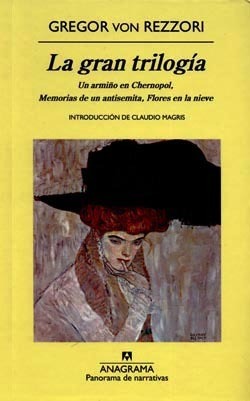
Un armiño en Chernopol, Memorias de un antisemita, Flores en la nieve


This story is an excerpt from the American edition of The Hussar, privately printed as a New Year's greeting to friends of the author and his publishers. Translated by Catherine Hutter.

El descubrimiento de Italia supuso para Gregor von Rezzori, nacido en Czernowitz en 1914, el hallazgo de un hogar definitivo, la superación del nomadismo al que lo obligaron sus circunstancias vitales, pero también una cura de la barbarie de la que salió ileso en Alemania, entre 1938 y 1945, y, sobre todo, un reencuentro consigo mismo, un liberarse del odio acumulado. Italia —país en el que vivió y trabajó de forma casi permanente durante los últimos treinta años de su vida— significó una especie de estilizada reunión con el mundo perdido de su infancia y primera adolescencia, el mundo de Czernowitz y de Bucovina, con su mezcla de culturas. Ese amor por su país de adopción se reflejó en múltiples artículos y ensayos. Los textos de esta antología, escritos entre 1967 y 1996, son el resultado de una larga búsqueda en archivos, hemerotecas y entre los papeles póstumos de Von Rezzori, conservados en su casa de la Toscana. Invitan al lector a un viaje por los paisajes italianos y dan fe de sus dotes como gran observador de la realidad. También nos hablan de un von Rezzori que, en Cerdeña, Milán, Roma o Venecia, ejerce la crítica social (con artes literarias) contra fenómenos como la masificación del turismo, la especulación inmobiliaria, la pérdida del valor del arte o la americanización de Europa. Bajo su mirada, y en su prosa ácida, los vestigios del pasado, materiales e inmateriales, cobran plena vida espectral, porque, seamos italianos o no, «nadie vive del todo en el aquí y en el ahora».


Italien oder Wie althergebrachte Gemeinplätze durch neue zu ersetzen sind.
by Gregor von Rezzori


In gehobenen Kreisen
by Gregor von Rezzori
In gehobenen Kreisen - bk127; Herbig Verlag; Gregor von Rezzori; Paperback; 1978
Vivat Vamp
by Gregor von Rezzori
[The Snows of Yesteryear (New York Review Books Classics)] [By: Rezzori, Gregor Von] [December, 2008]
by Gregor von Rezzori