
Virginia Woolf
(Adeline) Virginia Woolf was an English novelist and essayist regarded as one of the foremost modernist literary figures of the twentieth century. During the interwar period, Woolf was a significant figure in London literary society and a member of the Bloomsbury Group. Her most famous works include the novels Mrs. Dalloway (1925), To the Lighthouse (1927), and Orlando (1928), and the book-length essay A Room of One's Own (1929) with its famous dictum, "a woman must have money and a room of her own if she is to write fiction."
30 Books Written

The Waves is a 1931 novel by Virginia Woolf. It is considered her most experimental work, and consists of soliloquies spoken by the book's six Bernard, Susan, Rhoda, Neville, Jinny, and Louis. Also important is Percival, the seventh character, though readers never hear him speak in his own voice. The soliloquies that span the characters' lives are broken up by nine brief third-person interludes detailing a coastal scene at varying stages in a day from sunrise to sunset. As the six characters or "voices" speak Woolf explores concepts of individuality, self and community. Each character is distinct, yet together they compose (as Ida Klitgård has put it) a gestalt about a silent central consciousness. In a 2015 poll conducted by BBC, The Waves was voted the 16th greatest British novel ever written.

Text published by Wordsworths Classics in 1994. In 2002 was added an Introduction and Notes by Dr Nicola Bradbury, University of Reading . To the Lighthouse is the most autobiographical of Virginia Woolf's novels. It is based on her own early experiences, and while it touches on childhood and children's perceptions and desires, it is at its most trenchant when exploring adult relationships, marriage and the changing class-structure in the period spanning the Great War.

A Room of One's Own is considered Virginia Woolf's most powerful feminist essay, justifying the need for women to possess intellectual freedom and financial independence. Based on a lecture given at Girton College, Cambridge, the essay is one of the great feminist polemics, ranging in its themes from Jane Austen and Charlotte Bronte to the silent fate of Shakespeare's gifted (imaginary) sister and the effects of poverty and sexual constraint on female creativity.Virginia Woolf (1882-1941) is regarded as a major twentieth-century author and essayist, a key figure in literary history as a feminist and a modernist, and the centre of 'The Bloomsbury Group'.

Mrs. Dalloway (Annotated): Original 1925 Edition with Contemporary Biography of Virginia Woolf
by Virginia Woolf
• 1 recommendation ❤️
This annotated edition of Mrs. Dalloway Step into the enchanting world of Virginia Woolf's Mrs. Dalloway , a modernist masterpiece that takes readers on a mesmerizing journey through the bustling streets of post-World War I London. Set over the course of a single day, the narrative unfolds with poetic grace and explores the inner lives of its characters with remarkable insight. This captivating story follows Clarissa Dalloway, an upper-class woman whose thoughts meander through memories, desires, and societal expectations as she prepares for an evening party. Through the artistry of Woolf's stream-of-consciousness narration, the reader is immersed in a rich tapestry of thoughts, emotions, and introspection. Interwoven with Clarissa's tale is the poignant narrative of Septimus Warren Smith, a war veteran grappling with the haunting effects of his experiences. Their parallel stories shed light on the complexities of post-war society, the constraints of social norms, and the delicate nature of human connection. With lyrical prose and daring narrative techniques, Woolf's Mrs. Dalloway invites readers to explore themes of time, identity, and the profound impact of war on the human psyche. A timeless classic that continues to resonate, this novel is an exquisite portrait of a society in flux and an intimate exploration of the depths of the human soul. This edition of Mrs. Dalloway includes a contemporary biography of author Virginia Woolf in addition to the original text of the novel, first published in 1925. Add Mrs. Dalloway to your collection of classics today!

Virginia Woolf's Orlando 'The longest and most charming love letter in literature', playfully constructs the figure of Orlando as the fictional embodiment of Woolf's close friend and lover, Vita Sackville-West. Spanning three centuries, the novel opens as Orlando, a young nobleman in Elizabeth's England, awaits a visit from the Queen and traces his experience with first love as England under James I lies locked in the embrace of the Great Frost. At the midpoint of the novel, Orlando, now an ambassador in Constantinople, awakes to find that he is now a woman, and the novel indulges in farce and irony to consider the roles of women in the 18th and 19th centuries. As the novel ends in 1928, a year consonant with full suffrage for women. Orlando, now a wife and mother, stands poised at the brink of a future that holds new hope and promise for women.
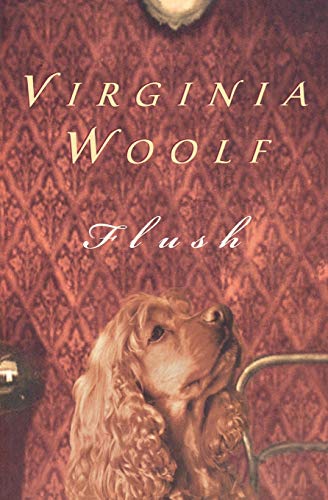
This rare and vintage book is a perfect addition to any bibliophile's collection

ویرجینیا وولف یکی از نویسندگان اثرگذار در تاریخ ادبیات جهان است، خواننده ی فارسی زبان هم با او آشنا است و آگاه است که دلیل اصلیِ ماندگاریِ نام او در دنیای ادبیات، استفاده از جریان سیال ذهن است. ویرجینیا وولف از 1920 که شروع به نوشتن "اتاق جیکوب" کرد، اولین تلاش هایش را برای شکستن قالب های کلاسیک و استفاده از جریان سیال ذهن انجام داد و نوآوری و خلاقیتِ خود را با ارائه ی این کتاب بروز داد. با به پایان رسیدنِ رمان در 1922 ، می دانست کسی حاضر به چاپ چنین رمان ساختار شکنی نخواهد شد بنابراین آن را در انتشارات خود و همسرش به چاپ رساند اما نتایج حاصل از این کار حیرت آور بود. علیرغم انتقادهای تندِ چند تن از نویسندگان آن زمان به سبکِ وولف در" اتاق جیکوب"، نام وولف به دلیل استفاده از جریان سیال ذهن، در کنار جویس، ریچاردسون و پروست قرار گرفت. همین امر دلگرمیِ لازم را به وولف داد تا سبک خودش را به پیش ببرد و از همین رو "اتاق جیکوب" مقدمه ای برای نوشتن "خانم دلوی" محسوب می شود.برخی معتقدند سال 1922 نقطه ی عطفی در تاریخ ادبیات است، در این سال آثار بسیار متفاوتی نسبت به گذشته عرضه شدند، از جمله اینکه اسکات مانکریف رمان"در جستجوی زمان از دست رفته" را به انگلیسی ترجمه کرد، "اولیس" اثر جیمز جویس، "سرزمین بی حاصل" اثر تی اس الیوت و "اتاق جیکوب" اثر وولف منتشر شدند.چند سال پیش از انتشار این کتابها، یعنی در 1919 جنگ جهانیِ اول به پایان رسید. جنگی ویرانگر که میلیونها نفر در آن جان خود را از دست دادند و زندگی انسانهای بازمانده، نگاه شان به دنیا و احساسات و عواطف شان تحت تأثیر آن قرار گرفته بود. عده ای از نویسندگان و هنرمندان به این نتیجه رسیدند که داستان به سبک گذشته، نمی تواند پیچیدگی ها و درگیری های ذهنیِ انسانها را تمام و کمال بنمایاند، به همین جهت در صددِ راهی بودند تا احساس درونی و وضعیتِ اجتماعیِ آدمها را به بهترین وجه بیان کنند. به این ترتیب بود که نویسنده های دورانِ مدرن، هر کدام به نوعی دغدغه ها و حال و هوای بشر مدرن را با سَبکی در خورِ دوران جدید، مطرح کردند.وولف از همین رمان، سبک جدید نوشتن اش را آغاز می کند، حالت میانه ای بین سبک مرسوم روایی آن زمان و سبک رادیکال خودش دارد، در "اتاق جیکوب"با رمانی بدون طرح داستانی و با گسستگی های زمانی مواجهیم ، به طوریکه خواننده با پیش رفتنِ داستان، ارتباط منطقی بین بخش های مختلف را درک می کند. زاویه دید دائماً تغییر می کند. مکان ها، چشم اندازها، زمان ها، خیال و واقعیت همه در هم تنیده اند. شخصیت ها به طور کامل معرفی نمی شوند و فقط تصاویر گذرایی هستند که شبح وار می آیند و می روند. او به شیوه ی خودش تأکید می کند که انسانها را نمی شود کاملاً شناخت، در طول رمان هیچ وقت به شخصیت اصلیِ رمان نزدیک نمی شویم و او مدام از دور دیده و بررسی می شود. وولف در این رمان به گونه ای این سؤال را دائماً ایجاد می کند که در دنیایی که نمی شود آدمها را شناخت و روابط آدمها چندان قوی و جدی نیست و سرنوشت نهاییِ همه مرگ است، چطور می شود فاصله ی بین تولد و مرگ را پر کرد؟وولف در جنگهای مختلف، عزیزانِ زیادی را از دست داده بود. این رمان هم مثل چند رمان دیگر او متأثر از این واقعه ی شوم است، هر چند مستقیماً به صحنه های جنگ نمی پردازد اما حال و هوای دوران جنگ را به خوبی تصویر می کند، او در این رمان، نامِ خانوادگیِ شخصیت اصلی داستان را که به همراه برادرانش به جنگ می رود، " فلاندرز" گذاشته و فلاندرز نام منطقه ای است که بریتانیا در جنگ جهانی اول بیشترین تلفات را در آن مکان داشته است، انگار وولف با این نامگذاری می گوید نام خانوادگی تمام جوانهای کشته شده در جنگ، فلاندرز است تا از یادها نروند. علاوه بر این، دغدغه های فمنیستی وولف در این کتاب هویداست، به آثار ادبی و تاریخی و باستانیِ بسیاری اشاره می کند، فضای ادبی و مسائل سیاسیِ روز را مورد توجه قرار می دهد. اما یکی از نکات مهم و قابل ذکر، غوغای رنگها در این رمان است و اینکه نویسنده طبیعت را مکرراً با ظرافت به تصویر می کشد و نام پرندگان و حشرات بسیاری متنوعی را می برَد تا به این وسیله چیزی را در ازای پوچیِ زندگیِ شخصیتهای داستان که در جهانی مدرن زندگی می کنند، ارائه کند.از آنجا که ترجمه ی این کتاب نیاز به آگاهی در زمینه های مختلف داشت، با مطالعه و کمک گرفتن از کتابهای متعددی که در زمینه نقد و بررسی این رمان نوشته شده، به ترجمه آن پرداخته ام و به دلیل اینکه خواندن و درکِ کتاب برای مخاطب فارسی زبان، بدون توضیحات اضافه تقریباً غیر ممکن است، از پانویس استفاده کرده ام. نام حشرات و پرندگان و گیاهان، بر اساس نامهای علمیِ مورد قبول در حشره شناسی، پرنده شناسی ، گیاه شناسی ذکر شده اند و توضیحات لازم برای هر کدام نوشته شده است. هرجا که به آداب و رسوم یا مکانهای خاصی اشاره شده و در درکِ رمان نقش داشته اند، توضیحاتِ لازم در پانویس آمده است.فرایند ترجمه هیچگاه خالی از اشکال نیست، اما تلاش خود را در زمینه وفاداری به لحن وولف و همچنین محتوای رمان کرده ام. این کتاب علیرغم حجم کم، جای بحث و بررسی فراوان دارد و معانی زیادی در کلمات و جملاتش نهفته است، اما خواننده با سپردنِ خود به دستِ جریانِ جملات، فضا را به خوبی درک خواهد کرد.

Woolf’s first novel is a haunting book, full of light and shadow. It takes Mr. and Mrs. Ambrose and their niece, Rachel, on a sea voyage from London to a resort on the South American coast. “It is a strange, tragic, inspired book whose scene is a South America not found on any map and reached by a boat which would not float on any sea, an America whose spiritual boundaries touch Xanadu and Atlantis” (E. M. Forster).
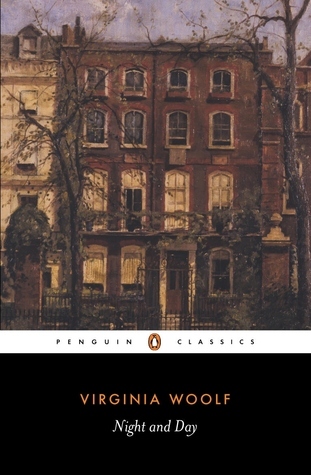
Katharine Hilbery is beautiful and privileged, but uncertain of her future. She must choose between becoming engaged to the oddly prosaic poet William Rodney, and her dangerous attraction to the passionate Ralph Denham. As she struggles to decide, the lives of two other women - women's rights activist Mary Datchet and Katharine's mother, Margaret, struggling to weave together the documents, events and memories of her own father's life into a biography - impinge on hers with unexpected and intriguing consequences. Virginia Woolf's delicate second novel is both a love story and a social comedy, yet it also subtly undermines these traditions, questioning a woman's role and the very nature of experience.

In Woolf's last novel, the action takes place on one summer's day at a country house in the heart of England, where the villagers are presenting their annual pageant. A lyrical, moving valedictory.

An invaluable guide to the art and mind of Virginia Woolf, drawn from the personal record she kept over a period of twenty-seven years.Included are entries that refer to her own writing, and those that are relevant to the raw material of her work, and, finally, comments on the books she was reading. The first entry included here is dated 1918 and the last, three weeks before her death in 1941. Between these points of time unfolds the private world—the anguish, the triumph, the creative vision—of one of the great writers of the twentieth century.“A Writer’s Diary . . . is Virginia Woolf . . . The whole vibrates with the ups and downs of a passionate relationship . . . in the intensities, variations, alarms and excursions, panics and exaltations of her relationship to her art.”— New York Times Book ReviewEdited and with a Preface by Leonard Woolf.

The most popular of Virginia Woolf's novels during her lifetime, The Years is a savage indictment of British society at the turn of the century, edited with an introduction and notes by Jeri Johnson in Penguin Modern Classics.The Years is the story of three generations of the Pargiter family - their intimacies and estrangements, anxieties and triumphs - mapped out against the bustling rhythms of London's streets during the first decades of the twentieth century. Growing up in a typically Victorian household, the Pargiter children must learn to find their footing in an alternative world, where the rules of etiquette have shifted from the drawing-room to the air-raid shelter. A work of fluid and dazzling lucidity, The Years eschews a simple line of development in favour of a varied and constantly changing style, emphasises the radical discontinuity of personal experiences and historical events. Virginia Woolf's penultimate novel celebrates the resilience of the individual self and, in her dazzlingly fluid and distinctive voice, she confidently paints a broad canvas across time, generation and class.

'I am reduced to a thing that wants Virginia. I composed a beautiful letter to you in the sleepless nightmare hours of the night, and it has all gone. I just miss you...' At a dinner party in 1922, Virginia Woolf met the renowned author, aristocrat - and sapphist - Vita Sackville-West. Virginia wrote in her diary that she didn't think much of Vita's conversation, but she did think very highly of her legs. It was to be the start of almost twenty years of flirtation, friendship, and literary collaboration. Their correspondence ended only with Virginia's tragic death in 1941.Intimate and playful, these selected letters and diary entries allow us to hear these women's constantly changing feelings for each other in their own words. Eavesdrop on the affair that inspired Virginia to write her most fantastical novel, Orlando, and glimpse into their extraordinary lives: from Vita's travels across the globe, to Virginia's parties with the Bloomsbury set; from their shared love of dogs and nature, to their grief at the beginning of the Second World War. Discover a relationship that - even a hundred years later - feels radical and relatable.WITH AN ORIGINAL INTRODUCTION FROM ALISON BECHDEL, AUTHOR OF FUN HOME AND CREATOR OF THE BECHDEL TEST.

The author received three separate requests for a gift of one guinea-one for a women’s college building fund, one for a society promoting the employment of professional women, and one to help prevent war and “protect culture, and intellectual liberty.” This book is a threefold answer to these requests-and a statement of feminine purpose.

In these texts, Virginia Woolf considers the implications of the historical exclusion of women from education and from economic independence. In A Room of One's Own (1929), she examines the work of past women writers, and looks ahead to a time when women's creativity will not be hampered by poverty, or by oppression. In Three Guineas (1938), however, Woolf argues that women's historical exclusion offers them the chance to form a political and cultural identity which could challenge the drive towards fascism and war.

The stories found in A Haunted House reflect Virginia Woolf's experimental writing style and act as an enlightening introduction to the longer fiction of this pioneer novelist. Gathering works from the previously published Monday or Tuesday, as well as stories published in American and British magazines, this book compiles some of the best shorter fiction of one of the most important writers of our time.

Moments of Being contains Virginia Woolf's only autobiographical writing. In "Reminiscences," the first of five pieces, she focuses on the death of her mother, "the greatest disaster that could happen," and its effect on her father, the demanding Victorian patriarch. Three of the papers were composed to be read to the Memoir Club, a postwar regrouping of Bloomsbury, which exacted absolute candor of its members."A Sketch of the Past" is the longest and most significant of the pieces, giving an account of Virginia Woolf's early years in the family household at 22 Hyde Park Gate. A recently discovered manuscript belonging to this memoir has provided material that further illuminates her relationship to her father, Leslie Stephen, who played a crucial role in her development as an individual and as a writer.
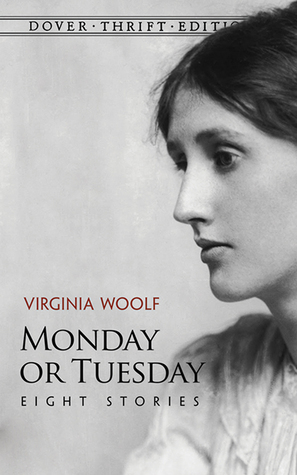
One of the most distinguished critics and innovative authors of the twentieth century, Virginia Woolf published two novels before this collection appeared in 1921. However, it was these early stories that first earned her a reputation as a writer with "the liveliest imagination and most delicate style of her time." Influenced by Joyce, Proust, and the theories of William James, Bergson, and Freud, she strove to write a new fiction that emphasized the continuous flow of consciousness, time's passage as both a series of sequential moments and a longer flow of years and centuries, and the essential indefinability of character.Readers can discover these and other aspects of her influential style in the eight stories collected here, among them a delightful, feminist put-down of the male intellect in "A Society" and a brilliant and sensitive portrayal of nature in "Kew Gardens." Also included are "An Unwritten Novel," "The String Quartet," "A Haunted House," "Blue & Green," "The Mark on the Wall," and the title story.In recent years, Woolf's fiction, feminism, and high-minded sensibilities have earned her an ever-growing audience of readers. This splendid collection offers those readers not only the inestimable pleasures of the stories themselves, but an excellent entrée into the larger body of Woolf's work.

In this poignant and humorous work, Virginia Woolf observes that though illness is part of every human being's experience, it has never been the subject of literature—like the more acceptable subjects of war and love. We cannot quote Shakespeare to describe a headache. We must, Woolf says, invent language to describe pain. And though illness enhances our perceptions, she observes that it reduces self-consciousness; it is "the great confessional." Woolf discusses the cultural taboos associated with illness and explores how illness changes the way we read. Poems clarify and astonish, Shakespeare exudes new brilliance, and so does melodramatic fiction! On Being Ill was published as an individual volume by Hogarth Press in 1930. While other Woolf essays, such as A Room of One's Own and Three Guineas, were first published by Hogarth as individual volumes and have since been widely available, On Being Ill has been overlooked. The Paris Press edition features original cover art by Woolf's sister, the painter Vanessa Bell. Hermione Lee's Introduction discusses this extraordinary work, and explores Woolf's revelations about poetry, language, and illness.

"The Mark on the Wall" is the first published story by Virginia Woolf. It was published in 1917 as part of the first collection of short stories written by Virginia Woolf and her husband, Leonard Woolf, called Two Stories. It was later published in New York in 1921 as part of another collection entitled Monday or Tuesday. The Mark on the Wall is written in the first person, as a "stream of consciousness" monologue. The narrator notices a mark on the wall, and muses on the workings of the mind. Themes of religion, self-reflection, nature, and uncertainty are explored. The narrator reminisces about the development of thought patterns, beginning in childhood.

In 1927, at The Hogarth Press, Virginia Woolf produced and published a limited edition of what was to become one of her best-loved stories. The book's jacket design and page illustrations were by her sister, artist Vanessa Bell. More than sixty years later, The Hogarth Press at Chatto & Windus has published a lovely facsimile of that prized edition of 'Kew Gardens'. The lush and haunting story circles around Kew Gardens one hot day in July, as various odd and interesting couples walk by and talk, exchanging words but letting thoughts and memories float languorously above the glossy leaves and exotic blooms, while at their feet, a determined snail makes its way slowly across a mountainous flower bed. Elegantly produced, a precise replica of that 1927 special edition, with Vanessa Bell's jacket and decorative drawings, this is a rare treat for Bloomsbury devotees and all who love beautiful books.
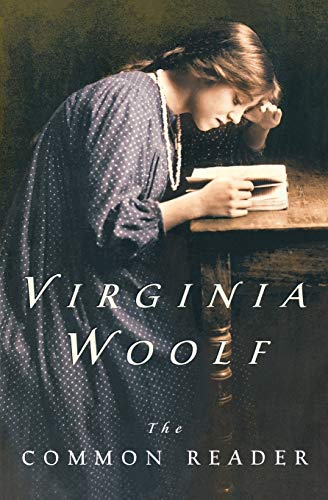
Woolf's first and most popular volume of essays. This collection has more than twenty-five selections, including such important statements as "Modern Fiction" and "The Modern Essay."

تضافرت الحكايتان معًا على شكل مشروع كتاب عن القراءة، وكان أن أصدرته في محاولة للبحث عن قراء مثاليين يملؤون هذا العالم حكمة ويقينًا بنظرتهم المختلفة ووعيهم المتزايد تجاه النصوص الماثلة أمامهم، ومنها إلى تأليف وكتابة متميزين ينبعان من قراءة مميزة.كل ما يطلبه منك هذا الكتاب هو ألا تقرأ مثل باقي الناس وإلا ستفكر مثلهم. فهذه المجموعة ليست عن الكتب، ولا عن المكتبات، بل عن القراءة كفعل وممارسة وكيف ينظر لها تسعة من كبار المؤلفين العالميين الذين أثروا العالم بنتاجهم المتميز. لا أطلب منك أن تتبع ما قالوه – وإن أردت فهذا خيارك –، لكن لا تقرأ كما كنت تفعل، أو على الأقل لا تقرأ لأجل ما كنت تقرأ لأجله. اقرأ بشكل مختلف لترى بطريقة مختلفة، ومن هنا ستنطلق وتعبر عن ذاتك بما يختلف عن بقية من حولك. سترى في هذا الكتاب نماذج مختلفة من القراء المميزين ونظرتهم المختلفة للقراءة وما يتصل بها، مما سيخرج بك – كما آمل – إلى مستوى جديد للقراءة، سواء باتباعهم أو بشق طريقك الخاص.
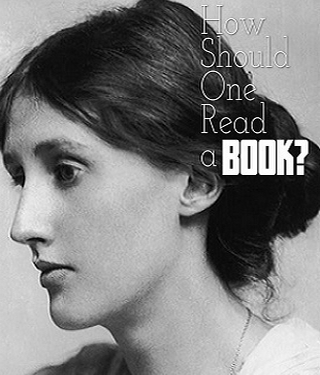
In 1926 Virginia Woolf wrote an essay entitled, "How Should One Read a Book?" to deliver as a lecture at a private girls' school in Kent, England. In revised form it appears to have been first published in The Yale Review, October, 1926. Along with other essays, it first appeared in book form in Woolf's The Common Reader: Second Series in 1932.

“Nothing yet published about her so totally contradicts the legend of Virginia Woolf.... [This] is a first chance to meet the writer in her own unguarded words and to observe the root impulses of her art without the distractions of a commentary” (New York Times). Edited and with a Preface by Anne Olivier Bell; Introduction by Quentin Bell; Index.

'The London Scene' is a collection of essays written by one of London's most acclaimed writers. Virginia Woolf was born and lived much of her life in the city, using it as the backdrop for many of her works.The essays cover London Docks, Oxford Street Tide, Great Men's Houses, Abbeys and Cathedrals, "This is the House of Commons", and Portrait of a Londoner. The essays were first published in the 'Good Housekeeping' magazine, beginning in the spring of 1931 and then bi-monthly through to December 1932.There is also a chapter on 'The History of The London Scene', which when first published in America was entitled 'The London Scene: Five Essays.' 'The Portrait of a Londoner' was the essay not included and, indeed, this edition has that essay included in the collection for the first time.
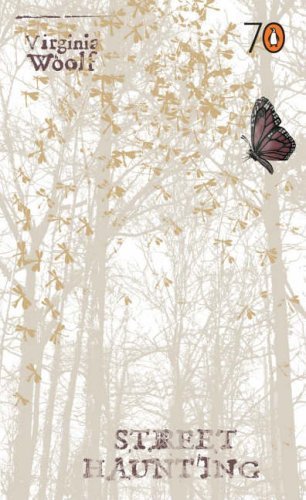
Six short stories and / or essays, extracted from The Crowded Dance of Modern Life (1993) and Selected Short Stories (1993).

A highly acclaimed collection of twenty-eight essays, sketches, and short stories presenting nearly every facet of the author's work. "Up to the author's highest standard in a literary form that was most congenial to her" (Times Literary Supplement (London)). "Exquisitely written" (New Yorker); "The riches of this book are overwhelming" (Christian Science Monitor). Editorial Note by Leonard Woolf.

Imprevisível, divertido e inteligente, este conto acompanha a aventura da Sra. Gage, uma velha viúva que descobre uma herança inesperada com a ajuda de um papagaio invulgar. "Não está ninguém em casa!", "Não está ninguém em casa!" é só o que o papagaio James sabe dizer, mas ele esconde um segredo, assim como esta história esconde uma lição…
