
Moisés Naím
Moisés Naím is an internationally-syndicated columnist and best-selling author of influential books. In 2011, he launched Efecto Naím, an innovative weekly television program highlighting surprising world trends with visually-striking videos, graphics and interviews with world leaders which is widely watched in Latin America today. Dr. Naím gained international recognition with the successful re-launch of the prominent journal Foreign Policy and, over his fourteen years (1996-2010) as editor, turned the magazine into a modern, award-winning publication on global politics and economics. Author of books: * Paper Tigers and Minotaurs: The Politics of Venezuela's Economic Reforms (1993, economics) * Altered States: Globalization, Sovereignty and Governance (2000, economics) * Illicit: How Smugglers, Traffickers and Copycats Are Hijacking the Global Economy (2005, economics) * The End of Power: From Boardrooms to Battlefields and Churches to States, Why Being in Charge Isn't What It Used to Be (2013, social studies)
17 Books Written

The End of Power: From Boardrooms to Battlefields and Churches to States, Why Being In Charge Isn't What It Used to Be
by Moisés Naím
Rating: 3.9 ⭐
• 2 recommendations ❤️
The provocative bestseller explaining the decline of power in the twenty-first century -- in government, business, and beyond.Power is shifting -- from large, stable armies to loose bands of insurgents, from corporate leviathans to nimble start-ups, and from presidential palaces to public squares. But power is also changing, becoming harder to use and easier to lose. In The End of Power , award-winning columnist and former Foreign Policy editor Moisés Naím illuminates the struggle between once-dominant megaplayers and the new micropowers challenging them in every field of human endeavor. Drawing on provocative, original research and a lifetime of experience in global affairs, Naím explains how the end of power is reconfiguring our world."The End of Power will . . . change the way you look at the world." -- Bill Clinton"Extraordinary." -- George Soros"Compelling and original." -- Arianna Huffington"A fascinating new perspective . . . Naím makes eye-opening connections." -- Francis Fukuyama

From the New York Times bestselling author of The End of Power comes an edge-of-your-seat political thriller about rival spies, dangerous love, and one of history’s most devastating revolutions.Venezuela, 1992. Unknown colonel Hugo Chávez stages an ill-fated coup against a corrupt government, igniting the passions of Venezuela’s poor and catapulting the oil-rich country to international attention. For two rival spies hurriedly dispatched to Caracas—one from Washington, DC, and the other from Fidel Castro’s Cuba—this is a career-defining mission.Smooth-talking Iván Rincón of Cuba’s Intelligence Directorate needs a rebel ally to secure the future of his own country. His support Chávez and the revolution by rallying the militants and neutralizing any opposing agents.Meanwhile, the CIA’s Cristina Garza will do everything in her power to cut Chávez’s influence short. Her stabilize the greatest oil reserves on the planet by ferreting out and eliminating Cuba’s principal operative.As Chávez surges to power, Iván and Cristina are caught in the fallout of a toxic political time an intrepid female reporter and unwitting informant, a drug lord and key architect in Chávez’s rise, and personal entanglements between the spies themselves. With everything at stake, the adversaries find themselves at the center of a game of espionage, seduction, murder, and shifting alliances playing out against the precarious backdrop of a nation in free fall. A thrilling fictional story based on unimaginable real-life events.

The Revenge of Power: How Autocrats Are Reinventing Politics for the 21st Century
by Moisés Naím
Rating: 4.2 ⭐
Populizm, polaryzacja i postprawda – trzy dobrze znane narzędzia manipulacji wykorzystywane przez rządzących. Współcześni autokraci połączyli te techniki, by w nowy, przerażający sposób podkopywać fundamenty demokracji. Naím ujawnia powiązania pomiędzy wydarzeniami o globalnym zasięgu a taktykami politycznymi, które stosowane razem prowadzą do głębokiej, często ukrytej, transformacji władzy i polityki na całym świecie. Wyjaśnia, w jaki sposób w miejscach i sytuacjach całkowicie odmiennych pod względem politycznym, ekonomicznym i społecznym obieranie tych samych strategii prowadzi do koncentracji władzy, a także ujawnia mechanizmy opracowane przez autokratów do walki z osłabiającymi ich siłami.
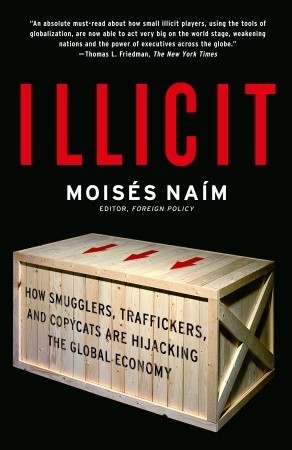
Illicit: How Smugglers, Traffickers, and Copycats are Hijacking the Global Economy
by Moisés Naím
Rating: 3.7 ⭐
A groundbreaking investigation of how illicit commerce is changing the world by transforming economies, reshaping politics, and capturing governments.In this fascinating and comprehensive examination of the underside of globalization, Moises Naím illuminates the struggle between traffickers and the hamstrung bureaucracies trying to control them. From illegal migrants to drugs to weapons to laundered money to counterfeit goods, the black market produces enormous profits that are reinvested to create new businesses, enable terrorists, and even to take over governments. Naím reveals the inner workings of these amazingly efficient international organizations and shows why it is so hard — and so necessary to contain them. Riveting and deeply informed, Illicit will change how you see the world around you.

Una compilación de los mejores artículos de Moisés Naím, uno de los analistas más agudos del panorama internacional, sobre los últimos y más trascendentes cambios que ha experimentado el mundo.«Muchos se conforman con la versión simple y estereotipada de un buenos y malos; decentes e inmorales; ricos y pobres. Quienes quieren saber más, leen a Moisés Naím.»Yoani SánchezDesde hace años Moisés Naím ocupa la posición de Observador Global en las páginas de numerosos diarios y ha tratado todas las grandes crisis y las pequeñas transformaciones que están configurando el sorprendente mundo del siglo el auge y los tropezones de China, los límites sobrevenidos de los poderosos, la recesión económica global y su titubeante recuperación, los problemas que afronta una Europa envejecida, dividida e insegura, el retorno de las identidades...Este libro recoge sus mejores columnas de los últimos cinco años, escritas bajo cuatro principios sorprender, conectar, voltear e informar. El resultado es un extraordinario recorrido por noventa y nueve sorpresas que nos hacen repensar el mundo en que vivimos.Reseñ«Moisés Naím es uno de los analistas más originales, lucidos y clarividentes de nuestros tiempos. En estas páginas nos ayuda a entender el siglo XXI de una manera asequible, irreverente y divertida.» Enrique Krauze, historiador mexicano«A pocas personas les cabe el mundo en la cabeza. Cuando algo raro ocurre, en Venezuela, Ucrania, en Corea, en Alemania o en Brasil, me digo siempre lo ¿qué pensará sobre esto Moisés Naím? Siempre da una respuesta inteligente y original.» Héctor Abad Faciolince, novelista colombiano«Para ver el mundo como un caleidoscopio, a pesar de la velocidad en la que cambian las imágenes ycomprender los problemas globales de hoy, nada mejor que leer este libro.» Fernando Henrique Cardoso, ex presidente de Brasil

Un retrato del mundo que no renuncia a un futuro más optimista desde la mirada de uno de los analistas más influyentes de la actualidad.«A pocas personas les cabe el mundo en la cabeza. Cuando algo raro ocurre, en Venezuela, Ucrania, en Corea, en Alemania o en Brasil, me digo siempre ¿qué pensará sobre esto Moisés Naím? Siempre da una respuesta inteligente y original».Héctor Abad FaciolinceIncluso en estos tiempos convulsos de polarización política y crispación social, el analista Moisés Naím es capaz de observar el mundo con su habitual perspicacia. Lo quenosestápasando reúne muchas de las columnas que ha publicado en prensa (en España, de la mano del diario El País) desde 2016 con el objetivo de ofrecer una mirada serena y analítica sobre los problemas del mundo.El alcance es realmente desde el auge de Trump o Bolsonaro hasta la pandemia de la COVID-19, pasando por la invasión rusa de Ucrania y el conflicto entre Israel y Palestina. Además, texto a texto, va desplegando una batería de claves necesarias para construir un futuro con mayor prosperidad, libertad y justicia.La crítica ha «Otro libro original de un pensador original, que ofrece una perspectiva global única sobre el populismo y el poder». Anne Applebaum (sobre La revancha de los poderosos)«Moisés Naím es un agudo observador de la realidad sociopolítica contemporá a nadie puede extrañar que haya escrito un libro brillante sobre los riesgos a los que se enfrenta la democracia liberal». Manuel Arias Maldonado, El Español«El fin del poder cambiará tu manera de leer las noticias, tu manera de pensar en política y tu manera de mirar al mundo.» Bill Clinton«En La revancha de los poderosos, Moisés Naím, uno de los observadores más agudos de la política mundial, cataloga exhaustivamente las amenazas a la democracia por parte de dictadores, populistas y empresas durante estos últimos años, y establece paralelos perspicaces a través de ámbitos muy dispares. Una obra importante y oportuna». Frank Fukuyama«Muchos se conforman con la versión simple y estereotipada de un buenos y malos; decentes e inmorales; ricos y pobres. Quienes quieren saber más, leen a Moisés Naím.» Yoani Sánchez (sobre Repensar el mundo. 101 sorpresas del siglo XXI)

Charlatans: How Grifters, Swindlers, and Hucksters Bamboozle the Media, the Markets, and the Masses
by Moisés Naím
Rating: 3.8 ⭐
From snake-oil salesmen to Donald Trump, the gripping story of charlatans—and why we fall for them For centuries charlatans have been bamboozling victims. But today, charlatanry is more lucrative and global than ever. Using the power of digital technology, our age’s charlatans have spun a worldwide web of exploitation on an unprecedented scale. In Charlatans, global affairs experts Moisés Naím and Quico Toro investigate how charlatans fool us and why they’ve become so influential today. They argue that modern charlatans exploit the same weak points in human cognition as the snake-oil salesmen of the old West. They earn our trust, trick us into believing they have some special skill or knowledge, then exploit us. In some ways, nothing has changed. But, today, charlatans are digital, viral, and global. Whether they’re health gurus pushing pseudoscience or crypto bros orchestrating Ponzi schemes, modern charlatans rapidly amass worldwide audiences on the internet and social media using a common set of strategies. These hucksters swiftly swindle unsuspecting victims, as our slow-moving institutions struggle to respond. Packed with insights on how to avoid being duped by charlatans, this is an eye-opening journey through the brazen deception and brutal victimization at the heart of this new global scourge.

Este ensayo es un texto clave para explicar el declive político, económico y social que ha sufrido Venezuela desde el ascenso del chavismo al poder.«¿Qué le pasó a Venezuela? ¿Cómo es posible que las cosas le salieran tan mal?»La crisis de Venezuela es uno de los acontecimientos más relevantes en lo que llevamos de siglo. Resulta necesario comprender cuáles han sido las causas que han llevado al país hasta el punto en el que se encuentra.«Se respira opresió las detenciones arbitrarias son normales y la tortura común.»Este es clima diario en el que viven sus habitantes, rodeados por la corrupción, la pobreza y las injusticias impuestas por el sistema político chavista.

Political and economic reform is at the top of national agendas around the world. This book based on Moises Naim's participation in the Venezuelan reform experience and as executive director at the World Bank raises questions and explores problems crucial to achieving national reform strategies. Naim's lucid analysis grapples with the problems of dealing with entrenched interests bent on derailing reform; allaying the corrosive effects of corruption and public outcry over inequitable burdens; coping with the political instability brought on by decimated public institutions; managing the impact of reforms on the military establishment; and mobilizing public support for measures as essential as they are painful. The heady days of revolution are gone and these and other dilemmas now confront besieged reform governments everywhere. The problem of managing these in the real world is the subject this book tackles.

Del capítulo 17 de Mosés Naím¿Por qué son tan informales las organizaciones venezolanas? ¿Es suficiente decir que el venezolano es despreocupado y tropical para explicar el enorme peso que tiene la conducta informal en el funcionamiento de nuestras organizaciones? ¿Por qué es común entre nosotros destinar esfuerzos significativos para crear detallados manuales con normas y procedimientos que poco se cumplen? ¿Cómo se explica la frecuencia con la cuál las organizaciones venezolanas invierten en costosas computadoras que después apenas usan? ¿Es normal que, para tener éxito en su trabajo, un gerente tenga que depender tanto de los favores personales de una amplia gama de personas dentro y fuera de su organización? ¿Por qué entre nuestros altos gerentes la lealtad al grupo suele ser tanto o más valorada que la capacidad de trabajo o el talento? En estos diecisiete capítulos estas preguntas y otras afines las exploran investigadores del IESA como Moisés Naím, Ignacio Ávalos, Aaaron Cohen, Víctor Dezerega, Antonio Francés, Esmeralda Garbi de Rangel, Henry Gómez Samper, George Kastner, Janet Kelly de Escobar, Tulio Mejías, Ramón Piñango, Jaime Sabal, Cristina Vanmarcke de Pieretti y Horacio Viana.Índice- PRIMERA PARTE: EL CONTEXTO- SEGUNDA PARTE: ¿CÓMO MANEJAN LAS EMPRESAS VENEZOLANAS EL DINERO, LOS CLIENTES, LA PRODUCCIÓN, LA GENTE, LA INFORMACIÓN Y LA TECNOLOGÍA?- TERCERA PARTE: LOS GERENTES VENEZOLANOS- CUARTA PARTE: NUEVAS EMPRESAS, NUEVOS MERCADOS Y NUEVAS REALIDADES- QUINTA PARTE: CONCLUSIÓNGlosario

Charlatanes: Cómo estafadores, farsantes y embaucadores manipulan a los medios, a los mercados y a las masas
by Moisés Naím

Illicit by Moises Naim
by Moisés Naím

Futuribles 289, septembre 2003. La géopolitique des drogues: L'avenir de l'Afrique : le NEPAD
by Moisés Naím
This work has been selected by scholars as being culturally important, and is part of the knowledge base of civilization as we know it. This work was reproduced from the original artifact, and remains as true to the original work as possible. Therefore, you will see the original copyright references, library stamps (as most of these works have been housed in our most important libraries around the world), and other notations in the work.This work is in the public domain in the United States of America, and possibly other nations. Within the United States, you may freely copy and distribute this work, as no entity (individual or corporate) has a copyright on the body of the work.As a reproduction of a historical artifact, this work may contain missing or blurred pages, poor pictures, errant marks, etc. Scholars believe, and we concur, that this work is important enough to be preserved, reproduced, and made generally available to the public. We appreciate your support of the preservation process, and thank you for being an important part of keeping this knowledge alive and relevant.
Latin America's Journey to the Market: From Macroeconomic Shocks to Institutional Therapy (OCCASIONAL PAPERS
by Moisés Naím