
J.D. Salinger
Librarian Note: There is more than one author by this name in the Goodreads database. Works, most notably novel The Catcher in the Rye (1951), of American writer Jerome David Salinger often concern troubled, sensitive adolescents. People well know this author for his reclusive nature. He published his last original work in 1965 and gave his last interview in 1980. Reared in city of New York, Salinger began short stories in secondary school and published several stories in the early 1940s before serving in World War II. In 1948, he published the critically acclaimed story "A Perfect Day for Bananafish" in The New Yorker, his subsequent home magazine. He released an immediate popular success. His depiction of adolescent alienation and loss of innocence in the protagonist Holden Caulfield especially influenced adolescent readers. Widely read and controversial, sells a quarter-million copies a year. The success led to public attention and scrutiny: reclusive, he published new work less frequently. He followed with a short story collection, Nine Stories (1953), of a novella and a short story, Franny and Zooey (1961), and a collection of two novellas, Raise High the Roof Beam, Carpenters and Seymour: An Introduction (1963). His last published work, a novella entitled "Hapworth 16, 1924", appeared in The New Yorker on June 19, 1965. Afterward, Salinger struggled with unwanted attention, including a legal battle in the 1980s with biographer Ian Hamilton. In the late 1990s, Joyce Maynard, a close ex-lover, and Margaret Salinger, his daughter, wrote and released his memoirs. In 1996, a small publisher announced a deal with Salinger to publish "Hapworth 16, 1924" in book form, but the ensuing publicity indefinitely delayed the release. Another writer used one of his characters, resulting in copyright infringement; he filed a lawsuit against this writer and afterward made headlines around the globe in June 2009. Salinger died of natural causes at his home in Cornish, New Hampshire.
31 Books Written

DeDaumier-Smith's Blue Period, Teddy, and A Perfect Day for Bananafish are among the nine works in a collection of Salinger's perceptive and realistic short stories
‘Everything everybody does is so—I don’t know—not wrong, or even mean, or even stupid necessarily. But just so tiny and meaningless and—sad-making. And the worst part is, if you go bohemian or something crazy like that, you’re conforming just as much only in a different way.’First published in The New Yorker as two sequential stories, ‘Franny’ and ‘Zooey’ offer a dual portrait of the two youngest members of J. D. Salinger’s fictional Glass family.Franny Glass is a pretty, effervescent college student on a date with her intellectually confident boyfriend, Lane. They appear to be the perfect couple, but as they struggle to communicate with each other about the things they really care about, slowly their true feelings come to the surface. The second story in this book, ‘Zooey’, plunges us into the world of her ethereal, sophisticated family. When Franny’s emotional and spiritual doubts reach new heights, her older brother Zooey, a misanthropic former child genius, offers her consolation and brotherly advice.Written in Salinger’s typically irreverent style, these two stories offer a touching snapshot of the distraught mindset of early adulthood and are full of the insightful emotional observations and witty turns of phrase that have helped make Salinger’s reputation what it is today.

Raise High the Roof Beam, Carpenters and Seymour: An Introduction
by J.D. Salinger
Rating: 4.0 ⭐
• 2 recommendations ❤️
The last book-length work of fiction by J. D. Salinger published in his lifetime collects two novellas about "one of the liveliest, funniest, most fully realized families in all fiction" ( New York Times ).These two novellas, set seventeen years apart, are both concerned with Seymour Glass--the eldest son of J. D. Salinger's fictional Glass family--as recalled by his closest brother, Buddy."He was a great many things to a great many people while he lived, and virtually all things to his brothers and sisters in our somewhat outsized family. Surely he was all real things to our blue-striped unicorn, our double-lensed burning glass, our consultant genius, our portable conscience, our supercargo, and our one full poet..."

Issu d'une famille aisée à New York, Holden Caulfield intègre le pensionnat Pencey Prep en Pennsylvanie. Mais, quand il est viré à la fin du semestre car il a " foiré en quatre matières ", il s'en va plus tôt que prévu pour quelques jours d'aventure. C'est ainsi qu'on devient son partenaire et confident dans une aventure de délinquance innocente. Même s'il n'a pas envie de raconter " toutes ces conneries ", c'est exactement ce qu'il va faire - heureusement pour nous, puisqu'on découvre une histoire captivante, un portrait incontournable de l'Amérique de l'après-guerre et l'un des personnages les plus aimés de la littérature.Holden passe son temps entre taxis, boîtes de jazz et les étrangers d'un New York transi de froid de l'époque McCarthy. C'est une ville parfois éblouissante, parfois ahurissante, mais toujours frappante, dans laquelle Holden essaie de fuir les " ploucs " et trouver sa place à lui. Quand il décide de partir, seul Phoebe, sa petite soeur et peut-être sa seule amie depuis la mort de son petit frère, Allie, veut l'accompagner.Avec un humour féroce pince-sans-rire et une innocence désarmante, Holden a ému des millions de lecteurs à travers le monde. Après soixante ans, L'Attrape-coeurs, premier et unique roman de J. D. Salinger, tient toujours la forme. Pourquoi un tel succès ? Objet de réflexions sur la souffrance de l'adolescence, la transition de l'enfance à l'âge adulte et toutes les questions existentielles qui nous traversent durant cette période, le livre reste un rite de passage pour les jeunes de tous âges.

追风筝的人+麦田里的守望者
by J.D. Salinger
"A Perfect Day for Bananafish" is a short story by J. D. Salinger, originally published in the January 31, 1948 issue of The New Yorker. It was anthologized in 1949's 55 Short Stories from The New Yorker, as well as in Salinger's 1953 collection, Nine Stories.

A young and ambitious writer named Jerome David Salinger set his goals very high very early in his career. He almost desperately wished to publish his early stories in The New Yorker magazine, the pinnacle, he felt, of America’s literary world. But such was not to be for several long years and the length of one long world war. The New Yorker, whose tastes in literary matters were and remain notoriously prim and fickle, was not quite ready for this brash and over-confident newcomer with the cynical worldview and his habit of slangy dialogue. But other magazines were quick to recognize a new talent, a fresh voice at a time when the world verged on madness. Story magazine, an esteemed and influential small circulation journal devoted exclusively to the art of the short story and still active and respected today, was the first publication to publish the name J.D. Salinger and the story “The Young Folks” in 1940, an impressive view of New York’s cocktail society and two young people talking past one another, their conversation almost completely meaningless and empty. His next short story was published in a college journal, The University of Kansas City Review, “Go See Eddie,” a tale of quiet menace as an unsavory male character gradually turns up the pressure on a young lady to see a man named Eddie. Also published in 1940, the story is notable for the backstory that is omitted – a technique that Hemingway used to great effect. Four years later toward the end of Salinger’s war experience saw the publication of “Once A Week Won’t Kill You,” again in Story magazine. Ostensibly about a newly minted soldier trying to tell an aging aunt he is going off to war, some may see the story as a metaphor for preparing one’s family for the possibility of wartime death. Three Early Stories is the first legitimately published book by J.D. Salinger in more than 50 years. Devault-Graves Digital Editions, a publisher that specializes in reprinting the finest in American period literature, is proud to bring you this anthology by one of America’s most innovative and inspiring authors.
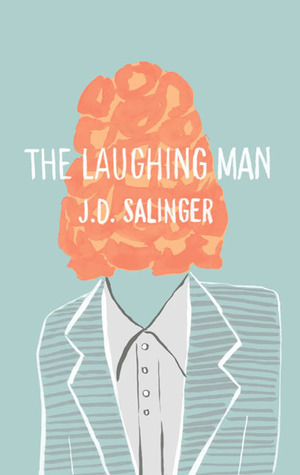
Повести:Над пропастью во ржиВыше стропила, плотникиРассказы:Хорошо ловится рыбка-бананкаЧеловек, который смеялсяГолубой период Де Домье-СмитаЛапа-растяпа


This novella in letter form was first published in The New Yorker in 1965. An almost superhumanly precocious Seymour Glass, age 7, writes home from camp, describing his life and already showing signs of being the sensitive outsider trapped in a world that can have no comprehension of who he is.

The Catcher in the Rye/Franny and Zooey/Nine Stories/Raise High the Roof Beam
by J.D. Salinger
Rating: 4.2 ⭐
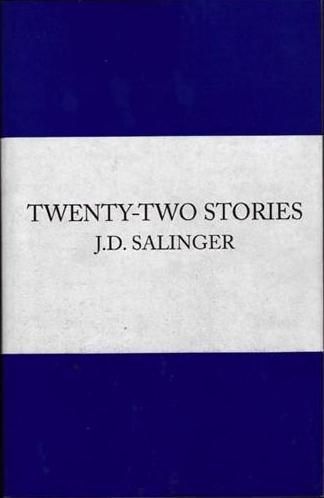
A new "bootleg book", containing all 22 missing stories in one perfect-bound volume. The book is blue, with a paper ring around the cover. It has the title stamped on the title page and attributes itself to "Train Bridge Recluse" as a publisher. Supposedly, 1000 copies were made. This book contains twenty short stories and two novellas that have never before been collected or published outside of their original magazine appearences due to the wishes of the author who has declined to publish any of his work since 1965. Stories collected here for the first time include two 30,000 word novellas (The Inverted Forest & Hapworth 16, 1924), two stories featuring Holden Caulfield in expanded scenes from The Catcher in the Rye (I'm Crazy & Slight Rebellion Off Madison), and the Babe Gladwaller and Vincent Caulfield series (Last Day of the Last Furlough, This Sandwich Has No Mayonnaise & The Stranger). This collection includes all known works by Salinger not already widely available.

A short story by J.D. Salinger, originally published February 1948 in Good Housekeeping Magazine. The story was republished in Best American Short Stories 1949, ed. Martha Foley, 1949.

ماجرا از جایی شروع می شود که قهرمان داستان موقع بستن چمدانش سیگاری به لب دارد. از ظاهرش معلوم نبود که کسل است یا دلواپس یا... به خاطر اینکه دود سیگار چشمهایش را اذیت نکند چهره اش را در هم کشیده بود. زن جوانی در اتاق بود که در آفتاب پشت پنجره نشسته بود و از رفتارش مشخص است که همسرش به مکانی نامناسب می رود.


Էլեկտրոնային գիրքն անվճար ներբեռնել ԱՅՍՏԵՂ։Ամերիկացի գրող Ջերոմ Դեյվիդ Սելինջերի (1919-2010) երկերը զգալի ազդեցություն են թողել 20-րդ դարի երկրորդ կեսի մշակույթի վրա։ Նրա ստեղծագործությունների հիմնական թեման պատանիների կյանքն է, նրանց և շրջապատող իրականության փոխհարաբերությունը։ Հրատարակությունը ներառում է գրողի պատմվածքները, որոնք հայերենով լույս են տեսել «Հայպետհրատի» «Լավագույն պատմվածքի մատենաշարով»։

"Blue Melody" is a short story by J. D. Salinger, first published in the September 1948 issue of Cosmopolitan. The tragic tale of an African-American jazz singer, the story was inspired by the life of Bessie Smith and was originally titled "Scratchy Needle on a Phonograph Record."[1] Cosmopolitan changed the title to "Blue Melody" without Salinger's consent, a "slick" magazine tactic that was one of the reasons the author decided, in the late forties, that "he wanted to publish only in The New Yorker."

این کتاب شامل ۱۶ داستان کوتاه سلینجر است که از میان دهها داستان او برگزیده شده است. تعدادی از این داستانها نیز به اعضای خانوادهی گلاس glass مربوط میشوند که در کتابهای دیگر سلینجر نیز حضور دارند.

Американский писатель Джером Дэвид Сэлинджер хорошо известен советскому читателю, который полюбил его молодых героев — одиноких бунтарей, неспособных примириться с пошлостью и фальшью окружающего их «общества потребления». Настоящий сборник объединяет большинство произведений писателя, составляющих так называемую «сагу о Глассах», знакомит читателей со всеми членами этой семьи, в меру своих сил стремящимися нести в окружающий их иррациональный и жестокий мир крупицы истины и добра.Издание сопровождается вступительной статьей и комментариями, оно предназначается для широких кругов читателей, владеющих английским языком.

The story was initially going to appear in Harper's Bazaar, but Salinger withdrew the story before publication. This story is available only in the Princeton library. Those who wish to read it must check in with two forms of ID with the librarian, and are then supervised while they read the story behind the closed doors of a special reading room. As per the terms of Salinger's donation of the manuscript to Princeton, it cannot be published until 50 years after his death; thus, the earliest it can be published is January 27, 2060. (Princeton Library guide pg. 2 line 5).

DO NOT CONFUSE WITH THREE EARLY STORIES !Includes:"The Ocean Full of Bowling Balls""Birthday Boy""Paula"It's worth pointing out that Salinger wouldn't be too happy about the leak. A notoriously private man, he'd requested in his will that they not be published any earlier than 2051. So, you have an ethical decision to make—but if you do want to read them, you can do so here:http://www.mediafire.com/error.php?er...

В однотомник відомого американського письменника Джерома Д. Селінджера входить центральний його твір - "Над прірвою у житі", а також повість "Вище крокви, будівничі" й оповідання.

جی دی سلینجر در زندگیاش فقط یک رمان و بیست و دو داستان کوتاه نوشته است. با این همه، جایگاه او در تاریخ ادبیات داستانی جهان، مهم است. او پس از موفقیت باور نکردنی رمان ناطور دشت کنج عزلت گزید و به نویسندهای اسرارآمیز بدل شد. این ساندویچ مایونز ندارد گزیدهی ده داستان کوتاه از سلینجر است. مفقودالاثر، مفقودالاثر، مفقودالاثر. همهش دروغه!... اون قبلا هیچ وقت مفقودالاثر نبوده. احتمال مفقود شدن اون از هر پسر دیگهای تو دنیا کمتره. اون اینجا تو این کامیونه؛ اون نیویورک تو خونهس... روی ایوان نشسته، ناخنهاشو میجوه و داره با من تنیس دو نفره بازی میکنه و سرم داد میزنه...

Relato publicado en septiembre de 1941 en Esquire magazine y traducido por JavierMarías para Poesía n.º 29, otoño-invierno de 1987.

Девет разказа:Идеален ден за лов на рибка-бананка (A Perfect Day for Bananafish, 1948) Мече буболече (Uncle Wiggily in Connecticut, 1948) В навечерието на войната с ескимосите (Just Before the War with the Eskimos, 1948) Човека, който се смее (The Laughing Man, 1949) Долу при платноходката (Down at the Dinghy, 1949) На Есме — с обич и омерзение (For Esmé — with Love and Squalor, 1950) Устата ми хубава, очите ми зелени (Pretty Mouth and Green my Eyes, 1951) Синият период на де Домие-Смит (De Daumier-Smith’s Blue Period, 1952) Теди (Teddy, 1953) Семейство Глас:Франи (Franny, 1955) Зуи (Zooey, 1957) По-горе билото, майстори! (Raise High the Roof Beam, Carpenters, 1955) Сиймор, запознаване (Seymour: An Introduction, 1959)

From the moment J. D. Salinger published The Catcher in the Rye in 1951, he was stalked by besotted fans, would-be biographers, and pushy journalists. In this collection of rare and revealing encounters with the elusive literary giant, Salinger discusses—sometimes willingly, sometimes grudgingly—what that onslaught was like, the autobiographical origins of his art, and his advice to writers. Including his final, surprising interview, and with an insightful introduction by New York Times journalist David Streitfeld, these enlightening, provocative, and even amusing conversations reveal a writer fiercely resistant to the spotlight but powerless to escape its glare.