
Sunny Hostin Recommended Books
American lawyer, journalist, and television host
3 Books Recommended

The New Jim Crow: Mass Incarceration in the Age of Colorblindness
by Michelle Alexander
Rating: 4.6 ⭐
• 8 recommendations ❤️
"Jarvious Cotton's great-great-grandfather could not vote as a slave. His great-grandfather was beaten to death by the Klu Klux Klan for attempting to vote. His grandfather was prevented from voting by Klan intimidation; his father was barred by poll taxes and literacy tests. Today, Cotton cannot vote because he, like many black men in the United States, has been labeled a felon and is currently on parole."As the United States celebrates the nation's "triumph over race" with the election of Barack Obama, the majority of young black men in major American cities are locked behind bars or have been labeled felons for life. Although Jim Crow laws have been wiped off the books, an astounding percentage of the African American community remains trapped in a subordinate status--much like their grandparents before them.In this incisive critique, former litigator-turned-legal-scholar Michelle Alexander provocatively argues that we have not ended racial caste in America: we have simply redesigned it. Alexander shows that, by targeting black men and decimating communities of color, the U.S. criminal justice system functions as a contemporary system of racial control, even as it formally adheres to the principle of color blindness. The New Jim Crow challenges the civil rights community--and all of us--to place mass incarceration at the forefront of a new movement for racial justice in America.
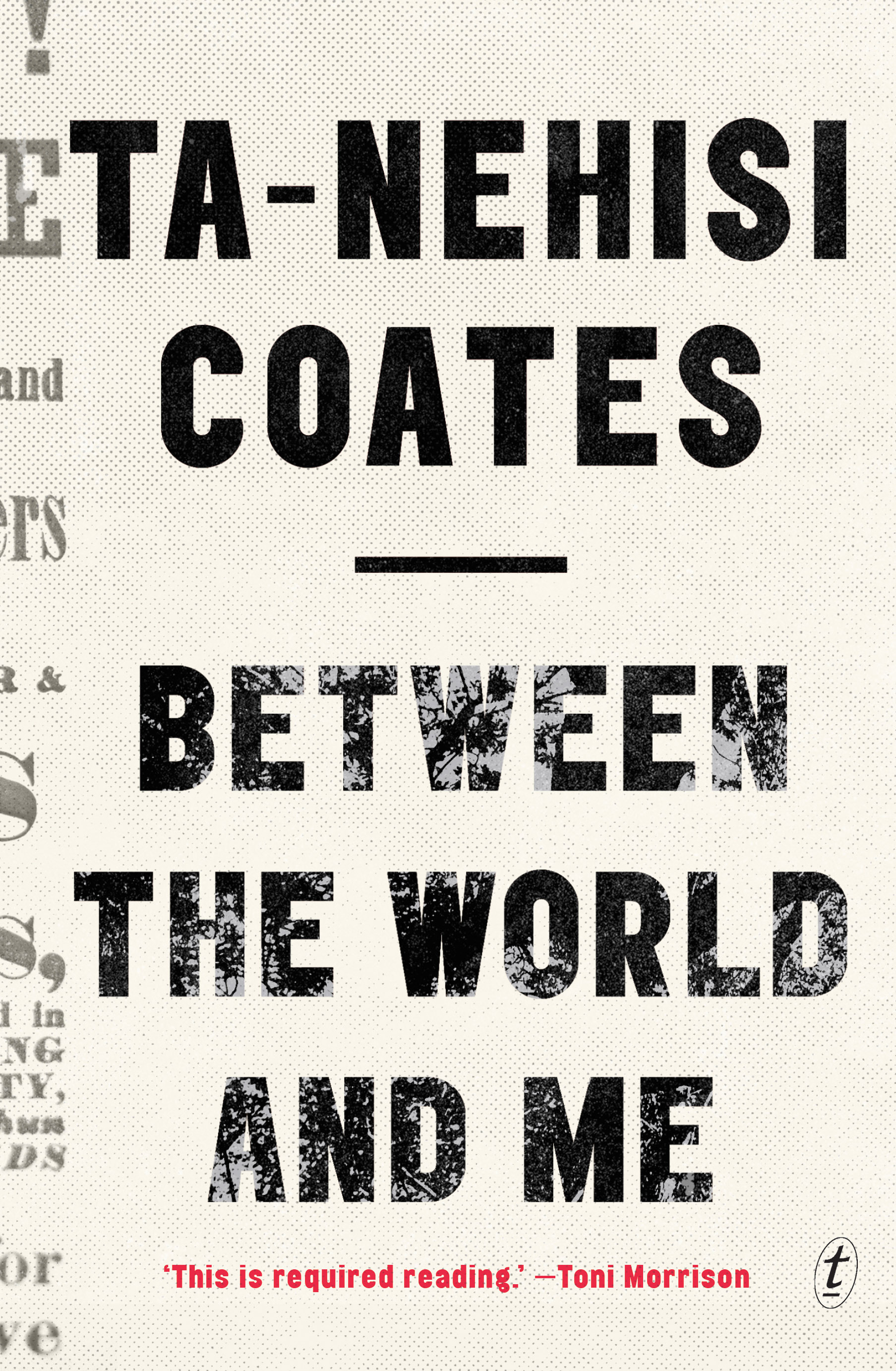
In the 150 years since the end of the Civil War and the ratification of the Thirteenth Amendment, the story of race and America has remained a brutally simple one, written on flesh: it is the story of the black body, exploited to create the country’s foundational wealth, violently segregated to unite a nation after a civil war, and, today, still disproportionately threatened, locked up and killed in the streets. What is it like to inhabit a black body and find a way to live within it? And how can America reckon with its fraught racial history?Between the World and Me is Ta-Nehisi Coates’ attempt to answer those questions, presented in the form of a letter to his adolescent son. Coates shares with his son—and readers—the story of his own awakening to the truth about history and race through a series of revelatory experiences: immersion in nationalist mythology as a child; engagement with history, poetry and love at Howard University; travels to Civil War battlefields and the South Side of Chicago; a journey to France that reorients his sense of the world; and pilgrimages to the homes of mothers whose children’s lives have been taken as American plunder. Taken together, these stories map a winding path towards a kind of liberation—a journey from fear and confusion, to a full and honest understanding of the world as it is.Masterfully woven from lyrical personal narrative, reimagined history, and fresh, emotionally charged reportage, Between the World and Me offers a powerful new framework for understanding America’s history and current crisis, and a transcendent vision for a way forward.Source: textpublishing.com.au

The Purpose of Power: How We Come Together When We Fall Apart
by Alicia Garza
Rating: 4.3 ⭐
• 2 recommendations ❤️
An essential guide to building transformative movements to address the challenges of our time, from one of the country’s leading organizers and a co-creator of Black Lives Matter “Excellent and provocative . . . a gateway [to] urgent debates.”—Keeanga-Yamahtta Taylor, The New YorkerNAMED ONE OF THE BEST BOOK OF THE YEAR BY Time • Marie Claire • Kirkus ReviewsIn 2013, Alicia Garza wrote what she called “a love letter to Black people” on Facebook, in the aftermath of the acquittal of the man who murdered seventeen-year-old Trayvon Martin. Garza Black people. I love you. I love us. Our lives matter. With the speed and networking capacities of social media, #BlackLivesMatter became the hashtag heard ’round the world. But Garza knew even then that hashtags don’t start movements—people do. Long before #BlackLivesMatter became a rallying cry for this generation, Garza had spent the better part of two decades learning and unlearning some hard lessons about organizing. The lessons she offers are different from the “rules for radicals” that animated earlier generations of activists, and diverge from the charismatic, patriarchal model of the American civil rights movement. She reflects instead on how making room amongst the woke for those who are still awakening can inspire and activate more people to fight for the world we all deserve. This is the story of one woman’s lessons through years of bringing people together to create change. Most of all, it is a new paradigm for change for a new generation of changemakers, from the mind and heart behind one of the most important movements of our time.