
Judd Apatow Recommended Books
American comedian and filmmaker (born 1967)
11 Books Recommended

Thinking in Pictures: The Making of the Movie Matewan
by John Sayles
Rating: 4.2 ⭐
• 2 recommendations ❤️
What choices--creative, practical, and technical--make a movie what it is? Here a gifted writer and filmmaker takes us behind the camera and provides a full description of the movie-making process.When John Sayles turned from writing fiction to making movies, he did so with little help from Hollywood: Return of the Secaucus Seven, Sayles's first movie as director and writer, was produced with 60,000 of his own money. Many films later, he still works outside the studio system and guides every phase of his productions.Now Sayles has written an illuminating book about the complex choices that lie at the heart of every movie. Using the making of his film Matewan as an example, he offers chapters on screenwriting, directing, editing, sound, and more. Photographs, sketches, and the complete shooting script illustrate this engaging account of how Sayles's curiosity about a coal miners' strike in the town of Matewan, West Virginia, became a screenplay--and then a movie.

The classic American novel—winner of the 1958 Pulitzer Prize —now re-published for the 100th anniversary of James Agee ’ s birthOne of Time ’s All-Time 100 Best NovelsA Penguin ClassicPublished in 1957, two years after its author's death at the age of forty-five, A Death in the Family remains a near-perfect work of art, an autobiographical novel that contains one of the most evocative depictions of loss and grief ever written. As Jay Follet hurries back to his home in Knoxville, Tennessee, he is killed in a car accident—a tragedy that destroys not only a life, but also the domestic happiness and contentment of a young family. A novel of great courage, lyric force, and powerful emotion, A Death in the Family is a masterpiece of American literature.
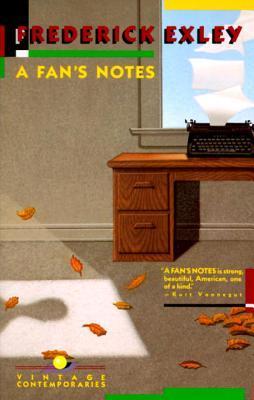
This fictional memoir, the first of an autobiographical trilogy, traces a self professed failure's nightmarish decent into the underside of American life and his resurrection to the wisdom that emerges from despair.

Bachelor Nation: Inside the World of America's Favorite Guilty Pleasure
by Amy Kaufman
Rating: 3.3 ⭐
• 2 recommendations ❤️
*A New York Times Bestseller* The first definitive, unauthorized, behind-the-scenes cultural history of the Bachelor franchise, America's favorite guilty pleasure.For sixteen years and thirty-six seasons, the Bachelor franchise has been a mainstay in American TV viewers' lives. Since it premiered in 2002, the show's popularity and relevance have only grown--more than eight million viewers tuned in to see the conclusion of the most recent season of The Bachelor.Los Angeles Times journalist Amy Kaufman is a proud member of Bachelor Nation and has a long history with the franchise--ABC even banned her from attending show events after her coverage of the program got a little too real for its liking. She has interviewed dozens of producers, contestants, and celebrity fans to give readers never-before-told details of the show's inner workings: what it's like to be trapped in the mansion "bubble"; dark, juicy tales of producer manipulation; and revelations about the alcohol-fueled debauchery that occurs long before the Fantasy Suite.Kaufman also explores what our fascination means, culturally: what the show says about the way we view so-called ideal suitors; our subconscious yearning for fairy-tale romance; and how this enduring television show has shaped society's feelings about love, marriage, and feminism by appealing to a marriage plot that's as old as the best of Jane Austen.

An acclaimed documentary filmmaker comes to terms with her larger-than-life father, the late New York Times journalist David Carr, in this fierce memoir of love, addiction, and family. Dad: What will set you apart is not talent, but will and a certain kind of humility. A willingness to let the world show you things that you play back as you grow as an artist. Talent is cheap. Me: ok i will ponder these things. I am a carr.Dad: that should matter quite a bit, actually not the name but the guts of what that name means.A celebrated journalist, bestselling author, and recovering addict, David Carr was in the prime of his career when he collapsed in the newsroom of The New York Times in 2015. Shattered by his death, his daughter Erin Lee Carr, an up-and-coming documentary filmmaker at age twenty-seven, began combing through the entirety of their shared correspondence--1,936 items in total.What started as an exercise in grief quickly grew into an active investigation: Did her father's writings contain the answers to the questions of how to move forward in life and work without your biggest champion by your side? How could she fill the space left behind by a man who had come to embody journalistic integrity, rigor, and hard reporting, whose mentorship meant everything not just to her, but to the many who served alongside him?In All That You Leave Behind, David Carr's legacy is a lens through which Erin comes to understand her own workplace missteps, existential crises, relationship fails, and toxic relationship with alcohol. Featuring photographs and emails from the author's personal collection, this coming-of-age memoir unpacks the complex relationship between a daughter and her father, their mutual addictions and challenges with sobriety, and the powerful sense of work and family that comes to define them.

Part autobiography, part philosophical inquiry, and part spiritual quest, Comedy Sex God is a hilarious, profound, and enlightening romp around the fertile mind of stand-up stand-out, podcast king, and HBO superstar Pete Holmes.Pete Holmes is the host of the hugely successful podcast, You Made It Weird; a sold-out-every-night stand-up comedian with two HBO specials, and the creator/star of the hit HBO show “Crashing.” But it wasn’t always roses for Pete. Raised an evangelical Christian, Pete’s religion taught him that being “bad” – smoking, drinking, having doubts or pre-marital sex – would get him sent to an eternity in Hell, so, terrified of the God he loved, Pete devoted his life to being “good,” even marrying his first girlfriend at the age of twenty-two only to discover a few years later he was being cheated on. Thanks for nothing, God.Pete’s failed attempt at a picture-perfect life forced him to re-examine his beliefs, but neither atheism, Christianity, nor copious bottles of Yellow Tail led him to enlightenment. Pete longed for a model of faith that served him and his newfound uncertainties about the universe, so he embarked on a soul-seeking journey that continues to this day. Through encounters with mind-altering substances; honing his craft in front of thousands of his comedy fans; and spending time with spiritual savants like Ram Dass, Pete forged a new life—both spiritually and personally.Beautifully written, spiritually profound, and often completely hilarious – imagine Ram Dass’ Be Here Now if written by one of the funniest men alive – Comedy Sex God reveals a man at the top of his game, and a seeker in search of the deeper meanings of life, love, and comedy.

Walk This Way: Run-DMC, Aerosmith, and the Song that Changed American Music Forever
by Geoff Edgers
Rating: 3.6 ⭐
• 2 recommendations ❤️
Washington Post staff writer Geoff Edgers takes a deep dive into the story behind "Walk This Way," Aerosmith and Run-DMC's legendary, groundbreaking mashup that forever changed music. The early 1980s were an exciting time for music. Hair metal bands were selling out stadiums, while clubs and house parties in New York City has spawned a new genre of music. At the time, though, hip hop's reach was limited, an artform largely ignored by mainstream radio deejays and the rock-obsessed MTV network.But in 1986, the music world was irrevocably changed when Run-DMC covered Aerosmith's hit "Walk This Way" in the first rock-hip hop collaboration. Other had tried melding styles. This was different, as a pair of iconic arena rockers and the young kings of hip hop shared a studio and started a revolution. The result: Something totally new and instantly popular. Most importantly, "Walk This Way" would be the first rap song to be played on mainstream rock radio.In Walk This Way, Geoff Edgers sets the scene for this unlikely union of rockers and MCs, a mashup that both revived Aerosmith and catapulted hip hop into the mainstream. He tracks the paths of the main artists--Steven Tyler, Joe Perry, Joseph "Run" Simmons, and Darryl "DMC" McDaniels--along with other major players on the scene across their lives and careers, illustrating the long road to the revolutionary marriage of rock and hip hop. Deeply researched and written in cinematic style, this music history is a must-read for fans of hip hop, rock, and everything in between.

"None of this is real and all of it is true." --Jim CarreyMeet Jim Carrey. Sure, he's an insanely successful and beloved movie star drowning in wealth and privilege--but he's also lonely. Maybe past his prime. Maybe even . . . getting fat? He's tried diets, gurus, and cuddling with his military-grade Israeli guard dogs, but nothing seems to lift the cloud of emptiness and ennui. Even the sage advice of his best friend, actor and dinosaur skull collector Nicolas Cage, isn't enough to pull Carrey out of his slump.But then Jim meets Georgie: ruthless ing�nue, love of his life. And with the help of auteur screenwriter Charlie Kaufman, he has a role to play in a boundary-pushing new picture that may help him uncover a whole new side to himself--finally, his Oscar vehicle! Things are looking up!But the universe has other plans.Memoirs and Misinformation is a fearless semi-autobiographical novel, a deconstruction of persona. In it, Jim Carrey and Dana Vachon have fashioned a story about acting, Hollywood, agents, celebrity, privilege, friendship, romance, addiction to relevance, fear of personal erasure, our "one big soul," Canada, and a cataclysmic ending of the world--apocalypses within and without.

Why President Trump has left us with no choice but to remove him from office, as explained by celebrated Supreme Court lawyer and former Acting Solicitor General Neal Katyal.No one is above the law. This belief is as American as freedom of speech and turkey on Thanksgiving—held sacred by Democrats and Republicans alike. But as celebrated Supreme Court lawyer and former Acting Solicitor General Neal Katyal argues in Impeach, if President Trump is not held accountable for repeatedly asking foreign powers to interfere in the 2020 presidential election, this could very well mark the end of our democracy. To quote President George Washington’s Farewell Address: “Foreign influence is one of the most baneful foes of republican government.” Impeachment should always be our last resort, explains Katyal, but our founders, our principles, and our Constitution leave us with no choice but to impeach President Trump—before it’s too late.

CNN Chief National Security Correspondent Jim Sciutto demonstrates how Donald Trump has disrupted the world order, and lays out just how difficult it will be to restore it.There’s no denying that Donald Trump has disrupted American politics. But what about his legacy around the globe? Trump’s election and subsequent foreign policy have changed the world order, but not for the better.From praising dictators to alienating allies, Trump has made chaos his calling card, and the world has suffered for it. Trump’s foreign policy is hurting the very people who have been on our side for more than seventy years, which leaves them, in turn, isolated and vulnerable without American support. Trump gives comfort to dictators, provides the Taliban with public relations coups, praises Kim Jong-un and their “love notes,” and admires and flatters Vladimir Putin. The White House’s revolving door of staff demonstrates that Trump has no real plan; all serious policymakers—and those who would be a check on his most destructive impulses—are jumping ship.Trump’s impact on the economy is no less disastrous. With every tweet he risks destabilizing world markets. He tells Americans they are winning on trade, while tarriffs have added to the cost of many goods. His reckless attacks on the Fed (“like a powerful golfer who can’t score”) have only made things worse.In World War Trump, Jim Sciutto considers the breadth of Trump’s calamitous legacy on the world stage and shows how his proclivity for chaos is creating a world which is more unstable, violent, and impoverished than it was before.

How to Write One Song: Loving the Things We Create and How They Love Us Back
by Jeff Tweedy
Rating: 4.2 ⭐
• 2 recommendations ❤️
There are few creative acts more mysterious and magical than writing a song. But what if the goal wasn't so mysterious and was actually achievable for anyone who wants to experience more magic and creativity in their life? That's something that anyone will be inspired to do after reading Jeff Tweedy's How to Write One Song.Why one song? Because the difference between one song and many songs isn't a cute semantic trick--it's an important distinction that can simplify a notoriously confusing art form. The idea of becoming a capital-S songwriter can seem daunting, but approached as a focused, self-contained event, the mystery and fear subsides, and songwriting becomes an exciting pursuit.And then there is the energizing, nourishing creativity that can open up. How to Write One Song brings readers into the intimate process of writing one song--lyrics, music, and putting it all together--and accesses the deep sense of wonder that remains at the heart of this curious, yet incredibly fulfilling, artistic act. But it's equally about the importance of making creativity part of your life every day, and of experiencing the hope, inspiration, and joy available to anyone who's willing to get started.