
David Brooks Recommended Books
American journalist, commentator and editor
3 Books Recommended

Becoming Faulkner: The Art and Life of William Faulkner
by Philip M. Weinstein
Rating: 3.9 ⭐
• 2 recommendations ❤️
William Faulkner was the greatest American novelist of the twentieth century, yet he lived a life marked by a pervasive sense of failure. Throughout his career, he remained haunted by his inability to master a series of personal and professional his less-than-heroic military career; the loss of his brother in an airplane crash; a disappointing stint as a Hollywood screenwriter; and a destructive bout with alcoholism. In this imaginative biography, Philip Weinstein--a leading authority on the great novelist--targets Faulkner's embattled sense of self as central to both his life and his work. Weinstein shows how Faulkner's troubled interactions with time, place, and history--with antebellum practices and racial division--take on their fullest meanings in his fiction. Exploring the resonance of his own unpreparedness, Faulkner invented a singular language that captured human consciousness under stress as never before. Becoming Faulkner joins Faulkner's life and art in a bold new way, giving readers a full vantage from which to better understand this twentieth-century literary genius.Weinstein shows how Faulkner's troubled interactions with time, place, and history--with antebellum practices and southern heritage--form a pattern that played out over the course of his entire life. At the same time, these incidents take on their fullest meanings in his fiction. It was in meditating on his failures, his own unreadiness, Weinstein argues, that Faulkner came up with his singular language, one that captured human consciousness under stress as never before. His fruitless striving catapulted American literature to a new level of sophistication.Narrating the events that comprised Faulkner's life, biographers have long struggled to depict his personal complexity, the paradoxes that shaped his decisions and dogged his relationships. But without a consideration of the writing as well, the troubles in the life fail to reveal their deeper resonance. By skillfully analyzing the work while tracing the events, Weinstein achieves a full portrait, revealing struggles that animate his life and shadows that complicate his work. Becoming Faulkner thus conjoins Faulkner's life and art in a bold new way, giving readers a full vantage from which to better understand this twentieth-century literary genius.
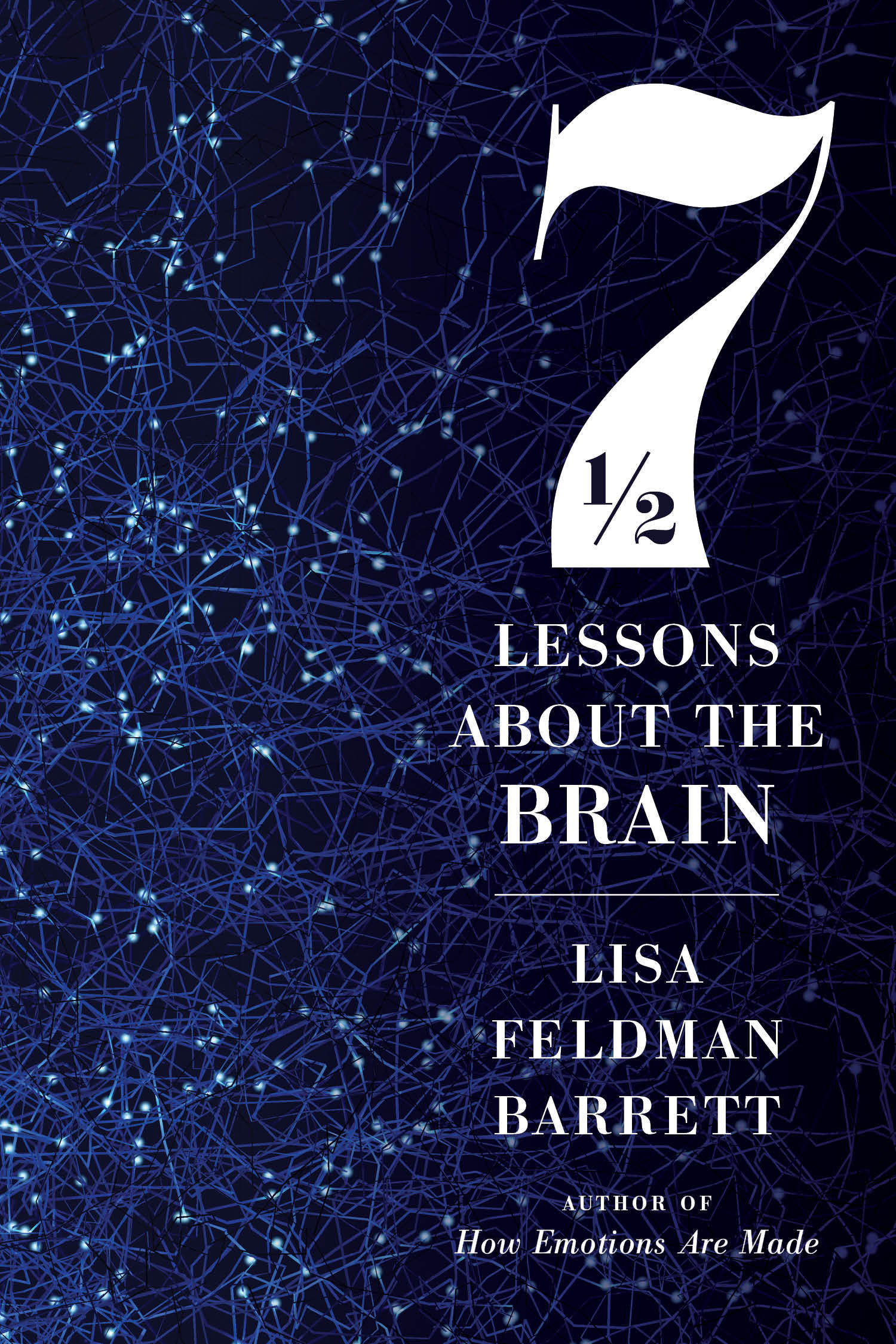
From the author of How Emotions Are Made, a myth-busting primer on the brain in the tradition of Seven Brief Lessons on Physics and Astrophysics for People in a HurryHave you ever wondered why you have a brain? Let renowned neuroscientist Lisa Feldman Barrett demystify that big gray blob between your ears. In seven short essays (plus a bite-size story about how brains evolved), this slim, entertaining, and accessible collection reveals mind-expanding lessons from the front lines of neuroscience research. You’ll learn where brains came from, how they’re structured (and why it matters), and how yours works in tandem with other brains to create everything you experience. Along the way, you’ll also learn to dismiss popular myths such as the idea of a “lizard brain” and the alleged battle between thoughts and emotions—or between nature and nurture—to determine your behavior. Sure to intrigue casual readers and scientific veterans alike, Seven and a Half Lessons About the Brain is full of surprises, humor, and important implications for human nature—a gift of a book that you will want to savor again and again.

Morality: Restoring the Common Good in Divided Times
by Jonathan Sacks
Rating: 4.3 ⭐
• 2 recommendations ❤️
A distinguished religious leader's stirring case for reconstructing a shared framework of virtues and values.With liberal democracy embattled, public discourse grown toxic, family life breaking down, and drug abuse and depression on the rise, many fear what the future holds.In Morality , respected faith leader and public intellectual Jonathan Sacks traces today's crisis to our loss of a strong, shared moral code and our elevation of self-interest over the common good. We have outsourced morality to the market and the state, but neither is capable of showing us how to live. Sacks leads readers from ancient Greece to the Enlightenment to the present day to show that there is no liberty without morality and no freedom without responsibility, arguing that we all must play our part in rebuilding a common moral foundation.A major work of moral philosophy, Morality is an inspiring vision of a world in which we can all find our place and face the future without fear.