
3 Books Recommended

Brilliant distillations of the strategies of war—and the subtle social game of everyday life—by the bestselling author of The 48 Laws of Power and Mastery Robert Greene's groundbreaking guides, The 48 Laws of Power, The Art of Seduction, and his latest book, Mastery, espouse profound, timeless lessons from the events of history to help readers vanquish an enemy, ensnare an unsuspecting victim, or become the greatest in your field. In The 33 Strategies of War, Greene has crafted an important addition to this ruthless and unique series. Spanning world civilizations, synthesizing dozens of political, philosophical, and religious texts and thousands of years of violent conflict, The 33 Strategies of War is a comprehensive guide to the subtle social game of everyday life informed by the most ingenious and effective military principles in war. Structured in Greene's trademark style, The 33 Strategies of War is the I-Ching of conflict, the contemporary companion to Sun Tzu's The Art of War. Abundantly illustrated with examples from history, including the folly and genius of everyone from Napoleon to Margaret Thatcher, Shaka the Zulu to Lord Nelson, Hannibal to Ulysses S. Grant, as well as movie moguls, Samurai swordsmen, and diplomats, each of the thirty-three chapters outlines a strategy that will help you win life's wars. Learn the offensive strategies that require you to maintain the initiative and negotiate from a position of strength, or the defensive strategies designed to help you respond to dangerous situations and avoid unwinnable wars. The great warriors of battlefields and drawing rooms alike demonstrate prudence, agility, balance, and calm, and a keen understanding that the rational, resourceful, and intuitive always defeat the panicked, the uncreative, and the stupid. An indispensable book, The 33 Strategies of War provides all the psychological ammunition you need to overcome patterns of failure and forever gain the upper hand.
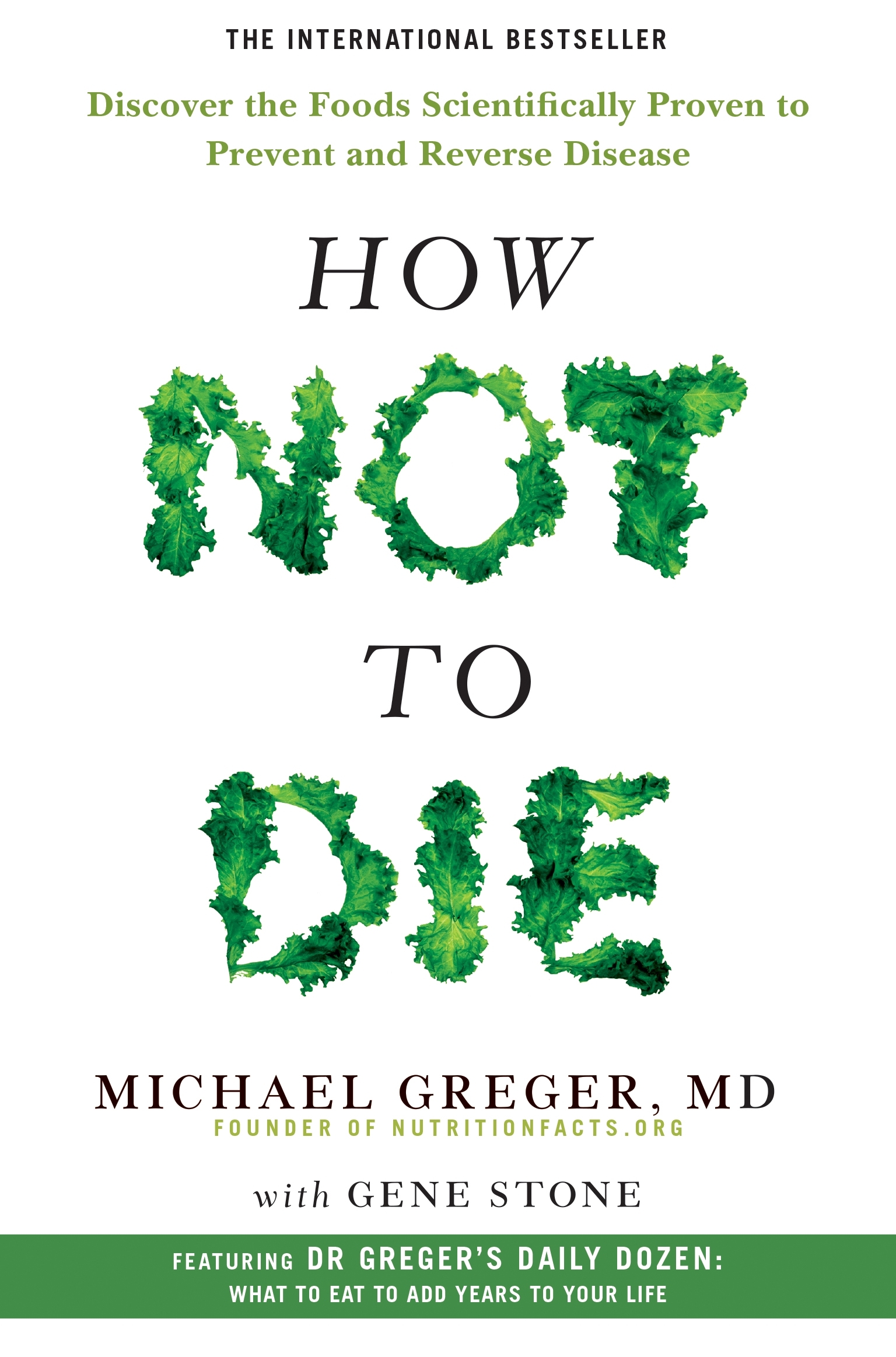
How Not to Die: Discover the Foods Scientifically Proven to Prevent and Reverse Disease
by Michael Greger
Rating: 4.5 ⭐
• 2 recommendations ❤️
New York Times Bestseller"This book may help those who are susceptible to illnesses that can be prevented."—His Holiness the Dalai Lama"Absolutely the best book I've read on nutrition and diet" –Dan Buettner, author of The Blue Zones SolutionFrom the physician behind the wildly popular NutritionFacts website, How Not to Die reveals the groundbreaking scientific evidence behind the only diet that can prevent and reverse many of the causes of disease-related death.The vast majority of premature deaths can be prevented through simple changes in diet and lifestyle. In How Not to Die, Dr. Michael Greger, the internationally-renowned nutrition expert, physician, and founder of NutritionFacts, examines the fifteen top causes of premature death in America-heart disease, various cancers, diabetes, Parkinson's, high blood pressure, and more-and explains how nutritional and lifestyle interventions can sometimes trump prescription pills and other pharmaceutical and surgical approaches, freeing us to live healthier lives.The simple truth is that most doctors are good at treating acute illnesses but bad at preventing chronic disease. The fifteen leading causes of death claim the lives of 1.6 million Americans annually. This doesn't have to be the case. By following Dr. Greger's advice, all of it backed up by strong scientific evidence, you will learn which foods to eat and which lifestyle changes to make to live longer.History of prostate cancer in your family? Put down that glass of milk and add flaxseed to your diet whenever you can. Have high blood pressure? Hibiscus tea can work better than a leading hypertensive drug-and without the side effects. Fighting off liver disease? Drinking coffee can reduce liver inflammation. Battling breast cancer? Consuming soy is associated with prolonged survival. Worried about heart disease (the number 1 killer in the United States)? Switch to a whole-food, plant-based diet, which has been repeatedly shown not just to prevent the disease but often stop it in its tracks.In addition to showing what to eat to help treat the top fifteen causes of death, How Not to Die includes Dr. Greger's Daily Dozen -a checklist of the twelve foods we should consume every day. Full of practical, actionable advice and surprising, cutting edge nutritional science, these doctor's orders are just what we need to live longer, healthier lives.

Survival of the Friendliest: Understanding Our Origins and Rediscovering Our Common Humanity
by Brian Hare
Rating: 4.0 ⭐
• 2 recommendations ❤️
A powerful new theory of human nature suggests that our secret to success as a species is our unique friendliness"Brilliant, eye-opening, and absolutely inspiring--and a riveting read. Hare and Woods have written the perfect book for our time."--Cass R. Sunstein, author of How Change Happens and co-author of NudgeFor most of the approximately 300,000 years that Homo sapiens have existed, we have shared the planet with at least four other types of humans. All of these were smart, strong, and inventive. But around 50,000 years ago, Homo sapiens made a cognitive leap that gave us an edge over other species. What happened?Since Charles Darwin wrote about "evolutionary fitness," the idea of fitness has been confused with physical strength, tactical brilliance, and aggression. In fact, what made us evolutionarily fit was a remarkable kind of friendliness, a virtuosic ability to coordinate and communicate with others that allowed us to achieve all the cultural and technical marvels in human history. Advancing what they call the "self-domestication theory," Brian Hare, professor in the department of evolutionary anthropology and the Center for Cognitive Neuroscience at Duke University and his wife, Vanessa Woods, a research scientist and award-winning journalist, shed light on the mysterious leap in human cognition that allowed Homo sapiens to thrive.But this gift for friendliness came at a cost. Just as a mother bear is most dangerous around her cubs, we are at our most dangerous when someone we love is threatened by an "outsider." The threatening outsider is demoted to sub-human, fair game for our worst instincts. Hare's groundbreaking research, developed in close coordination with Richard Wrangham and Michael Tomasello, giants in the field of cognitive evolution, reveals that the same traits that make us the most tolerant species on the planet also make us the cruelest. Survival of the Friendliest offers us a new way to look at our cultural as well as cognitive evolution and sends a clear message: In order to survive and even to flourish, we need to expand our definition of who belongs.