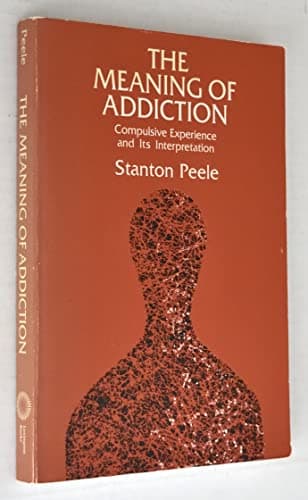
The Meaning of Addiction: Compulsive Experience and Its Interpretation
About this book
The Meaning of Addiction has become the classic expression of the extensive research that shows addiction cannot be resolved biologically—lived human experience and its interpretation are central to the incidence, course, treatment, and remission of addiction. The data presented in this book indicate this is permanently the case. The idea, on the other hand, that new genetic and neurochemical discoveries will eliminate this irrefutable truth is the greatest of all myths about addiction.Meaning made these myths clear even before the director of the National Institute of Mental Health, Steven Hyman, presented the "hijacked brain" meme of addiction. Actually, Hyman discussed how opiates and other drugs act on the brain. But, as this book describes, most opiate users are not addicts, and most addicts give up or reduce their use of opiates as dictated by their life needs. The effects of drugs on the brain are a small variable contributor to addiction that are always mediated by social and personal interpretation.This classic book presents a systematic, seamless model of addiction that makes sense of the natural history for individuals, cultural variations in addictive experience, and the wide range of addictive experiences for different individuals with different involvements at different times and different places. This is the meaning of addiction—something that cannot bypass real people in real settings in in all their experiential and cultural richness. The effort to do otherwise is strange and misguided, scientifically and therapeutically, and will eventually die away—but meanwhile doing horrible mischief“There were two books that really had a significant impact on me on the issue of One was Andrew Weil’s book, The Natural Mind . The second book that really made an impact on me was Stanton Peele’s The Meaning of Addiction .”—Ethan Nadelmann, Founder and Director of Drug Policy Alliance, the primary drug policy reform organization in the U.S.