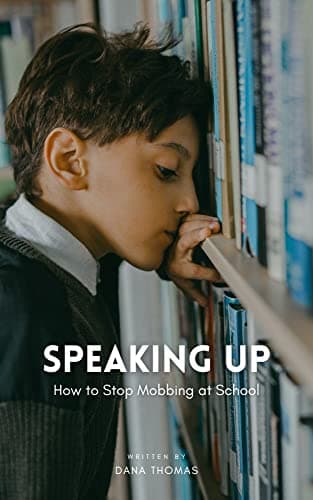
Speaking Up: How to Stop Mobbing at School
About this book
Mobbing is a form of psychological violence that occurs in many different environments, including schools. It is a type of bullying that involves a group of individuals who work together to target and harm a victim. The group may use a variety of tactics to intimidate and isolate the victim, such as spreading rumors, excluding the victim from social activities, or verbally attacking them.The effects of mobbing can be devastating. Victims may experience depression, anxiety, and a sense of hopelessness. They may also suffer from physical symptoms, such as headaches, stomach problems, and insomnia. The impact of mobbing can extend beyond the individual victim and can negatively affect the entire school community.In order to prevent and stop mobbing, it is important to understand its nature and characteristics. Mobbing is different from normal conflicts or disagreements that occur in schools. It is a deliberate and systematic attack on a person, and it often involves a power imbalance between the victim and the aggressors.Mobbing can take many forms, and it can be difficult to recognize. It may involve subtle behaviors, such as excluding the victim from social events, or it may be more overt, such as physical attacks. Regardless of the form it takes, mobbing is harmful and must be addressed.In this guide, we will explore the topic of mobbing in schools and provide strategies for preventing and stopping it. We will discuss the signs of mobbing, the impact it can have on victims, and the importance of speaking up against it. We will also provide guidance on how to support victims and prevent mobbing from occurring in the first place.By understanding the nature of mobbing and taking proactive steps to prevent and address it, we can create a safe and supportive learning environment for all students.