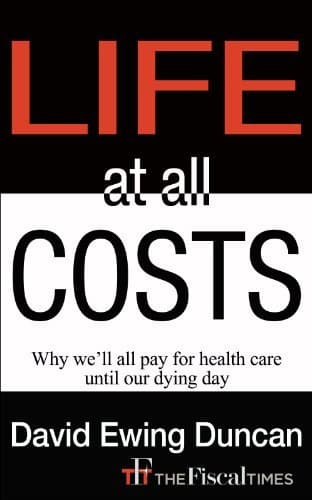
Life at All Costs: Why we'll all pay for health care until our dying day
About this book
With the first wave of the 78 million baby boomers turning 65, The Fiscal Times offers a special report about the end of life—the most emotionally difficult time for a family, and the most expensive for America’s economy. For end-of-life care, however, attitudes are beginning to shift, as a strong grass-roots movement is advocating an alternative to high-tech procedures with the rise of palliative and hospice care, where only symptoms are treated and patients are kept comfortable. “We know how people die, the glide paths, but we haven’t applied this knowledge very well,” says Dartmouth gerontologist Dennis McCullough, who has worked with the old and dying. This book offers a window into our economic, social and cultural challenges and how we can navigate end-of-life care.