
Valeria Luiselli
Valeria Luiselli was born in Mexico City in 1983 and grew up in South Africa. Her novels and essays have been translated into many languages and her work has appeared in publications including the New York Times, Granta, and McSweeney’s. Some of her recent projects include a ballet libretto for the choreographer Christopher Wheeldon, performed by the New York City Ballet in Lincoln Center in 2010; a pedestrian sound installation for the Serpentine Gallery in London; and a novella in installments for workers in a juice factory in Mexico. She lives in New York City.
14 Books Written

ONE OF THE NEW YORK TIMES 10 BEST BOOKS OF THE YEAR ONE OF BARACK OBAMA'S FAVORITE BOOKS OF THE YEAR ONE OF THE BEST BOOKS OF THE YEAR: THE WASHINGTON POST - TIME MAGAZINE - NPR - CHICAGO TRIBUNE - GQ - O, THE OPRAH MAGAZINE - THE GUARDIAN - VANITY FAIR - THE ATLANTIC - THE WEEK - THE DALLAS MORNING NEWS - LIT HUB - KIRKUS REVIEWS - THE NEW YORK PUBLIC LIBRARY - BOSTON.COM - PUREWOW"An epic road trip [that also] captures the unruly intimacies of marriage and parenthood. . . . This is a novel that daylights our common humanity, and challenges us to reconcile our differences." --The Washington PostIn Valeria Luiselli's fiercely imaginative follow-up to the American Book Award-winning Tell Me How It Ends, an artist couple set out with their two children on a road trip from New York to Arizona in the heat of summer. As the family travels west, the bonds between them begin to fray: a fracture is growing between the parents, one the children can almost feel beneath their feet.Through ephemera such as songs, maps and a Polaroid camera, the children try to make sense of both their family's crisis and the larger one engulfing the news: the stories of thousands of kids trying to cross the southwestern border into the United States but getting detained--or lost in the desert along the way.A breath-taking feat of literary virtuosity, Lost Children Archive is timely, compassionate, subtly hilarious, and formally inventive--a powerful, urgent story about what it is to be human in an inhuman world.
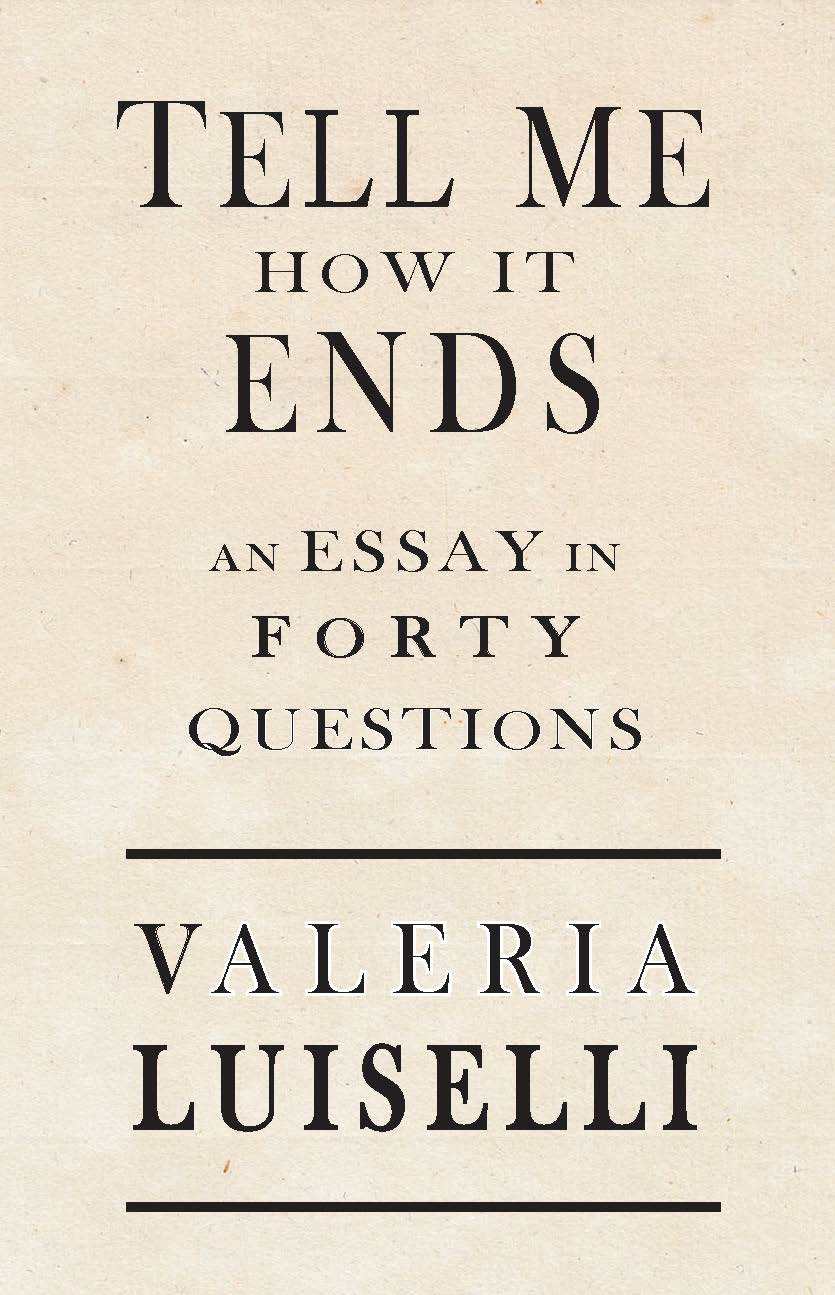
Structured around the forty questions Luiselli translates and asks undocumented Latin-American children facing deportation, Tell Me How It Ends (an expansion of her 2016 Freeman's essay of the same name) humanizes these young migrants and highlights the contradiction of the idea of America as a fiction for immigrants with the reality of racism and fear both here and back home."

"ولِدتُ في باتشوكا، مدينة الرّياح الجميلة، ولي أربعة من الأسنان السّابقة لأوانها، وكان جسدي مغطّى بالكامل بطبقة رقيقة من الزَّغَب. ولكنني مُمّتنٌ لتلك البداية المشؤومة، لأنّ القباحة كما اعتادَ عمي الآخر يوربيديس لوبيز سانشيز أن يقول هي مُكوِّنة للشخصية"."الطريق السريع" هو مسافرٌ حول العالم، وَنَسّاج قِصص، وجامعٌ للأشياء والحكايا، وبائعٌ أسطوريّ في المزاد العلني. أغلى مُقتنياته والأثيرة على قلبه هي أسنان مشاهير "سيئي السُّمعة"، مثلَ أفلاطون وبترارك وفيرجينيا وولف. كُتِبَت "قصّة أسناني" بالتعاون مع العمّال في مصنع خوميكس للعصير، وهي عبارة عن مَرحٍ فَكِهٍ ذكيّ وسَارّ عبرَ الضواحي الصناعية في مكسيكو سيتي، وتأثيرات لويزلي الأدبية الخاصة والمميزة.
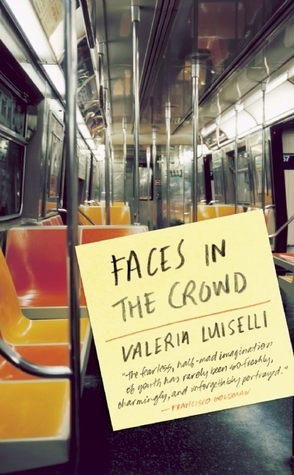
In Mexico City, a young mother is writing a novel of her days as a translator living in New York. In Harlem, a translator is desperate to publish the works of Gilberto Owen, an obscure Mexican poet. And in Philadelphia, Gilberto Owen recalls his friendship with Lorca, and the young woman he saw in the windows of passing trains. Valeria Luiselli's debut signals the arrival of a major international writer and an unexpected and necessary voice in contemporary fiction.

Papeles falsos, primer libro de Valeria Luiselli, está compuesto por una serie de ensayos narrativos de temas diversos, donde la constante es el registro de la original mirada de la autora, siempre presta a encontrar detalles o conexiones entre ideas de muy diverso orden, ecos de un pensamiento que por fuerza obliga al lector a repensar. La escondida tumba de Brodsky en Venecia; la inclasificable y elusiva saudade portuguesa; el lenguaje como ruptura con la «infancia previa a la infancia», son algunos de los ingeniosos pretextos para el despliegue de una escritura precisa, que nos deja la impresión de estar presente.

“El aislamiento físico al que ahora estamos obligados terminará algún día. No sabemos cuándo exactamente, pero terminará. Quizás para muchos ya terminó. Dicen que podría regresar, nos informan de una probable segunda ola, amenazan con riesgos de nuevos brotes - quién sabe. Pero más allá de nuestro aislamiento físico, hay otro aislamiento más profundo. El aislamiento emocional que lentamente se expande en nosotros y a nuestro alrededor, paralelo a la violenta expansión del virus, tomará mucho más tiempo para desentrañarse, va a persistir - confuso e inexplicable: una nueva interioridad.” Valeria Luiselli, la galardonada escritora mexicana, describe el paso del tiempo en su departamento en Nueva York durante la época del confinamiento ocasionado por la pandemia de Covid-19. En este ensayo, Valeria nos comparte un retrato de los momentos que comparte con su hija, su sobrina y la perrita Lola, desde un lugar profundamente íntimo. [“The physical isolation we are enduring right now will end one day. We don’t know when exactly, but it will end. Perhaps, for many, it has already ended. They tell us that it might return, in probable second waves, in pockets of new outbreaks, who knows. But beyond our physical isolation there is, and will be, another isolation, of a deeper nature, which will stay with us for longer....” Award-winning Mexican author Valeria Luiselli describes in loving detail the passing of time in her New York City apartment during the quarantine period caused by the Covid-19 pandemic. This heartfelt essay examines the most intimate moments Valeria shares with her daughter, her niece, and her dog Lola.]

'Sommige boeken worden vergeten. Ze worden vergeten op het toilet, of in de keuken achtergelaten. Ze worden vervangen door andere boeken zodra onze onverschilligheid dat toestaat. Maar er zijn erbij die tegenstribbelen. In dat geval hoef je het boek alleen maar opnieuw open te slaan en verder te lezen. De weinige boeken die we echt lezen zullen voor eeuwig plekken blijven waarnaar we altijd terug kunnen keren.'Het cultdebuut van een van de meest originele en opwindende literaire stemmen uit Latijns-Amerika.Een nieuwe editie om het 15-jarige jubileum te vieren van een everseller die al vele harten heeft veroverd - en blijft veroveren.Met een nieuw voorwoord van Jan Postma.'Na lezing van Valse papieren ga je anders om je heen kijken.' - TrouwHet werk van de Mexicaanse Valeria Luiselli (1983) is in meer dan 30 talen vertaald. Bij Das Mag verscheen eerder het essay Vertel me het einde, De gewichtlozen en de roman Archief van verloren kinderen, die meerdere prijzen won en werd genomineerd voor de Booker Prize.

Libro ilustrado de 108 páginas en castellano sobre la película Roma" de Alfonso Cuarón, con ensayos de la novelista Valeria Luiselli, el historiador Enrique Krauze y el escritor Aurelio Asiain, junto con imágenes del diseño de producción con notas de Eugenio Caballero.


From the beloved, award-winning author of the culture-changing hits Lost Children Archive and Tell Me How it Ends comes her most powerful and page-turning novel the tale of a mother and daughter traveling together after the collapse of a marriage and the dissolution of their traditional family structure.Valeria Luiselli's novel opens the morning a mother and her teenage daughter arrive in Sicily, during a summer of rapidly-changing winds, volcanic rumbles, and sudden tempests. They’ve landed near the ancient ruins where the narrator’s grandmother worked long ago on an archaeological dig. How do you begin again, the mother wonders, pondering her family line, and what if the new beginning you're imagining is actually the end?While the mother tries to figure out how to reconstruct their lives together—cooking meals side by side, reading out loud to each other, playing chess, bickering and making-up—her deeply intelligent, inquisitive daughter begins to take the reins of the story. She becomes increasingly curious about her great-grandmother’s past as a digger in archaeological sites and ancient tombs, and urges her mother to leave their enclosed day-to-day in search for answers about their family’s past and future. Beginning Middle End evolves into a road novel of exquisite tenderness. In their drive through Sicily, mother and daughter cross paths with the island's migrants, storekeepers, and elders, but also its volcanoes, its winds and its waters. As their trip progresses, it becomes a journey to origins—not just to the familial past across continents, languages, and generations, but also further back to a mythical and geological past. With her own mother showing signs of dementia, the narrator confronts the primary questions of Where is home? Where do we dwell and seek safety? How are a family’s memories made and what happens when they disappear?Warm, funny, and poetic, this novel is an ode to imagination and possibility in dark times.
![The Lost Children [Lost Race Fiction]](/placeholder.svg?height=400&width=300)
The Lost Children [Lost Race Fiction]
by Valeria Luiselli
Beginning Middle End
by Valeria Luiselli

Beginning Middle End: A Novel
by Valeria Luiselli
From the beloved, award-winning author of the culture-changing hits Lost Children Archive and Tell Me How it Ends comes her most powerful and page-turning novel the tale of a mother and daughter traveling together after the collapse of a marriage and the dissolution of their traditional family structure.Valeria Luiselli's novel opens the morning a mother and her teenage daughter arrive in Sicily, during a summer of rapidly-changing winds, volcanic rumbles, and sudden tempests. They’ve landed near the ancient ruins where the narrator’s grandmother worked long ago on an archaeological dig. How do you begin again, the mother wonders, pondering her family line, and what if the new beginning you're imagining is actually the end?While the mother tries to figure out how to reconstruct their lives together—cooking meals side by side, reading out loud to each other, playing chess, bickering and making-up—her deeply intelligent, inquisitive daughter begins to take the reins of the story. She becomes increasingly curious about her great-grandmother’s past as a digger in archaeological sites and ancient tombs, and urges her mother to leave their enclosed day-to-day in search for answers about their family’s past and future. Beginning Middle End evolves into a road novel of exquisite tenderness. In their drive through Sicily, mother and daughter cross paths with the island's migrants, storekeepers, and elders, but also its volcanoes, its winds and its waters. As their trip progresses, it becomes a journey to origins—not just to the familial past across continents, languages, and generations, but also further back to a mythical and geological past. With her own mother showing signs of dementia, the narrator confronts the primary questions of Where is home? Where do we dwell and seek safety? How are a family’s memories made and what happens when they disappear?Warm, funny, and poetic, this novel is an ode to imagination and possibility in dark times.

Beginning Middle End: A Novel
by Valeria Luiselli