
Tony Tulathimutte
Tony Tulathimutte is the author of Private Citizens and Rejection. He has written for The Paris Review, N+1, The New York Times, VICE, WIRED, The New Yorker, The New Republic, and others. He has received an O. Henry Award and a MacDowell Fellowship, was longlisted for the National Book Award, and teaches the writing class CRIT in Brooklyn.
5 Books Written
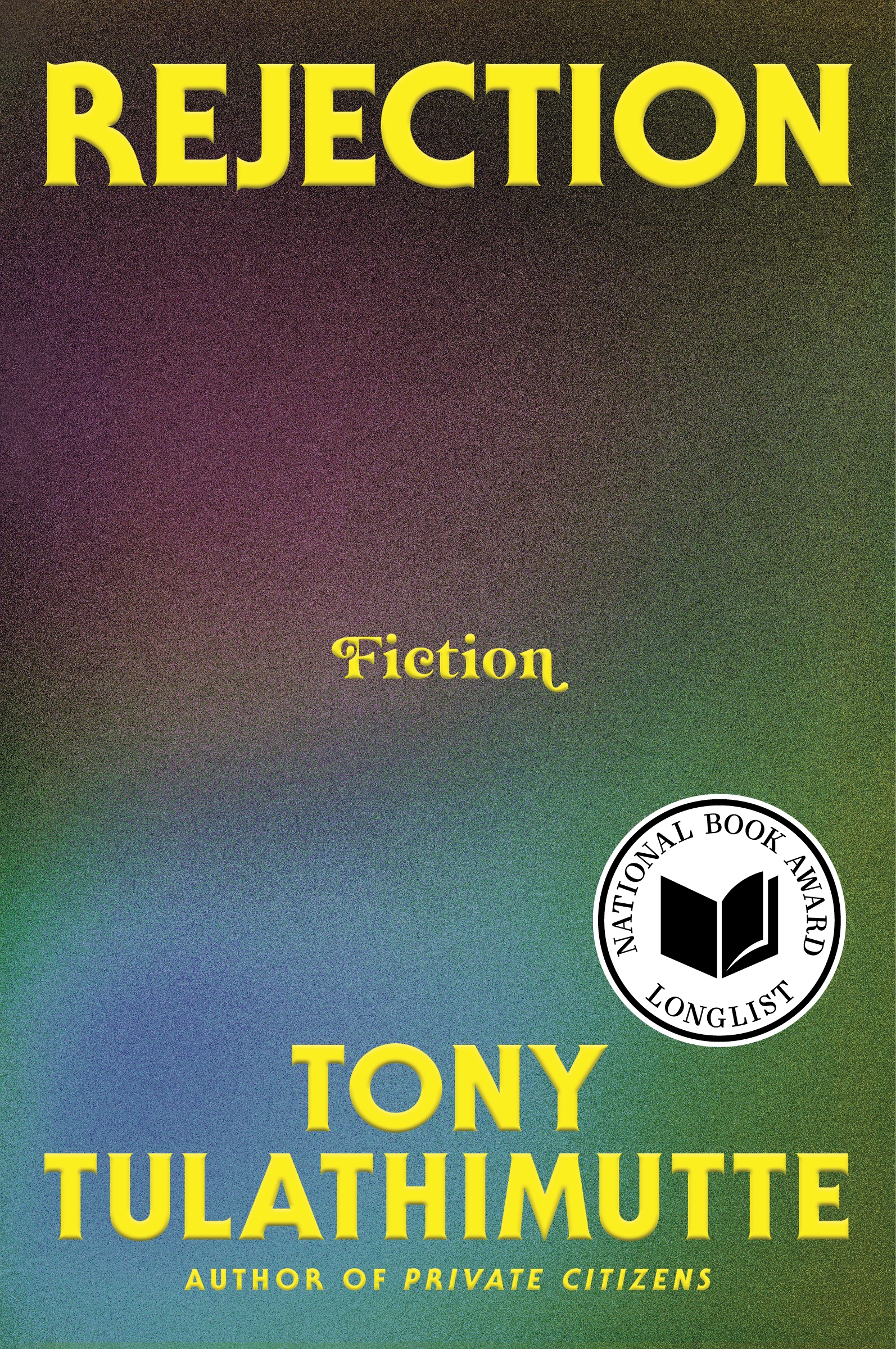
An electrifying novel-in-stories that follows a cast of intricately linked characters as rejection throws their lives and relationships into chaos.Sharply observant and outrageously funny, Rejection is a provocative plunge into the touchiest problems of modern life. The seven connected stories seamlessly transition between the personal crises of a complex ensemble and the comic tragedies of sex, relationships, identity, and the internet.In “The Feminist,” a young man’s passionate allyship turns to furious nihilism as he realizes, over thirty lonely years, that it isn’t getting him laid. A young woman’s unrequited crush in “Pics” spirals into borderline obsession and the systematic destruction of her sense of self. And in “Ahegao; or, The Ballad of Sexual Repression,” a shy late bloomer’s flailing efforts at a first relationship leads to a life-upending mistake. As the characters pop up in each other’s dating apps and social media feeds, or meet in dimly lit bars and bedrooms, they reveal the ways our delusions can warp our desire for connection.These brilliant satires explore the underrated sorrows of rejection with the authority of a modern classic and the manic intensity of a manifesto. Audacious and unforgettable, Rejection is a stunning mosaic that redefines what it means to be rejected by lovers, friends, society, and oneself.

From a brilliant new literary talent comes a sweeping comic portrait of privilege, ambition, and friendship in millennial San Francisco. With the social acuity of Adelle Waldman and the murderous wit of Martin Amis, Tony Tulathimutte’s Private Citizens is a brainy, irreverent debut—This Side of Paradise for a new era.Capturing the anxious, self-aware mood of young college grads in the aughts, Private Citizens embraces the contradictions of our new century: call it a loving satire. A gleefully rude comedy of manners. Middlemarch for Millennials. The novel's four whip-smart narrators—idealistic Cory, Internet-lurking Will, awkward Henrik, and vicious Linda—are torn between fixing the world and cannibalizing it. In boisterous prose that ricochets between humor and pain, the four estranged friends stagger through the Bay Area’s maze of tech startups, protestors, gentrifiers, karaoke bars, house parties, and cultish self-help seminars, washing up in each other’s lives once again. A wise and searching depiction of a generation grappling with privilege and finding grace in failure, Private Citizens is as expansively intelligent as it is full of heart.

The Man Who Wasn’t in the Photograph A Tale of Lost Identity and Invisible Presence
by Tony Tulathimutte
Rating: 4.0 ⭐
“The Man Who Wasn’t in the Photograph” by Tony Tulathimutte is a thought-provoking story that explores themes of identity, presence, and the complexities of modern life. The narrative follows the protagonist’s reflections on a photograph, where a key figure is mysteriously absent — a man who, despite his supposed significance, is nowhere to be found in the visual record.Through this absence, the story delves into the protagonist’s struggle with the idea of being overlooked, forgotten, or erased from both memory and history. As the protagonist grapples with the implications of this missing figure, the narrative explores larger concepts of how people can feel disconnected from their own lives or identities, especially in an age of social media and digital footprints.The story blends humor, introspection, and a touch of surrealism, inviting readers to reflect on how we shape our own stories and how much of ourselves we are truly seen or remembered by others. Tulathimutte’s writing is sharp, often revealing the tension between what is seen and what is not, and the consequences of living in a world where presence and absence constantly shift.

Rechazo (AdN Editorial Grupo Anaya)
by Tony Tulathimutte
Rechazo es una provocadora incursión (tremendamente perspicaz y escandalosamente divertida) en los problemas más espinosos de la vida moderna. Las siete historias van saltando, sin solución de continuidad, entre las respectivas crisis personales de los miembros de una peculiar cuadrilla, y las tragicomedias del sexo, las relaciones, la identidad e internet. En El feminista, la apasionada militancia de un joven en el feminismo se transforma en un nihilismo furioso cuando el protagonista constata, pasados ya treinta años de soledad, que así no se ha comido una rosca. En Fotos, el enamoramiento no correspondido de una joven degenera en una obsesión malsana y en la destrucción sistemática su concepto de sí misma. Y en Ahegao o Balada de la represión sexual, el fracaso de una persona tímida en sus (tardíos) esfuerzos por tener una primera relación, lleva a esa persona a cometer, sin darse cuenta, un error garrafal. Los personajes revelan, a medida que unos van apareciendo en las aplicaciones de citas y en las redes sociales de otros -o encontrándose en bares y dormitorios tenuemente iluminados-, cómo nuestros autoengaños pueden desnaturalizar nuestro afán de conexión. Estas brillantes sátiras indagan en las subestimadas tribulaciones del rechazo con la autoridad de un clásico moderno y la frenética intensidad de un manifiesto. Rechazo es audaz e un impactante mosaico que redefine qué quiere decir que a una persona la rechacen amantes, amigos, la sociedad... y que ella misma se rechace.

Rechazo
by Tony Tulathimutte