
Sylvia Plath
Sylvia Plath was an American poet, novelist, and short story writer, widely regarded as one of the most influential and emotionally powerful authors of the 20th century. Born in Boston, Massachusetts, she demonstrated literary talent from an early age, publishing her first poem at the age of eight. Her early life was shaped by the death of her father, Otto Plath, when she was eight years old, a trauma that would profoundly influence her later work. Plath attended Smith College, where she excelled academically but also struggled privately with depression. In 1953, she survived a suicide attempt, an experience she later fictionalized in her semi-autobiographical novel The Bell Jar. After recovering, she earned a Fulbright Scholarship to study at Newnham College, Cambridge, in England. While there, she met and married English poet Ted Hughes in 1956. Their relationship was passionate but tumultuous, with tensions exacerbated by personal differences and Hughes's infidelities. Throughout her life, Plath sought to balance her ambitions as a writer with the demands of marriage and motherhood. She had two children with Hughes, Frieda and Nicholas, and continued to write prolifically. In 1960, her first poetry collection, The Colossus and Other Poems, was published in the United Kingdom. Although it received modest critical attention at the time, it laid the foundation for her distinctive voice—intensely personal, often exploring themes of death, rebirth, and female identity. Plath's marriage unraveled in 1962, leading to a period of intense emotional turmoil but also extraordinary creative output. Living with her two children in London, she wrote many of the poems that would posthumously form Ariel, the collection that would cement her literary legacy. These works, filled with striking imagery and raw emotional force, displayed her ability to turn personal suffering into powerful art. Poems like "Daddy" and "Lady Lazarus" remain among her most famous, celebrated for their fierce honesty and technical brilliance. In early 1963, following a deepening depression, Plath died by suicide at the age of 30. Her death shocked the literary world and sparked a lasting fascination with her life and work. The posthumous publication of Ariel in 1965, edited by Hughes, introduced Plath's later poetry to a wide audience and established her as a major figure in modern literature. Her novel The Bell Jar was also published under her own name shortly after her death, having initially appeared under the pseudonym "Victoria Lucas." Plath’s work is often classified within the genre of confessional poetry, a style that emphasizes personal and psychological experiences. Her fearless exploration of themes like mental illness, female oppression, and death has resonated with generations of readers and scholars. Over time, Plath has become a feminist icon, though her legacy is complex and occasionally controversial, especially in light of debates over Hughes's role in managing her literary estate and personal history. Today, Sylvia Plath is remembered not only for her tragic personal story but also for her immense contributions to American and English literature. Her work continues to inspire writers, artists, and readers worldwide. Collections such as Ariel, Crossing the Water, and Winter Trees, as well as her journals and letters, offer deep insight into her creative mind. Sylvia Plath’s voice, marked by its intensity and emotional clarity, remains one of the most haunting and enduring in modern literature.
29 Books Written

Sylvia Plath's shocking, realistic, and intensely emotional novel about a woman falling into the grip of insanityEsther Greenwood is brilliant, beautiful, enormously talented, and successful, but slowly going under—maybe for the last time. In her acclaimed and enduring masterwork, Sylvia Plath brilliantly draws the reader into Esther's breakdown with such intensity that her insanity becomes palpably real, even rational—as accessible an experience as going to the movies. A deep penetration into the darkest and most harrowing corners of the human psyche, The Bell Jar is an extraordinary accomplishment and a haunting American classic.

Sylvia Plath's celebrated collection.When Sylvia Plath died, she not only left behind a prolific life but also her unpublished literary masterpiece, Ariel. Her husband, Ted Hughes, brought the collection to life in 1966, and its publication garnered worldwide acclaim. This collection showcases the beloved poet’s brilliant, provoking, and always moving poems, including "Ariel" and once again shows why readers have fallen in love with her work throughout the generations.

"By the time of her death, on 11 February, 1963, Sylvia Plath had written a large bulk of poetry. To my knowledge, she never scrapped any of her poetic efforts. With one or two exceptions, she brought every piece she worked on to some final form acceptable to her, rejecting at most the odd verse, or a false head or a false tail. Her attitude to her verse was artisan-like: if she couldn't get a table out of the material, she was quite happy to get a chair, or even a toy. The end product for her was not so much a successful poem, as something that had temporarily exhausted her ingenuity. So this book contains not merely what verse she saved, but-after 1956-all she wrote." -Ted Hughes, from the Introduction

First U.S. PublicationA major literary event--the complete, uncensored journals of Sylvia Plath, published in their entirety for the first time.Sylvia Plath's journals were originally published in 1982 in a heavily abridged version authorized by Plath's husband, Ted Hughes. This new edition is an exact and complete transcription of the diaries Plath kept during the last twelve years of her life. Sixty percent of the book is material that has never before been made public, more fully revealing the intensity of the poet's personal and literary struggles, and providing fresh insight into both her frequent desperation and the bravery with which she faced down her demons. The complete Journals of Sylvia Plath is essential reading for all who have been moved and fascinated by Plath's life and work.

Faber Stories, a landmark series of individual volumes, presents masters of the short story form at work in a range of genres and styles.Lips the colour of blood, the sun an unprecedented orange, train wheels that sound like 'guilt, and guilt, and guilt': these are just some of the things Mary Ventura begins to notice on her journey to the ninth kingdom.'But what is the ninth kingdom?' she asks a kind-seeming lady in her carriage. 'It is the kingdom of the frozen will,' comes the reply. 'There is no going back.'Sylvia Plath's strange, dark tale of independence over infanticide, written not long after she herself left home, grapples with mortality in motion.Bringing together past, present and future in our ninetieth year, Faber Stories is a celebratory compendium of collectable work.

With this startling, exhilarating book of poems, which was first published in 1960, Sylvia Plath burst into literature with spectacular force. In such classics as "The Beekeeper's Daughter," "The Disquieting Muses," "I Want, I Want," and "Full Fathom Five," she writes about sows and skeletons, fathers and suicides, about the noisy imperatives of life and the chilly hunger for death. Graceful in their craftsmanship, wonderfully original in their imagery, and presenting layer after layer of meaning, the forty poems in The Colossus are early artifacts of genius that still possess the power to move, delight, and shock.

Sylvia Plath's famous collection, as she intended it.When Sylvia Plath died, she not only left behind a prolific life but also her unpublished literary masterpiece, Ariel. When her husband, Ted Hughes, first brought this collection to life, it garnered worldwide acclaim, though it wasn't the draft Sylvia had wanted her readers to see. This facsimile edition restores, for the first time, Plath's original manuscript—including handwritten notes—and her own selection and arrangement of poems. This edition also includes in facsimile the complete working drafts of her poem "Ariel," which provide a rare glimpse into the creative process of a beloved writer. This publication introduces a truer version of Plath's works, and will no doubt alter her legacy forever.

Johnny Panic and the Bible of Dreams: Short Stories, Prose and Diary Excerpts
by Sylvia Plath
Rating: 4.0 ⭐
"What I fear most, I think, is the death of the imagination.... If I sit still and don't do anything, the world goes on beating like a slack drum, without meaning. We must be moving, working, making dreams to run toward; the poverty of life without dreams is too horrible to imagine."-- Sylvia Plath, from "Notebooks, February 1956"Renowned for her poetry, Sylvia Plath was also a brilliant writer of prose. This collection of short stories, essays, and diary excerpts highlights her fierce concentration on craft, the vitality of her intelligence, and the yearnings of her imaginaton. Featuring an introduction by Plath's husband, the late British poet Ted Hughes, these writings also reflect themes and images she would fully realize in her poetry. "Jonny Panic and the Bible of Dreams" truly showcases the talent and genius of Sylvia Plath.

Sylvia Plath began keeping a diary as a young child. By the time she was at Smith College, when this book begins, she had settled into a nearly daily routine with her journal, which was also a sourcebook for her writing. Plath once called her journal her “Sargasso,” her repository of imagination, “a litany of dreams, directives, and imperatives,” and in fact these pages contain the germs of most of her work. Plath’s ambitions as a writer were urgent and ultimately all-consuming, requiring of her a heat, a fantastic chaos, even a violence that burned straight through her. The intensity of this struggle is rendered in her journal with an unsparing clarity, revealing both the frequent desperation of her situation and the bravery with which she faced down her demons. Written in electrifying prose, The Journals of Sylvia Plath provide unique insight, and are essential reading for all those who have been moved and fascinated by Plath’s life and work.

This selection of Sylvia Plath's poetry - chosen by Ted Hughes - shows Plath to be a major poet of the 20th century.

Letters Home represents Sylvia Plath's correspondence from her time at Smith College in the early fifties, through her meeting with, and subsequent marriage to, the poet Ted Hughes, up to her death in February 1963. The letters are addressed mainly to her mother, with whom she had an extremely close and confiding relationship, but there are also some to her brother Warren and her benefactress Mrs Prouty. Plath's energy, enthusiasm and her passionate tackling of life burst onto these pages, providing us with a vivid and intimate portrait of a woman who has come to be regarded as one of the greatest of twentieth-century poets. In addition to her capacity for domestic and writerly happiness, however, these letters also hint at Plath's potential for deep despair, which reached its crisis when she holed up in a London flat for the terrible winter of 1963.

Crossing the Water and Winter Trees contain the poems written during the exceptionally creative period of the last years of Sylvia Plath’s life. Published posthumously in 1971, they add a startling counterpoint to Ariel, the volume that made her reputation. Readers will recognise some of her most celebrated poems – ‘Childless Woman’, ‘Mirror’, ‘Insomniac’ – while discovering those still overlooked, including her radio play Three Women. These two extraordinary volumes find their place alongside The Colossus and Ariel in the oeuvre of a singular talent.

Sylvia Plath, una de las grandes poetas del siglo XX, llega a la colección «Poesía Portátil». Sylvia Plath es una de las poetas más admiradas del siglo XX. Sus versos, que a lo largo de los años han ido cobrando protagonismo especialmente después de que se quitara la vida a los treinta años, son un intento de expresar su desesperación y su obsesión por la muerte. Sus poemas se pueden considerar en gran parte autobiográficos y exploran su angustia mental, su problemático matrimonio con el también poeta Ted Hughes y los conflictos sin resolver con sus padres, así como la visión que tenía de ella misma. Tanto ella como su obra se ha ido perfilando hasta el día de hoy como uno de los grandes iconos del feminismo, y su poesía -en especial El coloso y el póstumo Ariel -, como objetos adorados, valiosas pruebas de que Sylvia Plath fue una de las grandes figuras de la literatura del pasado siglo. Después de más de cincuenta años de ser escritos, sus versos todavía contienen toda su intensidad, todo su dolor y toda su belleza. -------« Entonces el cielo y yo conversamos abiertamente.Y seguro que seré más útil cuando al fin me tienda para siempre:entoncesquizá los árboles me toquen por una vezy las flores, finalmente, tengan tiempo para mí .»-------

A representative selection of verse by the Pulitzer Prize-winning writer who left in the wake of her personal tragedy a legacy of poems that combine terrifying intensity and dazzling artistry. With their brutally frank self-exposure and emotional immediacy, Plath's poems, from "Lady Lazarus" to "Daddy," have had an enduring influence on contemporary poetry.

The poems in this collection were all written in the last nine months of Sylvia Plath's life, and form part of the group from which the 'Ariel' poems were chosen. Her radio play 'Three Women', also included here, was written slightly earlier, in the transitional period between 'The Colossus' and 'Ariel'.

Sylvia Plath siempre apunta al corazón. Tres mujeres es un emocionante poema a tres voces que tiene como tema central la maternidad. Cada voz representa una forma de la mujer que centra su realización en ser madre, la que sufre por no poder serlo y la que lo es a su pesar. Sylvia concibió este poema, feminista y antibelicista, para ser leído en voz alta, y en 1962, un año antes de su muerte, lo leyó en la BBC. La experiencia supuso un cambio de dirección en su forma de afrontar la escritura. Desde entonces concebiría los poemas «en voz alta», cambiando de forma definitiva su técnica poética. «Es el poema más poderoso de su obra. Es exquisito y tiene la capacidad de llegar al corazón. [...] Plath ha puesto voz a nuestras más íntimas pesadillas» Joyce Carol Oates

Free online poetry.From Random House's Boldtype.Excerpted from The Voice of the Poet: Sylvia Plath by Sylvia Plath.

Catalogue to accompany the "Sylvia Plath: Her Drawings" exhibition at The Mayor Gallery in London (2nd November - 17th December 2011).

"الموت فن ككل شيء آخر/ وهو فن/ أتقنه بشكل استثنائي"، تكتب سيلفيا بلاث في "السيدة اليغازر"، القصيدة التي تكاد تختزل علاقة بلاث بالموت الذي يشكل عصباً أساسياً في عمل بلاث الشعري منذ بدايته وحتى موتها المبكر. واحدة من أكثر شاعرات القرن العشرين شهرة، أثارت بعد رحيلها، وجزئياً بسبب طريقة رحيلها، اهتماماً شعبياً، ونقدياً حتى، أكبر من الذي أثارته في حياتها، خصوصاً قصتها مع زوجها الشاعر البريطاني تيد هيوز، الذي أصبحت علاقتها المتوترة به، والتي انتهت بطلاقهما رسمياً قبل أشهر من انتحار بلاث، شبه عنوان دائم للكلام عن بلاث الشاعرة والكاتبة، مما طمس لفترة طويلة منجزها الشعري، وجعل أقلام كتاب السيرة والمقالات والباحثين عن الفضائح ونابشي الأسرار أكثر انشغالاً بكثير من أقلام نقاد الشعر والأدب. حكاية بلاث مع هيوز معروفة جيداً، علاقة الحب الكراهية التي نشأت بينهما. دور هيوز في تفاقم مشكلات بلاث وصراعاتها الداخلية وصولاً إلى إقدامها على الانتحار، دور الأخير مثلما اتهم طويلاً في السيطرة -بوصفه الوريث الوحيد للشاعرة بسبب عدم وجود وصية مكتوبة- على ما لم تكن نشرته بعد من شعرها، وهو كثير، وإتلاف جزء منه ومن يومياتها، وحظره نشر أي شيء من نتاجها دون إذن مسبق، وتحفظه طويلاً على نشر ما تبقى من يومياتها التي يصف جزء كبير منها علاقتها به... كل هذا بات جزءاً من الحكاية المعروفة، وبالنسبة إلى كثر هذا الجزء هو التفصيل الوحيد المهم في اسم سيلفيا بلاث جنباً إلى جنب الانتحار أو بالتزامن معه. كثر يحبون أن ينظروا إلى انتحار الشاعرة، والتعقيداات الكثيرة التي أدت إليه، بوصفه جزءاً من فنها الشعري، مدخلاً شبه وحيد لقراءته، إنها "شهيدة" و"قديسة" معاصرة، تشكل كتاباتها نوعاً من "الرسالة" و"البيان" المتأخر. وكأن كل ما حفلت به قصائد بلاث من عذابات وآلام وهواجس، وأيضاً من لحظات حب وفرح وأمل، لم يكن ليتخذ أي قيمة لو لم تمهره الشاعرة بختم الانتحار كفصل أخير مثالي في حكاية تراجيدية. والمفارقة أن كثراً من "مريدي" بلاث، خصوصاً من الحركات النسوية، يرون في علاقة بلاث بهيوز نموذجاً للظلم الذكوري التاريخي المفروض على المرأة (هيوز بصوفه ممثلاً للذكور، وبلاث للنساء)، ويرون وفقاً لهذا المنظار في انتحار الشاعرة نوعاً من الانعتاق من هذا الظلم، وهذا يجعلها الضحية/البطلة في آن... المفارقة أن هذا الاختزال يكاد يصب في خانة تهميش بلاث نفسها كشاعرة مهمة، تمتلك مقدرتها الخاصة، وعالمها الخاص، ولغتها الخاصة، لأن تكون، بالمعنيين السلبي والإيجابي، نتاجاً للمركز الذي هو هيوز. بالطبع لا يعني هذا الكلام أن تجربة بلاث الحياتية غير ذات أهمية ودلالة في تجربتها الشعرية، بل العكس تماماً، فهي مهمة جداً، لكن هذه التجربة الحياتية لا تختزل بعلاقتها بزوجها فحسب، وإلا تحولت إلى سطر واحد مسطح، يغيب فيه مثلاً أثر الأب وموته، ذاكرة الطفولة، الصراع الدائم ضد الموت وضد النزعة الانتحارية، العلاقة بفن الشعر الغنائي، وأيضاً يهمل بلاث بوصفها جزءاً من جيل كامل، ذلك الجيل الذي رأى ويلات الحرب العالمية الثانية، تأثر بمأساة الهولوكوست والقنابل النووية، نشأ في عالم يكاد يكون الموت فيه، بما في ذلك الموت الجماعي، نذيراً دائماً وأفقاً حتمياً.الناشر:هناك على الغصن اليابس العالي يجثم محدودباً غراب أسود يرتب ويعيد ترتيب ريشه في المطر. لا أتوقع معجزة أو حادثة تشعل المشهد في عيني، ولا أطلب في الطقس الطائش أكثر من هذا المشهد، لكن أدع الأوراق المنقطة تسقط كما هي بغير دهشة أو حفاوة.

في هذه المراسلات نكشف بعد ما يزيد عن 55 سنة تفاصيل جديدة عن حياة پلاث البارعة في كتاباتها التي تتناول السوداوية والعاطفة الغامرة. إن ما غدى موهبتها الأدبية هو واقع معاناتها من الاكتئاب طوال حياتها، فقدها لوالدها وهي طفلة، ومشاعرها المتضاربة حيال والدتها التي كانت تعاني من ذات المرض بدورها.الجانب الأعمق لهذه الانفعالات ترتبط بعلاقتها مع زوجها الشاعر تيد هوز، وردود أفعالها ومشاعرها خيال اكتشافها لعلاقته الغرامية مع عشيقته آسيا ويفل، تداعيات هجره لها ولطفليهما، تحولها من حالة النكران إلى الغضب، ثم إلى الاستسلام والانكسار الحزين، وفي النهاية إلى اليأس المطلق الذي أدى إلى الانتحار. إلا أنها في جميع هذه المراحل بقيت تكتب الرسائل التي دأبت عليها منذ كانت طفلة في العاشرة، وغالبها أشبه بالتقارير اليومية إلى والدتها أوريليا پلاث، وتتوقف عند آخر رسالة وهي في الثلاثين إلى طبيبتها النفسية قبل أيام من إقدامها على الانتحار.

This delightful rhyming catalogue of desirable beds appears in paperback for the first time.'Quentin Blake has matched Sylvia Plath's incisive nonsense verses with superbly descriptive drawings, in a book that has the zest and inventiveness, and the wide applicability, of a good family joke.'- Margery Fisher in The Sunday Times

DaddyBy Sylvia PlathYou do not do, you do not do Any more, black shoeIn which I have lived like a foot For thirty years, poor and white, Barely daring to breathe or Achoo.Daddy, I have had to kill you. You died before I had time——Marble-heavy, a bag full of God, Ghastly statue with one gray toe Big as a Frisco sealAnd a head in the freakish Atlantic Where it pours bean green over blue In the waters off beautiful Nauset. I used to pray to recover you.Ach, du.In the German tongue, in the Polish town Scraped flat by the rollerOf wars, wars, wars.But the name of the town is common. My Polack friendSays there are a dozen or two. So I never could tell where you Put your foot, your root,I never could talk to you.The tongue stuck in my jaw.It stuck in a barb wire snare. Ich, ich, ich, ich,I could hardly speak.I thought every German was you. And the language obsceneAn engine, an engineChuffing me off like a Jew.A Jew to Dachau, Auschwitz, Belsen. I began to talk like a Jew.I think I may well be a Jew.The snows of the Tyrol, the clear beer of Vienna Are not very pure or true.With my gipsy ancestress and my weird luck And my Taroc pack and my Taroc packI may be a bit of a Jew.I have always been scared of you,With your Luftwaffe, your gobbledygoo. And your neat mustacheAnd your Aryan eye, bright blue.Panzer-man, panzer-man, O You——Not God but a swastikaSo black no sky could squeak through. Every woman adores a Fascist, The boot in the face, the brute Brute heart of a brute like you.You stand at the blackboard, daddy, In the picture I have of you,A cleft in your chin instead of your foot But no less a devil for that, no not Any less the black man whoBit my pretty red heart in two.I was ten when they buried you. At twenty I tried to dieAnd get back, back, back to you.I thought even the bones would do.But they pulled me out of the sack, And they stuck me together with glue. And then I knew what to do.I made a model of you,A man in black with a Meinkampf lookAnd a love of the rack and the screw. And I said I do, I do.So daddy, I’m finally through.The black telephone’s off at the root, The voices just can’t worm through.If I’ve killed one man, I’ve killed two——The vampire who said he was you And drank my blood for a year,Seven years, if you want to know.Daddy, you can lie back now.There’s a stake in your fat black heart And the villagers never liked you.They are dancing and stamping on you. They always knew it was you.Daddy, daddy, you bastard, I’m through.

A children's story by Sylvia Plath which was found in manuscript form after her death. Max Nix lives with his mama and papa and six brothers in a small village called Winkelburg. Max longs for a suit - not just a workaday suit, but one for doing everything. One day, a mysterious parcel arrives.

Sylvia Plath's renown as one of the twentieth century's most influential poets is beyond dispute, but she was also one of its most captivating correspondents. This remarkable, collected edition of Plath's letters is a work of immense scholarship and care, presenting a comprehensive and historically accurate text of the known and extant letters that she wrote to over one hundred and twenty correspondents, including her husband the poet Ted Hughes, to whom previously unseen letters are now revealed. The edition reproduces previously unknown photographs, and a gathering of Plath's own elegant line drawings taken from the letters she sent to her friends and family, offering the reader generous insight into the life of one of our most significant poets.

Three classic children's stories from Sylvia Plath are collected together in one volume for the first time: "The Bed Book", "The It-Doesn't-Matter Suit", and "Mrs Cherry's Kitchen".

" . . . a young woman who . . . rose from the dead to become, in ten driven years, the best - the most exciting and influential, the most ruthlessly original poet of her generation." -- John UpdikeOf the many American poets who reached her zenith in the last few decades, perhaps none looms so large as the legendary Sylvia Plath. Consummately crafted, Plath's poetry is stormy but luminous, sharp but poignant. This unique, compelling and intriguing recording has been heralded as "a significant tribute to and record of the lyric art that Sylvia Plath left to the literary heritage of America." (Booklist)Contents:The Ghost's LeavetakingNovember GraveyardOn the Plethora of DryadsThe Moon Was a Fat Woman OnceNocturneChild's Park StonesThe Earthenware HeadOn the Difficulty of Conjuring up a DryadGreen Rock--Winthrop BayOn the Decline of OraclesThe GoringOuijaThe Beggars of Benidorm MarketSculptorThe Disquieting MusesSpinsterParliament Hill FieldsThe StonesCandlesMushroomsBerck-plageThe Surgeon at 2 A.M.
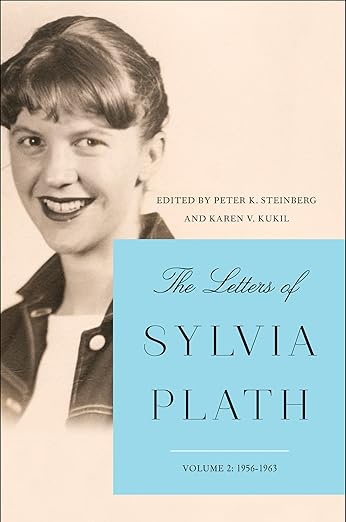
The second volume in the definitive, complete collection of the letters of Pulitzer Prize-winning poet, Sylvia Plath, from the early years of her marriage to Ted Hughes to the final days leading to her suicide in 1963, many never before seen.One of the most talented and beloved poets, Sylvia Plath continues to fascinate and inspire the modern literary imagination. The tragedy of her untimely death at age thirty, almost fifty-five years ago, has left much unknown about her creative and personal life. In this remarkable second volume of the iconic poet and writer’s collected letters, the full range of Plath’s ambitions, talents, fears, and perspective is made visible through her own powerful words.As engaging as they are revealing, these remarkable letters cover the years from 1957 to 1963. They detail the last six tumultuous and prolific years of her life, covering her marriage to Ted Hughes, the births of her children Frieda and Nicholas, her early success, including the publication of the classic The Bell Jar, and her ongoing struggle with depression.The first compendium of its kind to include all of Plath’s letters from this period, The Letters of Sylvia Plath Volume 2 offers an intimate portrait of the writing life and mind of one of the most celebrated poets in literary history.One of Kirkus’s best books of 2018

"Mad Girl's Love Song" is a poem written by Sylvia Plath in 1951, while she was a student at Smith College. It is written in the villanelle poetic form and is generally included in the biographical note appended to Plath's novel, The Bell Jar.

The Bell Jar and Other Works by Sylvia Plath: The Colossus, Ariel, Collected Poems and Juvenilia
by Sylvia Plath
Rating: 4.2 ⭐
Sylvia Plath was one of the most dynamic and admired poets of the twentieth century. By the time she took her life at the age of thirty, Plath already had a following in the literary community. In the ensuing years her work attracted the attention of a multitude of readers, who saw in her singular verse an attempt to catalogue despair, violent emotion, and obsession with death. In the New York Times Book Review, Joyce Carol Oates described Plath as "one of the most celebrated and controversial of postwar poets writing in English." Intensely autobiographical, Plath's poems explore her own mental anguish, her troubled marriage to fellow poet Ted Hughes, her unresolved conflicts with her parents, and her own vision of herself. The Bell Jar & Other Works is a collection of Sylvia Plath’s most celebrated works. It The Bell a semi-autobiographical novel published shortly before her death.* The Colossus & Other Poems, published in 1960.* Ariel, the second book of Sylvia Plath’s poetry* The Collected Poems of Sylvia Plath, for which she won a posthumous Pulitzer Prize.* Juvenilia, a selection of 50 poemsWhile this collection does not contain additional notes or analysis on Plath's poetry, many resources are available online.