
Stefan Zweig
Stefan Zweig was one of the world's most famous writers during the 1920s and 1930s, especially in the U.S., South America, and Europe. He produced novels, plays, biographies, and journalist pieces. Among his most famous works are Beware of Pity, Letter from an Unknown Woman, and Mary, Queen of Scotland and the Isles. He and his second wife committed suicide in 1942. Zweig studied in Austria, France, and Germany before settling in Salzburg in 1913. In 1934, driven into exile by the Nazis, he emigrated to England and then, in 1940, to Brazil by way of New York. Finding only growing loneliness and disillusionment in their new surroundings, he and his second wife committed suicide. Zweig's interest in psychology and the teachings of Sigmund Freud led to his most characteristic work, the subtle portrayal of character. Zweig's essays include studies of Honoré de Balzac, Charles Dickens, and Fyodor Dostoevsky (Drei Meister, 1920; Three Masters) and of Friedrich Hölderlin, Heinrich von Kleist, and Friedrich Nietzsche (Der Kampf mit dem Dämon, 1925; Master Builders). He achieved popularity with Sternstunden der Menschheit (1928; The Tide of Fortune), five historical portraits in miniature. He wrote full-scale, intuitive rather than objective, biographies of the French statesman Joseph Fouché (1929), Mary Stuart (1935), and others. His stories include those in Verwirrung der Gefühle (1925; Conflicts). He also wrote a psychological novel, Ungeduld des Herzens (1938; Beware of Pity), and translated works of Charles Baudelaire, Paul Verlaine, and Emile Verhaeren. Most recently, his works provided the inspiration for 2014 film The Grand Budapest Hotel.
33 Books Written


Fin du XVe, début du XVIe siècle, la conquête des mers par l'Espagne et le Portugal. Un homme ressort de cette période, Magellan. Discret, courageux, tenace, réfléchi, très intelligent, il a un défaut, il ne sait pas communiquer avec les autres. Après moult aventures, péripéties diverses et passionnantes, il arrivera au but de son la découverte du détroit qui porte son nom. Ce texte va au delà du document historique, vous le lirez comme un passionnant roman d'aventures.

Rédigé en 1941, alors que, émigré au Brésil, Stefan Zweig avait déjà décidé de mettre fin à ses jours, Le Monde d'hier est l'un des plus grands livres-témoignages de notre époque. Zweig y retrace l'évolution de l'Europe de 1895 à 1941, le destin d'une génération confrontés brutalement à l'Histoire et à toutes les "catastrophes imaginables".Il évoque avec bonheur sa vie de bourgeois privilégié dans la Vienne d'avant 1914 et quelques grandes figures qui furent ses amis: Schnitzler, Rilke, Romain Rolland, Freud ou Valéry. Mais il donne aussi à voir la montée du nationalisme, le bouleversement des idées d'après 14-18 puis l'arrivée au pouvoir d'Hitler, l'horreur de l'antisémitisme d'État et, pour finir, le "suicide de l'Europe".Avec le recul, la lucidité de son testament intellectuel frappe le lecteur d'aujourd'hui, de même que sa dénonciation des nationalismes et de son plaidoyer pour l'Europe.

En 1518, un Portugais exilé du nom de Magellan convainc le roi d’Espagne, Charles Quint, d’un projet fou : « Il existe un passage conduisant de l’océan Atlantique à l’océan Indien. Donnez-moi une flotte et je vous le montrerai et je ferai le tour de la terre en allant de l’est à l’ouest. » Partie en 1519, l’expédition reviendra trois ans plus tard, disloquée, victorieuse. Malgré les fausses cartes et les mutineries, le froid, la faim et les maladies, Magellan a forcé le détroit qui porte aujourd’hui son nom et vaincu le Pacifique, inconnu à l’époque. Un destin héroïque magistralement conté et réfléchi par Zweig.

Qui est cet inconnu capable d'en remontrer au grand Czentovic, le champion mondial des échecs, véritable prodige aussi fruste qu'antipathique? Peut-on croire, comme il l'affirme, qu'il n'a pas joué depuis plus de vingt ans? Voilà un mystère que les passagers oisifs de ce paquebot de luxe aimeraient bien percer.Le narrateur y parviendra. Les circonstances dans lesquelles l'inconnu a acquis cette science sont terribles. Elles nous reportent aux expérimentations nazies sur les effets de l'isolement absolu, lorsque, aux frontières de la folie, entre deux interrogatoires, le cerveau humain parvient à déployer ses facultés les plus étranges.Une fable inquiétante, fantastique, qui, comme le dit le personnage avec une ironie douloureuse, "pourrait servir d'illustration à la charmante époque où nous vivons".
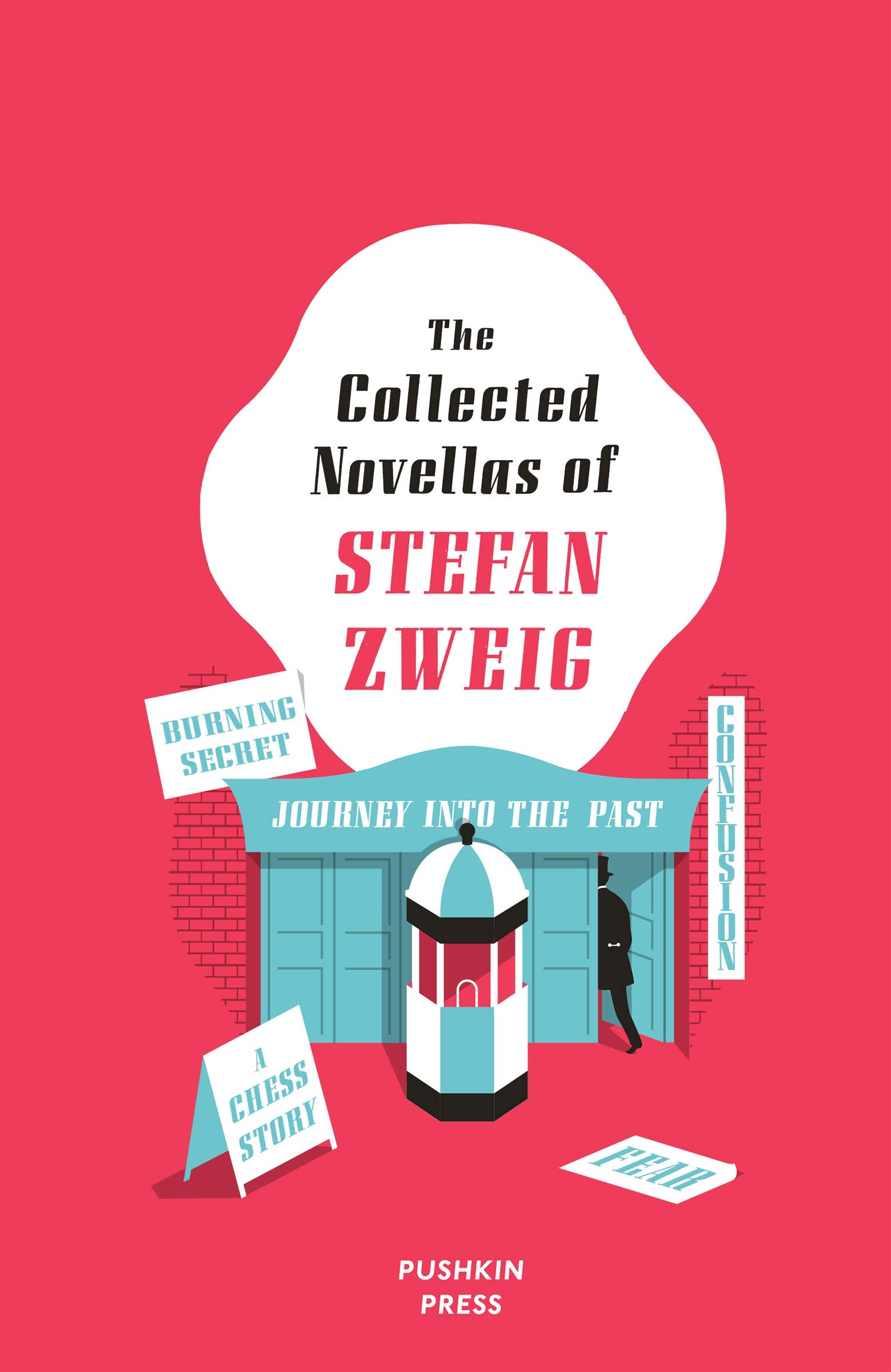
A casual introduction, a challenge to a simple game of chess, a lovers' reunion, a meaningless from such small seeds Zweig brings forth five startlingly tense tales--meditations on the fragility of love, the limits of obsession, the combustibility of secrets and betrayal.To read anything by Zweig is to risk addiction; in this collection the power of his writing--which, with its unabashed intensity and narrative drive, made him one of the bestselling and most acclaimed authors in the world--is clear and irresistible. Each of these stories is a bolt of experience, unforgettable and unique.Five of Stefan Zweig's most powerful novellas, containing some of his most famous and best-loved • Burning Secret • A Chess Story • Fear • Confusion • Journey into the Past(Stand alone paperback editions of individual novellas from Pushkin and New York Review of Books will remain in print.)

Stefan Zweig Bilinmeyen Bir Kadının Mektubu (Brief einer Unbekannten) adlı uzun öyküsünü 1920'li yılların ilk yarısında kaleme aldı.Bilinmeyen Bir Kadının Mektubu'nun kadın kahramanını sadece uzun bir mektubun yazarı olarak tanıyoruz. Kadının hayatı boyunca sevmiş olduğu erkek için kaleme aldığı bu mektubun "gönderen"inin adı yoktur. Mektubun başında tek bir hitap vardır: "Sana, beni asla tanımamış olan sana." Kadın büyük tutkusunu hep bir "bilinmeyen" olarak, tek başına yaşamaya razıdır, bu aşk öyküsünde "taraflar" değil, sadece tek bir "taraf" vardır. Böylesine, gerçek anlamda aşk denilebilir mi?Zweig, okurunu bir kez daha insan psikolojisinde eşine pek rastlanmayan bir yolculuğa davet ediyor. Bu yeni yolculuğun sonunda "mutlak aşk" kavramının şimdiye kadar bilinmeyen kıyılarına varmayı amaçlamış olması da bir ihtimal.
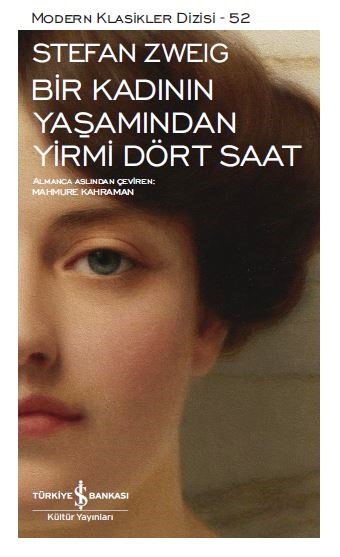
Zweig bu novellasında bir kadının yaşamını bütünüyle değiştiren yirmi dört saatlik deneyimini anlatırken, insanda içkin saplantıların ve dayanılmaz arzuların sınırlarında gezinir. Özgürce ve tutkuyla içgüdülerinin peşine takılan bir kadının bu kısa ve yoğun hikâyesi, kadın kalbinin sırlarına ermiş ustanın kaleminde olağanüstü bir anlatıya dönüşür. Yapıtı için mekân olarak muhteşem atmosferiyle Fransız Rivierası'nı seçen Zweig, 1920'li yılların sonlarında Avrupa'nın "kibar" tabakasının ikiyüzlü ahlak anlayışına yönelik eleştirel tavrıyla dikkat çeker.

Rahat ve korunaklı bir yaşam süren saygın bir kadın, sekiz yıllık evliliğinden sıkılmış, burjuva dünyasının kozasından çıkarak kendini genç bir piyanistin kollarına atmıştır. Ancak bu gizli ilişkiden haberdar olan bir şantajcının ansızın zuhur etmesiyle, hayatında yeni farkına vardığı bütün güzellikleri yitirme tehlikesiyle karşı karşıya kalır ve kahredici bir korkunun pençesine düşer.Korku insanı bilinçdışına itilmiş utanç verici deneyimlerden, bastırılmış pişmanlıklardan özgürleştirebilecek güçte bir yapıt.

Amok Koşucusu doktor olarak yardıma ihtiyaç duyan bir insana el uzatmanın vicdani yükümlülüğüyle kendi karmaşık duyguları arasında sıkışıp kalan bir adamın hikâyesidir. Hollanda Doğu Hint Adaları’nda görev yapan bir doktor, dara düşüp kendisine başvuran çok zengin bir kadının “yardım” talebini geri çevirir. Zira kadının mağrur ve hesapçı tavrı karşısında büyük bir öfkeye kapılmış, gururuna yenik düşmüştür. Ancak söz konusu olan insan hayatıdır. Kısa süre içinde pişmanlığın pençesine düşer. Kadına yardım etmeyi saplantı haline getiren doktor, Malezya halkında rastlanan bir nevi öldürücü delilik olan hummanın, amokun etkisi altına girer.
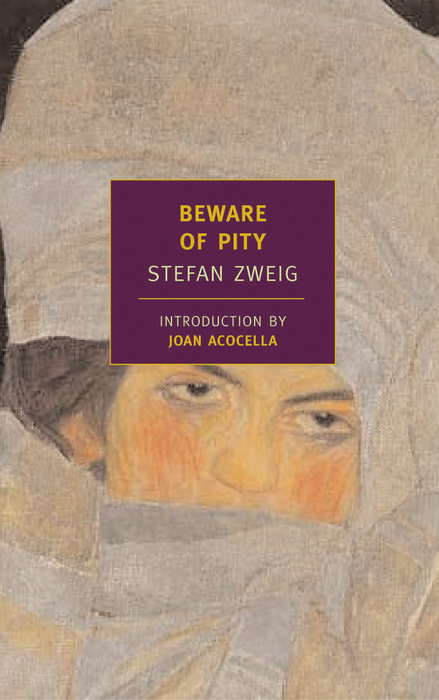
The great Austrian writer Stefan Zweig was a master anatomist of the deceitful heart, and Beware of Pity, the only novel he published during his lifetime, uncovers the seed of selfishness within even the finest of feelings.Hofmiller, an Austro-Hungarian cavalry officer stationed at the edge of the empire, is invited to a party at the home of a rich local landowner, a world away from the dreary routine of his barracks. The surroundings are glamorous, wine flows freely, and the exhilarated young Hofmiller asks his host's lovely daughter for a dance, only to discover that sickness has left her painfully crippled. It is a minor blunder, yet one that will go on to destroy his life, as pity and guilt gradually implicate him in a well-meaning but tragically wrongheaded plot to restore the unhappy invalid to health.

Olağanüstü Bir Gece, seçkin bir burjuva olarak rahat ve tasasız varoluşunu sürdürürken giderek duyarsızlaşan bir adamın hayatındaki dönüştürücü deneyimin hikâyesidir. Sıradan bir pazar gününü at yarışlarında geçirirken, belki de ilk kez burjuva ahlakından saparak "suç" işler. Böylece yeniden "hissetmeye" başladığını, kötücül ve ateşli hazları olan gerçek bir insan olduğunu fark eder. İçindeki haz dolu esrime, aynı günün akşamında onu gece âleminin son atıklarının arasına, "hayatın en dibindeki lağımlara" sürükleyecek, varış noktası ise ruhani bir uyanış olacaktır.
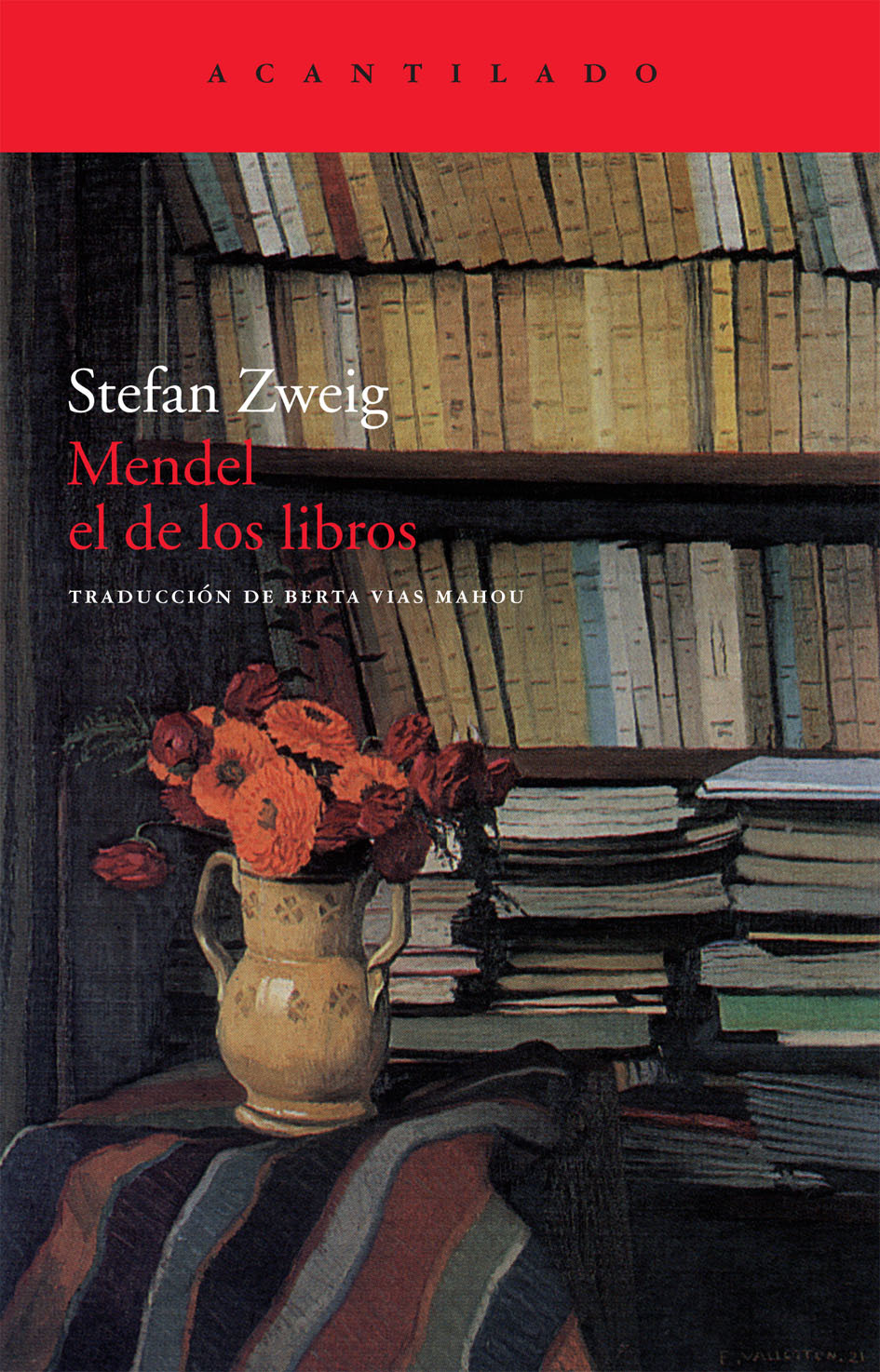
Escrito en 1929, Mendel el de los libros narra la trágica historia de un excéntrico librero de viejo que pasa sus días sentado siempre a la misma mesa en uno de los muchos cafés de la ciudad de Viena. Con su memoria enciclopédica, el inmigrante judío ruso no sólo es tolerado, sino querido y admirado por el dueño del café Gluck y por la culta clientela que requiere sus servicios. Sin embargo, en 1915 Jakob Mendel es enviado a un campo de concentración, acusado injustamente de colaborar con los enemigos del Imperio astrohúngaro. Un breve y brillante relato sobre la exclusión en la Europa de la primera mitad del siglo XX.
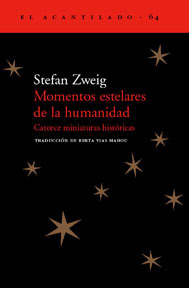
Éste es probablemente el libro más famoso de Stefan Zweig. En él lleva a su cima el arte de la miniatura histórica y literaria. Muy variados son los acontecimientos que reúne bajo el título de Momentos estelares: el ocaso del imperio de Oriente, en el que la caída de Constantinopla a manos de los turcos en 1453 adquiere su signo más visible; el nacimiento de El Mesías de Händel en 1741; la derrota de Napoleón en 1815; el indulto de Dostoievski momentos antes de su ejecución en 1849; el viaje de Lenin hacia Rusia en 1917... «Cada uno de estos momentos estelares—escribe Stefan Zweig con acierto—marca un rumbo durante décadas y siglos», de manera que podemos ver en ellos unos puntos clave de inflexión de la historia, que leemos en estas catorce miniaturas históricas con la fascinación que siempre nos produce Zweig.
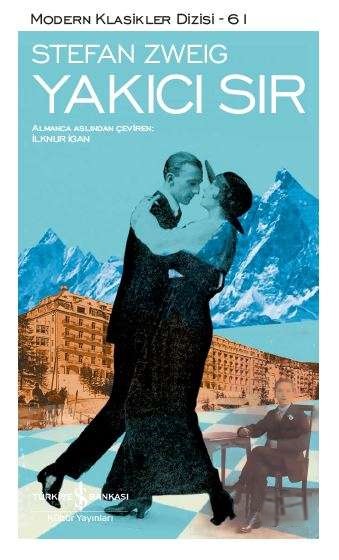
Kısa bir tatil için Avusturya Alplerine giden bir baron, zamanını zararsız bir flörtle renklendirmenin yollarını aramaktadır. Kendine fazlasıyla güvenen ve gönül maceralarına her zaman açık olan bu müzmin kadın avcısı, kısa sürede kendisine bir av bulmakta hiç zorlanmayacaktır. Tanışıp yakınlaşmak istediği kadının on iki yaşındaki oğluyla ahbaplık kurarak işe koyulur. Yakıcı Sır annesini elde etmek isteyen bu narsist çapkın tarafından kullanılan bir çocuğun hikâyesidir aslında. Ne var ki, yetişkin dünyası bazen masum çocuklara büyüklere göründüğünden çok daha berrak görünmektedir…İçindekiler;PartnerHızlı Bir TanışmaÜçlüKuşatmaFillerHafif Bir ÇarpışmaYakıcı SırSuskunlukYalancılarAy Işığında İzlerBaskınFırtınaİlk İdrakKaranlık ve KarmaşaSon Düş

Au soir de sa vie, un vieux professeur se souvient de l'aventure qui, plus que les honneurs et la réussite de sa carrière, a marqué sa vie. A dix-neuf ans, il a été fasciné par la personnalité d'un de ses professeurs ; l'admiration et la recherche inconsciente d'un Père font alors naître en lui un sentiment mêlé d'idolâtrie, de soumission et d'un amour presque morbide. Freud a salué la finesse et la vérité avec laquelle l'auteur d'Amok et du Joueur d'échecs restituait le trouble d'une passion et le malaise qu'elle engendre chez celui qui en est l'objet. Paru en 1926, ce récit bref et profond connut un succès fulgurant, en raison de la nouveauté audacieuse du sujet. Il demeure assurément l'un des chefs-d'œuvre du grand écrivain autrichien.

Life at the court of Louis XVI and Marie Antoinette has long captivated readers, drawn by accounts of the intrigues and pageantry that came to such a sudden and unexpected end. Stefan Zweig's Marie Antoinette: The Portrait of an Average Woman is a dramatic account of the guillotine's most famous victim, from the time when as a fourteen-year-old she took Versailles by storm, to her frustrations with her aloof husband, her passionate love affair with the Swedish Count von Fersen, and ultimately to the chaos of the French Revolution and the savagery of the Terror. An impassioned narrative, Zweig's biography focuses on the human emotions of the participants and victims of the French Revolution, making it both an engrossingly compelling read and a sweeping and informative history.

The post-office girl is Christine, who looks after her ailing mother and toils in a provincial Austrian post office in the years just after the Great War. One afternoon, as she is dozing among the official forms and stamps, a telegraph arrives addressed to her. It is from her rich aunt, who lives in America and writes requesting that Christine join her and her husband in a Swiss Alpine resort. After a dizzying train ride, Christine finds herself at the top of the world, enjoying a life of privilege that she had never imagined. But Christine’s aunt drops her as abruptly as she picked her up, and soon the young woman is back at the provincial post office, consumed with disappointment and bitterness. Then she meets Ferdinand, a wounded but eloquent war veteran who is able to give voice to the disaffection of his generation. Christine’s and Ferdinand’s lives spiral downward, before Ferdinand comes up with a plan which will be either their salvation or their doom. Never before published in English, this extraordinary book is an unexpected and haunting foray into noir fiction by one of the masters of the psychological novel.

Bu son derece çarpıcı çöküş öyküsü, XV. Louis döneminde Fransız sarayında epey etkili olmuş aristokrat bir kadının gerçek yaşamına dayanır. Madame de Prie günün birinde gözden düşer ve kral tarafından Normandiya’ya sürülür. İktidar sahibi ve ilgi odağı olduğu hareketli ve eğlenceli Paris günlerinden sonra, ne kadar süreceği belli olmayan, kendisiyle baş başa kalacağı bir sürgün dönemi beklemektedir onu. Ancak iktidar savaşları, entrika ve eğlenceden ibaret boş saray hayatı varoluşuna anlam katan tek şeydir. Hem kendini hem çevresindekileri sürekli kandırma eğilimindeki bu sığ ve kibirli kadın, malikânesinde gösterişli eğlenceler düzenleyerek Paris’teki hayatını yeniden canlandırmaya çalışır. Giderek mantıklı düşünme yetisini bütünüyle yitiren Madame de Prie, yeniden bütün dikkatleri üzerine çekebilmek için inanılmaz bir plan yapar.

A deep study of the uneasy heart by one of the masters of the psychological novel, Journey into the Past, published here for the first time in America, is a novella that was found among Zweig’s papers after his death. Investigating the strange ways in which love, in spite of everything - time, war, betrayal - can last, Zweig tells the story of Ludwig, an ambitious young man from a modest background who falls in love with the wife of his rich employer. His love is returned, and the couple vow to live together, but then Ludwig is dispatched on business to Mexico, and while he is there the First World War breaks out. With travel and even communication across the Atlantic now shut down, Ludwig makes a new life in the New World. Years later, however, he returns to Germany to find his beloved a widow and their mutual attraction as strong as ever. But is it possible for love to survive precisely as the impossible?

Savaş karşıtı görüşleriyle tanınan Zweig I. Dünya Savaşı boyunca bu görüşlerini yaymayı kendine misyon edinmişti. Avrupalı ve “dünya vatandaşı” kimliğine büyük değer veren yazar, yapıtlarında savaşın yıkıma uğrattığı “eski dünya”nın değerlerinin kayboluşunu büyük ölçüde dert edinmiştir. Mecburiyet ’in ana karakteri ressam Ferdinand da savaş sırasında askere alınmamak için İsviçre’ye kaçmıştır. Bir gün askerliğe elverişliliğinin tespiti için konsolosluğa davet edildiğinde, karısının şiddet karşıtı duruşuna ihanet etmemesi yolundaki telkinlerine karşın kendini gitmek zorunda hisseder. Görev duygusu, savaş karşıtı düşünceleri ve karısına duyduğu sevgi arasında sıkışıp kalmıştır. Ferdinand her ne kadar “insanlığın ötesinde bir vatanı” olmasa da, “yirmi milyon insanı boğan o zinciri” kıramayacağını düşünür...

Fransa’nın bir liman kentinin denizci mahallesinde gezinirken duyduğu arya söyleyen sesi izleyerek tanımadığı insanların marazi hayatlarına dalan bir gezgin; patronuna kölece bağlılığı yüzünden korkunç bir eyleme sürüklenen karanlık, itici ve yabani bir hizmetçi; 1810 yılında İspanya’daki savaşta yaralanan, düşman bir ülkede amansız bir hayatta kalma mücadelesine girişen bir Fransız albay; 1918 yılının bir yaz gecesi Leman gölünde bulunup kurtarılan, ancak sonra yüreğini kavuran yurt özlemine yenik düşen bir Rus savaş esiri; yaşıtları üniversiteye giderken hâlâ liseye devam eden avare bir gencin öğretmeninin otoritesine isyan ettikten sonra ödediği ağır bedel.Zweig bu öykülerde insanı insanlıktan çıkarıp en uç noktalara sürükleyen deneyimlerin izini sürerken, okuru da ister istemez karakterlerinin ruh çalkantılarının içine çekiyor…

Reine d'Ecosse à l'âge de six jours, en 1542, puis reine de France à dix-sept ans par son mariage avec François II, Marie Stuart est un des personnages les plus romanesques de l'histoire. Veuve en 1560, elle rentre en Ecosse et épouse lord Darnley. Déçue par ce mariage, elle devient la maîtresse du comte de Bothwell. Lorsque ce dernier assassine Darnley, l'horreur est telle qu'elle doit se réfugier auprès de sa rivale, Elisabeth 1re reine d'Angleterre. Celle-ci la retiendra vingt ans captive, avant de la faire condamner à mort. Son courage devant le supplice impressionnera les témoins, au point de métamorphoser celle que l'on disait une criminelle en une martyre de la foi catholique... Sur cette figure fascinante et controversée de l'histoire britannique, le biographe de Marie-Antoinette et romancier de Vingt-quatre heures de la vie d'une femme a mené une enquête rigoureuse, se livrant à une critique serrée des documents et des témoignages. Ce récit passionné nous la restitue avec ses ombres et ses lumières, ses faiblesses et sa grandeur.

Joseph Fouché (1759-1820) est l'une des figures les plus énigmatiques de son temps. Elevé chez les Oratoriens, il fut un pilleur d'églises. Conventionnel modéré, il massacra les royalistes de Lyon. Ayant voté la mort de Louis XVI, il fut ministre de Louis XVIII. Napoléon, qui en fit son ministre de la Police, le chassa et le rappela : il le craignait et avait besoin de lui. La postérité n'a longtemps vu en Fouché que l'opportuniste cynique, capable de toutes les infamies et de toutes les trahisons pour assouvir son goût du pouvoir. Il le fut, mais il sut aussi s'opposer habilement à Robespierre comme à Napoléon, et, en quelques occasions décisives, agir en fonction du bon sens et de l'intérêt de son pays.Biographe de Marie-Antoinette et de Balzac, le romancier d'Amok et de La Confusion des sentiments nous donne ici un saisissant portrait de ce personnage, en qui il voit la première incarnation d'un type politique moderne : l'homme de l'ombre, dissimulé, manipulateur, actionnant en coulisses les mécanismes du pouvoir réel.

A doctor in the Dutch East Indies torn between his medical duty to help and his own mixed emotions; a middle-aged maidservant whose devotion to her master leads her to commit a terrible act; a hotel waiter whose love for an unapproachable aristocratic beauty culminates in an almost lyrical death, and a prisoner-of-war longing to be home again in Russia. In these four stories, Stefan Zweig shows his gift for the acute analysis of emotional dilemmas. His four tragic and moving cameos of the human condition are played out against cosmopolitan and colonial backgrounds in the first half of the twentieth century.

Lyon’da Düğün Fransız Devrimi sırasında yaşanan kargaşa ve zulüm günlerinde ölüme yaklaşan insanlara umut veren bir aşkın hikâyesidir. 1793’te kentte kurşuna dizilmeyi bekleyen karşı devrimcilerin toplandığı hapishane tuhaf bir nikâha sahne olur. İki Yalnız İnsan, acı çeken iki çaresiz insanı buluşturur. Birinin yüreğinden kopan çığlık diğerininkinde karşılık bulurken, farkında olmadan birbirlerinin yıllar süren yalnızlığına son verirler. Wondrak ise yazarın savaş karşıtı yapıtlarından biridir. Bohemya’nın küçük bir kentinde çirkinliğiyle sürekli alaya maruz kalan bir kadın tecavüze uğradıktan sonra doğurduğu çocuk sayesinde yaşama tutunmuştur, ama patlak veren Birinci Dünya Savaşı yüzünden oğlunu askere alarak ondan koparmaları söz konusudur. Zweig bu öykülerde toplum dışına itilmiş karakterleri üzerinden insanlık durumunu analiz eder. Karakterlerinin başlarından geçenler “yazgı” değil, insanlığın iflasının sonucudur.İçindekiler;Lyon’da Düğünİki Yalnız İnsanWondrak

هل فعلها؟" و"ليبوريلا": قصّتان بديعتان للكاتب النمساوي ستيفان زفايغ، تكشفان عن الروابط الخفيّة بين الإنسانيّ والحيوانيّ وتضعان الإنسان وجهًا لوجه مع حقيقته الباطنة..

Clarissa, hija de un militar austríaco, conoce en Lucerna a Léonard, un joven socialista francés del que se enamora. El estallido de la Gran Guerra separa a los amantes y la joven, que ha quedado embarazada, debe volver a Austria en medio de una Europa que se desgarra, donde toma la decisión de tener y criar a un hijo del enemigo. Esta conmovedora novela tardía de Zweig es hoy considerada el estamento en el que el extraordinario escritor austríaco condensó los ideales humanísticos que abrazó durante toda su vida.

Stefan's Zweig's Letter from an Unknown Woman and other stories contains a new translation by the award-winning Anthea Bell of one of his most celebrated novellas, Letter from an Unknown Woman , the inspiration for a classic 1948 Hollywood film by Max Ophüls, as well as three new stories, appearing in English for the first time.A famous author receives a letter on his forty-first birthday. He doesn't know the sender, but still the letter concerns him intimately. Its story is earnest, even piteous: the story of a life lived in service to an unannounced, unnoticed love.In the other stories in this collection, a young man mistakes the girl he loves for her sister; two erstwhile lovers meet after an age spent apart; and a married woman repays a debt of gratitude. All four tales, newly translated by the award-winning Anthea Bell, are among Zweig's most celebrated and compelling work-expertly paced, laced with empathy and an unwaveringly acute sense of psychological detail.

Zweig gençlik dönemi yapıtlarından Kızıl’da öğrenim için Viyana’ya giden genç bir tıp öğrencisinin büyük kentin gerçekliğine uyum sağlama ve yetişkinliğe adım atma sürecini anlatır.Kendini birdenbire ailesinden uzakta soğuk bir odada yapyalnız bulan bu “çocuksu” genç adam, zamanla girdiği bunalımın etkisiyle hayallerinden, başlangıçta büyük bir hevesle sarıldığı tıp eğitiminden vazgeçme noktasına gelmiştir. Tam da o günlerde kızıla yakalanan ve yardımına ihtiyaç duyan bir kız çocuğu onu hayata geri çağırır…1908 yılına ait bu anlatı, Zweig’ın daha o zamanlar çoktan bir novella üstadı olup çıktığının kanıtıdır adeta. Üstelik, yazarın sonraki yapıtlarında sıklıkla karşılaştığımız bir temanın peşine henüz kariyerinin başındayken düştüğünü; gaddar bir dünyada varoluşunu sürdüremeyecek kadar kırılgan insanların acılarını baştan beri dert edindiğini ortaya koyar.

Mürebbiyeleri katı bir ahlak anlayışının kurbanı olurken, yetişkin dünyasının gaddarlığıyla tanışan iki masum çocuk; Como Gölü kıyısındaki bir otelin dingin ortamında gözüne kestirdiği bir genç kıza imzasız aşk mektupları yazarak zalimce bir oyuna girişen görmüş geçirmiş beyefendi; Tirol Alplerinde küçük bir lokantada gençliğinin platonik aşkıyla karşılaşan, artık düşkün ve yaşlı olan bu adama yıllar öncesinden duyduğu gönül borcunu ödeme fırsatı bulan evli bir kadın; bir genç kızın yarı histerik şefkat arayışında ifadesini bulan susuzluktan kurumuş toprak ve sıkıntılı yağmur bekleyişi.Zweig bu öykü derlemesinde, dönüştürücü deneyimleri sağlam anlatılara dönüştürmekteki ustalığıyla yine insanın kusurlarını, özlemlerini, karşılaştığı engelleyici durumları empatiyle çözümlüyor.İçindekiler;MürebbiyeYaz NovellasıGeç Ödenen BorçKadın ve Yeryüzü

Montaigne (German Language Edition) (German Edition)

La obra narra el camino de un guerrero llamado Virata hacia la purificacion. Ante un gran acontecimiento en el que tiene que tomar una determinacion, la inaccion le lanzara por diversas etapas como guerrero, juez, noble, anacoreta, en busca de la libertad y la tranquilidad de espiritu. Al final descubrira que solo quien es util es libre: quien da su voluntad a otro y su energia a una labor."