
Simone de Beauvoir
Works of Simone de Beauvoir, French writer, existentialist, and feminist, include The Second Sex in 1949 and The Coming of Age , a study in 1970 of views of different cultures on the old. Simone de Beauvoir, an author and philosopher, wrote novels, monographs, political and social issues, essays, biographies, and an autobiography. People now best know She Came to Stay and The Mandarins , her metaphysical novels. Her treatise, a foundational contemporary tract, of 1949 detailed analysis of oppression of women.
30 Books Written
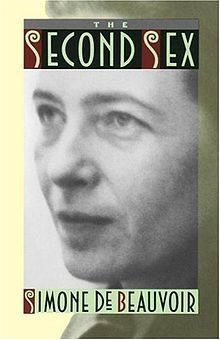
Newly translated and unabridged in English for the first time, Simone de Beauvoir's masterwork is a powerful analysis of the Western notion of "woman," and a groundbreaking exploration of inequality and otherness. This long-awaited new edition reinstates significant portions of the original French text that were cut in the first English translation. Vital and groundbreaking, Beauvoir's pioneering and impressive text remains as pertinent today as it was back then, and will continue to provoke and inspire generations of men and women to come.

Three long stories that draw the reader into the lives of three women, all past their first youth, all facing unexpected crises.
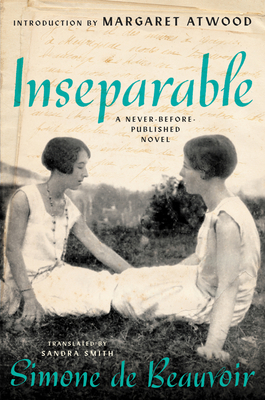
A never-before-published novel by the iconic Simone de Beauvoir of an intense and vivid girlhood friendship From the moment Sylvie and Andrée meet in their Parisian day school, they see in each other an accomplice with whom to confront the mysteries of girlhood. For the next ten years, the two are the closest of friends and confidantes as they explore life in a post-World War One France, and as Andrée becomes increasingly reckless and rebellious, edging closer to peril.Sylvie, insightful and observant, sees a France of clashing ideals and religious hypocrisy—and at an early age is determined to form her own opinions. Andrée, a tempestuous dreamer, is inclined to melodrama and romance. Despite their different natures they rely on each other to safeguard their secrets while entering adulthood in a world that did not pay much attention to the wills and desires of young women.Deemed too intimate to publish during Simone de Beauvoir’s life, Inseparable offers fresh insight into the groundbreaking feminist’s own coming-of-age; her transformative, tragic friendship with her childhood friend Zaza Lacoin; and how her youthful relationships shaped her philosophy. Sandra Smith’s vibrant translation of the novel will be long cherished by de Beauvoir devotees and first-time readers alike.

A superb autobiography by one of the great literary figures of the twentieth century, Simone de Beauvoir's Memoirs of a Dutiful Daughter offers an intimate picture of growing up in a bourgeois French family, rebelling as an adolescent against the conventional expectations of her class, and striking out on her own with an intellectual and existential ambition exceedingly rare in a young woman in the 1920s.She vividly evokes her friendships, love interests, mentors, and the early days of the most important relationship of her life, with fellow student Jean-Paul Sartre, against the backdrop of a turbulent time in France politically.

A Very Easy Death has long been considered one of Simone de Beauvoir’s masterpieces. The profoundly moving, day-by-day recounting of her mother’s death “shows the power of compassion when it is allied with acute intelligence” (The Sunday Telegraph). Powerful, touching, and sometimes shocking, this is an end-of-life account that no reader is ever likely to forget.

Simone de Beauvoir, novelist, dramatist, and philosopher, was the most distinguished woman writer in modern France. A leading exponent of French existentialism, her work complements, though it is independent of, that of her great friend Jean-Paul Sartre. In "The Ethics of Ambiguity," Madame de Beauvoir penetrates at once to the core ethical problems of modern man: what shall he do, how shall he go about making values, in the face of this awareness of the absurdity of his existence? She forces the reader to face the absurdity of the human condition, and then, having done so, proceeds to develop a dialectic of ambiguity which will enable him not to master the chaos, but to create with it.

When the beautiful, ambitious actress Regina takes Fosca into her life and learns his amazing truth, she is obsessed with the thought that in his memory her performances will live forever. But, as he recounts the story of his immortal existence over more than six centuries, as she learns of his involvement in some of the most significant events in history and how human hope and love have withered in him, she finally understands the implications for him and for love.

In her most famous novel, Simone de Beauvoir does not flinch in her look at Parisian intellectual society at the end of the Second World War. Drawing on those who surrounded her—Jean-Paul Sartre, Albert Camus, Arthur Koestler—and her passionate love affair with Nelson Algren, Beauvoir dissects the emotional and philosophical currents of her time. At once an engrossing drama and an intriguing political tale, The Mandarins is the emotional odyssey of a woman torn between her inner desire and her public life. The Mandarins won France's highest literary prize, the Prix Goncourt.

Nous commencerons par discuter les points de vue pris sur la femme par la biologie, la psychanalyse, le matérialisme historique. Nous essaierons de montrer ensuite positivement comment la « réalité féminine » s'est constituée, pourquoi la femme a été définie comme l'Autre et quelles en ont été les conséquences du point de vue des hommes. Alors nous décrirons du point de vue des femmes le monde tel qu'il leur est proposé ; et nous pourrons comprendre à quelles difficultés elles se heurtent au moment où, essayant de s'évader de la sphère qui leur a été jusqu'à présent assignée, elles prétendent participer au mitsein humain.

Written in 1943, this book was written as an act of revenge against the woman who nearly destroyed the author's life with the celebrated philosopher, Jean-Paul Sartre.

Nicole and André, a retired French couple, take a summer holiday to Russia. It is the 1960s and Russia is a beautiful, complicated place. Their guide is Macha, André's daughter from a previous relationship - a woman they both love. Adventure, inspiration, good food and good vodka are promised.Once thrilled by their romance, Nicole and André have now become too used to each other. Both harbour a growing feeling of not being fully understood - of being alone. Father and daughter engage in the grand debates of East-West relations, nationalism and socialism. But getting older, long-term relationships and how to enjoy life turn out to be the more pressing issues.

Jean Blomart, patriot leader against the German forces of occupation, waits throughout an endless night for his lover, Helene, to die. He is the one who sent her on the mission that led to her death, and before morning, he must ultimately decide how many others to send to a similar fate.

""Non" ; elle a crié tout haut. Pas Catherine. Je ne permettrai pas qu'on lui fasse ce qu'on m'a fait. Qu'a-t-on fait de moi ? Cette femme qui n'aime personne, insensible aux beautés du monde, incapable même de pleurer, cette femme que je vomis. Catherine : au contraire lui ouvrir les yeux tout de suite et peut-être un rayon de lumière filtrera jusqu'à elle, peut-être elle s'en sortira... De quoi ? De cette nuit. De l'ignorance, de l'indifférence."

Vintage classic feminist texts in short formWhen this book was first published in 1949 it was to outrage and scandal. Never before had the case for female liberty been so forcefully and successfully argued. De Beauvoir’s belief that ‘One is not born, but rather becomes, a woman’ switched on light bulbs in the heads of a generation of women and began a fight for greater equality and economic independence. These pages contain the key passages of the book that changed perceptions of women forever.

The author recalls her life in Paris in the formative years of 1929 to 1944, telling of her relationship with Jean-Paul Sartre and of Parisian intellectual life of the 1930s and 1940s

Librarian note: Alternate cover edition of ASIN B0DLT5TW4J«Comment la femme fait-elle l’apprentissage de sa condition, comment l’éprouve-t-elle, dans quel univers se trouve-t-elle enfermée, quelles évasions lui sont permises, voilà ce que je chercherai à décrire. Alors seulement nous pourrons comprendre quels problèmes se posent aux femmes qui, héritant d’un lourd passé, s’efforcent de forger un avenir nouveau. Quand j’emploie les mots «femme» ou «féminin» je ne me réfère évidemment à aucun archétype, à aucune immuable essence ; après la plupart de mes affirmations il faut sous-entendre «dans l’état actuel de l’éducation et des mœurs». Il ne s’agit pas ici d’énoncer des vérités éternelles mais de décrire le fond commun sur lequel s’élève toute existence féminine singulière.»Simone de Beauvoir.

" La femme a toujours été, sinon l'esclave de l'homme, du moins sa vassale ; les deux sexes ne se sont jamais partagé le monde à égalité ; et aujourd'hui encore, bien que sa condition soit en train d'évoluer, la femme est lourdement handicapée. En presque aucun pays son statut légal n'est identique à celui de l'homme et souvent il la désavantage considérablement. " Agrégée de philosophie, unie à Jean-Paul Sartre par un long compagnonnage affectif et intellectuel, Simone de Beauvoir (1908-1986) publie son premier roman, L'Invitée, à l'âge de trente-cinq ans. Paru en 1949, Le Deuxième Sexe, dont on trouvera ici quelques pages marquantes, fit d'elle l'une des grandes figures du féminisme du XXe siècle et lui assura une renommée internationale qui marqua durablement sa carrière d'écrivain.

'It is possible for man to snatch the world from the darkness of absurdity' How should we think and act in the world? These writings on the human condition by one of the twentieth century's great philosophers explore the absurdity of our notions of good and evil, and show instead how we make our own destiny simply by being.One of twenty new books in the bestselling Penguin Great Ideas series. This new selection showcases a diverse list of thinkers who have helped shape our world today, from anarchists to stoics, feminists to prophets, satirists to Zen Buddhists.

This is a collection of semi-autobiographical tales written when the author was only 30, before World War II. Each tale concerns a young woman struggling with the effects of a Catholic upbringing, and with the stifling social demands of the French bourgeoisie.

Yaşlılık ve ölüm, Beauvoir’ın bütün eserlerinde her zaman belirgin bir yer tutmuştur; Veda Töreni’nde ise tam merkezde… Beauvoir, varoluşçu felsefenin önde gelen filozoflarından biri, Nobel ödüllü bir tiyatro yazarı ve bir aydın olarak zamanının toplumsal olaylarında, politik ve edebi dünyada her zaman görünür olan Sartre’ın son yıllarını tuttuğu günlükler ve arkadaş tanıklıkları üzerinden anlatırken, dönemin Fransa’sının ve dünyasının siyasi ve düşünsel haritasını da çiziyor. Sartre’ın siyasi müdahalelerini, Flaubert üzerine yazmak istediği çalışmasını, arkadaşlıklarını, kendisiyle olan ilişkisini, sevgililerini ve adım adım ölüme gidişini son derece içten ve sade bir dille anlatırken eşsiz dostluklarını da özlemle anıyor.

Now backk in print, the lettes that caused a scandal wen first published, revealing de Beauvoir and Sartre as they had never been seen before.

يعتبر فريدريك ورمز، مدير المركز العالمي للدراسات التابع للفلسفة الفرنسية المعاصرة، أن رواية المثقفون هي إحدى أعمق الروايات عن الوجود الإنساني، وأنها كانت القلب النابض لإحدى أكثر المراحل أهمية في القرن المنصرم، كما أنها تحفز على تخطي جميع الأفكار المشبعة المتعلقة بالأديبة التي ألفتها. إنها رواية عن جماعة ممزقة ومتوترة ولكنها مفعمة بالدفء والحياة، يتجلى فيها هذا التحول العميق الجمالي والفلسفي والأخلاقي، والتي كانت الحرب محوره الغامض. "المثقفون ليست فقط صرحاً يلخص الحياة الثقافية فرنسا في حقبة ما بعد الحرب بل هي أيضاً رواية الحب الجارف والمستحيل".

"Penso che il femminismo sia una causa comune per l'uomo e per la donna, e che gli uomini riusciranno a vivere in un mondo più equo, meglio organizzato, un mondo più valido, soltanto quando le donne avranno uno status più equo e valido; la conquista dell'uguaglianza li riguarda entrambi". Simone de BeauvoirFamiglia, contraccezione, amore, aborto, violenza: attraverso articoli, interviste, note, Simone de Beauvoir affronta senza reticenze la vera uguaglianza dei sessi una conquista necessaria al progresso della società.Pubblicato nel 1982, le pagine militanti di questo libro conservano una straordinaria e bruciante attualità, soprattutto oggi che alcuni diritti civili, conseguiti grazie alle lotte del movimento femminista, vengono messi in discussione da certi ambienti politici e confessionali.

English, French (translation)

What do the words elderly, old, and aged really mean? How are they used by society, and how in turn do they define the generation that we are taught to respect and love but instead castigate and avoid? Most importantly, how is our treatment of this generation a reflection of our society's values and priorities? In The Coming of Age, Simone de Beauvoir seeks greater understanding of our perception of elders. With bravery, tenacity, and forceful honesty, she guides us on a study spanning a thousand years and a variety of different nations and cultures to provide a clear and alarming picture of Society's secret shame--the separation and distance from our communities that the old must suffer and endure.

Here is the ultimate American road book, one with a perspective unlike that of any other. In January 1947 Simone de Beauvoir landed at La Guardia airport and began a four-month journey that took her from one coast of the United States to the other, and back again. Embraced by the Condé Nast set in a swirl of cocktail parties in New York, where she was hailed as the "prettiest existentialist" by Janet Flanner in The New Yorker , de Beauvoir traveled west by car, train, and Greyhound, immersing herself in the nation's culture, customs, people, and landscape. The detailed diary she kept of her trip became America Day by Day, published in France in 1948 and offered here in a completely new translation. It is one of the most intimate, warm, and compulsively readable texts from the great writer's pen.Fascinating passages are devoted to Hollywood, the Grand Canyon, New Orleans, Las Vegas, and San Antonio. We see de Beauvoir gambling in a Reno casino, smoking her first marijuana cigarette in the Plaza Hotel, donning raingear to view Niagara Falls, lecturing at Vassar College, and learning firsthand about the Chicago underworld of morphine addicts and petty thieves with her lover Nelson Algren as her guide. This fresh, faithful translation superbly captures the essence of Simone de Beauvoir's distinctive voice. It demonstrates once again why she is one of the most profound, original, and influential writers and thinkers of the twentieth century.On New "I walk between the steep cliffs at the bottom of a canyon where no sun it's permeated by a salt smell. Human history is not inscribed on these carefully calibrated They are closer to prehistoric caves than to the houses of Paris or Rome."On Los "I watch the Mexican dances and eat chili con carne, which takes the roof off my mouth, I drink the tequila and I'm utterly dazed with pleasure."

"المثقفون ليست فقط صرحاً يلخص الحياة الثقافية فرنسا في حقبة ما بعد الحرب بل هي أيضاً رواية الحب الجارف والمستحيل".

'All Said and Done... offers us ten years (1962-72) not so much of experience realised (although this is exceptionally packed with incident) as an imaginative and intellectual transmutation of such experience. It is a deeply serious, wholly absorbing, and marvellously stimulating testimony, which gives a complete feeling of maturity and confidence in the autobiographer who comes through with tremendous honesty and admirable lucidity and precision... it inspires one to live, to look again, to learn more, to know more deeply the people and social systems which constitute our world. It throws open the windows, and simultaneously enables one better to examine the room behind one.' - Kay Dick in the Spectator.

In 1947, Simone de Beauvoir met Pulitzer Prize–winning writer Nelson Algren in Chicago, and it was love at first sight. A passionate affair ensued, spanning twenty years and four continents in an era when a transatlantic flight took twenty-four hours and overseas telephone calls were a luxury. A Transatlantic Love Affair collects more than three hundred love letters written in English by de Beauvoir to Algren.Unique among the prolific correspondence de Beauvoir conducted throughout her life, these letters involved someone not at all of her world. De Beauvoir was forced to explain to Algren everything that usually went without saying: her background, her life in Paris, and the political situation in Paris. The result is a cross between a personal memoir and an insider’s intellectual history of Left Bank life in postwar Paris, populated with luminaries including Albert Camus, Truman Capote, Colette, Alberto Giacometti, Margaret Mead, and Richard Wright.Written as she was working on The Mandarins, America Day by Day, and The Second Sex, the letters provide a new backdrop for those now classic works. Recently on the bestseller list in France, these frank, tender, and often humorous letters reveal an unusual portrait of the “Second Simone.”

Jag är inte som de andra, tänkte hon passionerat. Hon steg upp, öppnade jalusierna och gick ut på balkongen. Den lila himlen bredde ut sig över Paris som ett krokusfält och den underbara natten fick Marcelles hjärta att slå fortare. Hon tänkte på Madame de Staël, George Eliot och Anna de Noailles. Det var då hennes fantastiska öde plötsligt uppenbarade sig för henne. ”Jag ska dela livet med ett geni”, mumlade hon hänfört.Publicerad första gången i novellsamlingen Quand prime le spirituel (1979) med titeln Marcelle.