
Sarah Manguso
Sarah Manguso is the author of nine books, most recently the novel LIARS. Her previous novel, VERY COLD PEOPLE, was longlisted for the Wingate Literary Prize, the PEN/Jean Stein Book Award, and the Mark Twain American Voice in Literature Award. Her other books include a story collection, two poetry collections, and four acclaimed works of nonfiction: 300 ARGUMENTS, ONGOINGNESS, THE GUARDIANS, and THE TWO KINDS OF DECAY. Her work has been recognized by an American Academy of Arts and Letters Literature Award, a Guggenheim Fellowship, and the Rome Prize. Her writing has been translated into thirteen languages. She grew up in Massachusetts and now lives in Los Angeles.
16 Books Written

“Jam-packed with insights you’ll want to both text to your friends and tattoo on your skin….A sweeping view of a human mind trying to make order of the world around us.”―Celeste Ng, author of Little Fires EverywhereThere will come a time when people decide you’ve had enough of your grief, and they’ll try to take it away from you.Bad art is from no one to no one.Am I happy? Damned if I know, but give me a few minutes and I’ll tell you whether you are.Thank heaven I don’t have my friends’ problems. But sometimes I notice an expression on one of their faces that I recognize as secret gratitude.I read sad stories to inoculate myself against grief. I watch action movies to identify with the quick-witted heroes. Both the same I’ll escape the worst of it.―from 300 ArgumentsA “Proustian minimalist on the order of Lydia Davis” ( Kirkus Reviews ), Sarah Manguso is one of the finest literary artists at work today. To read her work is to witness acrobatic acts of compression in the service of extraordinary psychological and spiritual insight.300 Arguments , a foray into the frontier of contemporary nonfiction writing, is at first glance a group of unrelated aphorisms. But, as in the work of David Markson, the pieces reveal themselves as a masterful arrangement that steadily gathers power. Manguso’s arguments about desire, ambition, relationships, and failure are pithy, unsentimental, and defiant, and they add up to an unexpected and renegade wisdom literature.
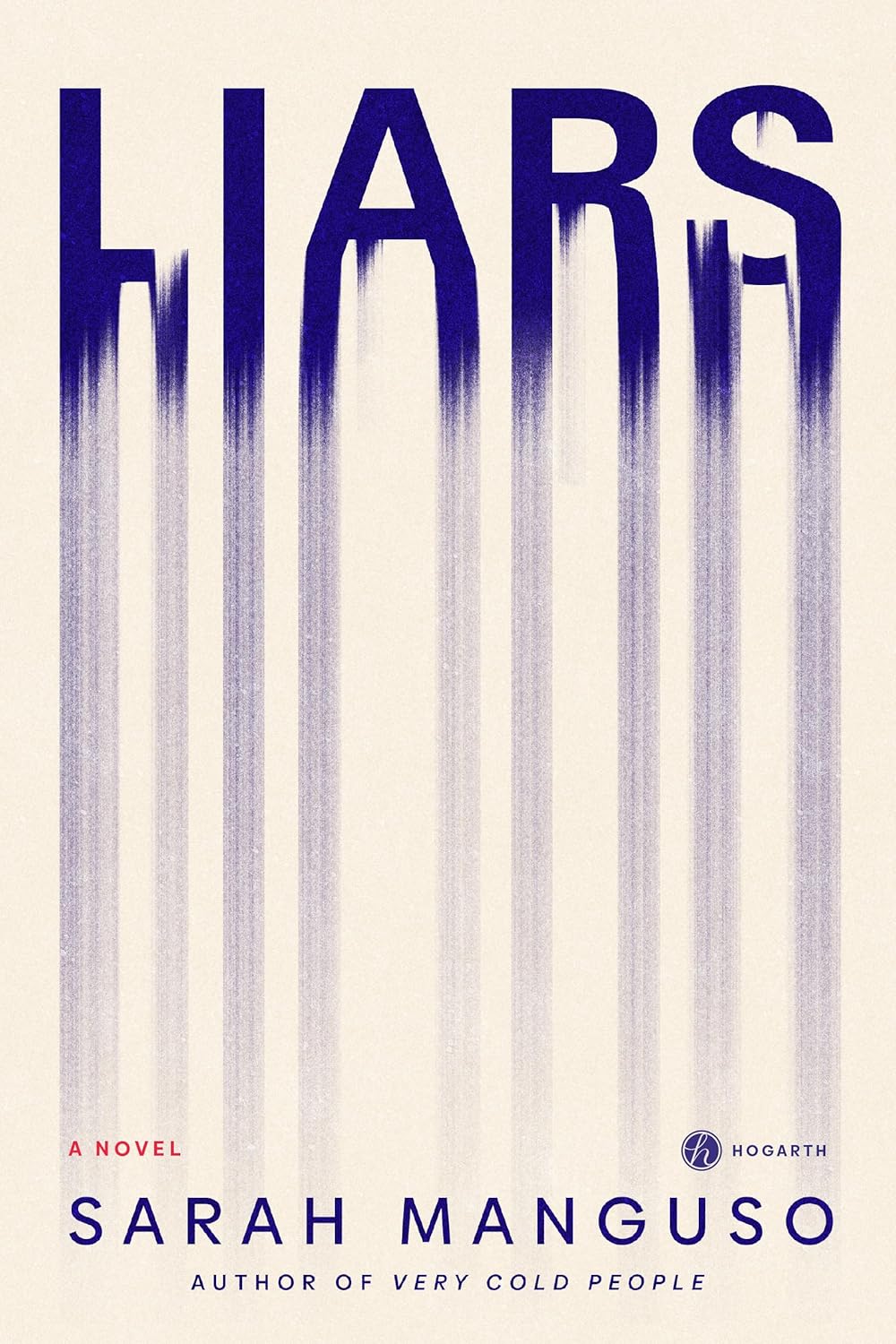
A searing novel about being a wife, a mother, and an artist, and how marriage makes liars out of us all, from the author of Very Cold People and 300 Arguments.“Painful and brilliant—I loved it.”—Elif Batuman, author of The Idiot and Either/OrA nuclear family can destroy a woman artist. I’d always known that. But I’d never suspected how easily I’d fall into one anyway.When Jane, an aspiring writer, meets filmmaker John Bridges, they both want the same things: to be in love, to live a successful creative life, and to be happy. When they marry, Jane believes she has found everything she was looking for, including—a few years later—all the attendant joy and labor of motherhood. But it’s not long until Jane finds herself subsumed by John’s ambitions, whims, and ego; in short, she becomes a wife.As Jane’s career flourishes, their marriage starts to falter. Throughout the upheavals of family life, Jane tries to hold it all together. That is, until John leaves her.Combining the intensity of Elena Ferrante’s Days of Abandonment and the pithy wisdom of Jenny Offill’s Dept of Speculation, Liars is a tour de force of wit and rage, telling the blistering story of a marriage as it burns to the ground, and of a woman rising inexorably from its ashes.

No-one is watching Ruth. She, however, watches everyone and everything, and waits, growing up on the outskirts of an affluent but threadbare New England township, on the outer edge of popularity. She doesn’t necessarily understand what she is seeing, but she records faithfully and with absolute clarity the unfurling of her awkward youth, under even more awkward parenting. As they alternately mock, ignore, undermine and discount their daughter, Ruth’s parents present now as damaged, now as inadequate, now as monstrous. All the while the Future comes towards them all, steadily, inexorably, for some of them fatally. And the fog of the Past and the abuses committed under it gathers, swirls, settles, intermittently clears.Watching the future come, the reader of Very Cold People is immobilised, transfixed as much by the gross failures of the adults to be adults, as by the determinedly graceful arc Ruth’s trajectory makes towards an adulthood of her own making.

“[Manguso] has written the memoir we didn’t realize we needed.” ― The New Yorker In Ongoingness , Sarah Manguso continues to define the contours of the contemporary essay. In it, she confronts a meticulous diary that she has kept for twenty-five years. “I wanted to end each day with a record of everything that had ever happened,” she explains. But this simple statement belies a terror that she might forget something, that she might miss something important. Maintaining that diary, now eight hundred thousand words, had become, until recently, a kind of spiritual practice. Then Manguso became pregnant and had a child, and these two Copernican events generated an amnesia that put her into a different relationship with the need to document herself amid ongoing time. Ongoingness is a spare, meditative work that stands in stark contrast to the volubility of the diary―it is a haunting account of mortality and impermanence, of how we struggle to find clarity in the chaos of time that rushes around and over and through us. “Bold, elegant, and honest . . . Ongoingness reads variously as an addict’s testimony, a confession, a celebration, an elegy.” ― The Paris Review “Manguso captures the central challenge of memory, of attentiveness to life . . . A spectacularly and unsummarizably rewarding read.” ―Maria Popova, Brain Pickings

At twenty-one, just as she was starting to comprehend the puzzles of adulthood, Sarah Manguso was faced with another: a wildly unpredictable autoimmune disease that appeared suddenly and tore through her twenties, paralyzing her for weeks at a time, programming her first to expect nothing from life and then, furiously, to expect everything. In this captivating story, Manguso recalls her struggle: arduous blood cleansings, collapsed veins, multiple chest catheters, depression, the deaths of friends and strangers, addiction, and, worst of all for a writer, the trite metaphors that accompany prolonged illness. A book of tremendous grace, The Two Kinds of Decay transcends the very notion of what an illness story can and should be.

The Guardians opens with a story from the July 24, 2008, edition of the Riverdale Press that begins, “An unidentified white man was struck and instantly killed by a Metro-North train last night as it pulled into the station on West 254th Street.” Sarah Manguso writes: “The train’s engineer told the police that the man was alone and that he jumped. The police officers pulled the body from the track and found no identification. The train’s 425 passengers were transferred to another train and delayed about twenty minutes.” The Guardians is an elegy for Manguso’s friend Harris, two years after he escaped from a psychiatric hospital and jumped under that train. The narrative contemplates with unrelenting clarity their crowded postcollege apartment, Manguso’s fellowship year in Rome, Harris’s death and the year that followed—the year of mourning and the year of Manguso’s marriage. As Harris is revealed both to the reader and to the narrator, the book becomes a monument to their intimacy and inability to express their love to each other properly, and to the reverberating effects of Harris’s presence in and absence from Manguso’s life. There is grief in the book but also humor, as Manguso marvels at the unexpected details that constitute a friendship. The Guardians explores the insufficiency of explanation and the necessity of the imagination in making sense of anything.

Sarah Manguso’s first collection, a combination of verse and prose poems, explores love, nostalgia, remorse, and the joyful and mysterious preparation for the discoveries of new lands, selves, and ideas. The voice is consistently spare, honest, understated, and eccentric.


“This book is for those of us who want to read more poetry but are frequently stopped by its--what is it? Its chilly self-seriousness? Its unwillingness to hold our hand every so often, while cracking an easy joke? Either way, Sarah Manguso, like her spiritual siblings David Berman and Tony Hoagland, is a friendly kind of savior and guide. Her writing is gorgeous and cerebral (imagine Anne Carson) but she doesn't skimp on the wit (imagine Anne Carson's ne'er-do-well niece). Poetry-fearers, don't back away from this beautiful book; these might be the pages that bring you back into the form.” --Dave Eggers

Pondering the questions only kids would think to ask, this hilarious, poignant collection captures the wonder of a child's imagination, brought to life by beloved New Yorker cartoonist Liana Finck.“This book is for anyone who has secret questions in their mind they are too embarrassed to ask out loud. In other words, this book is for everyone.”—Lemony Snicket, bestselling author of A Series of Unfortunate Events and All the Wrong QuestionsDoes the rain know that people love to play in the rain? Are the bubbles in drinks their thoughts? Do dogs have chins? What does it feel like on the last day you’re a child? What’s the best question a kid ever asked you? When Sarah Manguso opened a Twitter account and posted this single (and only) tweet, she immediately received hundreds of answers. Many, she discovered, were intelligent, intuitive, inventive, and philosophical. In the process of assembling them, the questions seemed to form a “choral philosophy” that she believes disappears from most people’s lives in kindergarten. As Sarah Manguso says in her illuminating foreword, “These questions are cute by the word’s original definition, swift and piercing. They cut to the quick.”Gathering a hundred of the best questions from this poll, as well as her own experience as a mom, and bringing them brilliantly to life with illustrations by New Yorker cartoonist Liana Finck, Questions Without Answers ranges from the ridiculous to the sublime--encompassing birth, death, poop, dinosaurs, and everything in between--to show us the wit and wisdom of little people in all their wondrous glory.

A combined book of two daring works by Sarah Manguso, presented together in a rare reversible single edition.300 ARGUMENTSThink of this as a short book composed entirely of what I hoped would be a long book’s quotable passages.300 Arguments by Sarah Manguso is at first glance a group of unrelated aphorisms, but the pieces reveal themselves as a masterful arrangement that steadily gathers power. Manguso’s arguments about writing, desire, ambition, relationships, and failure are pithy, unsentimental, and defiant, and they add up to an unexpected and renegade wisdom literature. Lines you will underline, write in notebooks and read to the person sitting next to you, that will drift back into your mind as you try to get to sleep.ONGOINGNESS: THE END OF THE DIARYIn Ongoingness, Sarah Manguso continues to define the contours of the contemporary essay. In it, she confronts a meticulous diary that she has kept for twenty-five years. ‘I wanted to end each day with a record of everything that had ever happened,’ she explains. But this simple statement belies a terror that she might forget something, that she might miss something important. Maintaining that diary, now eight hundred thousand words, had become, until recently, a kind of spiritual practice.Then Manguso became pregnant and had a child, and these two Copernican events generated an amnesia that put her into a different relationship with the need to document herself amid ongoing time.Ongoingness is a spare, meditative work that stands in stark contrast to the volubility of the diary – it is a haunting account of mortality and impermanence, of how we struggle to find clarity in the chaos of time that rushes around and over and through us.


Do Dogs Have Chins? And Other Questions Without Answers
by Sarah Manguso
Pondering the questions only kids would think to ask, this hilarious, poignant collection captures the wonder of a child's imagination, brought to life by beloved New Yorker cartoonist Liana Finck.'A chance to leave all adult frippery behind and ponder what's really important - our children have known it all along. This book is cleansing, reassuring, funny, and frequently profound; I loved it'. Susie DentWhy does a ghost wander? Are bubbles in drinks their thoughts? Do dogs have chins? Where does the dark go when the light comes on? How will it feel on the last day I'm a child?What's the best question a kid ever asked you? When Sarah Manguso posted this question online, she immediately received hundreds of answers. Gathering more than one hundred of the best questions from this poll and bringing them brilliantly to life with illustrations by New Yorker cartoonist Liana Finck, Do Dogs Have Chins? ranges from the ridiculous to the sublime - encompassing birth, death, love dinosaurs, and everything in between - to show us the wit and wisdom of children in all their wondrous glory.'This book is for anyone who has secret questions in their mind they are too embarrassed to ask out loud. In other words, this book is for everyone' Lemony Snicket, bestselling author of A Series of Unfortunate Events and All the Wrong Questions
![[(The Captain Lands in Paradise: Poems)] [Author: Sarah Manguso] published on](/placeholder.svg?height=400&width=300)

The Age of Experience
by Sarah Manguso
An astonishing novel about the end of a marriage, and one woman's discovery of expansive a life can be. As if sixteen years had been nothing, had been prologue, life felt long, as if it were just beginning. When Kate’s marriage collapses a year shy of her fiftieth birthday, the pursuit of pleasure becomes the central focus of her life. Rather than despair at the ruins of the marriage behind her, Kate is thrilled by the parade of men available to her through dating apps, who offer a version of freedom which she couldn’t have dreamt of before her marriage.Kate assembles a revolving door roster of lovers, all decidedly the runway model, the lifeguard, the musician. But it is Douglas, a stuntman in his late twenties, who shows Kate a new way of loving and being in the world. With the stuntman Kate is thrilled at first to discover the shape of her own desires, but their affair soon transforms into something darker and more desolate, as she begins to ask questions about love, desire and the exposing vulnerabilities of middle age.The Age of Experience is a brilliant story of desire, longing and self-discovery, perfect for readers of All Fours.