
Raymond Carver
Carver was born into a poverty-stricken family at the tail-end of the Depression. He married at 19, started a series of menial jobs and his own career of 'full-time drinking as a serious pursuit', a career that would eventually kill him. Constantly struggling to support his wife and family, Carver enrolled in a writing programme under author John Gardner in 1958. He saw this opportunity as a turning point. Rejecting the more experimental fiction of the 60s and 70s, he pioneered a precisionist realism reinventing the American short story during the eighties, heading the line of so-called 'dirty realists' or 'K-mart realists'. Set in trailer parks and shopping malls, they are stories of banal lives that turn on a seemingly insignificant detail. Carver writes with meticulous economy, suddenly bringing a life into focus in a similar way to the paintings of Edward Hopper. As well as being a master of the short story, he was an accomplished poet publishing several highly acclaimed volumes. After the 'line of demarcation' in Carver's life - 2 June 1977, the day he stopped drinking - his stories become increasingly more redemptive and expansive. Alcohol had eventually shattered his health, his work and his family - his first marriage effectively ending in 1978. He finally married his long-term parter Tess Gallagher (they met ten years earlier at a writers' conference in Dallas) in Reno, Nevada, less than two months before he eventually lost his fight with cancer.
28 Books Written

Alternate-cover edition can be found here In his second collection, Carver establishes his reputation as one of the most celebrated and beloved short-story writers in American literature—a haunting meditation on love, loss, and companionship, and finding one’s way through the dark.

The first collection of stories from “one of the great short story writers of our time” ( The Philadelphia Inquirer ) breathed new life into the American short story, showing us the humor and tragedy that dwell in the hearts of ordinary people."[Carver's stories] can ... be counted among the masterpieces of American Literature." — The New York Times Book Review"One of the great short story writers of our time—of any time." — The Philadelhpia Inquirer"The whole collection is a knock out. Few writers can match Raymond Carver's entwining style and language." — The Dallas Morning News
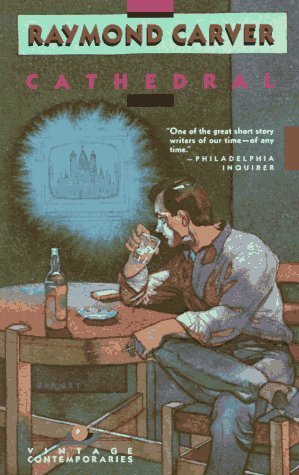
Raymond Carver’s third collection of stories, a finalist for the Pulitzer Prize, including the canonical titular story about blindness and learning to enter the very different world of another.It was morning in America when Raymond Carver's Cathedral came out in 1983, but the characters in this dry collection of short stories from the forgotten corners of land of opportunity didn't receive much sunlight. Nothing much happens to the subjects of Carver's fiction, which is precisely why they are so harrowing: nothingness is a daunting presence to overcome. And rarely do they prevail, but the loneliness and quiet struggle the characters endure provide fertile ground for literary triumph, particularly in the hands of Carver, who was perhaps in his best form with this effort. Raymond Carver (1938-1988) was an author who rejected the more experimental fiction of the 60s and 70s. He pioneered a precisionist realism reinventing the American short story during the eighties, heading the line of so-called "dirty realists" or "K-mart realists". They are stories of banal lives that turn on a seemingly insignificant detail. Carver writes with meticulous economy, suddenly bringing a life into focus in a similar way to the paintings of Edward Hopper. As well as being a master of the short story, he was an accomplished poet publishing several highly acclaimed volumes.
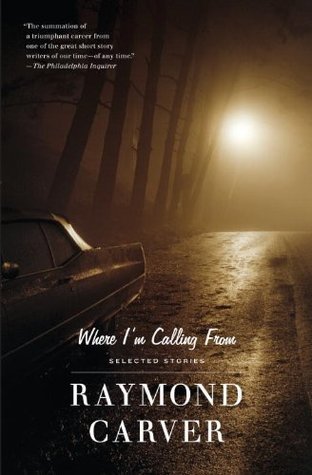
By the time of his early death in 1988, Raymond Carver had established himself as one of the greatest practitioners of the American short story, a writer who had not only found his own voice but imprinted it in the imaginations of thousands of readers. 'Where I'm Calling From', his last collection, encompasses classic stories from 'Cathedral', 'What We Talk About When We Talk About Love' and earlier Carver volumes, along with seven new works previosly unpublished in book form. Together, these 37 stories give us a superb overview of Carver's life work and show us why he was so widely imitated but never equaled.

The nine stories and one poem collected in this volume formed the basis for the astonishingly original film “Short Cuts” directed by Robert Altman. Collected altogether in this volume, these stories form a searing and indelible portrait of American innocence and loss. From the collections Will You Please Be Quiet, Please?, Where I’m Calling From, What We Talk About When We Talk About Love, and A New Path to the Waterfall; including an introduction by Robert Altman. With deadpan humor and enormous tenderness, this is the work of “one of the true contemporary masters” (The New York Review of Books). From the eBook edition.

These seven stories were the last that Carver wrote. Among them is Errand in which he imagines the death of Chekhov, a writer Carver hugely admired and to whose work his own was often compared.Stories included: - Boxes- Whoever Was Using this Bed- Intimacy- Menudo- Elephant- Blackbird Pie- Errand

From “one of the great short story writers of our time—of any time” ( The Philadelphia Inquirer )—comes more than sixty stories, poems, and essays, including two early versions from the seminal collection, What We Talk About When We Talk About Love. "Show[s] the enormous talent of Raymond Carver beginning to take hold." — San Francisco ChronicleA wide-ranging collection by the extravagantly versatile Raymond Carver. Two of the stories that were later significantly revised in What We Talk About When We Talk About Love appear here in their original form, revealing clearly the astounding process of Carver’s literary development.

Perhaps no other writer of his generation has had more impact on the shape of fiction in the latter decades of the twentieth century than Raymond Carver. From the blue-collar realism of his early writing to his expansive later stories, the cool-eyed intensity and steady witnessing of Carver's work remains an inspiration for readers and writers alike.Call If You Need Me traces the arc of Carver's career, not in the widely anthologized stories that have become classics, but through his uncollected fiction and his essays. Here are the five "last stories," discovered a decade after Carver's death. Also here are Carver's first published story, the fragment of an unfinished novel, and all of his nonfiction--from a recollection of his father to reflections on writers as varied as Anton Chekhov and John Gardner, Donald Barthelme and Sherwood Anderson. Call If You Need Me does not merely enhance the stature of a twentieth-century master; it invites us to travel with a singular artist, step by step, as he discovers what is worth saying and how to say it so it pierces the heart.

This prodigiously rich collection of poems suggests that Raymond Carver was not only America’s finest writer of short fiction, but also one of its most large-hearted and affecting poets. Like Carver’s stories, the more than 300 poems in All of Us are marked by a keen attention to the physical world; an uncanny ability to compress vast feeling into discreet moments; a voice of conversational intimacy, and an unstinting sympathy. This complete edition brings together all the poems of Carver’s five previous books, from Fires to the posthumously published No Heroics, Please. It also contains bibliographical and textual notes on individual poems; a chronology of Carver’s life and work; and a moving introduction by Carver’s widow, the poet Tess Gallagher.

Beginners contains Carver's original manuscripts for his classic short-story collection, What We Talk About When We Talk About Love, which his ruthless editor, Gordon Lish, reduced by more than 50 per cent before publication. Fascinating, with some stories weighted entirely differently, the original texts reveal Carver to be a more humane writer than he is usually credited with being.

Raymond Carver’s spare dramas of loneliness, despair, and troubled relationships breathed new life into the American short story of the 1970s and ’80s. In collections such as Will You Please Be Quiet, Please? and What We Talk About When We Talk About Love, Carver wrote with unflinching exactness about men and women enduring lives on the knife-edge of poverty and other deprivations. Beneath his pared-down surfaces run disturbing, violent undercurrents. Suggestive rather than explicit, and seeming all the more powerful for what is left unsaid, Carver’s stories were held up as exemplars of a new school in American fiction known as minimalism or “dirty realism,” a movement whose wide influence continues to this day. Carver’s stories were brilliant in their detachment and use of the oblique, ambiguous gesture, yet there were signs of a different sort of sensibility at work. In books such as Cathedral and the later tales included in the collected stories volume Where I’m Calling From, Carver revealed himself to be a more expansive writer than in the earlier published books, displaying Chekhovian sympathies toward his characters and relying less on elliptical effects.In gathering all of Carver’s stories, including early sketches and posthumously discovered works, The Library of America’s Collected Stories provides a comprehensive overview of Carver’s career as we have come to know it: the promise of Will You Please Be Quiet, Please? and the breakthrough of What We Talk About, on through the departures taken in Cathedral and the pathos of the late stories. But it also prompts a fresh consideration of Carver by presenting Beginners, an edition of the manuscript of What We Talk About When We Talk About Love that Carver submitted to Gordon Lish, his editor and a crucial influence on his development. Lish’s editing was so extensive that at one point Carver wrote him an anguished letter asking him not to publish the book; now, for the first time, readers can read both the manuscript and published versions of the collection that established Carver as a major American writer. Offering a fascinating window into the complex, fraught relationship between writer and editor, Beginners expands our sense of Carver and is essential reading for anyone who cares about his achievement.Contents--What We Talk About When We Talk About LoveWhy Don’t You Dance?ViewfinderMr. Coffee and Mr. FixitGazeboI Could See the Smallest ThingsSacksThe BathTell the Women We’re GoingAfter the DenimSo Much Water So Close to HomeThe Third Thing That Killed My Father OffA Serious TalkThe CalmPopular MechanicsEverything Stuck to HimWhat We Talk About When We Talk About LoveOne More ThingStories from FiresThe LieThe CabinHarry’s DeathThe PheasantCathedralFeathersChef’s HousePreservationThe CompartmentA Small, Good ThingVitaminsCarefulWhere I’m Calling FromThe TrainFeverThe BridleCathedralFrom Where I’m Calling FromBoxesWhoever Was Using This BedIntimacyMenudoElephantBlackbird PieErrandOther FictionThe HairThe AficionadosPoseidon and CompanyBright Red ApplesFrom The Augustine NotebooksKindlingWhat Would You Like to See?DreamsVandalsCall If You Need MeSelected EssaysMy Father’s LifeOn WritingFiresAuthor’s Note to Where I’m Calling FromBeginners (The Manuscript Version of What We Talk About When We Talk About Love)Why Don’t You Dance?ViewfinderWhere Is Everyone?GazeboWant to See Something?The FlingA Small, Good ThingTell the Women We’re GoingIf It Please YouSo Much Water So Close to HomeDummyPieThe CalmMineDistanceBeginnersOne More Thing--loa.org

Raymond Carver, author of 'Where I'm Calling From', is widely considered one of the great short story writers of our time. A New Path to the Waterfall was Carver's last book, and shows a writer telling the truth as best as he knows how in the time left to him. The sixty-odd poems in this collection are linked by Carver with selections from other writers, most notably Chekhov, whose work was an inspiration and a guide, and by the cumulative force of the life and death questions he poses in them. As Rilke's Letters to a Young Poet guided countless readers discovering their true love and work, Carver's book will guide those in the process of celebrating a limited life and mourning the inescapable end of it. A New Path to the Waterfall is an essential book for those who admire Carver's work, and testament to the transcendent strength of the human spirit. In her introductory essay, Tess Gallagher, Carver's companion and fellow writer, lays out the circumstances of their last years together with matter-of-fact grace.

Winner of Poetry Magazine’s Levinson Prize • An illuminating collection of poems from the middle of Carver's career that “function as distilled, heightened versions of his stories, offering us fugitive glimpses of ordinary lives on the edge” ( The New York Times )."The stories poems tell are so wonderfully self-contained, so self-evident, so gracefully metaphorical." — The Village Voice"There is a severity of language, an understatement of emotion, that endows the poems of his first major collection with the feel of extraordinary experience. To read them is to have the sense this man has lived more than most of us. We trust him because of the plainly conversational diction and the lapel-grabbing rhythms.... They are very moving, very memorable." —Poetry

"Carver's gifts as a storyteller shine through his poetry" ( Los Angeles Times ) in this collection that moves from the beauty of the world to thoughts of mortality and family and art. One of Raymond Carver’s final collections of poetry, this collection “has the astonished, chastened voice of a person who has survived a wreck, as surprised that he had a life before it as that he has one afterward, willing to remember both sides” ( The New York Times Book Review ).
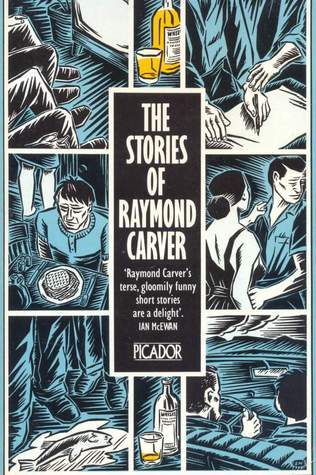
Will You Please Be Quiet, Please? What We Talk About When We Talk About Love. Cathedral

A Small, Good Thing is an award winning short story by American author Raymond Carver. It was included in the story collection Cathedral, published in 1983.

Il mestiere di scrivere: esercizi, lezioni, saggi di scrittura creativa
by Raymond Carver
Rating: 3.7 ⭐
Il libro raccoglie brevi saggi, lezioni, note e articoli. È una difesa appassionata dell'artigiano letterario, ma contiene anche un'idea morale dell'atto narrativo, che secondo Carver non ha nulla a che vedere con la moralità delle idee degli scrittori, ma è una questione di scelte stilistiche. Carver detestava i trucchi letterari, anche quelli ben riusciti. Il rispetto e l'amore per la nitidezza, la precisione, l'attenzione al dettaglio sono il frutto di una ricreca letteraria che non è possibile separare dalla vita dello scrittore. Una ricostruzione di una lezione tipica di Carver con l'indicazione degli esercizi consigliati, completa il volume.

A Vintage Shorts “Short Story Month” Selection • From one of the most celebrated short-story writers in American literature, the story that launched a thousand homages, in word and film—a haunting meditation on love and companionship, and finding one’s way through the dark.“What We Talk About When We Talk About Love” is included here with its unedited version, “Beginners,” which was originally submitted to Carver’s editor, Gordon Lish. In this eShort, readers can compare both versions of this iconic work of fiction, gaining insight into Carver’s aesthetic and the foundations of the contemporary American short story.

So Much Water, So Close to Home is a short story by American author Raymond Carver.Cover: © Camille Chan

A VINTAGE CONTEMPORARIES ORIGINALA literary event: Raymond Carver's complete uncollected fiction and nonfiction, including the recently discovered "last" stories, found a decade after Carver's death and published here in book form for the first time.Call If You Need Me includes all of the prose previously collected in No Heroics, Please, four essays from Fires, and those five marvelous stories that range over the period of Carver's mature writing and give his devoted readers a final glimpse of the great writer at work. The pure pleasure of Carver's writing is everywhere in his work, here no less than in those stories that have already entered the canon of modern American literature.


کارور از تواناترین داستاننویسانِ معاصر آمریکا و جهان است و مجموعهی حاضر دربردارندهی برخیاز بهترین داستانهای کوتاهِ او است، هرچند که همهی آثارش از چنانکیفیت و قدرتی برخوردارند که انتخاب بهترین از میانِ آنها کاریدشوار است. داستانهای کارور اغلب دربارهی زنان و مردانی استکه گویی از درون ویران شدهاند و اینویرانی در تنهایی و عدم امکانِ ارتباطِ آنان با دیگران نمود پیدا میکند. گاهی خوشبختی را بیروناز زندهگی ِ خود و در زندهگی ِ دیگران میبینند اما کارور نشان میدهد اینتصوّر ِ آنان نیز چندان متکی بهواقعیت نیست و فقط بهدلیل ِ آن استکه دستی از دور بر آتش دارند. شخصیتهای او در صحنهپردازیِ حداقلگرایانهی داستانهایش بهشدت برای خواننده ملموس و قابلدرک میشوند و در پایانِ داستانهایش خواننده که ابتدا حس میکند اتفاق ِ مهمّی رخ نداده، ناگهان متوجهِ هیبت و هولناکی آنچه رخ داده میشودهمراه با مقالاتی در شناخت نویسنده و آثارش

A poignant portrait of the landscapes and people that would greatly influence Raymond Carver’s writing. Carver Country is a new updated edition of a 1990 classic. Adelman’s evocative duotone photographs of the landscape and people of Carver’s life in Washington, Oregon, California, and New York state are paired with selections from Carver’s poems, stories, and letters. This “visual biography” reveals that the great depth and melancholy Carver manifested in his character’s lives was often directly born out of the surrounding world and his inner demons. What results becomes a profound meditation on the intersection of the fictionalized world and the physical world. 120 duotone photographs

"Early that day the weather turned and the snow was melting into dirty water. Streaks of it ran down from the little shoulder-high window that faced the backyard. Cars slushed by on the street outside, where it was getting dark. But it was getting dark on the inside too."

A waitress recounts a story to her friend, about "the fattest person I have ever seen."

Senden kalmanı istemiyorum ya da seni buna zorlamıyorum. Geminin kalkmasına daha beş-altı saat var, ondan önce kararını verebilirsin. Kalmak zorunda değilsin. Parayı paylaştırırım tabii. Bunun için üzgünüm. Kalmak istediğinden emin değilsen kalmanı istemem. Ama sanırım ben kalacağım. Hayatımın yarısı geçti, yarısından fazlası. Belki de yıllardır başıma gelen gerçekten olağanüstü tek şey, tek şey sana âşık olmaktı. Yıllardır olan gerçekten olağanüstü tek şey bu.Yaşamın acı yüzüyle bu kadar erken tanışmasaydı, kuşkusuz yine yazar olurdu ama hiçbir zaman okurları tarafından böyle sahiplenilmezdi Raymond Carver. Gençlerin haytalık yapıp havai aşklar kovaladığı yaşlarda o evli ve iki çocuk babasıydı. Hayatı öğrenmenin yolu, bulduğu her işte çalışmaktı. Benzincide çalıştı, hademelik, garsonluk yaptı. Yaşananlar, kâğıda döküldüğünde bazen Çehov tadındaydı, bazen Kafka... İnsanların yaşamlarında barınan, gizlenen öyküleri, yalın, gerçekçi, acıtan şiirsel bir dille yansıttı. Yenilenler içkiye sığınırken, kısa öykü türünü yeniden var eden Carver, her başarısında içti, çok içti, ölümüne içti...Raymond Carver'ın öykü külliyatının son halkası olan Azgın Mevsimler, yazarın farklı kitap ve dergilerde yayımlanan erken dönem öykülerini ilk defa bir araya getirmesinin yanı sıra tamamlanmamış romanı Augustine Defterleri'nden de bir kesit içeriyor.

Ο Ρέυμοντ Κάρβερ (1938-1988) είναι γνωστός στο αναγνωστικό κοινό για τη διεισδυτική και κοφτερή πρόζα των διηγημάτων του. Όμως ο Αμερικανός συγγραφέας έδειχνε στην ποίηση την ίδια αφοσίωση με την πεζογραφία.Η ποίηση του Κάρβερ είναι ένα γοητευτικό αμάλγαμα της αναμέτρησης με το παρελθόν (γνωστή η πολύχρονη μάχη του με τον αλκοολισμό), της αναψηλάφησης των οικογενειακών σχέσεων, της συντροφικότητας και γλυκόπικρων συναισθημάτων, όπως η δικαίωση, αλλά και η δίψα μπροστά στο αναπόφευκτο τέλος. Στους στίχους του ο αναγνώστης ακολουθεί τις εναλλαγές χρόνου και χώρων και τον κυματισμό των στίχων που συνομιλούν αδιαμεσολάβητα με τα πιο μύχια συναισθήματά του. Την ίδια στιγμή τόσο η πύκνωση όσο και η μινιμαλιστική αποτύπωση στιγμών και καταστάσεων που χαρακτηρίζουν τα διηγήματά του υπάρχουν αυτούσια και στα ποιήματά του.Στην παρούσα ανθολογία 57 δημοσιευμένων και αθησαύριστων ποιημάτων του όλα τα παραπάνω αποτελούν ένα αδιόρατο νήμα που διαπερνά όλοκληρο το έργο του — υπογραμμίζοντας πως τα πεζά του δεν μπορούν να προσληφθούν πλήρως αν δεν (ξανα)διαβαστούν υπό το λοξό φως των ποιημάτων του. Άλλωστε, όπως σημειώνει η Τες Γκάλαχερ: «[…] ο Ρέη χρησιμοποιούσε την ποίησή του για να τραβήξει την τίγρη έξω από την κρυψώνα της».

Raymond Carver (1939 - 1988) es uno de los más grandes escritores norteamericanos de relatos breves, pero no menos notable es su poesía. Bajo una luz marina fue la primera colección de poemas suyos seleccionada por el propio Carver. Incluye poemas de sus libros anteriores aparecidos en ediciones de muy escasa difusión. En ello, demuestra su inigualable talento para convertir a gente y situaciones vulgares y corriente, en algo extraordinario, extraño e indeleble. Y siempre utilizando unas estrategias literarias de apariencia elemental, pero que potencian una visión despojada, donde las personas, las cosas, las sensaciones, quedan en suspenso, sugeridas, levemente apuntadas, aunque se graben permanentemente en la sensibilidad de los lectores. Una constante celebración del amor, la amistad y la sencillez de la vida cotidiana de unos seres de vidas marginales y frecuentemente desesperadas. Traducción de Mariano Antolín Rato. 3ª edición