
Phil Baines
6 Books Written

• Includes 2 extensive timecharts, one on type designers, one on the evolution of writing and printing—reference at a glance• Newly revised and expanded• Hundreds of remarkable photographsand illustrationsFrom the history of language and writing systems, to the development of letterforms and movable type, to the evolution of today’s digit
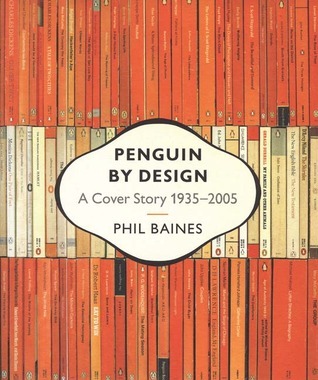
Ever-since the creation of the first Penguin paperbacks in 1935, their jackets have become a constantly evolving part of Britain's culture and design history. Rich with stunning illustrations and filled with details of individual titles, designers and even the changing size and shape of the Penguin logo itself, this book shows how covers became design classics.By looking back at sevent

At the height of the Victorian period, a craze for Gothic style swept England and spread far beyond. Gothic architecture, associated with the social and cultural ideals of the Middle Ages, was seen as a means of remaking the modern world. In this exposition, Chris Brooks unravels the layers of meaning that Gothic held for its many reinventors: from the political uses of Gothic history in the 17th

Letterforms surround us: inscriptions or names on buildings, directional signs for road networks, and signs within and around buildings. This book focuses on the letterforms and typography found in public places that help us to navigate towns, cities, and countrysides and that contribute to a sense of place. Featuring 700 color images of examples from around the world, it discusses the function an


Late in 1939 a chance meeting between Penguin founder, Allen Lane, and natural history publisher, Noel Carrington, changed the future of children's publishing with the formation of a series called "Puffin Picture Books". The first four titles appeared in 1940 and the series quickly established a reputation for presenting children's non-fiction in a unique blend of editing and design. "Puffin Story