
Milan Kundera
Milan Kundera (1 April 1929 – 11 July 2023) was a Czech and French novelist. He went into exile in France in 1975, acquiring citizenship in 1981. His Czechoslovak citizenship was revoked in 1979, but he was granted Czech citizenship in 2019. Kundera wrote in Czech and French. He revises the French translations of all his books; people therefore consider these original works as not translations. He is best known for his novels, including The Joke (1967), The Book of Laughter and Forgetting (1979), and The Unbearable Lightness of Being (1984), all of which exhibit his extreme though often comical skepticism.
30 Books Written

International Bestseller • Winner of the Los Angeles Times Book Prize for Fiction “Far more than a conventional novel. It is a meditation on life, on the erotic, on the nature of men and women and love . . . full of telling details, truths large and small, to which just about every reader will respond.” — People In The Unbearable Lightness of Being , acclaimed author Milan Kundera tells the story of two couples, a young woman in love with a man torn between his love for her and his incorrigible womanizing, and one of his mistresses and her humbly faithful lover. In a world in which lives are shaped by irrevocable choices and by fortuitous events, a world in which everything occurs but once, existence seems to lose its substance, its weight. Hence, we feel "the unbearable lightness of being" not only as the consequence of our pristine actions but also in the public sphere, and the two inevitably intertwine. This magnificent novel, now available in a beautifully designed Harper Perennial Deluxe Edition with French flaps and deckle edged paper, is a story of passion and politics, infidelity and ideas, and encompasses the extremes of comedy and tragedy, illuminating all aspects of human existence.
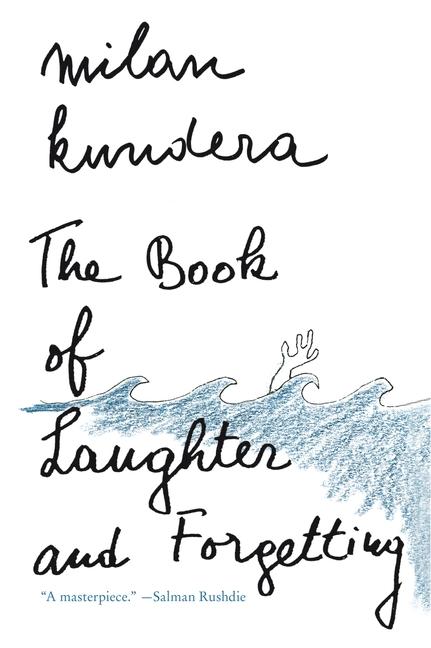
Rich in its stories, characters, and imaginative range, The Book of Laughter and Forgetting is the novel that brought Milan Kundera his first big international success in the late 1970's. Like all his work, it is valuable for far more than just its historical implications. In seven wonderfully integrated parts, different aspects of human existence are magnified and reduced, reordered and emphasized, newly examined, analyzed and experienced.

A budding poet and his adoring mother are the central characters of this early novel.

This breathtaking, reverberating survey of human nature finds Kundera still attempting to work out the meaning of life, without losing his acute sense of humour. It is one of those great unclassifiable masterpieces that appear once every twenty years or so.'It will make you cleverer, maybe even a better lover. Not many novels can do that.' Nicholas Lezard, GQ

All too often, this brilliant novel of thwarted love and revenge miscarried has been read for its political implications. Now though, a quarter century after The Joke was first published, and several years after the collapse of the Soviet-imposed Czechoslovak regime, it becomes easier to put such implications into perspective in favor of valuing the book (and all Kundera 's work) as what it truly is: great, stirring literature, that sheds new light on the eternal themes of human existence.The present edition provides English-language readers an important further means toward revaluation of The Joke. For reasons he describes in his Author's Note, Milan Kundera devoted much time to creating (with the assistance of his American publisher-editor) a completely revised translation that reflects his original as closely as any translation possibly can: reflects it in its fidelity not only to the words and syntax but also to the characteristic dictions and tonalities of the novel's narrators. The result is nothing less than the restoration of a classic.
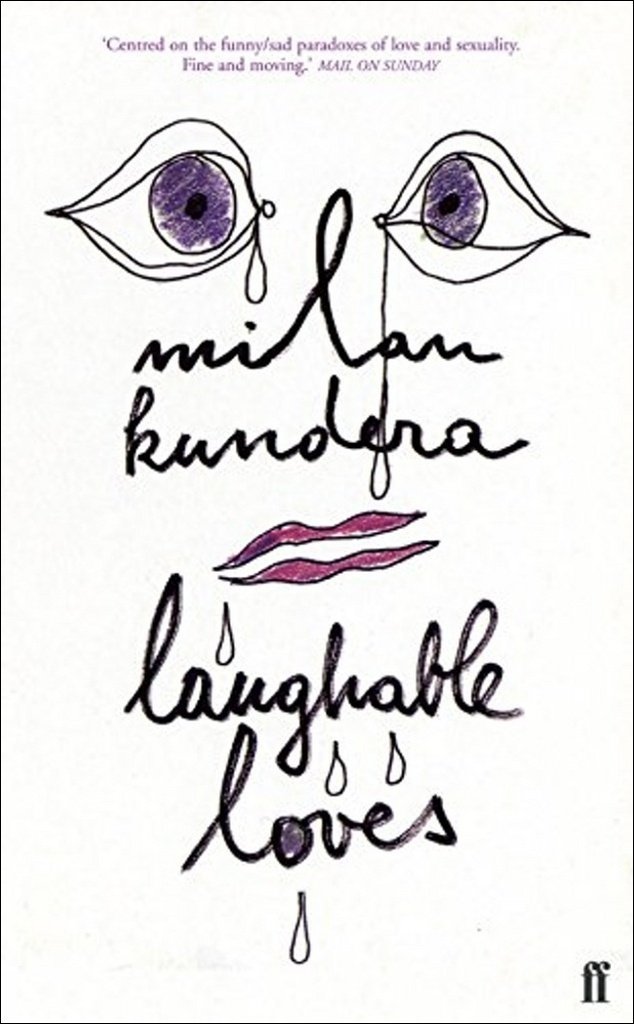
Laughable Loves is a collection of stories that first appeared in print in Prague before 1968, but was then was subsequently banned. The seven stories are all concerned with love, or rather with the complex erotic games and stratagems employed by women and especially men as they try to come to terms with needs and impulses that can start a terrifying train of events. Sexual attraction is shown as a game that often turns sour, an experience that brings with it painful insights and releases uncertainty, panic, vanity and a constant need for reassurance. Thus a young couple on holiday start a game of pretence that threatens to destroy their relationship, two middle-aged men go in search of girls they don't really want, a young man renews contact with an older woman who feels humiliated by her ageing body, an elderly doctor uses his beautiful wife to increase his attraction and minister to his sexual vanity. In Laughable Loves, Milan Kundera shows himself, once again, as a master of fiction's most graceful illusions and surprises.

There are situations in which we fail for a moment to recognize the person we are with, in which the identity of the other is erased while we simultaneously doubt our own. This also happens with couples--indeed, above all with couples, because lovers fear more than anything else "losing sight" of that loved one.With stunning artfulness in expanding and playing variations on the meaningful moment, Milan Kundera has made this situation--and the vague sense of panic it inspires--the very fabric of his novel. Here brevity goes hand in hand with intensity, and a moment of bewilderment marks the start of a labyrinthine journey during which the reader repeatedly crosses the border between the real and the unreal, between what occurs in the world outside, and what the mind creates in its solitude.Of all contemporary writers, only Kundera can transform such a hidden and disconcerting perception into the material for a novel, one of his finest, most painful, and most enlightening. Which, surprisingly, turns out to be a love story.

A man and a woman meet by chance while returning to their homeland, which they had abandoned twenty years earlier when they had chosen to become exiles. Will they manage to pick up the thread of their strange love story, interrupted almost as soon as it began and then lost in the tides of history? The truth is that after such a long absence "their memories no longer match." We always believe that our memories coincide with those of the person we loved, that we experienced the same thing. But this is just an illusion. Then again, what can we expect of our weak memory? It records only "an insignificant, minuscule particle" of the past, "and no one knows why it's this bit and not any other bit." We live our lives sunk in a vast forgetting, a fact we refuse to recognize. Only those who return after twenty years, like Odysseus returning to his native Ithaca, can be dazzled and astounded by observing the goddess of ignorance firsthand.Milan Kundera is the only author today who can take such dizzying concepts as absence, memory, forgetting, and ignorance, and transform them into material for a novel, masterfully orchestrating them into a polyphonic and moving work.Author Biography: The Franco-Czech novelist Milan Kundera was born in Brno and has lived in France, his second homeland, for more than twenty years. He is the author of the novels The Joke, Life Is Elsewhere, The Farewell Party, The Books of Laughter and Forgetting, The Unbearable Lightness of Being, and Immortality, and the short story collection Laughable Loves, all originally written in Czech. Like Slowness, his two earlier nonfiction works, The Art ofthe Novel and Testaments Betrayed, were originally written in French.

Milan Kundera's lightest novel, a divertimento, an opera buffa, Slowness is also the first of this author's fictional works to have been written in French.Disconcerted and enchanted, the reader follows the narrator of Slowness through a midsummer's night in which two tales of seduction, separated by more than two hundred years, interweave and oscillate between the sublime and the comic. Underlying this libertine fantasy is a profound meditation on contemporary life: about the secret bond between slowness and memory, about the connection between our era's desire to forget and the way we have given ourselves over to the demon of speed. And about "dancers" possessed by the passion to be seen, for whom life is just merely a perpetual show emptied of every intimacy and every joy.

Klima, a celebrated jazz trumpeter, receives a phone call announcing that a young nurse with whom he spent a brief night at a fertility spa is pregnant. She has decided he is the father.And so begins a comedy in which, during five madcap days, events unfold with ever-increasing speed. Klima's beautiful, jealous wife; the nurse's equally jealous boyfriend; a fanatical gynecologist; a rich American, at once Don Juan and saint; and an elderly political prisoner who, just before his emigration, is holding a farewell party at the spa, are all drawn into this black comedy, as in A Midsummer Night's Dream.As usual, Milan Kundera poses serious questions with a blasphemous lightness which makes us understand that the modern world has taken away our right to tragedy.

From the internationally acclaimed, bestselling author of The Unbearable Lightness of Being, an unexpected and enchanting novel—the culmination of his life's work.Casting light on the most serious of problems, and at the same time saying not one serious sentence; being fascinated by the reality of the contemporary world, and at the same time completely avoiding realism—that’s The Festival of Insignificance. Readers who know Milan Kundera’s earlier books know that the wish to incorporate an element of the “unserious” in a novel is not at all unexpected of him. In Immortality, Goethe and Hemingway stroll through several chapters together talking and laughing. And in Slowness, Vera, the author’s wife, says to her husband: “you’ve often told me you meant to write a book one day that would have not a single serious word in it…I warn you: watch out. Your enemies are lying in wait.”Now, far from watching out, Kundera is finally and fully realizing his old aesthetic dream in this novel that we could easily view as a summation of his whole work. A strange sort of summation. Strange sort of epilogue. Strange sort of laughter, inspired by our time, which is comical because it has lost all sense of humor. What more can we say? Nothing. Just read.

"Le monde des théories n'est pas le mien. Ces réflexions sont celles d'un praticien. L'oeuvre de chaque romancier contient une vision implicite de l'histoire du roman, une idée de ce qu'est le roman. C'est cette idée du roman, inhérente à mes romans, que j'ai fait parler." Milan Kundera.

"Un rideau magique, tissé de légendes, était suspendu devant le monde. Cervantes envoya don Quichotte en voyage et déchira le rideau. Le monde s'ouvrit devant le chevalier errant dans toute la nudité comique de sa prose...... c'est en déchirant le rideau de la préinterprétation que Cervantes a mis en route cet art nouveau ; son geste destructeur se reflète et se prolonge dans chaque roman digne de ce nom ; c'est le signe d'identité de l'art du roman."

Cu cât un scriitor sau un compozitor e mai mare, cu atât crește și tentația interpretărilor abuzive: posteritatea riscă să-i falsifice opera de dragul scandalului biografic sau pentru a se conforma clișeelor artistice în vigoare. Aceasta e tema pe care Kundera o dezvoltă în variațiuni în Testamente trădate, urmărind în paralel evoluția romanului și a muzicii, iar exemplele sale țin de răscrucea artistică a secolului XX. Criticii pot ignora ce e pur și simplu literatură într-o povestire de Hemingway doar pentru a o citi în cheia vieții scriitorului, dirijorii pot opera tăieturi în compozițiile lui Stravinski fiindcă așa li se pare lor că „sună“ mai bine. Cele mai pregnante exemple invocate de Kundera sunt însă Kafka și Janácek: amândoi îi datorează enorm lui Max Brod, amândoi au fost trădați (în spiritul artei lor) de același Max Brod, cu cele mai bune intenții și cu totală neînțelegere. Testamente trădate, carte pentru care i s-a acordat în 1993 Prix Aujourd’hui, este avertismentul grav și ironic al lui Milan Kundera asupra orbirii care însoțește indiscreția.

Jacques and His Master is a deliciously witty and entertaining play by Milan Kundera, the acclaimed Franco-Czech author of The Unbearable Lightness of Being and The Book of Laughter and Forgetting . A highly original variation on Enlightenment philosopher Denis Diderot's novel Jacques le Fataliste , Jacques and His Master has been successfully staged all over the world. This new translation by Simon Callow has been authorized by Kundera as the definitive edition.

A brilliant new contribution to Kundera's ongoing reflections on art and artists, written with unparalleled insight, authority, and range of reference and allusionMilan Kundera's new collection of essays is a passionate defense of art in an era that, he argues, no longer values art or beauty. With the same dazzling mix of emotion and idea that characterizes his novels, Kundera revisits the artists who remain important to him, and whose works help us better understand the world we live in and what it means to be human. An astute reader of fiction, Kundera brings his extraordinary critical gifts to bear on the paintings of Francis Bacon, the music of Leos Janacek, and the films of Federico Fellini, as well as the novels of Philip Roth, Fyodor Dostoyevsky, and Gabriel García Márquez, among others. He also takes up the challenge of restoring to its rightful place the work of Anatole France and Curzio Malaparte, major writers who have fallen into obscurity.Milan Kundera's signature themes of memory and forgetting, the experience of exile, and the championing of modernist art are here, along with more personal reflections and stories. Encounter is a work of great humanism. Art is what we possess in the face of evil and the darker side of human nature. Elegant, startlingly original, and provocative, Encounter follows in the footsteps of Kundera's earlier essay collections, The Art of the Novel, Testaments Betrayed, and The Curtain.

“We should welcome the context Kundera gives for the struggles between Russia and Europe, and the plight of those caught between them. His defense of small languages, small cultures, and small nations feels pressing.”—Claire Messud, Harper's Magazine “Kundera focuses on the relationship of Europe’s central ‘small nations’ like Czechoslovakia and Ukraine to Western culture and argues that their cultural identities were increasingly threatened.”— New York Book Review A short collection of brilliant early essays that offers a fascinating context for Milan Kundera’s subsequent career and holds a mirror to much recent European history. It is also remarkably prescient with regard to Russia’s current aggression in Ukraine and its threat to the rest of Europe. Milan Kundera’s early nonfiction work feels especially resonant in our own time. In these pieces, Kundera pleads the case of the “small nations” of Europe who, by culture, are Western with deep roots in Europe, despite Russia imposing its own Communist political regimes in Hungary, Czechoslovakia, Poland, Ukraine, and elsewhere. Kundera warns that the real tragedy here is not Russia but Europe, whose own identity and culture are directly challenged and threatened in a way that could lead to their destruction. He is sounding the alarm, which chimes loud and clear in our own twenty-first century. The 1983 essay translated by Edmund White (“The Tragedy of Central Europe”), and the 1967 lecture delivered to the Czech Writers’ Union in the middle of the Prague Spring by the young Milan Kundera (“Literature and the Small Nations”), translated for the first time by Linda Asher, are both written in a voice that is at once personal, vehement, and anguished. Here, Kundera appears already as one of our great European writers and truly our contemporary. Each piece is prefaced by a short presentation by French historian Pierre Nora and Czech-born French political scientist Jacques Rupnik.

Iubirea este pentru Milan Kundera altceva decat blanda visare sau suspin abisal, ceva mult mai palpabil, „epidermic" aproape. Nu maladive fantasme, nu obscure pulsiuni ii imping pe eroii nuvelelor sale unul catre in doi, nu e loc de subtile ocoluri si de inavuabile complexe; totul se reduce la expresia cea mai brutala a esentialului.

Faber Stories, a landmark series of individual volumes, presents masters of the short story form at work in a range of genres and styles. A chance encounter leads a man to spend the afternoon with an older woman, now a widow, who escaped him fifteen years earlier. Neither of them doubts that the day will end in disgust, but for one intimate moment each finds a way to overcome mortality.Written in 1969, before Milan Kundera was known to English-speaking readers, this story renders male and female characters painful equals, and prompted Philip Roth to admire its 'detached Chekhovian tenderness'.Bringing together past, present and future in our ninetieth year, Faber Stories is a celebratory compendium of collectable work.

Die Königs Erläuterung zu Die unerträgliche Leichtigkeit des Seins von Milan Kundera ist eine verlässliche und bewährte Textanalyse und Interpretationshilfe für Schüler und weiterführende Informationsquelle für Lehrer und andere Interessierte: verständlich, übersichtlich und prägnant. Der Band bietet Schülern eine fundierte und umfassende Vorbereitung auf Abitur, Matura, Klausuren und Referate zu diesem Thema:Alle erforderlichen Informationen zur Textanalyse und Interpretation: Angaben zu Leben und Werk des Autors, ausführliche Inhaltsangabe, Aufbau, Personenkonstellation und Charakteristiken, Sachliche und sprachliche Erläuterungen, Stil und Sprache, Interpretationsansätze, Rezeptionsgeschichte und Abituraufgaben mit Lösungstipps.Der inhaltliche Aufbau der Bände ist klar und folgerichtig.Die Texte sind verständlich verfasst.Die Gestaltung ist übersichtlich, was ein schnelles Zurechtfinden ermöglicht.Die Inhalte erheben literaturwissenschaftlichen Anspruch.

Divadelní hra z roku 1968, s úvodním textem Milana Kundery Autor se ptá autora.Ze záložky knihy:„PŘEDSEDA: Goethe. To byl slavný anglický malíř z jednoho velice dávného století, které kdysi dávno bylo. Nechal jsem o něm učit v našich školách naši mládež. Ale řeknu ti, maminko, že tento velký anglický mořeplavec se nijak podstatně neodlišuje od lidí, které denně potkáváme na našich ulicích. Nijak se neodlišuje od tebe ani ode mě. Cítím, matko, jakýsi cit, který se mi rozlévá v prsou, cit jakéhosi velikého všesvětového bratrství, cítím, jak mi všechno splývá dohromady, staletí, hvězdy, lidé, všichni králové a všichni malíři i mo řeplavci, a cítím, že jsou jako já, že jsou to všichni docela obyčejní lidé...“ V Supraphonu vyšla současně zvuková nahrávka představení v Divadle Na zábradlí pořízená v lednu 1970.

آه حدثوني عن التي أفكر بها دائماً (كان هذا البيت يعود كلازمة). أخبروني كيف كانت تشيبها الأعوام (كان من جديد يريد أن يمتلكها بأسرها مع خلودها البشري) وأخبروني كيف كانت في طفولتها (لم يكن يريدها مع مستقبلها فحسب، بل ومع ماضيها أيضاً). واجعلوني أشرب ماء دموعها القديمة (وخاصة كان يريدها بحزنها الذي كان يحرّره من حزنه)... كان جاروميل متحمساً لكتاباته، إذ أنه كان قد وجد مكان خيمة الانسجام الزرقاء الواسعة والمساحة الاصطناعية التي تُزال فيها جميع التناقضات، وحيث تجلس الأم مع ابنها وكنتها على طاولة السلام المشتركة، جود منزلاً آخر للمطلق، لمطلق أكثر قساوة وصدقاً، لأنه إذا لم يكن مطلق النقاء والسلام موجوداً، فهناك مطلق للعاطفة اللامتناهية التي يذوب داخلها، كما هو في محلول كيماوي، كل ما هو متسخ وغريب. كان متحمساً لهذه القصيدة، فيما كان يدري أن أية صحيفة لن تقبل نشرها، إذ أن لا علاقة لهذا الشعر بعهد الاشتراكية السعيد. غير أنه كان يكتب لنفسه ولصاحبة الشعر الأحمر. وعندما قرأ لها هذه الأشعار، تأثرت حتى الدموع، لكن في الوقت نفسه، انتابها الخوف من جديد لأن الموضوع تناول أيضاً بشعتها، وشخصاً كان قد تحسسها، وشيخوخة ستأتي. ولم تكن شكوك الفتاة تقلق جاروميل البتة. على العكس، كان يرغب في رية تلك الشكوك والتلذذ بها. كان يرغب في أن يتوقف عندها ويدحضها مطوّلاً. لكن أسوأ ما في الأمر هو أن الفتاة، التي لم تكن تنوي مناقشة موضوع القصيدة أطول مما ينبغي، أخذت تتكلم عن موضوع آخر".يتعرض كونديرا من خلال أحداث روايته هذه لتاريخ تشيكوسلوفاكيا السياسي بين الثلاثينات والسنات الت تلت ربيع براغ. ويمثل "سقوط لادفيك جاهن" بمعنى ما، خيبة جيل بأكمله كان قد آمن "بانقلاب براغ" عام 1948 وانتظر عشرين عاماً لكي يضحك قليلاً قبل أن يرغم على الصمت من جديد. لذلك يشكل هذا العمل لكونديرا مع أعماله الأخرى أكثر التشهيرات حدّة ضد السياسة "الستالينية" التي تفكك بشراسة أجهزتها وتفضح خداعها الهائل. بالإضافة إلى ذلك، فإنه يمكن أن تأخذ هذه الرواية بعداً آخر إلى جانب صنعتها عملاً جدلياً سياسياً، ويمكن للقارئ استرجاعها وتحليلها بوصفها هجاءً للشعر، السيء فحسب، ويمكن المضي إلى أبعد من ذلك فإن موضوع النقد في هذا العمل لا يتناول الشعر السيء بل يتناول أي شعر، أي شكل من أشكال النظم الشعري الغنائي.

Knížečka pozoruhodných veršů ze života muže a ženy.

عندما يُقدم ميلان كونديرا نفسه الى قرائه كما فعل في كتابه «ثلاثية حول الرواية: فن الرواية، الوصايا المغدورة، الستار» الذي نقله الكاتب والأكاديمي السوري بدر الدين عرودكي الى العربية، ضمن المشروع القومي للترجمة، فالأمر يختلف في منطلقاته ونتائجه.ينطلق كونديرا في كلامه عن الرواية من مقولات فلسفية وتاريخية تبدأ مع هوسرل وديكارت في الفلسفة، ومع سرفانتس ورتيشاردسون، وتولستوي وجويس في الرواية. تقوم هذه المقولات، على أن الفلسفة، المنبثقة من الفلسفة اليونانية التي طوّرها الفلاسفة في ما بعد تنظر الى العالم في مجموعه بصفته مشكلة يجب حلّها عبر تعميق المعرفة التقنية والرياضية بها متناسية العالم المحسوس للحياة: «لقد صار الإنسان الذي ارتقى سابقاً مع ديكارت مرتبة سيّد الطبيعة ومالكها مجرّد شيء بسيط في نظر قوى التقنية والسياسة والتاريخ التي تتجاوزه وترتفع فوقه وتمتلكه. ولم يكن لكيانه المحسوس، لعالم حياته في نظر هذه القوى أي اعتبار».والواقع ان الفلسفة والعلوم، على ما يقول كونديرا قد نسيت كينونة الإنسان، فيما الرواية ابتداء من سرفانتس سعت الى سبر كيان هذا الكائن المنسيّ. وقد اكتشفت الرواية عبر أربعة قرون من تاريخ أوروبا مختلف جوانب الوجود، تساءلت مع معاصري سرفانتس عما هي المغامرة، وبدأت مع ريتشاردسون في فحص «ما يدور في الداخل»، وفي الكشف عن الحياة السرية للشاعر، واكتشفت مع بلزاك تجذّر الإنسان في التاريخ، وسبرت مع فلوبير أرضاً كانت حتى ذلك الحين مجهولة هي أرض الحياة اليومية، وعكفت مع تولستوي على تدخل اللاعقلاني في القرارات وفي السلوك البشري، واستقصيت اللحظة الماضية مع مارسل بروست، واللحظة الحاضرة التي لا يمكن القبض عليها مع جيمس جويس.ان اكتشاف كينونة الإنسان وسرّه المنسيّ والمخفي في آن هو ما يمكن الرواية وحدها دون سواها أن تكشفه، وهو ما يبرّر وجودها. واذا كان فهم الأنا المفكر مع ديكارت بصفته أساس كل شيء، والوقوف في مواجهة الكون وحيداً موقفاً اعتبره هيغل بحق موقفاً بطولياً، فإن فهم العالم مع سرفانتس بصفته شيئاً غامضاً يتطلب قوة لا تقل عظمة عن أنا ديكارت على ما يرى كونديرا.ان البحث عن الأنا الذي زرعه ديكارت في عقول الناس سينتهي دائماً الى الشعور بالعجز، بينما اضاءة حدود الأنا عبر الرواية يعتبر اكتشافاً كبيراً واستثماراً ادراكياً هائلاً. فكافكا على سبيل المثال يتصوّر الأنا بطريقة غير منتظرة على الإطلاق، فهو لا يعرّف كـ «بطل رواية القصر» بمظهره الخارجي ولا بسيرته، ولا بإسمه، ولا بذكرياته، ولا بميوله وعقده، ولا بسيرته أو أفعاله، وانما بأفكاره الداخلية. يكتب كونديرا «كافكا لا يتساءل عما هي الدوافع الداخلية التي تحدد سلوك الإنسان، وانما يطرح سؤالاً مختلفاً جذرياً: ما امكانات الإنسان التي تبقت له في عالم باتت فيه الأسباب الخارجية ساحقة الى حدّ لم تعد معه المحركات الداخلية تزن شيئاً؟».يذهب كونديرا في تقليبه لصفحات الفن الروائي الى اعتبار الشخصية والعالم الذي تتحرك فيه كناية عن امكانات قصوى غير منجزة للعالم الإنساني، و «تجعلنا نرى بذلك ما نحن عليه، وما نحن قادرون عليه». بمعنى ان الرواية لا تفحص الواقع بل الوجود. والوجود ليس ما جرى، بل هو حقل الإمكانات الإنسانية، كل ما يمكن الإنسان أن يصيره، وكل ما هو قادر عليه. ويذهب كونديرا الى أبعد من ذلك طارحاً السؤال الأنطولوجي الذي يتعلّق بهوية الفرد قائلاً: «ما الفرد؟ وأين تتركز هويته؟تبحث الروايات كلها عن جواب عن هذه الأسئلة. والحقيقة بأي شيء تعرّف الأنا نفسها؟ أبما تفعله شخصية ما بأفعالها؟ لكن الفعل يفلت من مؤلّفه، وينقلب عليه تقريباً على الدوام، أما بحياتها الداخلية إذاً، بالأفكار، بالمشاعر الخبيثة؟ ولكن هل يقدر انسان ما على فهم نفسه؟ هل تستطيع أفكاره الخبيئة أن تكون مفتاح هويته؟ أم أن الإنسان يُعرّف برؤيته للعالم، بأفكاره، بأيديولوجيته؟».هذه التساؤلات حول ماهية الفرد لا يجيب عنها مباشرة كونديرا، وانما يستعير الجواب من توماس مان الذي يقول: «نفكر أننا نتصرف، نفكر أننا نفكر، لكن أمراً آخر أو آخرين من يفكر ويتصرف فينا: عادات سحيقة، نماذج أصلية انتقلت وقد صارت أساطير، من جيل الى جيل تملك قوة هائلة من السحر تهدينا اعتباراً من بئر الماضي».ان التفكير في الرواية، وفي الركائز التي تقوم عليها من قبل كونديرا تتوضح أكثر في كتابه المترجم الى العربية من خلال حديثه عن فنه الروائي لأحد الصحافيين ببداية التأكيد أن رواياته ليست روايات سيكولوجية، وانما روايات الفعل، اذ بالفعل يتميز الإنسان عن الآخرين ويصير فرداً، وحين يكف الفعل في الرواية عن ادراك الأنا في الفعل يجب ملاحقته في الفعل اللامرئي في الحياة الداخلية حيث تعترف الشخصيات بأفعالها ومشاعرها، وأفكارها. إذا كنت، على ما يقول كونديرا، أضع نفسي في ما وراء الرواية السيكولوجية، فلا يعني هذا أنني أريد حرمان شخصياتي من الحياة الداخلية، وانما يعني ان ثمّة الغازاً ومسائل أخرى تلاحقها رواياتي في المقام الأول».وهذا ما يعود ويؤكده كونديرا في قصته «ادوار والإله»، حيث يستنتج ان إدوار بطل الرواية بعد أن أمضى ليلة الحب الأولى مع الفتاة أليس أصيب بوعكة صحية فقد كان ينظر الى صديقته ويقول لنفسه: «ان أفكار أليس ليست في الواقع إلا شيئاً ملصوقاً على مصيره، وأن مصيره ليس إلا شيئاً ملصوقاً على جسده، ولم يعد يرى فيها إلا تجميعاً عرضياً لجسد وأفكار وسيرة، تجميعاً غير عضوي، وتعسفي وقابل للتغيير». ويتساءل كونديرا، أين تبدأ الأنا وأين تنتهي؟ يجيب: «ليس ثمة أي دهشة ازاء لا نهائية النفس غير المسبورة أو بالأحرى ثمة دهشة أمام لا يقينية الأنا من هويتها».اذا كانت روايات كونديرا ليست سيكولجية على ما يعترف، فكيف أدرك أشخاص رواياته أناهم السيكولوجية؟ يجيب كونديرا: «إن ادراك الأنا في رواياتي ادراك جوهر اشكاليتها الوجودية، أي ادراك رمزها الوجودي. ففي رواية «خفة الكائن الهشة» يبدو رمز هذه الشخصية أو تلك أنه يتألف من بعض الكلمات الجوهرية. «فبالنسبة الى تريزا مثلاً: الجسد، النفس، الدوار، الضعف، المثل الأعلى، الجنة. وبالنسبة الى توماس، الخفّة، الجاذبية». «ولكل واحدة من هذه الكلمات دلالة مختلفة في الرمز الوجودي للآخر»، وتتكشف بالتدريج في الأفعال، وفي المواقف، وفي الاستجواب التأملي (التأمل الاستجوابي هو القاعدة التي بنيت عليها كل رواياتي، يقول كونديرا).ويوضح كونديرا مفهومه للرواية في شكل آخر في رواية «الحياة هي في مكان آخر» بقوله انها تعتمد على أسئلة عدة! ما الموقف الغنائي؟ ما الشباب بصفته مرحلة غنائية من العمر؟ ما معنى هذا الزواج المثلث! الغنائية، الثورة، الشباب؟ وماذا يعني أن يكون المرء شاعراً؟ «أذكر، على مكتب كونديرا، أنني كتبت هذه الرواية مع فرضية عمل تتمثل في التعريف الذي سجلته في مذكرتي:الشاعر هو شاب تقوده أمه الى أن يعرض نفسه عارياً أمام عالم يعجز عن الدخول فيه». وهذا التعريف كما يظهر ليس سوسيولوجياً ولا جمالياً ولا سيكولوجياً. ذلك أن جعل شخصية ماحية يعني المضي حتى النهاية في اشكاليتها الوجودية، وهذا يعني أيضاً المضيّ حتى النهاية في بعض المواقف، بعض الدوافع، بل بعض الكلمات التي لا يؤخذ بها، ولا شيء أكثر من ذلك.ان سرد أحوال الشخص في الرواية عبر التساؤل عن اشكاليته الوجودية عند كونديرا يصطدم بالفلسفة والتاريخ، من حيث ان الروائي لا يستطيع الابتعاد عنهما، كما لا يستطيع الاستغراق في تفاصيلهما، لذلك نرى كونديرا يوضح أنه اذا كان نصيراً لحضور قوي للتفكير في الرواية، فهذا لا يعني أنه يحبّ الرواية الفلسفية، هذا القصّ لأفكار أخلاقية أو سياسية.ان التفكير الروائي الأصيل تفكير لا نسقي على الدوام، غير منضبط. انه قريب من تفكير الفيلسوف الألماني نيتشه، انه تجريبي، يقتحم الثغرات في كل أنساق الفكر، ويفحص دروب التفكير كلها خلال محاولته الذهاب الى غاية كل منها. كما نرى كونديرا يوضح من جهة ثانية ان التاريخ مع حركاته، وحروبه، وثوراته لا يهمّ الروائي لذاته، بصفته موضوعاً للوصف والتأويل، وانما يهمه النور الكشاف الذي يسلطه التاريخ على الوجود الإنساني وعلى امكاناته غير المتوقعة.حين يستعرض مؤرخو الأدب في المستقبل تاريخ الرواية الأوروبية سيتوقفون من دون شك عند كونديرا الذي أغنى الرواية برؤية للعالم في كل امتداداته النفسية والاجتماعية والسياسية، رؤية جعلت من الرواية تفكر بالجوانب المنسية في الكيان الإنساني وترفعها الى مستوى الواقع والمحسوس، وحين يفكر الفلاسفة في علاقة الفلسفة بالرواية، سيجدون أنه، كما قرّب نيتشه الفلسفة من الرواية، فإن كونديرا قرّب الرواية من الفلسفة. هذا التقريب لا يريد أن يقول ان كونديرا أقل روائيةً من روائيين آخرين، مثلما أن نيتشه ليس فيلسوفاً أقلّ من فلاسفة آخرين. ان الرواية المفكرة لكونديرا تمثل أفضل تمثيل الفن في اقترابه من جوهره.

A couple plays a role-playing game which initially excites them but then later scares one and repulses the other.

Svazek obsahuje dva eseje Milana Kundery: Kdo je to romanopisec (z knihy Le rideau /Opona/, Gallimard 2005) a Nechovejte se tu jako doma, příteli (z knihy Les testaments trahis /Zrazené testamenty/, Gallimard 1993). Společným tématem esejů je zamyšlení romanopisce nad romanopiscem. Jeho vztah k lyričnu („romanopisec se rodí na ruinách svého lyrického světa“); základní nesouhlas s „pre-interpretací života“ (mytologickou, náboženskou či ideologickou). Vášnivá obhajoba autorského práva, s kterou je spojen v postavě Cervantesově sám vznik umění románu. Morálka podstatného odstraňující z životního díla vše nepodstatné („život je krátký, četba je dlouhá a literatura se sebevraždí zešílevší plodivostí“). Hloupost těch, kdo hledají smysl románu v autorově životopisu (polemika Prousta proti Sainte-Beuvovi). A tak dál.

'...Almanlar eninde sonunda yenilecekler, iş böyle yürümez. Savaştan sonra bizi kim yönetecek sanıyorsunuz dostlarım? Gerçekçi olmak gerek bu konuda. İster Ruslar gelsin, ister İngilizler. İktidar filozofların değil, benim gibilerin elinde olacak. Çünkü her zaman bir düzen gerekli. Jiri gibiler, sıraya girmesini bilmeyenler, hiçbir şeyi beğenmeyenler; her şeyin kusurunu bulanlar hiçbir şeyin üstesinden gelemeyecekler yine. Böyleleri toplum için, evet bütün toplum için, aile için, devlet için, rejim için zararlı... Çünkü uygun adım yürümek istemezler. Ama sen, sen eğer benimle birlikte yaşamak istiyorsan bize ayak uydurmalısın. İşte bunun için anahtarlarımı geri vermeni istiyorum.' Anekdotlar: Bir zamanlar caz müzisyenliği yapan yazar Milan Kundera'nın kaderi de diğer meslektaşlarından pek farklı olmamış. 1978 yılında Fransızca yayımlanan 'Gülüşün ve Unutuşun Kitabı' nedeniyle Çekoslovak vatandaşlığından çıkarılan Milan Kundera, roman da olduğu kadar oyun yazarlığında da başarılı. (Editörden)

وضعتْ ـ بعد ذلك ـ كفَّيْها على وركَيْها، وزلقتْهُمَا على امتداد الجذع. رفعتْهُمَا فوق الرّأس،ثُمَّ تسلَّقتْ يدُها اليُمنى على امتداد ذراعها اليُسرى المرفوعة، ويدها اليُسرى على امتداد ذراعها اليُمنى، وأنهتْ حركة الذّراعَيْن..أعادتْ ـ بعد ذلك ـ يدَيْها إلى وركَيْها، وزلقتْهُمَا على امتداد السّاقَيْن،رفعت السّاق اليُمنى، ثُمَّ السّاق اليُسرى وهي مُنحنية، ثُمَّ نظرتْ إلى المُدير، وحرَّكتْ الذّراع اليُمنى مُلقيةً إليه بتنُّورتها الوَهْميَّة. مَدَّ المُدير يده وأحكم قبضته، وأرسل بيده الأُخرى قُبلة. كانت مُتفاخرة بعُريها الوَهْمي، ولم تَعُدْ تنظر إلى أحد، راحت تنظر إلى جسدها المُتموِّج،وعيناها نصف مُغمضتَيْن، ورأسها مائل جانباً… تحطَّمت ـ بعد ذلك ـ وضعيَّة الزُّهُو..

Two newly translated works from one of the greatest literary writers and thinkers of the modern age, available together in English for the first time.Translating a work from its original language can be complicated; it’s a complex art that can easily mar and twist the intent and meaning of a writer’s words. Precise translations were of particular importance to Milan Kundera, who did not live to see all his books published in his native Czech language. Words, for Kundera, were the object of constant scrutiny.This fascinating volume includes two Kundera works from the 1980s, originally written for the now defunct French magazine Le Debat, which have never been available in in English. In “89 Words,” Kundera wryly recounts the many pitfalls in reading his own poorly translated works. When a friend of Kundera’s asked him about the words he considered the most—the ones he fretted over and loved—Kundera created a personal dictionary—his “89 Words.” This discerning essay, steeped in his signature barbed cheekiness, showcases his casually gutting philosophical reflections on what it means to be a writer in translation—the exile of life and art in another language.In the second work, “ A Disappearing Poem,” Kundera writes with a wistfulness and despair for his ever-more-distant home, offering an intimate look at the specificity of his native the richness of a heritage born in a “small nation” but whose significance is universal. Here, like in A Kidnapped West, we find the double condemnation of “Soviet civilization,” which had suffocated and persecuted Czech culture, and of Western Europe, which refused to neither acknowledge Kundera’s culture or understand it.Prefaced by lauded French historian Pierre Nora and translated from the French by award-winning Matt Reeck, these two texts return us to Kundera’s much-missed living presence. Subtle, alive, and full of wit and irony, 89 Words followed by A Poem that Disappears is an homage to a literary legend and a reminder of just how prescient his words and insights are today.
