
Meena Kandasamy
14 Books Written

Set in modern India, the unnamed narrator falls in love with a university professor and agrees to be his wife. Based on the author’s own experience of marriage, soon the newly-wed experiences extreme violence at her husband’s hands and finds herself socially isolated. Intellectual and physical cruelty is explored. Yet hope keeps her alive and she knows that writing can be her salvation. Writing becomes her supreme act of defiance and as the subtitle suggests, the novel is also about the act of writing itself and the way that fiction and stories can help you escape.Though a harrowing story, Kandasamy’s writing is also funny, tender and lyrical. When I Hit You is smart, fierce, and courageous.

Karim and Maya are lovers. They share a home, they worry about money, and then Maya falls pregnant. But Karim is still finishing his film degree, pushing against his tutors' insistence that his art must be Arab like him. And Maya, working a zero-hours job and fretting about her family, can't find the time to quit smoking, let alone have a child.Framed with fragments and peppered with footnotes Exquisite Cadavers is at once a bricolage of influence, and a love story that knows no borders.

Tamil Nadu, 1968. Landlords rule over a feudal system that forces peasants to break their backs in the fields or be punished. As a small spark of defiance begins to spread among communities, the landlords vow to break them; party organizers suffer grisly deaths and the flow of food into the marketplaces dries up. But it only strengthens the villagers' resistance. Finally, the landlords descend on one village to set an example for the others. An exciting new release from this Chennai-based poet, writer and activist.

In 2009, the genocidal war of the Sri Lankan state against Tamils ends. In 2012, Meena Kandasamy, who grew up with poster-size pictures of Tamil Tigers and Tigresses, decides to make a documentary on the violence faced by the female fighters of the Liberation Tigers of Tamil Eelam in the aftermath of the brutal war. She meets the women who had survived the Sri Lankan camps where the orders were to rape them—women who are now refugees in distant lands, pale shadows of their blazing selves. Her documentary never gets made. But Kandasamy exhumes old hard drives to piece together their shattered lives.Kandasamy also translates and presents us the poetry of three Tamil women combatants—poetry as op-ed, poetry as resistance, poetry as a call to arms, poetry as a call to poetry.

Meena Kandasamy’s full-blooded and highly experimental poems challenge the dominant mode in contemporary Indian poetry in English: status-quoist, depoliticised, neatly sterilised. These caustic poems with their black humour, sharp sarcasm, tart repartees, semantic puns and semiotic plays irritate, shock and sting the readers until they are provoked into rethinking the ‘time-honoured’ traditions and entrenched hierarchies at work in contemporary society. The poet stands myths and legends on their head to expose their regressive core. She uses words, images and metaphors as tools of subversion, asserting, in the process, her caste, gender and regional identities while also transcending them through the shared spaces of her socioaesthetic practice. She de-romanticises the world and de-mythifies religious and literary traditions by re-appropriating the hegemonic language in a heretical gesture of Promethean love for the dispossessed. The poet interrogates the tenets of a solipsistic modernism to create a counterpoetic community speech brimming with emancipatory energy.

All disciplinea deception to hide the wildness, all symmetry an excuse for keeping count. Tomorrow Someone Will Arrest You cements Meena Kandasamy as one of the most exciting, radical thinkers at work today. These poems chronicle wanting, art-making, and the practising of resistance and solidarity in the face of a hostile state. Here, the personal is political, and Kandasamy moves between sex, desire, family and wider societal issues of caste, the refugee crisis, and freedom of expression with grace and defiance. This is a bold, unforgettable collection by a poet who compels us to sit up and listen.

'I invite you, dear reader, to enter this beautiful world. I invite you to fall in love.'The Book of Desire is the award-winning writer Meena Kandasamy's luminous translation of the Kamattu-p-pal, a 2000-year-old song of female love and desire.The Kamattu-p-pal is the most intimate section of the Tirukkural – one of the most important texts in Tamil literature. Its verses rejoice in the pleasures of sex, beauty and all aspects of love. Although hundreds of male translations of the text have been published, it has also ever been translated by a woman once before. It is also, historically, the part that has been most heavily censored.The Book of Desire is Meena Kandasamy's own feminist reclamation of this great work. With her trademark wit, lyricism and insight, she weaves a magic ensuring this timeless classic feels fresh and passionate. It fizzes with energy and joy – and tells a vital story about female agency and desire. It is a revolution 2000 years in the making.

In this chapbook of poems, Meena Kandasamy juxtaposes the romantic ideals of love with the horrors of everyday life. Even as her love poetry plays itself out on the embattled terrain of language, the political verse explores rape culture and state violence. Two of the poems in the collection are a response to the threats to the freedom of expression which endanger artistic process and political resistance.

Once again after long years of search I came into contact with the power of honest poetry when I was reading Meena Kandasamy's anthology of verse. She wove a fabric rare and strange, faintly smudged with the Indianness of her thought that saw even the monsoons come leisurely strolling like decorated temple elephants. The unseen lover weaves his way into every poem she cries but she must write about him forgetting the shame and the embarrassment it would cause for somehow it seems better than not writing anything at all. An infidel s emptiness, a void closing over voids... Dying and then resurrecting herself again and again in a country that refuses to forget the unkind myths of caste and perhaps of religion, Meena carries as her twin self, her shadow the dark cynicism of youth that must help her to survive. Happiness is a hollow world for fools to inhabit cries Meena at a moment of revelation. Revelations come to her frequently and prophecies linger at her lips. Older by nearly half a century, I acknowledge the superiority of her poetic vision and wish her access to the magical brew of bliss and tears each true poet is forced to partake of, day after day, month after month, year after year... — Kamala Das

Babasaheb Ambedkar, one of the most important voices to have spoken against caste discrimination, was also the father of the Indian Constitution. Juxtapose this against the various caste-based attacks happening in the country today and a very different picture of India seems to be developing seventy years since freedom.After Rohith Vemula's suicide sparked protests and outrage across the country, questions about discrimination against Dalits and other castes have once again come to the forefront. With its long history of caste-based politics, it remains a sore subject that India still cannot properly address.Meena Kandasamy in 'He Has Left Us Only His Words' and Gopal Guru in 'For Dalit History Is Not Past But Present' write about why even education in India still functions in the shadow of caste-politics, and how India has never really escaped its past. Read on, to find out more.

When you see the signs of an abusive, suspicious husband, do you fight or take flight? What makes a woman hang in there?
![குறத்தியம்மன் [Kurathiyamman]](https://m.media-amazon.com/images/S/compressed.photo.goodreads.com/books/1502899364i/36052266.jpg)
மக்களுக்காக பாடுபட்டவர்கள் யார், விடியும் முன்பு தொடங்கி இருட்டும்வரை வேலை செய்யவேண்டும் என்ற பழையவழக்கத்தை மாற்றி விவசாயத் தொழிலாளர்களின் வேலைநேரத்தை காலை ஆறுமணிமுதல் மாலை ஆறுமணிவரை என குறைக்கப் போராடியவர்கள் யார்? விவசாயத் தொழிலாளர்களுக்கும் விடுமுறைவேண்டும் என முதன்முதலில் போராடி வெற்றிகண்டது கம்யூனிஸ்ட் கட்சிதான். கட்சி என்ன செய்தது? கட்சி என்னதான் செய்திருக்க முடியும்? கட்சி பெருமை நிறைந்த வரலாறு உடையது. ஆனால் செவ்வணக்கம் உலகத் தொழிலாளர்களை ஒரு குறிப்பிட்ட கட்டம் வரைக்கும்தான் ஒன்றிணைக்க முடியும். தீண்டாமைக் கொடுமை பற்றிய பிரச்சினையில் கட்சிக்குள் அணிகள் பிரிந்தன. தங்கள் சாதிக் கட்டுப்பாடுகள் கெட்டுப்போகாத வகையில் வசதியான நிலைப்பாட்டை ஒவ்வொருவரும் எடுத்தனர்.
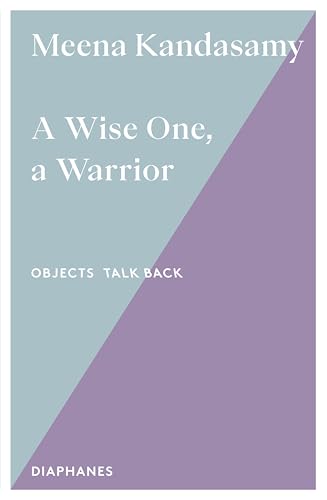
A Wise One, a Warrior (Volume 3)
by Meena Kandasamy
Meena Kandasamy writes about the Mithuna couple, a seventeenth-century ivory sculpture from Tamil Nadu, India, depicting lovers. Kandasamy unfurls a multi-layered, multi-directional narrative built from images, questions, and contradictions evoked by the sculpture. “How can we look at this work and not talk about who produced it?” Kandasamy asks and then examines how caste and class are carved into the object as indelibly as its physical details. Such knowledge complicates easy associations of love that may be evoked by the couple. Refusing any impulse to idealize or exoticize, Kandasamy connects the carving to personal and political stories that expose painful realities of who gets to love whom, and how. She sets the intimate alongside the institutional to interrogate terms such as decolonize, restitution, and preservation. Through an astonishing stylistic mix, including Twitter, academic discourse, poetry, and memoir, she talks back, forward, and sideways with the object.

Fieldwork as a Sex Object
by Meena Kandasamy
THE ANSWER IS TO BECOME SHAMELESS. HOW CAN YOU SHAME A SHAMELESS WOMAN? Amrita has a past. In London, she goes by Amy - the cool girl who's woker than you - but spends most days gallivanting with the other Little India rich kids. Until an AI porno of her 'forwarded many times' by meddling WhatsApp aunties suddenly appears everywhere, all at once, for millions to view. Within a day, she's being publicly stoned in the digital town square by an anonymous operation of Hindu extremist incels.Together with her allies - the suitably poor and dark bestie she's falling for, a fling nicknamed the Child Solider, and the insufferably posh NGO-volunteer India - the unlikely trio take a page out of the Kardashian PR workbook and flip the script. Will it work, or has the bait unknowingly fed herself into the belly of an underground beast that will not rest until she, too, is below ground?How far are you actually willing to go for what you say you believe in? For readers of Fundamentally, Fieldwork as a Sex Object is a funny and prescient novel about having real skin in the game, leaving no stone unthrown back at the incel manosphere and and its hand in the rise of fascism.