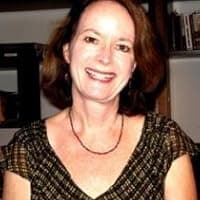
Mary Watkins
Mary Watkins, Ph.D., is a core faculty member, Co-Chair of the Community Psychology, Liberation Psychology, and Ecopsychology specialization of the M.A./Ph.D. Depth Psychology Program, and founding Coordinator of Community and Ecological Fieldwork and Research at Pacifica Graduate Institute. She is the author of Waking Dreams, Invisible Guests: The Development of Imaginal Dialogues, the co-author of Toward Psychologies of Liberation, Talking With Young Children About Adoption, a co-editor of Psychology and the Promotion of Peace, and essays on the confluence of liberation psychology and depth psychology. She works at the interfaces between Euro-American depth psychologies and psychologies of liberation from Latin America, Africa and Asia. She has worked as a clinical psychologist with adults, children, and families, and with small and large groups around issues of peace, envisioning the future, diversity, vocation, immigration and social justice. She is a Peacebuilding Associate of the Karuna Center for Peacebuilding and is a member of the national Steering Committee for Psychologists for Social Responsibility (PsySR).
7 Books Written

"[This] book, with all its examples from different kinds of adoptive parents and from various types of adoptions is so compassionate, reassuring, and jargon-free, it empowers adoptive parents. . . . Recommended reading for all adoptive parents and anyone considering adoption."—Aline Zoldbrod, Option Two "Parents and professionals who wish to get some practical, down-to-earth ideas about communic

Psychologies of liberation are emerging on every continent in response to the collective traumas inflicted by colonialism and globalization. The authors present the theoretical foundation and participatory methodologies that unite these radical interdisciplinary approaches to creating individual and community well-being. They move from a description of the psychological and

A landmark book that maps a radical model not only for the “helping” professions but for the work of solidarity This timely and pathbreaking volume maps a radical model of accompaniment, exploring its profound implications for solidarity. Psychosocial and ecological accompaniment is a mode of responsive assistance that combines psychosocial understanding with political and cultural act

Song for My Mother
by Mary Watkins
1. Moms Blues I 2. Fleeting Moments 3. East West 4. Just Remember the Love 5. Abstract Funk Jazz 6. Moms Blues II 7. Song for My Mother

Hypocrisy, Racism, and Self-Interest on the Path to Reparations: Quaker Complicity with Slavery (1657–1776) and White Supremacy
by Mary Watkins
Many Quakers are grappling with leadings for racial reparations and a deeper commitment to anti-racist awareness and action. Reparations must begin with an adequate grasp of Quakers’ direct involvement in chattel slavery and white supremacy. From 1657 to 1758, Quakers did not act decisively to end the hypocrisy of valuing equality, plainness, and peace, while simultaneously profiting from the slav

In Uncaged, Mary takes readers on an evocative journey from the depths of despair to the heights of hope. Through raw poetry and heartfelt reflections, she chronicles her battles with trauma, rejection, and spiritual challenges, offering a powerful expression of the transformative power of faith. This collection celebrates healing, self-discovery, and the courage to rise anew, brick by bric

White Work and Reparative Genealogy: Reckoning with Ancestral Debt as a Path to Racial Reparations
by Mary Watkins
What does it mean to reckon with a legacy of white supremacy? White Work and Reparative Genealogy invites white-identifying readers on a courageous journey into the heart of ancestral memory, historical accountability, and racial repair.Clinical psychologist Mary Watkins traces her family’s lineage from 1607 Jamestown through generations of slave ownership and racial vio