
Louis-Ferdinand Céline
Louis-Ferdinand Céline, pen name of Dr. Louis-Ferdinand Destouches, is best known for his works Voyage au bout de la nuit (Journey to the End of the Night), and Mort à crédit (Death on the Installment Plan). His highly innovative writing style using Parisian vernacular, vulgarities, and intentionally peppering ellipses throughout the text was used to evoke the cadence of speech. Louis-Ferdinand Destouches was raised in Paris, in a flat over the shopping arcade where his mother had a lace store. His parents were poor (father a clerk, mother a seamstress). After an education that included stints in Germany and England, he performed a variety of dead-end jobs before he enlisted in the French cavalry in 1912, two years before the outbreak of the First World War in 1914. While serving on the Western Front he was wounded in the head and suffered serious injuries—a crippled arm and headaches that plagued him all his life—but also winning a medal of honour. Released from military service, he studied medicine and emigrated to the USA where he worked as a staff doctor at the newly build Ford plant in Detroit before returning to France and establishing a medical practice among the Parisian poor. Their experiences are featured prominently in his fiction. Although he is often cited as one of the most influential and greatest writers of the twentieth century, he is certainly viewed as a controversial figure. After embracing fascism, he published three antisemitic pamphlets, and vacillated between support and denunciation of Hitler. He fled to Germany and Denmark in 1945 where he was imprisoned for a year and declared a national disgrace. He then received amnesty and returned to Paris in 1951. Kurt Vonnegut, Jr., Henry Miller, William Burroughs, and Charles Bukowski have all cited him as an important influence. Translated Profiles: Луи-Фердинанд Селин
30 Books Written
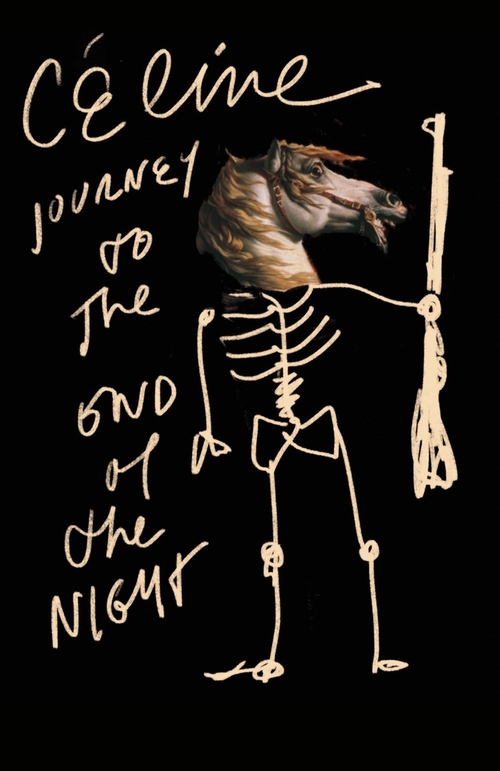
Louis-Ferdinand Celine's revulsion and anger at what he considered the idiocy and hypocrisy of society explodes from nearly every page of this novel. Filled with slang and obscenities and written in raw, colloquial language, Journey to the End of the Night is a literary symphony of violence, cruelty and obscene nihilism. This book shocked most critics when it was first published in France in 1932, but quickly became a success with the reading public in Europe, and later in America where it was first published by New Directions in 1952. The story of the improbable yet convincingly described travels of the petit-bourgeois (and largely autobiographical) antihero, Bardamu, from the trenches of World War I, to the African jungle, to New York and Detroit, and finally to life as a failed doctor in Paris, takes the readers by the scruff and hurtles them toward the novel's inevitable, sad conclusion.

S'il n'y a pas de roman sans style, si son pouvoir est de nous montrer le monde transformé par un imaginaire, et s'il acquiert une force supplémentaaire quand il parvient à saisir l'histoire de son époque, alors l' uvre romanesque de Céline (1894-1961) est une des grandes uvres de son temps, quoi qu'il ait d'autre part à reprocher à son auteur. En elle, le pouvoir du style se trouve multiplié par le choix initial d'une langue populaire qui avant lui était depuis trois siècles au ban de la littérature ; il s'y déploie un imaginaire si personnel qu'il se reconnaît dans le moindre fragment, et l'histoire la traverse si bien de part en part que les deux ensembles formés par ses huit romans ont chacun pour centre une des deux guerres qui en Europe ont marqué ce siècle. (H. G.)

Published in rapid succession in the middle 1930s, Journey to the End of the Night and Death on the Installment Plan shocked European literature and world consciousness. Nominally fiction but more rightly called "creative confessions," they told of the author's childhood in excoriating Paris slums, of service in the mud wastes of World War I and African jungles. Mixing unmitigated despair with Gargantuan comedy, they also created a new style, in which invective and obscenity were laced with phrases of unforgettable poetry. Céline's influence revolutionized the contemporary approach to fiction. Under a cloud for a period, his work is now acknowledged as the forerunner of today's "black comedy."Death on the Installment Plan is the story of young Ferdinand's first 18 years. His life is one of hatred, of the grinding struggle of small shopkeepers to survive, of childhood sensations and fantasies—lusty, scatological, violent, but also poetic. There is a running battle with his ineffectual insurance clerk of a father, with his mother, who lives and whines around the junkshop she runs for the boys benefit; there is also the superbly funny Meanwell College in England, where the boy went briefly, a Dickensian, nightmare institution. Always there is humiliation, failure, and boredom, at least until he teams up with the "scientist" des Pereires. This inventor, con-man, incorrigible optimist—whose last project is to grow enormous potatoes by electricity—rescues him, if only temporarily; for the reader he is one of the most lovable charlatans in French literature.

Parmi les manuscrits de Louis-Ferdinand Céline récemment retrouvés figurait une liasse de deux cent cinquante feuillets révélant un roman dont l’action se situe dans les Flandres durant la Grande Guerre. Avec la transcription de ce manuscrit de premier jet, écrit quelque deux ans après la parution de Voyage au bout de la nuit (1932), une pièce capitale de l’œuvre de l’écrivain est mise au jour. Car Céline, entre récit autobiographique et œuvre d’imagination, y lève le voile sur l’expérience centrale de son existence : le traumatisme physique et moral du front, dans l’« abattoir international en folie ». On y suit la convalescence du brigadier Ferdinand depuis le moment où, gravement blessé, il reprend conscience sur le champ de bataille jusqu’à son départ pour Londres. À l’hôpital de Peurdu-sur-la-lys, objet de toutes les attentions d’une infirmière entreprenante, Ferdinand, s’étant lié d’amitié au souteneur Bébert, trompe la mort et s’affranchit du destin qui lui était jusqu’alors promis. Ce temps brutal de la désillusion et de la prise de conscience, que l’auteur n’avait jamais abordé sous la forme d’un récit littéraire autonome, apparaît ici dans sa lumière la plus crue. Vingt ans après 14, le passé, « toujours saoul d'oubli », prend des « petites mélodies en route qu'on lui demandait pas ». Mais il reste vivant, à jamais inoubliable, et Guerre en témoigne tout autant que la suite de l'œuvre de Céline.

With an undercurrent of sensual excitement, Céline paints an almost unbearably vivid picture of society and the human condition.

In Guignol's Band, first published in France in 1943, Céline explores the horror of a disordered world. The hero, the semi-autobiographical Ferdinand, moves through the nightmare of London's underworld during the years of World War I. In this distressing setting, he meets pimps and prostitutes, pawnbrokers and magicians, policemen and arsonists. He sees social and physiological decomposition as these processes unfold along parallel lines of development. The illusions of existence are nakedly exposed. The narrative erupts in Céline's characteristic elliptical style. His splintered sentences and scatology reflect his fury at the fragmentation of experience and at his own impotence in the face of it. Out of his rage, he forces the meaninglessness back on itself, and the exuberance of his struggle triumphs in the comic exaggeration of satire. Ultimately, his subject is not death but life, and he responds to it by a strengthened commitment to the sensual and concrete. His hallucinatory world is so vividly realized that it does, indeed, challenge the reality of the reader's more conventional world.

Hacia fines de 1943, los panfletos antisemitas que Céline había publicado le vuelven como boomerangs en forma de amenazas de muerte: cartas, pequeños ataúdes, granadas y navajas habían empezado a formar parte de la correspondencia que le llegaba a su departamento en París. Céline huye con su mujer a Copenhague, donde es arrestado y sentenciado a pasar dieciocho meses en prisión en el pabellón de los condenados a muerte. Cumplida la pena, con pelagra, eczemas, reumatismos y varios dientes menos, se recluye en una choza al borde del Mar Báltico, y desde allí escribe y prepara su golpe de retorno al centro de la escena literaria francesa.A comienzos de los años cincuenta, Céline regresa a Francia con el anatema de “desgracia nacional”. Las novelas que lo relanzarían después de siete años de exilio obtienen una pésima recepción crítica y pocas ventas: para la amplia mayoría de la escena cultural francesa, Céline es mala palabra, un personaje execrable sobre el cual debía pesar, como mínimo, la reprobación del silencio. En ese contexto, acechado, escribe las Conversaciones con el profesor Y como estrategia de promoción de sus escritos y defensa de su persona. En diálogo con un personaje imaginario, un típico fantoche celiniano con función de punching ball, Céline explicita cuál fue su contribución decisiva a la literatura francesa: devolver a la escritura la emoción del lenguaje hablado, ventilando el olor a podrido que levanta el cadáver de la lengua. Panfleto cómico y exaltado, megalómano y paranoico, Conversaciones con el profesor Y es el arte poética de Céline, a la vez que un extraordinario contraataque dirigido a un campo literario que lo consideraba acabado, perdido en las brumas de la irrealidad.

Louis-Ferdinand Céline (1894-1961) is best known for his early novels Journey to the End of the Night (1932)--which Charles Bukowski described as the greatest novel of the past 2,000 years--and Death on the Installment Plan (1936), but this delirious, fanatical "biography" predates them both. The astounding yet true story of the life of Ignacz Semmelweis provided Céline with a narrative whose appalling events and bizarre twists would have lain beyond credibility in a work of pure fiction. Semmelweis, now regarded as the father of antisepsis, was the first to diagnose correctly the cause of the staggering mortality rates in the lying-in hospital at Vienna. However, his colleagues rejected both his reasoning and his methods, thereby causing thousands of unnecessary deaths in maternity wards across Europe. This episode, one of the most infamous in the history of medicine, and its disastrous effects on Semmelweis himself, are the subject of Céline's semi-fictional evocation, one in which his violent descriptive genius is already apparent. The overriding theme of his later writing--a caustic despair verging on disgust for humanity--finds its first expression here, and yet he also reveals a more compassionate aspect to his character. Semmelweis was not published until 1936, after the novels that made Céline famous. "It is not every day we get a thesis such as Céline wrote on Semmelweis!" wrote Henry Miller of this volume.

Accompanied by his wife, their cat, and an actor friend, our autobiographical narrator Ferdinand leaves Paris for Baden-Baden (a World War II hideaway for wealthy Germans), is then sent to a bombed-out Berlin, and finally leaves for Denmark in search of the gold he had stashed there prior to the war. With the Third Reich in ruins, and the Allied armies on Ferdinand's heels, North combines documentary realism with hallucinatory images, capturing the chaos of war and its toll on both victim and victimizer.

Often comic and always angry, the first-person autobiographical narrator, with his wife and their cat in tow, takes the reader with him on his flight from Paris to Denmark after finding himself on the losing side of World War II. The train rides that encompass the novel are filled with madness and mercy, as a physician, aids refugees while ignoring his own medical needs.Céline's inventive style and black humor profoundly influenced many writers who came after him, including Kurt Vonnegut, Jack Kerouac, William Burroughs, Allen Ginsberg and Charles Bukowski. As Kurt Vonnegut states in his introduction to this edition, "Céline demonstrated that perhaps half of all experience, the animal half, had been concealed by good manners. No honest writer or speaker will ever want to be polite again."

معرکه اثری است مستند دربارهٔ جنگ. روژه نیمیه – نویسندهٔ فرانسوی – میگوید: «این کتاب ارزش و اهمیت بسیاری دارد، چرا که به نظر اتوبیوگرافیک است… سلین، زبان بریده بریده و بیمنطق یک افسر جزء بسیار عصبانی را که از سر خشم و مستی دست به کارهای خندهدار میزند، به طور شگفتانگیزی بازپروری کرده است. هرگز در هنر فحش و ناسزا غرق نشده، همچنان که در اغراق هم زیادهروی نکرده است، چرا که همه میدانیم در باب اصطبل و فحشهای مربوط به این فضا، اغراق حرف اول را میزند… سربازخانهٔ قشون هفدهم توصیف نشده است، بلکه حاضر است، نمایان است، کمکم از دل شب بیرون میآید، سربازهای اهل بریتانی، از لابهلای گفتگوی آدمها سر درمیآورند، با سبیلهای پر پشت، و شمشیرهایی که سنگ فرشها کشیده میشود و صدا میدهد: سربازهای برتانی کوتاهاند و شمشیرها بلند…»

Fable for Another Time is one of the most significant and far-reaching literary texts of postwar France. Composed in the tumultuous aftermath of World War II, largely in the Danish prison cell where the author was awaiting extradition to France on charges of high treason, the book offers a unique perspective on the war, the postwar political purges in France, and Louis-Ferdinand Céline’s own dissident politics. The tale of a man imprisoned and reviled by his own countrymen, the Fable follows its character’s decline from virulent hatred to near madness as a result of his violent frustration with the hypocrisy and banality of his fellow human beings. In part because of the story’s clear link to his own case—and because of the legal and political difficulties this presented—Céline was compelled to push his famously elliptical, brilliantly vitriolic language to new and extraordinary extremes in Fable for Another Time. The resulting linguistic and stylistic innovation make this work stand out as one of the most original and revealing literary undertakings of its time. Louis-Ferdinand Céline (1894–1961) was a French writer and physician best known for the novels Journey to the End of the Night (1932) and Death on the Installment Plan (1936). Céline was accused of collaboration during World War II and fled France in 1944 to live first in Germany, then in Denmark, where he was imprisoned for over a year; an amnesty in 1951 allowed him to return to France. Céline remains anathema to a large segment of French society for his antisemitic writings; at the same time his novels are enormously admired by each new generation.

One of the last major untranslated works by France's most controversial author, London Bridge is a riotous novel about the London underworld during World War I. Picking up where Guignol's Band (1944; English translation 1954) left off, Céline's autobiographical narrator recounts his disastrous partnership with a mystical Frenchman (intent on financing a trip to Tibet by winning a gas-mask competition); his uneasy relationship with London's pimps and whores and their common nemesis, Inspector Matthew of Scotland Yard; and, most scandalously, his affair with a baronet's 14-year-old daughter, an English angel whose descent into vice is suspiciously smooth. He dreams of escaping with her to America to start a new life, but he, his mystical partner, and his under-aged mistress finally awake to reality crossing windswept London Bridge.Written in his trademark style—a headlong rush of slang, brusque observation, and quirky lyricism, delivered in machine-gun bursts of prose and ellipses—Céline re-creates the darkest days during the Great War with sordid verisimilitude and desperate hilarity, expertly captured in Dominic Di Bernardi's racy translation.

Ferdinand, le héros de Guerre, a quitté la France pour rejoindre Londres, « où viennent fatalement un jour donné se dissimuler toutes les haines et tous les accents drôles ». Il y retrouve son amie prostituée Angèle, désormais en ménage avec le major anglais Purcell. Ferdinand prend domicile dans une mansarde de Leicester Pension, où le dénommé Cantaloup, un maquereau de Montpellier, organise un intense trafic sexuel de filles, avec quelques autres personnages hauts en couleur, dont un policier, Bijou, et un ancien poseur de bombes, Borokrom. Proxénétisme, alcoolisme, trafic de poudre, violences et irrégularités en tout genre rendent chaque jour plus suspecte cette troupe de sursitaires déjantés, hantés par l’idée d’être envoyés ou renvoyés au front.S’il entretient des liens avec Guignol’s band, l’autre roman anglais plus tardif de Céline, Londres, établi depuis le manuscrit récemment retrouvé, s’impose avec puissance comme le grand récit d’une double vocation : celle de la médecine et de l’écriture… Ou comment se tenir au plus près de la vérité des hommes, plongé dans cette farce outrancière et mensongère qu’est la vie.

Bagatelles pour un massacre est le deuxième pamphlet de Louis-Ferdinand Céline qu'il rédige durant le deuxième semestre de l'année 1937.Robert Denoël publie Bagatelles pour un massacre en décembre 1937 (il sera vendu à 75 000 exemplaires), mais en mai 1939, le décret Marchandeau oblige l'éditeur à retirer de la vente les deux pamphlets L'École des cadavres et Bagatelles pour un massacre. Robert Denoël le rééditera à deux reprises pendant l'occupation nazie, en 1942 puis en octobre 1943, dans une édition augmentée de vingt photographies hors-texte, dont certaines semblent avoir été fournies par la Propaganda Staffel2. L'ouvrage est un best-seller pour l'éditeur, et Bagatelles pour un massacre est, avec Les Décombres de Lucien Rebatet, l'un des titres qui se vendent le mieux sous l'occupation.Les pamphlets antisémites de Céline, L'École des cadavres de 1938, Les Beaux Draps de 1941 et Bagatelles pour un massacre, sont aujourd'hui introuvables en France, excepté en bibliothèque ou chez des bouquinistes. Lucette Destouches, veuve de l'écrivain, s'oppose à toute réédition, tenant à respecter la volonté de Céline qui ne voulait pas que ces textes fussent republiés après 1945.

Di ritorno dall’Unione Sovietica nel 1936, Céline pubblica il primo dei suoi scottanti e sbalorditivi pamphlet politici: Mea culpa. Il testo, che qui viene proposto nella traduzione e con una introduzione di Giovanni Raboni, non è solo l’appassionato e disperato atto d’accusa contro gli spaventosi limiti della natura umana ma anche una preziosa testimonianza che permette di cogliere le illuminazioni di una spregiudicata profezia. In appendice al volume sono raccolti due testi che documentano da un lato la storia della ricezione di Mea culpa in Russia e rivelano dall’altro il rapporto di Céline con autorevoli esponenti francesi della «letteratura impegnata». Un’opera importante per capire uno dei più grandi e discussi autori del nostro Novecento.

"Celine's mastery in creating one of the truly cathartic experiences of contemporary literature is indisputable." Saturday Review

On est parti dans la vie avec les conceils des parents. Ils n'ont pas tenu devant l'existence. On est tombé dans les salades qu'étaient plus affreuses l'une que l'autre. On est sorti comme on a pu de ces conflagrations funestes, plutôt de traviole, tout crabe baveux, à reculons, pattes en moins. On s'est bien marré quelques fois, faut être juste, même avec la merde, mais toujours en proie d'inquiétudes que les vacheries recommenceraient...Et toujours elles ont recommencé...Rappelons-nous!

Previously announced on Sun & Moon Press, this is the important volume of dances written by Louis-Ferdinand Céline.

The Church , one of Céline's few dramatic works, was written in 1933, just one year after his great masterpiece Voyage au bout de la nuit (Journey to the End of Night) . The play is a highly satirical work that mocks almost all races and religions, typical, in part, of Céline's diatribes. Yet here also is a work of great wit, sharing Céline's great comedic-tragic vision of humankind. One of the most noted writers of the 20th century, Céline is also the author of Death on the Installment Plan, North, Rigadoon, Castle to Castle and Ballets without Music, without Dancers, without Anything , the last recently published by Green Integer.Also available by Louis-Ferdinand CélineBallets without Music, without Dancers, without AnythingPB $10.95, 1-892295-06-7 o CUSA

A sei donne incontrate fra il 1932 e il 1935, quasi tutte sue amanti occasionali, sono indirizzate queste lettere di Céline, dove sempre risuona la petite musique del suo stile. Sei donne che Céline continua a seguire e proteggere: e, se si guarda bene dal parlare d’amore, non lesina consigli su come usare gli uomini nel modo migliore, cioè «per il piacere e per i soldi». Ma soprattutto, lettera dopo lettera, con una generosità che rende lacerante la violenza autodenigratoria («Già vecchio, depravato, non ricco, malmesso insomma. Tutt’altro che un buon partito. Battona e malfido»), non cessa di illuminare per barbagli, a loro beneficio, il mondo. In fondo, scrive a Évelyne Pollet, «Crepare dopo essersi liberato, è almeno questa l'impresa d'un Uomo! Aver sputato ogni finzione...».

"Da un castello all'altro" è la rielaborazione letteraria di un lungo e movimentato soggiorno che Céline fece in Germania fra il 1944 e il 1945. Resoconto, romanzo autobiografico, cronaca della caduta del nazismo. Soprattutto delirio della memoria, odio furente che nulla salva, né vinti né vincitori. Una lacerante "cognizione del dolore" percorsa da momenti di grandiosa, terribile comicità, degno inizio della "trilogia tedesca" di cui Nord è la parte centrale. Innescato sul tema ossessivo dell'esilio e della fuga, paranoico e grandiosamente comico, Nord segna il passaggio a un registro di avventure individuali dove incombe la paura della guerra, delle bombe, della morte, doppiata dal terrore di essere insidiati da una trappola invisibile in un intreccio illuminato da scene sinistre e ilari crudeltà. La trilogia si completa con Rigodon, dove Céline procede per condensazione e riunisce tutti i viaggi compiuti durante il soggiorno in terra tedesca dal giugno del '44 al marzo '45. La versione di Giuseppe Guglielmi ha saputo reinventare lo stile "basso" e ribollente di Céline, la sua terribile petite musique ai limiti del silenzio, del rumore interminato che cova nella parola.
![Romans, tome III: Casse-pipe / Guignol's band I / Guignol's band II [Le pont de Londres]](https://m.media-amazon.com/images/S/compressed.photo.goodreads.com/books/1334330813i/2896831.jpg)
Romans, tome III: Casse-pipe / Guignol's band I / Guignol's band II [Le pont de Londres]
by Louis-Ferdinand Céline
Rating: 3.5 ⭐
S'il n'y a pas de roman sans style, si son pouvoir est de nous montrer le monde transformé par un imaginaire, et s'il acquiert une force supplémentaaire quand il parvient à saisir l'histoire de son époque, alors l' uvre romanesque de Céline (1894-1961) est une des grandes uvres de son temps, quoi qu'il ait d'autre part à reprocher à son auteur. En elle, le pouvoir du style se trouve multiplié par le choix initial d'une langue populaire qui avant lui était depuis trois siècles au ban de la littérature ; il s'y déploie un imaginaire si personnel qu'il se reconnaît dans le moindre fragment, et l'histoire la traverse si bien de part en part que les deux ensembles formés par ses huit romans ont chacun pour centre une des deux guerres qui en Europe ont marqué ce siècle. (H. G.)
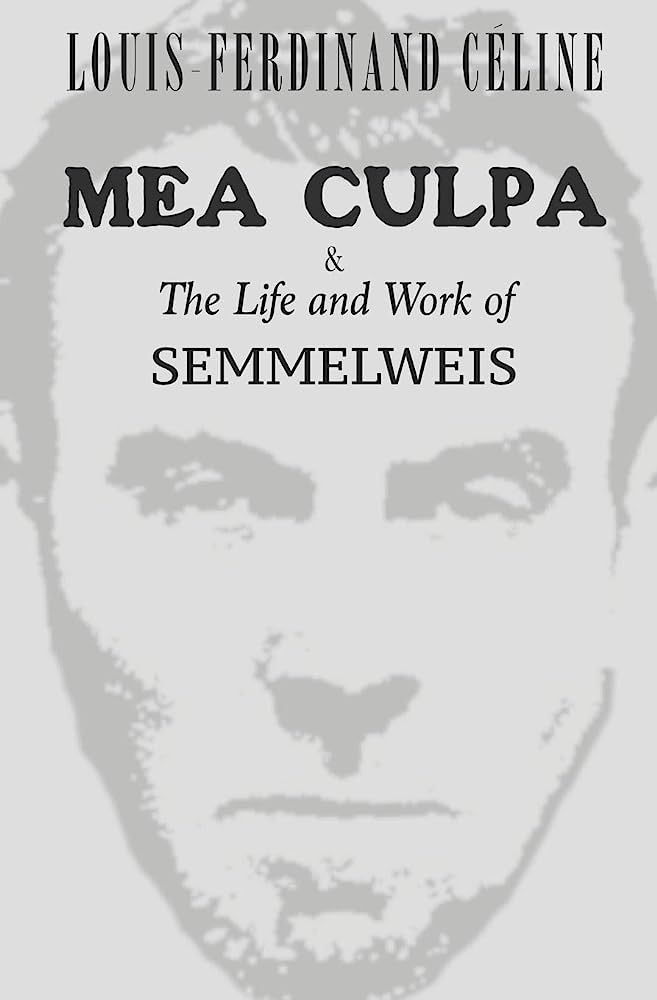
Rare book, first english translation edition


Les manuscrits mis au jour en 2021 ont confirmé l'importance aux yeux de Céline de sa "légende gaélique... mi-rime mi-prose", récit de la guerre menée par le Roi Krogold contre le prince félon Gwendor, du meurtre du procureur Morvan par le trouvère Thibaut et de la passion de Joad pour la belle Wanda - et dont les épisodes principaux se déroulent entre Bretagne et Scandinavie, dans un décor de "Moyen Âge d'opéra". L'écrivain, faute d'avoir pu la publier, en inséra le récit fragmenté et parfois halluciné dans Mort à crédit (1936), ainsi que dans Guerre et dans Londres. Mais il continua ensuite d'y travailler, sans toutefois parvenir à y mettre un point final. Céline restera dépité du peu de considération dans laquelle on tenait sa manière "épique et bardique", laquelle avait donné lieu à cette mythologie portative, "lyrique et ironique", qui ne renfermait pas moins de sens à ses yeux que ses écrits d'inspiration romanesque. Car ces histoires hautes en couleur sont écrites pour frapper les esprits et toucher les coeurs ; elles accompagnent la méditation de l'écrivain sur l'existence et la mort, le corps et l'âme, ainsi que sur les pouvoirs ambigus du poète à l'égard de la finitude humaine. La présente édition réunit les deux seules versions connues à ce jour de la légende, inédites et inégalement inachevées : l'une datant de la première moitié des années 1930, La Légende du Roi René ; l'autre, La Volonté du Roi Krogold, écrite en 1939 et 1940.

On ne présente plus le fameux texte de Céline A l'agité du bocal sur " Jean-Baptiste Sartre ", réponse acerbe à l'article sartrien " Portrait d'un antisémite " paru dans Les Temps Modernes en 1945.Les textes qui suivent proviennent de différentes périodes : " Les carnets du cuirassé Destouches ", rédigés en 1914, révèlent un Céline mélancolique mais déjà sûr de lui : " En un mot, je suis orgueilleux, est-ce un défaut, je ne le crois et il me créera des déboires ou peut-être la Réussite " ; " 31, Cité d'Antin ", préface inédite rédigée en 1930 pour introduire les esquisses des peintures décoratives d'un hôtel par Henri Mahé ; " Bezons à travers les âges ", préface du livre historique d'Albert Sérouille sur la ville de Bezons paru en 1944, et qui fut versé dans son dossier " collaboration " ; " L'argot est né de la haine, il n'existe plus ", texte court publié en 1957 sur la véritable origine de l'argot : la misère ; " Des pays où personne ne va jamais ", interview de 1960 où Céline parle de sa jeunesse, de sa vie, de son désir de se retirer dans une région où " personne ne va jamais ".

78p paperback, white cover with line drawing to cover, many illustrations by Emilio Tadini in the text, pages unmarked, binding tight, editor inscription to half title, very good indeed, as new, this copy published in the year 1984 in the series entitled I Libri con le Figure.

Céline, durante esos años posteriores a la Segunda Guerra Mundial, había sido arrestrado en Dinamarca, acusado de colaborar con el régimen de Vichy. En estas, sus cartas hoy recuperadas, que escribió durante esos dieciocho meses de prisión, se revelan los tiempos más sombríos de su existencia, también su infinito talento, su lirismo y su sarcasmo.

Keuze uit het werk van de literair-geaccepteerde, maar politiek omstreden Franse auteur (1894-1961) waaruit zijn grillige, sociaal-politieke denkbeelden spreken.Uitg. gebaseerd op: Céline-cahiers.