
Lloyd Bradley
16 Books Written

'Jamaican music at last has the book it deserves' Prince Buster, from his Foreword'The first comprehensive history of every aspect of reggae (and) it could be the last that talked to those who were there at stage one...Bradley leaves no stone unturned in a coruscating rollercoaster ride through murder, major label gripes, ganja paranoia and racism, ending with Luciano hoping for a return to good songs and good singers. And if UB 40 get a mention, I missed it. Isn`t that recommendation enough for you?' Mojo'Switches between informed analysis and intoxicating aural history...With epic contributions from major players such as PrinceBuster, Horace Andy, Bunny Lee and Dennis Bovell' GQ'Fascinating...written with passion, style and gusto. This is a book many musicians would benefit from reading' Jah Wobble, Independent on Sunday'A compelling social and musical history running from Fifties soundsystem roots to contemporary dancehall...filled to the brim with anecdotes to keep the most hardened music-head happy' Face'A classic...Hilarious in places, peppered with social and historical comment in others, this is a fascinating account detailing how reggae evolved in Jamaica and became a global phenomenon' New Nation

Jamaica is a small country in the Caribbean, 146 miles wide and populated by fewer than three million people. Nevertheless, it has exerted a more powerful hold on international popular music than any nation besides England and America. From Prince Buster to Burning Spear, Lee "Scratch" Perry to Yellowman, Bob Marley to Shabba Ranks, reggae music is one of the most dynamic and powerful musical forms of the twentieth century. And, as Lloyd Bradley shows in his deft, definitive, and always entertaining book, it is and always has been the people's music. Born in the sound systems of the Kingston slums, reggae was the first music poor Jamaicans could call their own, and as it spread throughout the world, it always remained fluid, challenging, and distinctly Jamaican. Based on six years of research -- original interviews with most of reggae's key producers, musicians, and international players -- and a lifelong enthusiasm for one of the most remarkable of the world's musics, This Is Reggae Music is the definitive history of reggae.

For as long as people have been migrating to London, so has their music. An essential link to home, music also has the power to shape communities in surprising ways.Black music has been part of London's landscape since the First World War, when the Southern Syncopated Orchestra brought jazz to the capital. Following the wave of Commonwealth immigration, its sounds and styles took up residence to become the foundation of the city's youth culture. Sounds Like London tells the story of the music and the larger-than-life characters making it, journeying from Soho jazz clubs to Brixton blues parties to King's Cross warehouse raves to the streets of Notting Hill - and onto sound systems everywhere. As well as a journey through the musical history of London, Sounds Like London is about the shaping of a city, and in turn the whole nation, though music.Contributors include Eddy Grant, Osibisa, Russell Henderson, Dizzie Rascal and Trevor Nelson, with an introduction by Soul2Soul's Jazzie B.
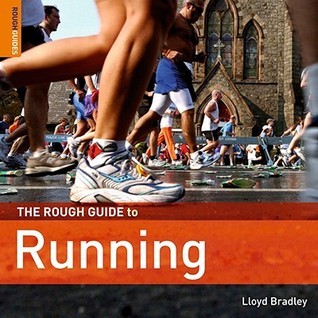
The Rough Guide to Running will propel you ahead of the pack with a power brew of reliable guidance and inspirational tips. The guide includes the basics from good running technique, goal setting and motivation to schedules, preparation and how to deal with injuries and strains. You’ll find the low-down from our team of professional runners, coaches, health experts, including a nutritionist and an osteopath as well as the best advise on running shoes, clothes, accessories and gadgets, and where to buy them. They’re all covered, from fun runs and charity runs to clubs, competitive racing, marathons and best running events around the world. Whether you have already notched up many miles or are a beginner taking your first steps in this addictive pastime, you need this book. Stay ahead of the pack with The Rough Guide to Running!

The Rough Guide to Men’s Health takes a quirky and informative look at the health and well-being of men – and no, it’s not just a “turn your head and cough” book of disease and diagnosis, but rather a complete guide on how to look and feel great. Avoiding both flabby waffle and well-being puritanism, it features down-to-earth health advice whether you are in the kitchen, the bedroom, the gym, out on the town or simply looking in the mirror. Find out how to improve performance with life coach strategies; how to identify the causes of health problems with key features on the back and gut; the best investments to consider in the fight for fitness; and those myths about health that can be safely ignored. Written by men’s health and fitness expert Lloyd Bradley, who along with his panel of experts provides the ultimate men’s health lowdown on how to make the most of your life with the body you have. And because we know how important it is these days, there is a huge section on looks and how to improve them! The Rough Guide to Men’s Health provides you with everything you need to know to ensure your lifestyle isn’t at war with your health.

The Story of Jamaican Music traces the story of how Caribbean island conquered the world through its music. With interviews and commentary from reggae legends as well as people on the ground, Lloyd Bradley takes up the story from the late 1950s and the development of ska, then follows the music€™s journey overseas in the 1960s. But it was in the 1970s that reggae exploded into an international phenomenon with the super-stardom of Bob Marley and artists like Burning Spear, Jimmy Cliff, and Third World. Since then, reggae has continued to reinvent itself as a powerful musical and cultural force.

In excellent condition

Illustrated throughout with classic and often rare photographs, this biography showcases both the laudable and the lamentable aspects of the wannabe-Scotsman''s career - the music, the clothes, the football and, of course, the women.'


Where'd You Get That Funk From?: George Clinton, Black Power, And The Story Of P Funk
by Lloyd Bradley
Rating: 4.0 ⭐
Where'd You Get That Funk From? goes beyond the wigs and the boots and through a series of in-depth interviews and sharp cultural analyses that put George Clinton in his proper context. That is, as a radical part of black America's turbulent 1960s; as being as musically representative of Detroit as Motown; as leading the first soul group to employ circus hands among their roadies; as being able to pull together music as diverse as that of Bach, the Beatles, James Brown, Frank Zappa, the Moonglows, and the Supremes to create P-Funk, which became a cornerstone of West Coast hip-hop. Clinton's principal groups, Parliament and Funkadelic, were two of the most dynamic and sccessful American bands of the 70s, but their wild shows and badass party sounds represented just one facet of their remarkable leader's talent, Seminal songs such as Atomic Dog. Flashlight, Up for the Down Stroke. Give Up the Funk. and Bop Gun became the basis of countless hip-hop hits throughout the next two decades.


Dat je over ieder onderwerp wel een boekje kunt maken, bewijst deze uitgave over alle aspecten van leugens. Dat verlet niet dat het de lezer een aangename tijdspassering biedt en hem inzicht verschaft in alle variaties die er in leugens en bedrog bestaan. Daarbij moet het begrip leugen wel heel ruim opgevat worden: niet alleen regelrechte leugens komen in aanmerking, maar ook pseudoniemen, onwaarheden in reclameboodschappen en veelgebruikte smoesjes in de relatiesfeer. Ook komen zwendelaars en meestervervalsers, denk onder anderen aan Han van Meegeren, aan de orde. Omdat ieder item op een plezierige manier toegelicht wordt in een daaronder gedrukte tekst, wordt saaie opsomming vermeden. Het boekje is verlucht met allerlei tekeningen, waarvan diverse ofwel qua perspectief niet kloppen of meervoudig te interpreteren zijn. Aardig voor diegenen die gespreksstof zoeken om een vrolijke noot te kunnen brengen tijdens verplichte familiebijeenkomsten en/of diergelijke menselijke samenscholingen. Zeer kleine druk.
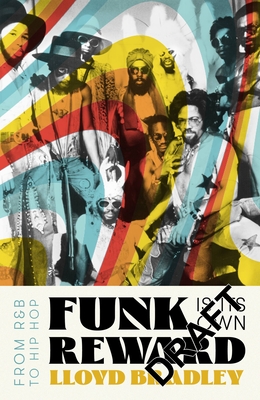
Funk Is Its Own Reward: From R&B to Hip Hop
by Lloyd Bradley
The 1960s marked the dawning of a new era - and nowhere was this more manifest than in black America. Social shifts and artistic attitudes fueled by flower power, as well as opportunities afforded by the economic boom, saw black Americans make astonishing gains, paving the way for a reimagining of modern culture.By the 1970s, new wealth, higher aspirations and a visible black middle class had begun to reshape the arts, most noticeably the music scene. The seeds of a new music were sown, and Funk flourished in the fertile cultural climate. A vocal celebration and embracing of blackness, it became the soundtrack that drove and illuminated the social and artistic revolution.As its audience moved on up Funk relocated mainstream black music from the ghetto to suburbia. But its roots were never forgotten. Nobody ever doubted that this was a self-sustaining and self-defining black music - an awareness that enabled Funk to keep on developing its own rhythms. Soul's passion, jazz's adventure and the discipline of R&B came together with a confidence, financial basis and sense of purpose to produce some of the best and biggest black music, from James Brown to Curtis Mayfield.An intimate portrait of a defining sound, Funk Is Its Own Reward draws on contributions from a cast of musicians and producers, writers and directors, designers and executives, including George Clinton, Bootsy and Stevie Wonder, to weave together a rich social and cultural history. Astute and thoughtful, Lloyd Bradley examines Funk's significant contribution to and influence on modern culture - and the America that helped it thrive.

Rock Year Book Vol 9
by Lloyd Bradley
![[The Rough Guide to Men's Health] (By: Lloyd Bradley) [published: January, 2013]](https://m.media-amazon.com/images/S/compressed.photo.goodreads.com/books/1697480675i/167002937.jpg)
Excellent Book

Funk is its Own Reward
by Lloyd Bradley
From 1968 to 1978; from 'Say It Loud - I'm Black and I'm Proud' to Off The Wall; from the Third Harlem Cultural Festival to the P-Funk Earth Funk Is Its Own Reward plots the journey of an African American cultural movement that was always about far more than simply music.With roots in the poetry, art, theatre, intellectualism and jazz of the celebrated 1960s Black Arts Movement, and made possible by the shifts in thinking brought about by the Black Panthers, the rise of HBSUs and black political involvement, funk was the Second Great Black Renaissance. Funk Is Its Own Reward makes the connections between the literature, films, television, black arts collectives, theatre groups and media and analyses how they fed into a cultural wave that made a music confident enough to embrace the likes of Barry White, Bill Withers, 24 Carat Black, Bootsy, Mandrill, the O'Jays, the Fatback Band, Miles Davis, and the Brides of Funkenstein not just possible but inevitable. It looks at how, once African American popular music reconnected with and fully expressed the culture that created it, it had to freedom to express itself in any way it saw fit and still be funky. The music gave itself to the scope to be acoustic, to be vocal harmony, to be brassy, to make social comment, to be orchestral, to be headed for the bedroom, to be all about the rhythm, to be electronic . . . and still be funky. It was never about where a piece of music hoped to end up, but where, to coin a phrase, it be coming from.By putting the music firmly in the context of the movement, Funk Is Its Own Reward drags a vibrant art from out from under the notion it only existed to help white people dance, and shines a light on the skill, experimentation, sense of community, humour, formal training, black pride, self-celebration and intellectual and musical freedoms that went into it.In doing so, it uncovers the importance of black radio, how the wah-wah pedal was a happy accident, Motown's corporate role in the Dawn of Funk, why jazz not R&B is funk's nearest living relative, how life in a hippie commune changed George Clinton, why Sesame Street was the funkiest programme on television, what blaxploitation actually meant to its intended audience, why Kool & the Gang stand apart from the pack, the immediate connection of James brown's record to his audience, what was in Barry White's mother's record collection, how the self-contained band changed everything and where Maurice White first brushed up against the cosmic pyramid.Joining author Lloyd Bradley on Funk Is Its Own Reward's epic journey are a host of I-was-there contributors including Fatback Band's Bill Curtis, Bootsy Collins, Maurice White, Lynn Mabry of the Brides of Funkenstein, Larry Mizell, Isaac Hayes, Larry Graham, Melvin Van Peebles, Overton Loyd, the Last Poets, War's Harold Brown, George Clinton, Fred Wesley, Steve Arrington, Carrie Lucas and Dexter Wansell.