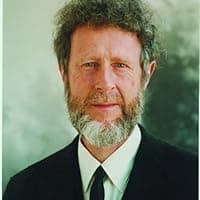
James R. Flynn
James Robert Flynn, PhD, aka Jim Flynn, is Emeritus Professor of Political Studies at the University of Otago in Dunedin, New Zealand, researches intelligence and is famous for his publications about the continued year-after-year increase of IQ scores throughout the world, which is now referred to as the Flynn effect. The Flynn Effect is the subject of a multiple author monograph published by the American Psychological Association in 1998. Originally from Washington DC and educated in Chicago, Flynn emigrated to New Zealand in 1963.
21 Books Written

Professor James Flynn is one of the most creative and influential psychologists in the field of intelligence. The 'Flynn Effect' refers to the massive increase in IQ test scores over the course of the twentieth century and the term was coined to recognize Professor Flynn's central role in measuring and analyzing these gains. For over twenty years, psychologists have struggled to understand the imp
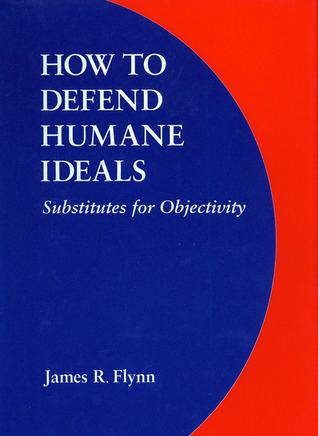
One of the principal moral and psychological problems of our time is whether humane ideals can be defended. Loss of faith in the objectivity of ethics has encouraged a sense of hopelessness. The notion that no ideal is better than any other, that a humane commitment has no rational advantage over Nietzsche’s contempt for ordinary people, has been accused of leaving our civilization without self-co


Book by Flynn, James Robert

This authoritative book shows how the gap between a group's mean IQ and achievement can be precisely measured, and then partitioned between two factors -- an important methodology with potential application for all ethnic groups. In this case, the author shows that Chinese Americans' occupational achievements are generally far beyond their IQ -- as if they had a mean IQ 21 points higher than they

Ever since the publication of Race, IQ, and Jensen (1980), Professor James R. Flynn has been the most respected critic of the notion that the IQ gap between black and white Americans is genetic in origin. This new book is a must for those who want to be up to date with that debate. He also offers an alternative to the vision of American society popularized by The Bell Curve. His overriding purpose

A brilliant road map for discovering history, science, civilization, and the human condition, this engaging record recommends must-read books: those so revealing about times and places that they take the reader beyond day-to-day concerns into a magic realm of knowledge and imagination. From Arthur Koestler’s take on the universe and Barbara Tuchman’s view on 14th-century life to F. Scott Fitzge

O God Who Has a Russian Soul
by James R. Flynn

Beyond Patriotism argues that some millions of Americans have become post-national people who put the good of humanity ahead of patriotism or national honour. It discusses the decisions that disillusioned them from the Vietnamese War, to the attempt to put Pol Pot back into power, to the sanctions against Iraq. Rather than lamenting the heyday of patriotism, post-national people should congratulat

The ‘Flynn effect' is a surprising finding, identified by James R. Flynn, that IQ test scores have significantly increased from one generation to the next over the past century. Flynn now brings us an exciting new book which aims to make sense of this rise in IQ scores and considers what this tells us about our intelligence, our minds and society. Are We Getting Smarter? features fascinating new m

Become the master of your world Presents 20 key concepts, or keys, to aid critical thinking Authored by one of the world's most eminent psychologists - and founder of the Flynn Effect Looks at topics such as Race and IQ, good science and the current world economic crisis Written in a clear and lucid style, illustrated with many examples

A provocative sequel to The Torchlight List , this book examines the answers that thinkers throughout the ages—from Plato in ancient Greece to contemporary psychologists and scientists—have proposed for life’s great Do human beings have free will? Is a good society possible? Is patriotism ethical? and Can modern science penetrate the mind? Exploring the moral ideals, attitudes, and religious beli

Humanism & Ideology Vol 4
by James R. Flynn
First published in 2003. Routledge is an imprint of Taylor & Francis, an informa company.

Intelligence and Human Progress: The Story of What was Hidden in our Genes
by James R. Flynn
Rating: 4.5 ⭐
Written by James R. Flynn of the "Flynn effect" (the sustained and substantial increase in intelligence test scores across the world over many decades), Intelligence and Human Progress examines genes and human achievement in all aspects, including what genes allow and forbid in terms of personal life history, the cognitive progress of humanity, the moral progress of humanity, and the cross-fertili

Does your Family Make You Smarter?: Nature, Nurture, and Human Autonomy
by James R. Flynn
Rating: 3.5 ⭐
Does your family make you smarter? James R. Flynn presents an exciting new method for estimating the effects of family on a range of cognitive abilities. Rather than using twin and adoption studies, he analyses IQ tables that have been hidden in manuals over the last 65 years, and shows that family environment can confer a significant advantage or disadvantage to your level of intelligence. Wading

No Place to Hide: Climate Change a short introduction for New Zealanders
by James R. Flynn
Rating: 3.9 ⭐
Millions of educated people all over the world feel powerless in the face of climate change and its consequences, partially because the literature on the environment is so vast it is difficult to know where to begin. This short book is intended to make their search for truth manageable It allows the reader to isolate the crucial issues and form his or her own opinion, and while it addresses a worl

This book offers a model introduction to political philosophy, addressing philosophers from Plato to Rawls and Nozick, with each thinker treated as exploring perennial problems. These include ethical truth, free will, the common good, whether God exists, whether America could become a Hobbesian world sovereign, appeals to nature, free speech, the nature of rights, how one can argue with Nietzsche,

This edition includes six fascinating "Solving the IQ Puzzle": Why is your IQ higher than your parents? It is because of the Flynn effect, says the person who coined the James R. Flynn."Searching for God in the Brain": Researchers are unearthing the roots of religious feeling in the experiences of nuns, Buddhists and others."Brain Food": Paying attention to what and when yo

In Defense of Free Speech: The University as Censor
by James R. Flynn
The good university is one that teaches students the intellectual skills they need to be intelligently critical - of their own beliefs and of the narratives presented by politicians and the media. Freedom to debate is essential to the development of critical thought, but on university campuses today free speech is restricted for fear of causing offence. In Defense of Free Speech surveys the underl

Traditionally, our society has broadly agreed that the “good university” should teach the intellectual skills students need to become citizens who are intelligently critical of their own beliefs and of the narratives presented politicians, society, the media, and, indeed, universities themselves. The freedom to debate is essential to the development of critical thought, but on university campuses

American politics;: A radical view
by James R. Flynn