
Jalal ad-Din Muhammad ar-Rumi
Sufism inspired writings of Persian poet and mystic Jalal ad-Din Muhammad ar-Rumi; these writings express the longing of the soul for union with the divine. Jalāl ad-Dīn Muhammad Rūmī - also known as Jalāl ad-Dīn Muhammad Balkhī, Mevlânâ/Mawlānā (مولانا, "our master"), Mevlevî/Mawlawī (مولوی, "my master") and more popularly simply as Rumi - was a 13th-century Persian poet, jurist, Islamic scholar, theologian and Sufi mystic who lived in Konya, a city of Ottoman Empire (Today's Turkey). His poems have been widely translated into many of the world's languages, and he has been described as the most popular poet and the best-selling poet in the United States. His poetry has influenced Persian literature, but also Turkish, Ottoman Turkish, Azerbaijani, Punjabi, Hindi, and Urdu, as well as the literature of some other Turkic, Iranian, and Indo-Aryan languages including Chagatai, Pashto, and Bengali. Due to quarrels between different dynasties in Khorāṣān, opposition to the Khwarizmid Shahs who were considered devious by his father, Bahā ud-Dīn Wālad or fear of the impending Mongol cataclysm, his father decided to migrate westwards, eventually settling in the Anatolian city Konya, where he lived most of his life, composed one of the crowning glories of Persian literature, and profoundly affected the culture of the area. When his father died, Rumi, aged 25, inherited his position as the head of an Islamic school. One of Baha' ud-Din's students, Sayyed Burhan ud-Din Muhaqqiq Termazi, continued to train Rumi in the Shariah as well as the Tariqa, especially that of Rumi's father. For nine years, Rumi practised Sufism as a disciple of Burhan ud-Din until the latter died in 1240 or 1241. Rumi's public life then began: he became an Islamic Jurist, issuing fatwas and giving sermons in the mosques of Konya. He also served as a Molvi (Islamic teacher) and taught his adherents in the madrassa. During this period, Rumi also travelled to Damascus and is said to have spent four years there. It was his meeting with the dervish Shams-e Tabrizi on 15 November 1244 that completely changed his life. From an accomplished teacher and jurist, Rumi was transformed into an ascetic. On the night of 5 December 1248, as Rumi and Shams were talking, Shams was called to the back door. He went out, never to be seen again. Rumi's love for, and his bereavement at the death of, Shams found their expression in an outpouring of lyric poems, Divan-e Shams-e Tabrizi. He himself went out searching for Shams and journeyed again to Damascus. Rumi found another companion in Salaḥ ud-Din-e Zarkub, a goldsmith. After Salah ud-Din's death, Rumi's scribe and favourite student, Hussam-e Chalabi, assumed the role of Rumi's companion. Hussam implored Rumi to write more. Rumi spent the next 12 years of his life in Anatolia dictating the six volumes of this masterwork, the Masnavi, to Hussam. In December 1273, Rumi fell ill and died on the 17th of December in Konya.
29 Books Written

A vibrant selection of poems by the great Persian mystic with groundbreaking translations by an American poet of Persian descent.Rumi’s poems were meant to induce a sense of ecstatic illumination and liberation in his audience, bringing its members to a condition of serenity, compassion, and oneness with the divine. They remain masterpieces of world literature to which readers in many languages continually return for inspiration and succor, as wellas aesthetic delight. This new translation by Haleh Liza Gafori preserves the intelligence and the drama of the poems, which are as full of individual character as they are of visionary wisdom.

Inside A Lover's Heart There's Another World, And Yet Another Rumi's masterpieces have inspired countless people throughout the centuries, and Coleman Barks's exquisite renderings of the thirteenth-century Persian mystic are widely considered the definitive versions for our time. Barks's translations capture the inward exploration and intensity that characterize Rumi's poetry, making this unique voice of mysticism and desire contemporary while remaining true to the original poems. In this volume readers will encounter the essence of Sufism's insights into the experience of divine love, wisdom, and the nature of both humanity and God. While Barks's stamp on this collection is clear, it is Rumi's voice that leaps off these pages with a rapturous power that leaves readers breathless. These poems express our deepest yearning for the transcendent connection with the source of the there are passionate outbursts about the torment of longing for the beloved and the sweet delight that comes from union; stories of sexual adventures and of loss; poems of love and fury, sadness and joy; and quiet truths about the beauty and variety of human emotion. For Rumi, soul and body and emotion are not separate but are rather part of the great mystery of mortal life, a riddle whose solution is love. Above all else, Rumi's poetry exposes us to the delight that comes from being fully alive, urging us always to put aside our fears and take the risk of discovering our core No one knows what makes the soul wake up so happy! Maybe a dawn breeze has blown the veil from the face of God. These fresh, original translations magnificently convey Rumi's insights into the human heart and its longings with his signature passion and daring, focusing on the ecstatic experience of the inseparability of human and divine love. The match between Rumi's sublime poetry and Coleman Barks's poetic art are unequaled, and here this artistic union is raised to new heights.

Now in paperback, this is the definitive collection of America′s bestselling poet Rumi′s finest poems of love and lovers. In Coleman Barks′ delightful and wise renderings, these poems will open your heart and soul to the lover inside and out.′There are lovers content with longing.I′m not one of them.′Rumi is best known for his poems expressing the ecstasies and mysteries of love of all kinds - erotic, divine, friendship -and Coleman Barks collects here the best of those poems, ranging from the ′wholeness′ one experiences with a true lover, to the grief of a lover′s loss, and all the states in between: from the madness of sudden love to the shifting of a romance to deep friendship - these poems cover all ′the magnificent regions of the heart′.

Persian poems by Maulana Jalāl al-Dīn Mohammad Balkhi (appropriated as Rumi by the Ottomans), 1207-1273.

One of the the greatest works of Persian Literature ,a Collection of Lyric Poems that contains more than 40,000 verses.

مجموعة من المحاضرات والمذكرات والتعليقات، يناقش فيها الرومي مسائل أخلاقيّة وعرفانية، ويفسّر آيات قرآنية، وأحاديث شريفة، مع أمثال وحكايات مصحوبة بتعليقاته عليها.ينقسم الكتاب إلى واحد وسبعين فصلًا في كل فصل فكرة ، تدور كل فكرة حول آية قرآنية أو حديث نبوي أو حكمة مشهورة أو قول مأثور أو عبارة متداولة يتحدث حول ذلك كله من منطلق التصور الصوفيّ الذي يستكنه الحقائق بشكل شفاف صافٍ وأخلاقي ويغوص بطريفة فريدة على المعاني الجديدة يستخرجها بفهم جديد.

يتناول هذا الكتاب أثراً من آثار شاعر الصوفية الأكبر الشعرية ذات الأهمية الفائقة، ألا وهي رباعيات مولانا جلال الدين الرومي، وترجمتها إلى العربية. ويعرف الرباعي لغة واصطلاحاً، ويشير إلى أنه أكثر ضروب الشعر الفارسي أصالة، وأكثر تجليات الروح الإيراني والثقافة الإيرانية إشراقاً، وينطوي على الفكر الإيرانية الصرفة ببيان بسيط وجذاب، بعيد عن كل ضروب التكلف والتصنع.ويوضح أوزان الرباعي وقوافيه ومصطلحاته، وكيفية نشأته وزمن بدايته، وأول من أنشأه، وأنواعه الثلاثة في الفارسية، ويوضح منها الرباعي العشقي، والرباعي الصوفي.ويبين أهمية الرباعيات الصوفية، وحاجتها إلى التأمل، وتعلق الناس بها، وشروطها الفنية، ويذكر الشعراء المجيدين بها، وأصولها، وخصائص صنعتها الفنية.كما يتحدث عن رباعيات الرومي التي بلغت (1983) رباعية، والتي تدور حول رحلة الإنسان إلى الحق سبحانه بطيف واسع جداً، يشمل آفاق التجربة الروحية الواسعة لمبدع مسلم قليل النظير في تاريخ الثقافة الإنسانية، بله الإسلامية.ثم يورد الرباعيات التي تصور حال العاشق مع المعشوق والصلة بينهما وما يكتنف سير السالك في طريق الحق سبحانه، برسالة تحمل جمال التسليم لمبدع كل جمال، وروعة التوجه إليه، لتأتي مع بترجمتها العربية آية من آيات الإبداع والتألق والإشراق

Rumi's Little Book of Life: The Garden of the Soul, the Heart, and the Spirit
by Jalal ad-Din Muhammad ar-Rumi
Rating: 4.1 ⭐
From Madonna to Deepak Chopra, celebrities have been recording and embracing Rumi's poetry for the past two decades, creating a resurgence of interest in this 13th century Sufi mystic. Rumi's Little Book of Life is a beautiful collection of 196 poems by Rumi, previously unavailable in English. Translated by native Persian speakers, Maryam Mafi and Azima Melita Kolin, this collection will appeal to Rumi lovers everywhere. This collection of mystical poetry focuses on one of life's core coming to grips with the inner life. During the course of life, each of us is engaged on an inner journey. Rumi's Little Book of Life is a guidebook for that journey. The poetry is a companion for those who consciously enter the inner world to explore the gardens within--out of the everyday "world of dust"--through an ascending hierarchy that restores one's soul to the heart; the heart of the spirit; and in finding spirit, transcending all.

Rise up nimbly and go on your strange journey to the ocean of meanings...In the mid-thirteenth century, in a dusty marketplace in Konya, Turkey, a city where Muslim, Christian, Hindu, and Buddhist travelers mingled, Jelaluddin Rumi, a popular philosopher and scholar, met Shams of Tabriz, a wandering dervish. Their meeting forever altered the course of Rumi's life and influenced the mystical evolution of the planet. The bond they formed was everlasting--a powerful transcendent friendship that would flow through Rumi as some of the world's best-loved ecstatic poetry.Rumi's passionate, playful poems find and celebrate sacred life in everyday existence. They speak across all traditions, to all peoples, and today his relevance and popularity continue to grow. In The Illuminated Rumi, Coleman Barks, widely regarded as the world's premier translator of Rumi's writings, presents some of his most brilliant work, including many new translations. To complement Rumi's universal vision, Michael Green has worked the ancient art of illumination into a new, visually stunning form that joins typography, original art, old masters, photographs, and prints with sacred images from around the world.The Illuminated Rumi is a truly groundbreaking collaboration that interweaves word and a magnificent meeting of ancient tradition and modern interpretation that uniquely captures the spiritual wealth of Rumi's teachings. Coleman Barks's wise and witty commentary, together with Michael Green's art, makes this a classic guide to the life of the soul for a whole new generation of seekers.

'The pen would smoothly write the things it knewBut when it came to love it split in two,A donkey stuck in mud is logic's fate -Love's nature only love can demonstrate.'Rumi's Masnavi is widely recognized as the greatest Sufi poem ever written, and has been called 'the Koran in Persian'. The thirteenth-century Muslim mystic Rumi composed his work for the benefit of his disciples in the Sufi order named after him, better known as the whirling dervishes. In order to convey his message of divine love and unity he threaded together entertaining stories and penetrating homilies. Drawing from folk tales as well as sacred history, Rumi's poem is often funny as well as spiritually profound.Jawid Mojaddedi's sparkling new verse translation of Book One is consistent with the aims of the original work in presenting Rumi's most mature mystical teachings in simple and attractive rhyming couplets.
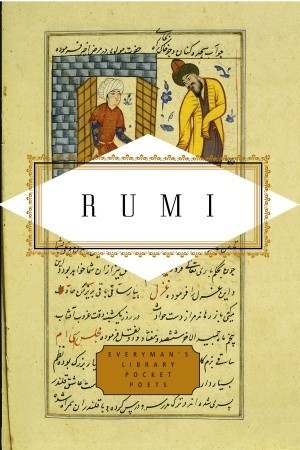
A gorgeously jacketed hardcover collection that draws on a wide variety of translations of Rumi’s deeply moving, sensually vibrant poetry.The poetry of the medieval Persian sage Rumi combines lyrical beauty with spiritual profundity, a sense of rapture, and acute awareness of human suffering in ways that speak directly to contemporary audiences.Trained in Sufism—a mystic tradition within Islam—Rumi founded the Sufi order known to us as the Whirling Dervishes, who use dance and music as part of their spiritual devotion. Many of Rumi’s poems speak of a yearning for ecstatic union with the divine Beloved. But his images bring the sacred and the earthy together in startling ways, describing divine love in vividly human terms.Everyman's Library pursues the highest production standards, printing on acid-free cream-colored paper, with full-cloth cases with two-color foil stamping, decorative endpapers, silk ribbon markers, European-style half-round spines, and a full-color illustrated jacket.

The Book of Rumi: 105 Stories and Fables that Illumine, Delight, and Inform
by Jalal ad-Din Muhammad ar-Rumi
Rating: 3.5 ⭐
Philip Pullman, author of 'His Dark Materials' trilogy, has remarked that "after nourishment, shelter, and companionship, stories are the thing we need most in the world." This new collection of Rumi stories fills that need.This fresh prose translation of 105 short teaching stories by Rumi, which form the core of the six-volume Masnavi, explores the hidden spiritual aspects of everyday experience. Rumi transforms the seemingly mundane events of daily life into profound Sufi teaching moments. These prose gems open the mystical portal to the world of the ancient mystic.These stories include well-known and popular tales such as "Angel of Death," "The Sufi and His Cheating Wife," "Moses and the Shepherd," "Chickpeas," and "The Greek and Chinese Painters" as well as the less commonly quoted parables: "The Basket Weaver," "The Mud Eater," and "A Sackful of Pebbles."Rumi's voice alternates between playful and authoritative, whether he is telling stories of ordinary lives or inviting the discerning reader to higher levels of introspection and attainment of transcendent values. Mafi's translations delicately reflect the nuances of Rumi's poetry while retaining the positive tone of all of Rumi's writings, as well as the sense of suspense and drama that mark the essence of the Masnavi.

Bridge to the Soul: Journeys Into the Music and Silence of the Heart
by Jalal ad-Din Muhammad ar-Rumi
Rating: 4.2 ⭐
Originally released in 2007, "Year of Rumi," to coincide with the poet's 800th birthday, by the pre-eminent Rumi poet Coleman Barks. In Rumi: Bridge to the Soul , Coleman Barks—who holds an honorary doctorate in Persian language and literature by the University of Tehran for his decades-long translations of Rumi—has collected and translated ninety new poems, most of them never published before in any form. The "bridge" in the title is a reference to the Khajou Bridge in Isphahan, Iran, which Barks visited with Robert Bly in May of 2006—a trip that in many ways prompted this book. The "soul bridge" also suggests Rumi himself, who crosses cultures and religions and brings us all together to listen to his words, regardless of origin or creed. Open this book and let Rumi's poetry carry you into the interior silence and joy of the spirit, the place that unites conscious knowing with a deeper, more soulful understanding.

في الاعوام الاخيرة من القرن الفائت ازداد الوعي والاهتمام باشعار ابن الرومي وخصوصا في ادبيات الثقافة الاميركية والاوروبية والتركية والعربية، حيث جرى ترجمة الكثير من اشعاره الى عدة لغات وتوظيف نصوصها في اعمال موسيقية وابداعية متنوعة لما تحمله من مشاعل روحانية وفكر نير.لا يفوتنّك الكتاب الآخر القيّم الرائع( أخبار جلال الدين الرومي ) :http://www.goodreads.com/book/show/18...

“Really, what other book would anyone ever need?” —Naomi Shihab Nye, author of Honeybee “Elegant and exquisite.” —Deepak Chopra, author of Muhammad , Jesus , and Buddha The Big Red Book is a poetic masterpiece from Jalaluddin Rumi, the medieval Sufi mystic whom Time magazine calls “the most popular poet in America.” Readers continue to be awed and inspired by Rumi’s masterfully lyrical, deeply expressive poems, collected in volumes such as The Illustrated Rumi , The Soul of Rumi , and the bestselling The Essential Rumi . With The Big Red Book , acclaimed poet and Rumi interpreter Coleman Barks offers a never-before-published translation of a crucial anthology of poems widely considered to be one of Persian literature’s greatest treasures.
Marked by lyrical beauty and spiritual insight, a deep understanding of human suffering that coexists with rapturous abandon, the poems of Jalaluddin Rumi continue to be relevant almost eight centuries after they were composed, with contemporary audiences finding new meanings in them. Rumi's poems bring together the divine and the human, the mystical and the corporeal to create a vivid kaleidoscope of poetic images. While many recent 'translations' have sought to give Rumi's poetry a certain hippy sensibility, robbing it of its true essence, Farrukh Dhondy attempts to bring out the beauty and sensibility of the verses whilst imitating the metre of the original. Dhondy's translations provide a modern idiom to the poems, carefully keeping intact their religious context.

Translated by renowned Rumi expert Nader Khalili, over 120 poems on spirituality from the Persian mystic poet and Sufi master have been carefully collected and curated in this beautifully illustrated edition. For more than eight centuries, Jalaluddin Muhammad Balkhi Rumi—commonly referred to simply as Rumi—has enchanted and enthralled readers from every faith and background with his universal themes of love, friendship, and spirituality, which he seamlessly wove into resplendent poetry.The verses herein perfectly express the spiritual quest and desire for a deeper understanding of not only ourselves, but also of our collective oneness as humankind.With intricately designed and richly colored covers that mirror the beauty of the words within, the Timeless Rumi series presents themed collections of poems from the great Sufi mystic Jalaluddin Muhammad Balkhi Rumi that serve as cherished tools for self-reflection.

The Rumi Collection: An Anthology of Translations of Mevlana Jalaluddin Rumi
by Jalal ad-Din Muhammad ar-Rumi
Rating: 4.2 ⭐
A rich introduction to the work of Rumi by the foremost scholar on the great mystical poet, featuring leading literary translations of his verse by Coleman Barks, Robert Bly, Andrew Harvey, Kabir Helminski, Camille Helminski, Daniel Liebert, and Peter Lamborn Wilson.Rumi's poems are beloved for their touching perceptions of humanity and the Divine. To display the major themes of Rumi's work, each of the eighteen chapters in this anthology are arranged topically, such as "The Inner Work," "The Ego Animal," "Passion for God," "Praise," and "Purity," uncovering a deep and timeless understanding of Sufism and mysticism. Also included is a biography of Rumi by Andrew Harvey and an introductory essay by Kabir Helminski on the art of translating Rumi's work into English."The Spiritual Surgeon"Can the water of a polluted stream Wash away the dirt? Can human knowledge sweep away The ignorance of the sensual self? How does a sword fashion its own hilt? Go, entrust your wound to a surgeon, For flies will gather around the wound Until it can’t be seen. These are your selfish thoughts And all you dream of owning. The wound is your own dark hole. Mathnawi I, 3221–3224 (translated by Kabir Helminski and Camille Helminski)

In 1244, the brilliant poet Rumi and the wandering dervish Shams of Tabriz met and immediately fell into a deep spiritual connection. The Glance taps a major, yet little explored theme in Rumi's poetry-the mystical experience that occurs in the meeting of the eyes of the lover and the beloved, parent and child, friend and soul mate.Coleman Barks's new translations of these powerful and complex poems capture Rumi's range from the ethereal to the everyday. They reveal the unique place of human desire, love, and ecstasy, where there exists not just the union of two souls, but the crux of the universe.Here is a new kind of love lyric for our time-one of longing, connection, and wholeness.

Paperback. Pub Date: April. 2000 Pages: 128 Publisher: Thorsons A eathtaking new collection of Translations of poems by Rumi. One of the world's MOST loved mystical teachers. Beautifully PACKAGED and Illustrated with Persian Calligraphy. This is an ideal gift for every MBS reader.Jalal-uddin Rumi was born in what is now Afghanistan in 1207. His poetry has inspired generations of spiritual seekers. both from his own Sufi school and well beyond. His poems speak to the seeker and the lover in all of us. In recent years. interest in Rumi has skyrocketed. with perrfomances. CDs by Deepak Chopra. and filmed versions of his life all in the work. In these beautiful. simple new translations - 100 in all - his timeless appeal is obvious. Publication is timed not only because this is an ideal gift. but also to coincide with Rumi's death day (the day he is celeated) 17 December.

بعد أكثر من سبعمائة سنة، نتساءل ما الذي نجده جذابًا في كلمات الرومي وأشعاره، هل ﻷنها تسبر أغوار النفس وتنفذ إلى القلب مباشرة. إن الرومي هو أستاذ العشق، العشق الذي يجد صعوبة في نقل سحره إلى البشر الذين جُبلوا من طين. إن جمال كلمات الرومي وقوتها مستمدة من تجربته. فهو يعرف الجروح والمآسي التي تخلفها الحياة فينا، لكنه تجاوز تلك اﻵلام والجروح، وراح يبحث عن العشق اﻹلهي، فهو يقول: "إن قلمي يتكسر إلى شظايا عندما أكتب كلمة عشق"، فمن هذا العشق تتفجر قصائد الرومي وتتناثر كالنجوم وتملأ السماء، مثل تلك النجوم التي تلمع وتضيء ليل الصحراء.

New translations of the works of the thirteenth-century Sufi poet are included in an inspirational collection of poetry that reveals classic Eastern thought combined with a warm wisdom that transcends the ages. Reprint.


A collection of the best of Rumi's poetry. The cry of the soul in love with God has never been more eloquently expressed than by the great Persian Sufi master Jalaluddin Rumi (1207-1273). Readers have thrilled to his ecstatic songs of divine union for more than eight hundred years. Now, here is the collection of the best of Rumi's poetry reissued as part of a new series with Pema Chodron, Thich Nhat Hanh, H.H. the Dalai Lama, and more. The Shambhala Pocket Library is a collection of short, portable teachings from notable figures across religious traditions and classic texts. The covers in this series are rendered by Colorado artist Robert Spellman. The books in this collection distill the wisdom and heart of the work Shambhala Publications has published over 50 years into a compact format that is collectible, reader-friendly, and applicable to everyday life.

مختارات من ديوان شمس الدين تبريزي لمولانا جلال الدين الرومي
by Jalal ad-Din Muhammad ar-Rumi
Rating: 3.9 ⭐
تتميز أشعار الديوان بموسيقاها الجميلة، التى تعبر عن مدى حب جلال الدين للموسيقى، بل وبراعته الت كان يشتهر بها - كما يقولون في الضرب على بعض آلاتها كالربابة.ويرجع حب جلال الدين للموسيقى إلى ما ذكره هو في "المثنوي" من أن آدم - عليه السلام - قد سمع الموسيقى والألحان في الجنة وتأثر بها فعلق حفها بقب ذريته ، وقد انعكس حب جلال الدين للموسيقى في الديوان- بخاصة حيث استخدم خمسا وخمسين بحرا مختلفا من بحور الشعر، وهو تنوع في الموسيقى لم يتح لشاعر آخر سواه، ، بل ان الأوزان المهملة التى كانت موجودة في شعر القدماء ثم أهملت.. استطاع الشاعر أن ينظم فيها جميعا حتى أصبحت تنافس الأوزان المألوفة في رفتها وعذوبتها، ويحتوي هذا الكتاب على ترجمة منثورة لمائة غزلية وغزلية واحدة من ديوان شمس تبريز.(nwf.com)

The celebrated Rumi is one of the most widely read poets in the world today and these profound tales are stories of insightful and entertaining Sufi wisdom.

"My heart wandered through the worldconstantly seeking after my cure,but the sweet and delicious water of lifehad to break through the granite of my heart."When the words of Rumi enter your heart, something softens, breaks, and is subtly reborn. That he wrote the words seven hundred years ago in a medieval Persian world that bears little resemblance to ours makes their uncanny resonance to us today just that much more remarkable. Here is a treasury of daily wisdom from this most beloved of all the Sufi masters—both his prose and his ecstatic poetry—that you can use to start every day for a year, or that you can dip into for inspiration any time you need to break through the granite of your heart.

My verse resembles the bread of Egypt—night passes over it, and you cannot eat it any more.Devour it the moment it is fresh, before the dust settles upon it.Its place is the warm climate of the heart; in this world it dies of cold.Like a fish it quivered for an instant on dry land, another moment and you see it is cold.Even if you eat it imagining it is fresh, it is necessary to conjure up many images.What you drink is really your own imagination; it is no old tale, my good man.Jalal al-Din Rumi (1207–73), legendary Persian Muslim poet, theologian, and mystic, wrote poems acclaimed through the centuries for their powerful spiritual images and provocative content, which often described Rumi’s love for God in romantic or erotic terms. His vast body of work includes more than three thousand lyrics and odes. This volume includes four hundred poems selected by renowned Rumi scholar A. J. Arberry, who provides here one of the most comprehensive and adept English translations of this enigmatic genius. Mystical Poems is the definitive resource for anyone seeking an introduction to or an enriched understanding of one of the world’s greatest poets.
