
Hafiz
Hāfez (حافظ) (Khwāja Shams-ud-Dīn Muḥammad Ḥāfeẓ-e Shīrāzī) was a Persian poet whose collected works (The Divan) are regarded as a pinnacle of Persian literature and are to be found in the homes of most people in Iran, who learn his poems by heart and still use them as proverbs and sayings. His life and poems have been the subject of much analysis, commentary and interpretation, influencing post-14th century Persian writing more than any other author Themes of his ghazals are the beloved, faith, and exposing hypocrisy. His influence in the lives of Persian speakers can be found in "Hafez readings" (fāl-e hāfez, Persian: فال حافظ) and the frequent use of his poems in Persian traditional music, visual art, and Persian calligraphy. His tomb is visited often. Adaptations, imitations and translations of his poems exist in all major languages. Though Hafez is well known for his poetry, he is less commonly recognized for his intellectual and political contributions. A defining feature of Hafez' poetry is its ironic tone and the theme of hypocrisy, widely believed to be a critique of the religious and ruling establishments of the time. Persian satire developed during the 14th century, within the courts of the Mongol Period. In this period, Hafez and other notable early satirists, such as Ubayd Zakani, produced a body of work that has since become a template for the use of satire as a political device. Many of his critiques are believed to be targeted at the rule of Amir Mobarez Al-Din Mohammad, specifically, towards the disintegration of important public and private institutions. He was a Sufi Muslim. His work, particularly his imaginative references to monasteries, convents, Shahneh, and muhtasib, ignored the religious taboos of his period, and he found humor in some of his society's religious doctrines. Employing humor polemically has since become a common practice in Iranian public discourse and persian satire is now perhaps the de facto language of Iranian social commentary. شمس الدین محمد، حافظ شیرازی، ملقب به حافظ و لسان الغیب مشهورترین و محبوبترین شاعر تاریخ زبان فارسی و ادبیات ایران حوالی سال ۷۲۶ هجری قمری در شیراز متولد شد. علوم و فنون را در محفل درس برترین استادان زمان فراگرفت و در علوم ادبی عصر پایهای رفیع یافت. خاصه در علوم فقهی و الهی تأمل بسیار کرد و قرآن را با چهارده روایت مختلف از برداشت. پژوهشگران احتمال میدهند همین دلیل باعث شده لقب او حافظ شود. حافظ مسلمان و شیعه مذهب بود و در وادی سلوک و طریقت، عرفان خاص خود را داشت. دیوان اشعار او شامل غزلیات، چند قصیده، چند مثنوی، قطعات و رباعیات است. اما در شعر آنچه بیش از همه او را دست نیافتنی کرده است غزلهای حافظ است. حافظ در سال ۷۹۲ هجری قمری در شیراز درگذشت. آرامگاه او در حافظیهٔ شیراز زیارتگاه صاحبنظران و عاشقان شعر و ادب پارسی است. او همواره و همچنان برای ادبیات پس از خود الهامبخش و تاثیرگذار بوده است شعرِ حافظ در زمان آدم اندر باغ خُلد دفترِ نسرین و گُل را زینتِ اوراق بود
30 Books Written

The Angels Knocking on the Tavern Door: Thirty Poems of Hafez
by Hafiz
Rating: 4.3 ⭐
• 3 recommendations ❤️
One of our most acclaimed poets brings the work of the great Persian mystic and poet, Hafez, to a new audience. There is no poet in our tradition who carries the amount of admiration and devotion that the Persians have for Hafez. Children learn to sing Hafez poems in the third grade, and almost every family has a copy of the collected Hafez on the dining room table. Robert Bly and the great Islamic scholar Leonard Lewisohn have worked for 15 years on this book of Hafez, the first that carries into English his nimbleness, his outrageous humor, his defenses of the private life in the face of the fundamentalists, and the joy of his love poems. He writes in the ghazal form, one of the greatest inventions in the history of poetry. This is Rumi’s wild younger brother, now brought into an English that makes his genius visible.

More than any other Persian poet, it is perhaps Hafiz who accesses the mystical, healing dimensions of poetry. Because his poems were often ecstatic love songs from God to his beloved world, many have called Hafiz the "Tongue of the Invisible."With this stunning collection of 250 of Hafiz's most intimate poems, Daniel Ladinsky has succeeded brilliantly in capturing the essence of one of Islam's greatest poetic and religious voices. Each line of THE GIFT imparts the wonderful qualities of the spiritual teacher: an audacious love that empowers lives, profound knowledge, wild generosity, and a sweet, playful genius unparalleled in world literature.
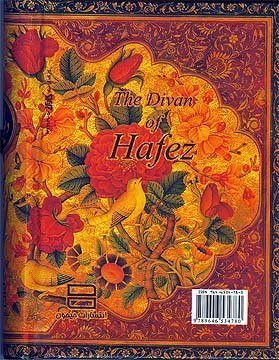
The Persian poet Hafez (1320–1389) is best known as a Sufi mystic who incorporated elements of Sufism into his verses. The state of God-Realisation is symbolised through union with a Beloved, and drinking the wine of spiritual love. This compact version of the Divan of Hafez is a facsimile illuminated manuscript, complete with beautiful Persian calligraphy and miniature illustrations. There are 43 ghazals, translated into English by classical scholar Gertrude Bell. It is a truly beautiful introduction not only to the works of this beloved Sufi mystic, but also to the artistry of Mahmoud Farshchian. It is like getting two books in one: poetry and art. "Hafiz has no peer." — Goethe Poetry is the greatest literary form of ancient Persia and modern Iran, and the fourteenth-century poet known as Hafiz is its preeminent master. Little is known about the poet's life, and there are more legends than facts relating to the particulars of his existence. This mythic quality is entirely appropriate for the man known as "The Interpreter of Mysteries" and "The Tongue of the Hidden," whose verse is regarded as oracular by those seeking guidance and attempting to realize wishes. A mere fraction of what is presumed to have been an extensive body of work survives. This collection is derived from Hafiz's Divan (collected poems), a classic of Sufism. The short poems, called ghazals, are sonnet-like arrangements of varied numbers of couplets. In the tradition of Persian poetry and Sufi philosophy, each poem corresponds to two interpretations, sensual and mystic. This outstanding translation of Hafiz's poetry was created by historian and Arabic scholar Gertrude Bell, who observed, "These are the utterances of a great poet, the imaginative interpreter of the heart of man; they are not of one age, or of another, but for all time."

From bestselling poet Daniel Ladinsky, a rich collection that brings the great Sufi poet Hafiz to Western readersTo Persians, the poems of Hafiz are not “classical literature” from a remote past but cherished wisdom from a dear and intimate friend that continues to be quoted in daily life. With uncanny insight, Hafiz captures the many forms and stages of love. His poetry outlines the stages of the mystic's “path of love”—a journey in which love dissolves personal boundaries and limitations to join larger processes of growth and transformation.With this stunning collection, Ladinsky has succeeded brilliantly in capturing the essence of one of Islam’s greatest poetic and spiritual voices.“If you haven’t yet had the delight of dining with Daniel Ladinsky’s sweet, playful renderings of the musings of the great saints, I Heard God Laughing is a perfect appetizer. . . . This newly released edition of his first playful foray into Hafiz’s divinely inspired poetry is essential reading. . . . Ladinsky is a master who will be remembered for finally bringing Hafiz alive in the West.” —Alexandra Marks, The Christian Science Monitor

A rich collection that brings the great Sufi poet Hafiz to Western readers, from bestselling poet Daniel LadinskyPerhaps more than any other Persian poet, it is Hafiz who most fully accesses the mystical, healing dimensions of verse. Acclaimed poet Daniel Ladinsky has made it his life’s work to create modern, inspired renderings of the world’s most profound spiritual poetry. Through Ladinsky’s renderings, Hafiz’s voice comes alive across the centuries, singing his timeless message of love.With this stunning collection, Ladinsky has once again succeeded brilliantly in capturing the essence of one of Islam’s greatest poetic and spiritual voices.“Ladinsky is a master who will be remembered for finally bringing Hafiz alive in the West.” —Alexandra Marks, The Christian Science Monitor

'Drunk or sober, king or soldier, none will be excluded' Sensual, profound, delighted, wise, Hafez's poems have enchanted their readers for more than 600 years. One of the greatest figures of world literature, he remains today the most popular poet in modern Iran. Introducing Little Black Classics: 80 books for Penguin's 80th birthday. Little Black Classics celebrate the huge range and diversity of Penguin Classics, with books from around the world and across many centuries. They take us from a balloon ride over Victorian London to a garden of blossom in Japan, from Tierra del Fuego to 16th century California and the Russian steppe. Here are stories lyrical and savage; poems epic and intimate; essays satirical and inspirational; and ideas that have shaped the lives of millions. Rumi (1207-73). Rumi's Selected Poems is available in Penguin Classics.

Daniel Ladinsky’s stunning interpretations of 365 soul-nurturing poems—one for each day of the year—by treasured Persian lyric poet HafizThe poems of Hafiz are masterpieces of sacred poetry that nurture the heart, soul, and mind. With learned insight and a delicate hand, Daniel Ladinsky explores the many emotions addressed in these verses. His renderings, presented here in 365 poignant poems — including a section based on the interpretations of Hafiz by Ralph Waldo Emerson—capture the compelling wisdom of one of the most revered Sufi poets. Intimate and often spiritual, these poems are beautifully sensuous, playful, wacky, and profound, and provide guidance for everyday life, as well as deep wisdom to savor through a lifetime.

شاملو گفت یک یا دو بیت را نمیتوان مقیاسی گرفت برای تعیین حدود ذهنیت نابغهای چون حافظ که اینطور فکر میکرده یا چنین عقیدهای داشته است. آنچه در شناخت حافظ اهمیت دارد شناخت کاینات ذهنی اوست، تربیت فکریش، عبور از مراحل و در آخر رسیدن به آن عرصه که جز عشق هیچ پناهگاهی ندارد، چگونه میشود اعتراض او را که میگوید «که حرف عشق در دفتر نباشد» ندیده گرفت یا این بیت را دقیق و بجا نفهمید که گفته است:«سوداییان عالم پندار را بگوسرمایه کم کنید که سود و زیان یکیست»و باید دید سوداییان عالم پندار چه کسانند و غرض از سود و زیان این پنداربافان چه بوده است. وقتی شاملو در محفلی باشد اگر در باب شعر امروز هم سخنی به میان نیاید راجع به حافظ حتماً حرف زده خواهد شد. انس دایمی او و پژوهش دیرینۀ او در باب افکار حافظ، همواره موجب میشود که با ذکر نکتهای به بیتی، در دنیای حافظ برویم و سلسله را او میجنباند و به نهایت میرساند...آن روز صحبت به ایدئولوژی حافظ کشید. باور او چه بوده است؟ مفسر و شارح قرآن بوده؟ مرد دینداری به شمار میآمده؟ صوفی یا عارف یا ملامتی بوده؟ در آخر آیا شکاک خیامی یا ملحدی خاموش گشته؟ تفکر، دانش و سلوک مدام او به کجا راهبرش شده است...برگرفته از مفاهیم رند و رندی


شرح الفاظ، اعلام، مفاهیم کلیدی و ابیات دشوار حافظ.(دوره دوجلدی)

The Persian Sufi poet Hafiz (1326�1390) is a towering figure in Islamic literature—and in spiritual attainment as well. Known for his profound mystical wisdom combined with a sublime sensuousness, Hafiz was the supreme master of a poetic form known as the ghazal (pronounced "guzzle"), an ode or song consisting of rhymed couplets celebrating divine love. In this selection of his poems, wine and the intoxication it brings are the image that expresses this love in all its joyful abandon, painful longing, bewilderment, and surrender. Through ninety-five free-verse renditions, we gain entry into the mystical world of Hafiz's Winehouse, with its happy minstrels, its bewitching Winebringer, and its companions in drunken longing whose hearts cry out, "More wine!" Thomas Rain Crowe brings a new dimension to our growing appreciation of Hafiz and his wise drunkard's advice to the seekers of God: In this world of illusion, take nothing other than this cup of wine; In this playhouse, don't play any games but love.

عنوان: حافظ نامه شرح الفاظ اعلام مفاهیم کلیدی و ابیات دشوار حافظ بخش اول؛ نویسنده: بهاءالدین خرمشاهی؛ ویراستار: کامران فانی؛ عنوان قراردادی: شرح دیوان؛ تهران، انتشارات علمی و فرهنگی - سروش؛ 1366 ؛ در دو جلد؛ جلد نخست در 764 ص؛ شابک دوره: 9644451759؛ شابک جلد 1: 9644451732؛ چاپ دیگر: 1373؛ چاپ هشتم 1378؛ چاپ شانزدهم و هفدهم 1385؛ چاپ هیجدهم 1387؛ شابک دوره: 9789644451751؛ شابک جلد 1: 9789644451737؛ موضوع: نقد و تفسیر دیوان حافظ - شعر شاعران قرن 9 هجری - قرن 20 م

دیوان حافظ شیرازی از انتشارات انجمن خوشنویسان ایران با همکاری وزارت فرهنگ و ارشاد اسلامی

In modern day Persia, the 14thcentury poet Hafiz remains the most treasured voice of his homeland-a place where his work outsells Rumi, and even the Koran. Yet only recently have Westerners come to know this wild Sufi mystic's astonishing verses on love and spiritual longing. Now, with Hafiz: The Scent of Light, listeners join Daniel Ladinsky-the acclaimed translator of The Gift-to revel in more than 30 of Hafiz' most stirring works. Offered here in the manner that Hafiz composed them, spoken or sung spontaneously amid companions and inspired music, each of these exquisite love songs (ghazals) shimmers with a nuance, depth, and passion rarely captured in previous translations. Music by Stevin McNamara and friends. Read by Nataraja Kallio.

This is a powerful, at times playful. collection of the sufi master's first hundred lyrical poems, or ghazals, that brings to fruition love, mysticism. and other early sufi themes.With a keen sense of timing and verse, the translator is able to capture the lyrical quality as well as Hafiz's profound messages that possess elements of modern surrealism. This complation stresses form and verse as it weaves a nearly magical intensity that will have new readers falling in love with an ancient master of poetry and aficionados of the persian mystic period appricating timeless odes tn a creative and inspired voice.

Translation of a selection of poems from one of the world's greatest lyric poets. First published 1947.

Includes Bell's translation of Hafez, along with the original Persian (Farsi). Also included are Bell's extensive introduction on the life and poetry of Hafez and a preface by E. Denison Ross. As E.G. Browne has commented: "Bells translations are true poetry of a very high order and, with perhaps the single exception of FitzGerald's paraphrase of the Quatrains of Omar Khayyam, are probably the finest and most truly poetical renderings of any Persian poet ever produced in the English language."

"Hafiz--a quarry of imagery in which poets of all ages might mine." - Ralph Waldo Emerson Hafiz was born at Shiraz, in Persia, some time after 1320, and died there in 1389. He is, then, an almost exact contemporary of Chaucer. His standing in Persian literature ranks him with Shakespeare and Goethe. A Sufi, Hafiz lived in troubled times. Cities like Shiraz fell prey to the ambitions of one marauding prince after another and knew little peace. The nomads of Central Asia finally overthrew the rule of these princes, and led to the establishment of the succeeding Timurid Dynasty. It is of utmost literary interest that a poet who has remained immensely popular and most frequently quoted in his own land should, for the universality and grace of his wisdom and wit, be known outside the land of his birth as he used to be, the subject of veneration among literati both in Europe and the United States. The time for revival of interest in a poet of such cosmopolitan appeal is overdue. His poems celebrate the love, wine, and the fellowship of all creatures. This volume, first published in 1952, brings back into print at last the renderings, the most beautiful and faithful in English, of this greatest of Persian writers.

Memasuki dunia kampus membuat Meta semakin memahami hakikat hidupnya. Ia mulai berinteraksi dengan kegiatan keislaman di sana. Segala bentuk perhatian dari Steve, orang yagn mencintainya, mulai tak terbalas. Lelaki indo-Skotlandia itu semakin tak memahami mengapa cintanya tak berbalas. Meta telah menemukan cinta sejatinya. Ia berhijrah dan meninggalkan Steve.Sepeninggal Meta, Steve berusaha mencari cinta yang diinginkan Meta. Namun pencariannya tak pernah selesai karena tiba-tiba ajal menjemputnya. Ia tewas dalam kecelakaan.Steve adalah siluet kisah hidup seorang anak manusia yang harus pasrah terenggut takdir karena ia adalah manusia, makhluk fakir di hadapan Ilah yang Maha Kabir.

Hafiz is the preeminent poet of Persian Sufism and one of the great poets of world literature. The Green Sea of Heaven is regarded as the finest English translation of his poetry. Elizabeth Gray’s translations are informed by her thorough knowledge of Persian and the Persian poetic tradition. This bilingual edition also includes two brilliant studies of Hafiz by Gray and Daryush Shayegan, plus helpful notes to the translation.

I have this gem and it’s looking for a beholder Hafiz of Shiraz (also known as Hafez) remains the most beloved name in all of Persian literature. Indeed, his mystic, lyric poetry is cherished as one of the great achievements of world literature, on a par with Dante, Goethe, and Shakespeare. Hafiz’s Little Book of Life is a lush collection of more than 250 selections from his lifework. Also included is a vivid portrait of his life and times, translators’ notes, an extensive glossary, a bibliography, and an appendix on Hafiz as an oracle. Here are classic soaring flights of fancy and solid life lessons—made new by two award-winning translators. This is the perfect introduction to Hafiz for all lovers of poetry and seekers of love, spirituality, and wisdom. Let the unforgettable words of Hafiz shine through you with their love, profundity, wit, and celebration of life. “This is translation as a real ‘carrying-across,’ as art, not artifact . . . this one drops the reader/listener directly into their own soul-struggle. Immerse yourself and be transformed!” —Neil Douglas-Klotz, author of The Sufi Book of Life and A Little Book of Sufi Stories “From the first page, you are invited to settle into a sublime sanctuary and partake in enchantment until you feel the Beloved inside your beating heart and running through your veins.” —Ari Honarvar, author of A Girl Called Rumi

Bahaeddin Khorramshahiعنوان: حافظ نامه شرح الفاظ اعلام مفاهیم کلیدی و ابیات دشوار حافظ بخش دوم؛ نویسنده: بهاءالدین خرمشاهی؛ ویراستار: کامران فانی؛ عنوان قراردادی: شرح دیوان؛ تهران، انتشارات علمی و فرهنگی - سروش؛ 1366 ؛ در دو جلد؛ جلد دوم در 776 ص؛ دو جلد در 1540 ص؛ شابک دوره: 9644451759؛ شابک جلد 2: 9644451740؛ چاپ دیگر: 1373؛ چاپ هشتم 1378؛ چاپ شانزدهم و هفدهم 1385؛ چاپ هیجدهم 1387؛ شابک دوره: 9789644451751؛ شابک جلد 2: 9789644451740؛ موضوع: نقد و تفسیر دیوان حافظ - شعر شاعران قرن 9 هجری - قرن 20 م

Hafiz is renowned as one of the most celebrated Persian poets. Living in the 14th Century, Hafiz was frequently persecuted for his disregard for the religious and political orthodoxy. People read different things into his poetry but he was unequivocal in his denunciation of religious rituals that were devoid of spiritual intensity. He also wrote extensively on the theme of love, both human and divine, alluding to the ecstasy of mystical union with the Divine. In depicting the intensity of love, Gertrude Bell thought Hafiz comparable to the West’s own Shakespeare. Gertrude Bell’s translation is considered to be one of the most lucid, musical and accurate of the verse translations.


Born as Shamsuddin Mohamed in 1320 AD in Shiraz, Persia, Hafiz memorized the Quran at an early age to become known as Hafiz, which he later adopted as his pen name. A self taught scholar, mystic, and poet, he became the favorite of kings, princes as well as ministers and spent his adult life in affluence. Without a doubt he remains one of the most revered poets of all time and while much of his poetry has been lost over centuries, about six hundred poems, mainly odes, survive. Herein two hundred ninety nine are offered as a tiny celebration of what the world, in all her glory, provides.

The immortal poetry of the great Persian master paired with beautiful illustrations "Hold tight to the stem of the rose you've been given. Learn what such a friend is worth. Write that in the margin and memorize it." --Hafiz (tr. Barks) Rarely do we encounter poetry that ignites and intoxicates the soul. Few poets have ever done so as brilliantly as Hafiz of Shiraz. The Illuminated Hafiz is a celebration of how even now, seven centuries after his death, this Persian mystic remains one of the most beloved poets in the world.The Illuminated Hafiz presents selections from the master's alluring works as they've never been seen before--merging translations from Coleman Barks, Robert Bly, Omid Safi, and other mystics and scholars with evocative art by Michael and Saliha Green. Following in the tradition of The Illuminated Rumi, this inspiring collection also contains short commentaries on Hafiz and the significance of his work, as well as a glossary explaining his imagery and subtle use of language. A contemporary take on classical illuminated manuscripts, The Illuminated Hafiz reveals why Hafiz's verse endures as timeless spiritual guidance in the Middle East, and why his sublime words of light continue to grow in popularity in the West and throughout the world.

دیوان حافظ به تصحیح و توضیح پرویز ناتل خانلری از روی چهارده نسخهٔ خطی؛ به همراه اختلاف نسخهها.


Selected poems of Hafez in 20 languagesبرگزیده هایی از دیوان خواجه شمس الدین محمد حافظ شیرازی به بیست زبان: فارسی حافظ، انگلیسی آرتور جی. آربری، آلمانی، عربی، فرانسه، اردو، هلندی، چینی، ژاپنی، مجارستانی، چک، روسی، ترکی استانبولی عبدل بلاکی گلپینارلی، ازبکستانی، تاجیکستانی، ارمنی، رومانی، لهستانی، فنلاندی، سوئدی به اهتمام علی جانزاده

May I remember always when,Your glance in secrecy met mine,And in my face your love was likeA visibly reflected sign.May I remember always when,Your chiding eyes were like my death,And your sweet lips restored my life,Like Jesus’s reviving breath.May I remember always when,We drank our wine as darkness died,My friend and I, alone at dawn,Though God was there too, at our side.