
Fernando Pessoa
Fernando António Nogueira Pessoa was a poet and writer. It is sometimes said that the four greatest Portuguese poets of modern times are Fernando Pessoa. The statement is possible since Pessoa, whose name means ‘person’ in Portuguese, had three alter egos who wrote in styles completely different from his own. In fact Pessoa wrote under dozens of names, but Alberto Caeiro, Ricardo Reis and Álvaro de Campos were – their creator claimed – full-fledged individuals who wrote things that he himself would never or could never write. He dubbed them ‘heteronyms’ rather than pseudonyms, since they were not false names but “other names”, belonging to distinct literary personalities. Not only were their styles different; they thought differently, they had different religious and political views, different aesthetic sensibilities, different social temperaments. And each produced a large body of poetry. Álvaro de Campos and Ricardo Reis also signed dozens of pages of prose. The critic Harold Bloom referred to him in the book The Western Canon as the most representative poet of the twentieth century, along with Pablo Neruda.
29 Books Written

Here, in Margaret Jull Costa and Patricio Ferrari’s splendid new translations, are the complete poems of Alberto Caeiro, the imaginary “heteronym” coterie created by Fernando Pessoa, the Portuguese modernist master. Pessoa conceived Caeiro around 1914 and may have named him loosely after his friend, the poet Mário de Sa-Cárrneiro. What followed was a collection of some of Fernando Pessoa’s greatest poems, grouped under the titles The Keeper of Sheep, The Shepherd in Love, and Uncollected Poems. This imaginary author was a shepherd who spent most of his life in the countryside, had almost no education, and was ignorant of most literature; yet he (Pessoa) wrote some of the most beautiful and profound poems in Portuguese literature. This edition of The Complete Works of Alberto Caeiro is based on the magnificent Portuguese Tinta-da-China edition, published in Lisbon in 2016, and contains an illuminating introduction by the Portuguese editors Jerónimo Pizarro and Patricio Ferrari, some facsimiles of the original Portuguese texts, and prose excerpts about Caeiro and his work written by Fernando Pessoa well as his other heteronyms Álvaro de Campos and Ricardo Reis, and other fictitious authors such as Antonio Mora and I. I. Crosse.
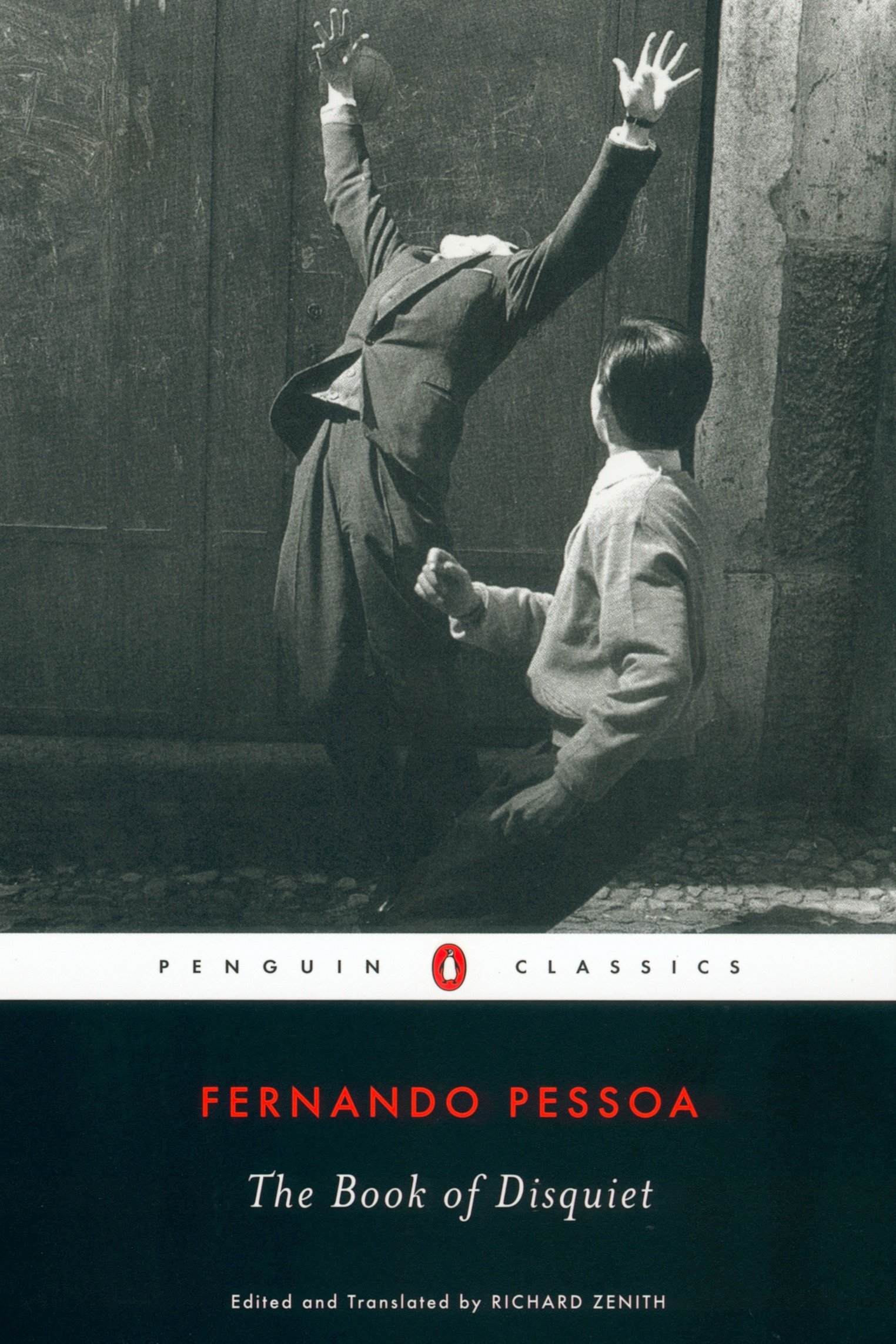
Fernando Pessoa was many writers in one. He attributed his prolific writings to a wide range of alternate selves, each of which had a distinct biography, ideology, and horoscope. When he died in 1935, Pessoa left behind a trunk filled with unfinished and unpublished writings, among which were the remarkable pages that make up his posthumous masterpiece, The Book of Disquiet, an astonishing work that, in George Steiner's words, "gives to Lisbon the haunting spell of Joyce's Dublin or Kafka's Prague." Published for the first time some fifty years after his death, this unique collection of short, aphoristic paragraphs comprises the "autobiography" of Bernardo Soares, one of Pessoa's alternate selves. Part intimate diary, part prose poetry, part descriptive narrative, captivatingly translated by Richard Zenith, The Book of Disquiet is one of the greatest works of the twentieth century.

Esta edicion critica de la poesia de Pessoa esta coordinada por Jose Augusto Seabra y colaboraron en el analisis de la obra los siguientes investigadores Onesimo Teotanio Almeida, Jose Blanco, Y.K. Centeno, Dalila Pereira da Costa, Adrien Roig, Antonio Quadros y Maria Helena da Rocha Pereira; asi mismo, colaboro un investigador de Brasil : Jose Edil; uno de Alves, y uno de Adrien Roig. Complementan la edicion una cronologia y una bibliografia del autor.

Vertebrado casi a manera de diálogo socrático inverso. "El banquero anarquista", del poeta portugués Fernando Pessoa, lleva hasta el paroxismo el desarrollo de un razonamiento sofista -es decir de una especulación inteligente, pero utilitaria, travestida de pensamiento. A la evidente nunca innecesaria reflexión sobre el lugar del poder en la sociedad actual -que también sería una reflexión sobre la violencia establecida como realidad social y económica-, el Pessoa de "El banquero anarquista" remite también al albedrío de los individuos. Cuestiona el poder vertical, a la par que acepta su existencia como algo de lo que vale la pena escapar -lo cual sólo puede acontecer, según el sofista, con sus propias armas y herramientas. Al tocar el tema de la riqueza en tanto meta de nuestra sociedad advierte, no sin cruenta paradoja, que en la acumulación de riquezas reside cuando menos la ilusión de una salida individual a la presión social. Este relato-diálogo revela, pleno de ironía -de decepción asimilada-, aun dentro de los más elevados ideales tópicos subyacentes, la inquietante presencia de la contradicción como elemento consustancial a la condición humana.

"At last, at last, at last, Pessoa again! More Pessoa! One of the very great poets of the twentieth century, again and more! And one of the fascinating figures of all literature, with his manifold identities, his amazing audacities, his brilliance and his shyness. I think I have under control the reluctance I feel in having to share Pessoa with the public he should have had all along in America: until now, only the poets, so far as I can tell, have even heard of him, and delighted and exulted in him. He is, in some ways, the poet of modernism, the only one willing to fracture himself into the parcels of action, anguish, and nostalgia which are the grounds of our actual situation." —C. K. Williams"Pessoa is one of the great originals (a fact rendered more striking by his writing as several distinct personalities) of the European poetry of the first part of this century, and has been one of the last poets of comparable stature, in the European languages, to become known in English. Edwin Honig's translations of Spanish and Portuguese poetry have been known to anyone who cares about either, since his work on Lorca in the forties, and his Selected Poems of Pessoa (1971) was a welcome step toward a long-awaited larger colection." — W. S. Merwin"Fernando Pessoa is the least known of the masters of the twentieth-century poetry. From his heteronymic passion he produced, if that is the word, two of our greatest poets, Alberto Caeiro and Álvaro de Campos, and a third, Ricardo Reis, who isn't bad. Pessoa is the exemplary poet of the self as other, of the poem as testament to unreality, proclamation of nothingness, occasion for expectancy. In Edwin Honig's and Susan Brown's superb translations, Pessoa and his "others" live with miraculous style and vitality." —Mark StrandFernando Pessoa is Portugal’s most important contemporary poet. He wrote under several identities, which he called heteronyms: Albet Caeiro, Alvaro de Campos, Ricardo Reis, and Bernardo Soares. He wrote sublime poetry under his own name as well, and each of his “voices” is completely different in subject, temperament, and style. This volume brings back into print the comprehensive collection of his work published by Ecco Press in 1986.

'But no, she's abstract, is a birdOf sound in the air of air soaring,And her soul sings unencumberedBecause the song's what makes her sing.'Dramatic, lyrical and ranging over four distinct personae, these poems by one of Portugal's greatest poets trace a mind shaken by intense suffering and a tireless search for meaning.Penguin Modern: fifty new books celebrating the pioneering spirit of the iconic Penguin Modern Classics series, with each one offering a concentrated hit of its contemporary, international flavour. Here are authors ranging from Kathy Acker to James Baldwin, Truman Capote to Stanislaw Lem and George Orwell to Shirley Jackson; essays radical and inspiring; poems moving and disturbing; stories surreal and fabulous; taking us from the deep South to modern Japan, New York's underground scene to the farthest reaches of outer space.

Em 8 de março de 1914, aos 25 anos de idade, o poeta português Fernando Pessoa teve um insight e, naquilo que ele chamaria mais tarde de "dia triunfal", criou seus três principais heterô Alberto Caeiro, Ricardo Reis e Álvaro de Campos. Deu-lhes, além do nome, uma biografia, um biotipo e, sobretudo, uma obra e um estilo poético únicos. Trata-se do único caso de heteronímia de toda história da literatura universal.Álvaro de Campos era, segundo Pessoa, "o mais histericamente histérico de mim"; era engenheiro, usava monóculo, e o poeta escrevia sob o seu nome quando sentia um súbito impulso de escrever não sei o quê." Campos é o heterônimo da modernidade, da euforia, da irreverência total a tudo e a todos, cultuador da liberdade, sedento por experimentar todas as sensações a um só tempo e profundamente influenciado por Walt Whitman. De sua lavra são os célebres versos de "Opiário", "Ode trinfual", "Lisbon revisited" e "Tabacaria" – este último considerado dos mais belos poemas da língua portuguesa.

The largest and richest English-language volume of poetry from “the greatest twentieth-century writer you have never heard of” ( Los Angeles Times ) Edited, Translated, and with an Introduction by Richard Zenith, the author of the Pulitzer Prize finalist Pessoa: A BiographyA Penguin ClassicWriting obsessively in French, English, and Portuguese, poet Fernando Pessoa (1888–1935) left a prodigious body of work, much of it credited to three “heteronyms”―Alberto Caeiro, Ricardo Reis, and Alvaro de Campos―alter egos with startlingly different styles, points of view, and biographies. Offering a unique sampling of his most famous voices, this collection features Pessoa’s major, best-known works and several stunning poems that have come to light only in this century, including his long, highly autobiographical swan song. Featuring a rich body of work that has never before been translated into English, this is the finest introduction available to the stunning breadth of Pessoa’s genius.

Fernando Pessoa (1888-1935) - a poet who lived most his life in Lisbon, Portugal, and who died in obscurity there - has in recent years gained international recognition as one of the greatest writers of the twentieth century. Now Richard Zenith has collected in a single volume all the major poetry of "one of the most extraordinary poetic talents the century has produced" (Microsoft Network's Reading Forum). Fernando Pessoa was as much a creator of personas as he was of poetry, prose, and criticism. He wrote under numerous "heteronyms," literary alter egos with fully fleshed identities and writing styles, who supported and criticized each other's work in the margins of his drafts and in the literary journals of the time. From spare minimalism to a revolutionary exuberance that recalls Leaves of Grass, Pessoa's oeuvre was radically new and anticipated contemporary literary concerns to an unnerving degree. The first comprehensive edition of Pessoa's poetry in the English language, Fernando Pessoa & Co. is a work of extraordinary depth and poetic precision. "Zenith's selection of Pessoa is a beautiful one-volume course in the soul of the twentieth century." -- Booklist

La hora del Diablo es un relato fascinante de Fernando Pessoa. Un dialogo entre Satan y Maria, madre de Jesus, que revela al lector el singular pensamiento del poeta-filosofo, suerte de mistico que quiere creer, pero descree por principio. La conversacion -casi un monologo del Diablo- es n peregrinaje "del misterio y del conocimiento," en busca de una "verdad inalcanzable (...) que ni Dios conoce."Pessoa nos presenta al Diablo como complementario de Dios, como "senor absoluto del intersticio y de lo intermedio, de lo que en la vida no es vida." "Como la noche es mi reino -dice Satan-, el sueno es mi dominio."Este breve texto, sutil y sugerente, no es una mera curiosidad en la obra del gran escritor portuges, sino el testimonio hecho ficcion de un inquietud permanente de su espiritu. Teresa Rita Lopes, estudiosa de la obra de Pessoa, nos aclara la historia y el alcance de La hora del Diablo.

On a singular March day in 1914, "Fernando Pessoa felt his master appear inside him, "Alberto Caeiro, " the heteronym that stands over his epiphanic collection, composed that day "The Keeper of Sheep" -- the pivotal work in the career of Portugal's great modern poet. Of the poet's persona Octavio Paz declares, "his words strike us as truths from another age, that age in which everything was the same." "The Keeper of Sheep" is appears here in its original Portuguese beside its first English translation.bilingual ed, poetry tr Edwin Honig & Susan Brown

Ricardo Reis foi o segundo heterônimo criado por Fernando Pessoa, depois de Alberto Caeiro e antes de Álvaro de Campos - e é o mais clássico de todos eles. Suas odes refletem um espírito rigoroso, que defendia a ausência de desejos e o autodomínio como receita de sabedoria. A severidade de sua postura criou uma poesia precisa, de métrica calculada.

مختارات من شذرات الشاعر البرتغالي، اختارها وقدمها ونقلها إلى العربية اسكندر حبش (منشورات الجمل)، وهي شذرات تتجول في الأدب والميتافيزيقا والفن والروح، أي في كل عوالم الكتابة لدى بيسوا. مجموعة من الأفكار المختصرة التي كان رماها صدفة على الأوراق (التي أصبحت كتبا في ما بعد) وبشكل متفرق، ما يتيح لنا في نهاية الأمر، أن نتعرف على ما يمكن تسميته الفكر الفلسفي لهذا الشاعر.

The Education of the Stoic: The Only Manuscript of the Baron of Teive
by Fernando Pessoa
Rating: 4.0 ⭐
Pessoa's trenchant complement to The Book of Disquiet “I transferred to Teive my speculations on certainty, which lunatics have in greater abundance than anyone.” Portuguese author Fernando Pessoa (1888–1935) was a multitude of his works were composed by “heteronyms,” alter egos with distinct biographies, ideologies, influences, even horoscopes. The Education of the Stoic is the only work left by the Baron of Teive, who, having destroyed all his previous attempts at literary creation, and about to destroy himself, explains “the impossibility of producing superior art.” The baron's manuscript is found in a hotel-room drawer―not unlike editor and translator Richard Zenith's own discovery, while conducting research in the Pessoa archives, of a small black notebook whose contents had never been transcribed. In it he found the missing pieces of this short but trenchant complement to Pessoa's major prose work, The Book of Disquiet . Pessoa himself noted that despite their dialectical differences, the middle-class author of The Book of Disquiet (assistant bookkeeper Bernardo Soares) and the aristocrat Teive, “are two instances of the very same phenomenon―an inability to adapt to real life.”“There are in Pessoa echoes of Beckett's exquisite boredom; the dark imaginings of Baudelaire (whom he loved); Melville's evasive confidence man; the dreamscapes of Borges” – Voice Literary Supplement“The humorist who never smiles and makes our blood run cold, the inventor of other poets and self-destroyer, the author of paradoxes clear as water, and like water, dizzying, the mysterious one who doesn't cultivate mystery, mysterious as the moon at noon, the taciturn ghost of the Portuguese midday―who is Pessoa?” –Octavio Paz

Um quarto que é sem dúvida num castelo antigo. Do quarto vê-se que é circular. Ao centro ergue-se, sobre uma essa, um caixão com uma donzela, de branco. Quatro tochas aos cantos. À direita, quase em frente a quem imagina o quarto, há uma única janela, alta e estreita, dando para onde só se vê, entre dois montes longínquos, um pequeno espaço de mar.Do lado da janela velam três donzelas. A Primeira está sentada em frente à janela, de costas contra a tocha de cima da direita. As outras duas estão sentadas uma de cada lado da janela.É noite e há como que um resto vago de luar.

Pessoa, Fernando

Ler a correspondência alheia é, alerta-nos a autoridade, atividade criminosa. Que o leitor amigo aceite, portanto, o saboroso convite a um ilícito voyeurismo: trata-se de desvendar as cartas amorosas de um dos maiores poetas do século passado, o português Fernando Pessoa. Se todo homem é um universo de percepções, sonhos e experiências, a alma multiforme de Pessoa cindiu-se numa miríade de galáxias, desveladas pela esquizofrenia literária da heteronímia. O poeta são poetas, e é esse parnaso pessoal, composto por filósofos panteístas, médicos aristocráticos, engenheiros futuristas, escrivães misantropos, que constitui um dos maiores desafios ao entendimento desse pequeno funcionário português, desse cultor da astrologia e do ocultismo, do homem metódico dado ao vício do álcool, da carne que se fez verbo, coerente com a troca de sinal da mensagem do evangelho que representou seu projeto de existência. Nas cartas a seguir, endereçadas por Fernando Pessoa a sua amada Ophélia, é impossível não reconhecer os ecos de outra célebre epistolografia literária, aquela trocada por Franz Kafka e sua noiva, Felice Bauer; ambos, Kafka e Pessoa, foram burocratas medíocres, que consumiram a vida no processo monomaníaco de encontrar o sumo da existência, transmutada na obra (talvez não fosse de todo incorreto afirmar que, para Pessoa e Kafka, parodiando os versos do primeiro, escrever é preciso, viver não é preciso), ambos vivendo paixões fadadas ao fracasso, repletas de extremado apego e de obsessões neuróticas. Como apontará o romancista italiano Antonio Tabucchi, estudioso dos labirintos de Pessoa, na notável introdução ao volume, devemos enfrentar as desventuras epistolares do poeta português com olho armado, e uma saudável dose de perspicaz ceticismo. Quem era tantos (ou um outro, na formulação famosa de outro poeta, Rimbaud, que no exercício de sua clarividência percebeu uma das fraturas mais fundamentais da modernidade) não pode mesmo se ex[...]

„Eu sunt un păgân decadent din timpul toamnei Frumuseţii /.../ mistic intelectual al tristei rase de neo-platonicieni din Alexandria.“ (Fernando Pessoa)„Angloman, miop, curtenitor, timid, înveşmântat în culori sumbre, reticent şi familiar, cosmopolit predicând naţionalismul, investigator solemn al lucrurilor futile, umorist care nu surâde nicicând, dar ne îngheaţă sângele, inventatorul de alţi poeţi şi distrugătorul de sine însuşi, autor de paradoxuri clare ca apa limpede şi la fel ca ea de vertiginos, căci pentru el a simula înseamnă a se cunoaşte pe sine, misterios, dar fără să cultive misterul, misterios ca luna la amiază, fantomă taciturnă a sudului portughez, cine este Fernando Pessoa?“ (Octavio PAZ)„Cazul acestui scriitor portughez intrigă de mai bine de o jumătate de veac, pe măsură ce au devenit perceptibile dimensiunile halucinante ale proiectului său de viaţă şi de creaţie, ambiţia lui de a se multiplica printr-un soi de familie infinită. Faptul că a scris enorm de mult, în mai multe genuri literare, sub câteva zeci de nume diferite încă nu ar fi fost decât o excepţională performanţă cantitativă. Dar ambiţia de a-şi multiplica propria personalitate într-un proces de permanente transmutări, pare ea însăşi o «fugă» pe care numai limita biologică a putut-o opri. Proiectul său «heterologic» a devenit treptat exemplul unic de ficţiune somatizată care în literatura mondială îi poartă numele.“ (Dinu FLĂMÂND)Antologia de faţă conţine principalele poeme semnate de Fernando Pessoa el însuşi, dar şi o bună parte din poemele atribuite de el lui Alberto Caeiro, Ricaerdo Reis şi Álvaro de Campos, precum şi texte critice, scrisori şi eseuri prin care membrii acestei vaste familii se comentau unii pe alţii.Antologie, traducere din portugheză, prefaţă, tabel cronologic şi note de Dinu Flămând

Fernando Pessoast (1888–1935) sai pärast surma kõige tuntum ja tõlgitum portugali luuletaja ning üks maailmakirjanduse suurimaid nimesid. Kirjanik, kes avaldas oma loomingut üksikasjalike elulugudega varustatud heteronüümide all, oli kõige vabam, värskem ja pessoalikum laevandusinsener Álvaro de Camposena. Just Camposes sai Pessoast tõeline XX sajandi poeet, kelle luuleridades peegeldub rahutu aastasaja inimese mitmepalgeline, ilus valu ja valus ilu ning mööduvuse pöördumatust hoomav elutunnetus. Kogumikus on toodud paremik kuulsa lissabonlase hilisemast luulest, milles on justkui kristalliseerunud Pessoa ja tema alter ego maailmapilt ja stiil.Lisaks on tõlkija Tõnu Õnnepalu 2022. aasta väljaande juurde kirjutanud eessõna oma paljudest kohtumistest Pessoaga.

In 1925, Fernando Pessoa wrote a guidebook to Lisbon for English-speaking visitors, and wrote it in English. The typescript was only discovered amongst his papers long after his death, but has not hitherto been made available in the UK or the USA. The book is fascinating in that it shows us Pessoa's view of his native city - and Pessoa, as an adult, rarely left Lisbon, and it figures large in his poetry. The book can still be useful to visitors today, given that the majority of the sights described are still to be found. A fascinating scrap from the master's table....

دائما سعيت إلى أن أكون متفرجا على الحياة بدون أن أتورط فيها. على هذا النحو أعاين هذا الذي يحدث كغريب باستثناء ما أستخلصه من الوقائع المبتذلة المحيطة بي من شهوانية مريرة.لا أحتفظ بأي حقد لمن سبب هذا. لا أحقاد لدي ولا كراهيات. هذه المشاعر تخص من يملكون آراء أو مهنة أو هذفا في الحياة. وأنا لا أملك من هذا شيئا. ما أملكه في هذه الحياة هو اهتمام محلل لأنماط الجنون. أتوقف. أفك رموزا ثم أواصل إلى الأمام. لا أقحم في ذلك أي عاطفة. لكن لا مبادئ لدي. اليوم أدافع عن فكوة. وغدا عن نقيضها. ولا أؤمن بما أدافع عنه اليوم، ولن يكون لدي إيمان بما أقوله الآن. اللعب بالأفكار والمساعر بدا لي دائما هو الأسمى في جماليته، أحاول أن ألعب بهن قدر ما أستطيع.

35 Sonnets is poetry book by Fernando Pessoa published in 1918.

The Washington Post Book World has written that Fernando Pessoa was "Portugal's greatest writer of the twentieth century [though] some critics would even leave off that last qualifying phrase" and "one of the most appealing European modernists, equal in command and range to his contemporaries Rilke and Mandelstam." The Selected Prose of Fernando Pessoa spans playful philosophical inquiry, Platonic dialogue, and bitter intellectual scrapping between Pessoa and his many literary alter egos ("heteronyms"). The heteronyms launch movements and write manifestos, and one of them attempts to break up Pessoa's only known romantic relationship. Also included is a generous selection from Pessoa's masterpiece, The Book of Disquiet, freshly translated by Richard Zenith from newly discovered materials. The Selected Prose of Fernando Pessoa is an important record of a crucial part of the literary canon.

Plano Nacional de Leitura Livro recomendado para o Ensino Secundário como sugestão de leitura. A poesia de Alberto Caeiro junta a liberdade de composição à novidade de pensamento. A sua incondicional afirmação das sensações como o único modo justo de estar no mundo oferece uma referência de base aos outros autores do universo pessoano, o real e os fictícios, que o consideram o Mestre. Este volume apresenta na íntegra os 49 poemas que compõem O Guardador de Rebanhos, a obra-prima do suposto pastor e poeta da Natureza, e uma seleção dos poemas que figuram em O Pastor Amoroso e Poemas Inconjuntos. Coleção Pessoa breve.

La colección «Poesía Portátil» reúne en Suave es vivir solo una muestra de los versos más rompedores de Fernando Pessoa, creador de una obra dominada por el vanguardismo y las identidades múltiples.Fernando Pessoa es considerado, junto con Luis de Camões, el poeta más importante en lengua portuguesa y uno de los más reconocidos de la literatura universal. Álvaro de Campos, Ricardo Reis y Alberto Caeiro son algunos de sus heterónimos, verdaderas personalidades poéticas con estilo propio, personajes completos, con biografías propias y estilos literarios dispares. Se convirtieron así en máscaras del propio escritor, en las que se despersonalizó para dar forma, a través de sus múltiples voces, a la amplitud y complejidad de sus pensamientos, conocimientos, y percepciones de la vida y el mundo.------- «El poetaes un fingidor.Finge tan completamenteque hasta finge que es dolorel dolor que en verdad siente.» -------

«Sozinho, no cais deserto, a esta manhã de Verão,Olho prò lado da barra, olho prò Indefinido,Olho e contenta-me ver,Pequeno, negro e claro, um paquete entrando.Vem muito longe, nítido, clássico à sua maneira.Deixa no ar distante atrás de si a orla vã do seu fumo.»

"لا وجود لأية قاعدة. كل الناس استثناءات لقاعدة لا وجود لها".بهذه العبارة يضع فرناندو بيسوا أحسن تعريف لشخصيته وكتابته، فالحديث عن فرناندو بيسوا لا يمكن أن يكون إلا حديثاً عن الاستثناء والتميُّز أمام كاتب متعدِّد الأوجه يُعتبر أحد أكبر ممثلي الحداثة الأدبية في القرن العشرين.لقد كان بيسوا شاعراً، وناثراً، ومنجِّماً، ومقاولاً، ومفكراً اقتصادياً، ومخترعاً. ولعلّ تعدّد هذه الصفات وتداخلها الغريب في شخصيته هو ما تعكسه هذه النصوص القصصية التي نقدِّمها اليوم للقارئ العربي.ونقدِّم هنا خمسة نصوص قصصية تُعتبر من أشهر ما كتبه فرناندو بيسوا في هذا الجنس الأدبي، بالإضافة إلى خمسة نصوص سردية يعتبرها الكاتب "حكايات ذات مغزى". لقد اخترنا هذه النصوص لأنها تمثل أشكالاً قصصية مختلفة ونصوصاً مكتملة اتّفق معظم دارسي أعمال فرناندو بيسوا على صيغتها النهائية وقيمتها الأدبية والفنية.

Segundo Fernando Pessoa, Alberto Caeiro é o mestre entre seus heterônimos. Poeta-pastor da região do Ribatejo que despreza a metafísica, a filosofia, para ele a divindade é a própria natureza e "pensar é estar doente dos olhos". É o inventor do "neopaganismo". Foi o autor das séries de poemas "O guardador de rebanhos", "O pastor amoroso" e "Poemas inconjuntos". Esta edição de Poemas de Alberto Caeiro que a L&PM apresenta ao leitor foi organizada pela professora Jane Tutikian, com base na seleção feita pelo próprio autor.

Estão reunidos neste volume alguns contos de Fernando Pessoa, uma parte apenas da vasta prosa ficcional que o autor nos deixou. Contos filosóficos, ou intelectuais como Pessoa chegou a chamar-lhes, contos paradoxais quando as situações que apresentam contrariam o senso comum, contos em jeito de fábula, com uma moralidade final e ainda outros. Todos eles parte integrante do universo pessoano. Há diálogos filosóficos com enigmáticos mestres que assumem diferentes rostos de conto para conto - o mendigo, o eremita, o bêbado - transmitindo as suas máximas a quem os encontra no caminho. Um caminho iniciático até uma diferente dimensão, percorrido pelo peregrino do conto com o mesmo nome, que segue a estrada até ao fim impelido pelas palavras de um homem de preto. Outro tipo de diálogo é aquele que se desenvolve entre o marinheiro e quem o encontra, de madrugada, no Cais das Colunas, local de onde se avista uma outra margem. Estas narrativas, até aqui inéditas ou pouco conhecidas, irão surpreender os leitores de Fernando Pessoa.