29 Books Written

Pilot's Handbook of Aeronautical Knowledge: FAA-H-8083-25B
by Federal Aviation Administration
Rating: 4.4 ⭐
• 2 recommendations ❤️
This official FAA handbook has been required reading for more than 30 years. Providing basic knowledge essential for all pilots, from beginning students through to the more advanced certificates, this Federal Aviation Administration (FAA) publication introduces readers to the broad spectrum of knowledge required as they progress through pilot training. Studying this book, pilots gain the required knowledge to earn a certificate and understand aerodynamic theory associated with airplane flight. Written for the pilot preparing for a Remote, Sport, Private, Commercial, or Flight Instructor Pilot Certificate, it is a key reference for all the information necessary to operate an aircraft and to pass the FAA Knowledge Exam and Practical Test (checkride).This invaluable learning tool begins with a basic introduction to flying and a history of flight, then explores the role of the FAA, criteria for earning the various pilot certificates, how to select a flight school and instructor, and the tests associated with earning a pilot certificate. Topics covered include aeronautical decision making, aircraft construction, principles of flight, aerodynamics of flight, flight controls, aircraft systems, flight instruments, flight manuals and other documents, weight and balance, aircraft performance, weather theory, aviation weather services, airport operations, airspace, navigation, and aeromedical factors. Appendices provide additional support including acronyms, abbreviations, and NOTAM contractions, airport signs and markings, a glossary and index.

The fundamental skills and essential information necessary for piloting airplanes are introduced in this beginning aviator's guide. Pilots wishing to improve their flying proficiency and aeronautical knowledge, flyers preparing for additional certificates or ratings, and flight instructors engaged in the instruction of both students and licensed pilots will benefit from the information in this pilot resource. The official FAA reference for the aviator-in-training, many test questions for the FAA Knowledge Exams for pilots come directly from this guide.

FAR/AIM 2007: Federal Aviation Regulations/Aeronautical Information Manual
by Federal Aviation Administration
Rating: 3.7 ⭐
The latest civil aviation directives from the Federal Aviation Regulations (FAR) and the Aeronautical Information Manual (AIM) are gathered in this comprehensive reference. Regulations that have changed since the 2006 edition are precisely marked and all data is intuitively indexed by subject matter and accompanied by the correct docket source information. Retypeset for better legibility, this edition also includes a study guide, a pilot/controller glossary, the NASA Aviation Safety reporting form, and important Federal Aviation Administration (FAA) contact information. Updates are provided to account for FAA regulation changes throughout the publication year via the Aviation Supplies & Academics website or e-mail.

This series of textbooks and supplements for pilots, student pilots, aviation instructors, and aviation specialists provides information on every topic needed to qualify for and excel in the field of aviation. Most FAA Knowledge Exams’ questions are taken directly from the information presented in these texts.Written for applicants preparing for an Airplane or Helicopter Instrument Rating, this book is also valuable to instrument flight instructors (CFII) and already-rated pilots who would like to refresh their skills. It is the official source for all instrument questions appearing on the FAA knowledge exams. This is FAA handbook FAA-H-8083-15.

Aviation Weather: for Pilots and Flight Operations Personnel
by Federal Aviation Administration
Rating: 3.9 ⭐
Earth's atmosphere, common IFR procedures, high-altitude weather, and special area weather considerations are thoroughly discussed in this FAA handbook AC00-6A, the first revision since 1975.
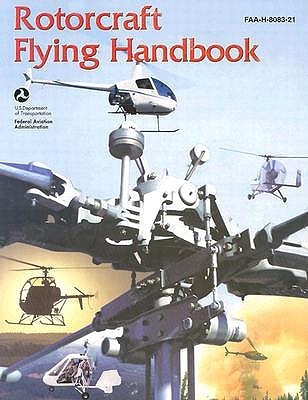
This series of textbooks and supplements for pilots, student pilots, aviation instructors, and aviation specialists provides information on every topic needed to qualify for and excel in the field of aviation. Most FAA Knowledge Exams’ questions are taken directly from the information presented in these texts.Written for applicants preparing for the private, commercial, or flight instructor certificate with a helicopter or gyroplane class rating, this guide covers both aeronautical knowledge and skill for operating rotorcraft vehicles. It is also a valuable tool for flight instructors as a teaching aid. This is the Basic Helicopter Handbook (Advisory Circular 61-13B) updated and renamed. This is FAA handbook FAA-H-8083-21.
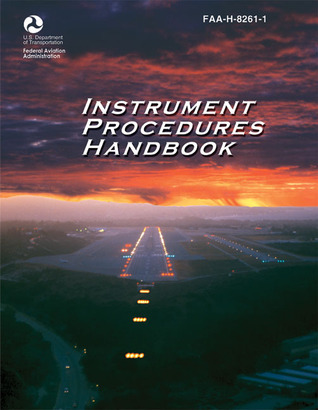
An excellent resource for instrument-rated pilots who want to learn how to maximize their skills in an "Instrument Flight Rules" (IFR) environment, this handbook contains up-to-date information on operations regulated by the National Airspace System. In-depth sections cover all phases of flight from takeoff to landing, including detailed coverage of instrument charts; takeoff, en route, approach, and landing procedures; human factors; land and hold short operations; and runway incursions. Intended primarily as a technical reference for professional pilots, the added glossary, index, full-color photos, and illustrations make this a valuable training aid for flight instructors, instrument pilots, and students.

This textbook presents the elements of applied aerodynamics and aeronautical engineering which relate directly to flight training and general flight operations. Originally published by the U.S. Navy.

This series of textbooks and supplements for pilots, student pilots, aviation instructors, and aviation specialists provides information on every topic needed to qualify for and excel in the field of aviation. Most FAA Knowledge Exams’ questions are taken directly from the information presented in these texts.

This book—prepared by the Federal Aviation Administration—is a resource without equal for glider pilots. Covering components and systems, flight instruments, performance limitations, preflight and ground operations, launch and recovery procedures, flight maneuvers, traffic patterns, soaring weather, radio navigation, and much more, it lays out in authoritative detail the science, mechanics, and regulations that every pilot needs to know. Plus, it contains a glossary of essential terms and crystal-clear color illustrations. No one should learn to fly, or fly a glider, without this information close at hand.

Private Pilot Airman Certification Standards - Airplane: FAA-S-ACS-6, for Airplane Single- and Multi-Engine Land and Sea
by Federal Aviation Administration
Rating: 4.7 ⭐
The Federal Aviation Administration (FAA) has published the Private Pilot - Airplane Airman Certification Standards (ACS) document to communicate the aeronautical knowledge, risk management, and flight proficiency standards for the private pilot certification in the airplane category, single-engine land and sea; and multiengine land and sea classes. This ACS incorporates and supersedes the previous Private Pilot Practical Test Standards for Airplane, FAA-S-8081-14. The FAA views the ACS as the foundation of its transition to a more integrated and systematic approach to airman certification. The ACS is part of the safety management system (SMS) framework that the FAA uses to mitigate risks associated with airman certification training and testing. Specifically, the ACS, associated guidance, and test question components of the airman certification system are constructed around the four functional components of an Safety Policy that defines and describes aeronautical knowledge, flight proficiency, and risk management as integrated components of the airman certification system; Safety Risk Management processes through which internal and external stakeholders identify and evaluate regulatory changes, safety recommendations and other factors that require modification of airman testing and training materials; Safety Assurance processes to ensure the prompt and appropriate incorporation of changes arising from new regulations and safety recommendations; and Safety Promotion in the form of ongoing engagement with both external stakeholders (e.g., the aviation training industry) and FAA policy divisions. The FAA has developed this ACS and its associated guidance in collaboration with a diverse group of aviation training experts. The goal is to drive a systematic approach to all components of the airman certification system, including knowledge test question development and conduct of the practical test. The FAA acknowledges and appreciates the many hours that these aviation experts have contributed toward this goal. This level of collaboration, a hallmark of a robust safety culture, strengthens and enhances aviation safety at every level of the airman certification system.

This publication is intended to serve as a guide for prospective student pilots and for those already engaged in flight training. This guide presents in “how to” fashion, general procedures for obtaining FAA student pilot, sport pilot, recreational pilot, and private pilot certificates.Unlike other higher-priced versions of this publication, this version was formatted specifically for use with the Kindle and the Kindle Reader for iPad, making this version easier to use and more useful to the reader.
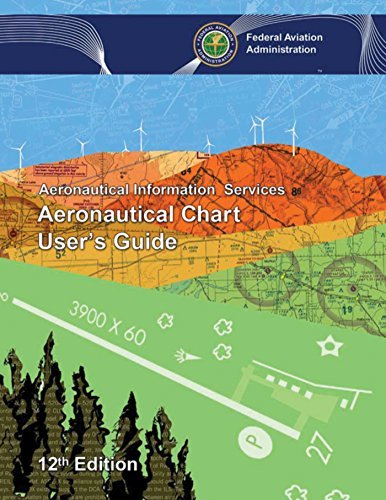
The updated 11th edition of the Aeronautical Chart User’s Guide by the FAA is a great reference for novice pilots and professionals alike. Printed in full color with detailed examples, this book provides all the information students and pilots need to know about all the symbols and information provided on US aeronautical charts and chart navigation publications. Readers will find information on VFR charts, aeronautical chart symbols, helicopter route charts, flyway planning charts, IFR enroute charts, explanation of IFR enroute terms and symbols, Terminal Procedure Publications (TPPs), explanation of TPP terms and symbols, airspace classifications, and an airspace class table.
Private Pilot for Airplane Single-Engine Land and Sea Practical Test Standards: #FAA-S-8081-14BS
by Federal Aviation Administration
Rating: 4.5 ⭐
Updated to the most recent practical test standards from the Federal Aviation Administration (FAA), this handbook for students, instructors, and designated examiners who take part in checkrides for private pilot certification for single-engine planes includes lists of subjects covered in the knowledge and skill requirements portions of the test. Topics include weather pattern recognition, physiological conditions, flight planning exercises, takeoff and landing techniques, checklist usage, flight controls, and crew resource management. The book provides background information and reference materials for license candidates to review, such as the proper altitude, airspeed, headings, and banks used for each particular maneuver. An introductory section details preparations for taking exams and basic instructions for giving an exam. Effective June 2012, the up-to-date guidelines and rules in this book reflect the changing standards of the FAA.

Aviation Maintenance Technician Handbook – General: FAA-H-8083-30A
by Federal Aviation Administration
Rating: 4.5 ⭐
The Aviation Maintenance Technician Handbook–General (FAA-H-8083-30A) was developed as one of a series of three handbooks for persons preparing for mechanic certification with airframe or powerplant ratings, or both. It is intended that this handbook will provide basic information on principles, fundamentals, and technical procedures in the subject matter areas common to both the airframe and powerplant ratings. Emphasis in this volume is on theory and methods of application. The handbook is designed to aid students enrolled in a formal course of instruction preparing for FAA certification as a maintenance technician as well as for current technicians who wish to improve their knowledge. This volume contains information on mathematics, aircraft drawings, weight and balance, aircraft materials, processes and tools, physics, electricity, inspection, ground operations, and FAA regulations governing the certification and work of maintenance technicians. New to this volume is a section addressing how successful aviation maintenance technicians incorporate knowledge and awareness of ethics, professionalism and human factors in the field. Because there are so many different types of airframes and powerplants in use today, it is reasonable to expect that differences exist in the components and systems of each. To avoid undue repetition, the practice of using representative systems and units is implemented throughout the handbook. Subject matter treatment is from a generalized point of view, and should be supplemented by reference to manufacturers’ manuals or other textbooks if more detail is desired. This handbook is not intended to replace, substitute for, or supersede official regulations or the manufacturers’ instructions. The companion handbooks to Aviation Maintenance Technician Handbook–General (FAA-H-8083-30A) are the Aviation Maintenance Technician Handbook–Airframe (FAA-H-8083-31 (as amended)), and the Aviation Maintenance Technician Handbook–Powerplant (FAA-H-8083-32 (as amended)).

Used extensively as a reference source for all FAA Knowledge Exams, this guide provides essential information for pilots, flight engineers, and aviation maintenance technicians. It includes a comprehensive glossary of aviation terms. This handbook is the FAA-H-8083-1, which replaces the AC91-23A handbook.

Aircraft Inspection, Repair & Alterations: Acceptable Methods, Techniques & Practices (FAA AC 43.13-1B and 43.13-2B)
by Federal Aviation Administration
Rating: 4.1 ⭐
This title's pub date will be changed to Jan.2013 via a database correction form after the submission is accepted and the ISBN is in the system.This handbook for Aviation Maintenance Technicians (AMTs), repair stations, aircraft owners and homebuilders details the standards for acceptable methods, techniques, and practices for the inspection, repair, and alteration of aircraft. It is a combination of the two most important Advisory Circulars (ACs) written by the Federal Aviation Administration (FAA) on this topic—namely, "Acceptable Methods, Techniques, and Practices: Aircraft Inspection and Repair" (AC 43.13-1B) and "Acceptable Methods, Techniques and Practices: Aircraft Alterations" (AC 43.13-2B) -- printed and bound into one volume and called the "AC 43.13-1B/2B."AC 43.13-1B provides details on the materials and practices, health and safety, inspection, repair, and finishes for wood structures, fabric covering, fiberglass and plastics, and metal structures, welding and brazing. It includes chapters dedicated to nondestructive inspection (NDI), corrosion, inspection and protection, aircraft hardware, control cables and turnbuckles, engines, fuel, exhaust, propellers, aircraft systems and components, weight and balance, electrical systems, avionics, and human factors.AC 43.13-2B is a manual filled with details and instructions for the installation of aircraft components and systems, such as communications, navigation, and emergency systems, anticollision and supplementary lights, skis, oxygen systems in nonpressurized aircraft, rotorcraft external-load devices, cargo slings and external racks, glider and banner tow-hitches, aircraft batteries and more, including guidance on adding or relocating instruments.These combined manuals provide this pertinent information where no manufacturer repair or maintenance instructions exist. The details and standards for methods and practices covered are applicable to non-pressurized civil aircraft with a gross weight of 12,500 pounds or less. Illustrated throughout; includes a glossary, and a list of useful acronyms and abbreviations.

This Balloon Flying Handbook introduces the basic pilot knowledge and skills that are essential for piloting balloons. It introduces pilots to the broad spectrum of knowledge that will be needed as they progress in their pilot training. This handbook is for student pilots, as well as those pursuing more advanced pilot certificates. Student pilots learning to fly balloons, certificated pilots preparing for additional balloon ratings or who desire to improve their flying proficiency and aeronautical knowledge, and commercial balloon pilots teaching balloon students how to fly should find this handbook helpful. This book introduces the prospective pilot to the realm of balloon flight and provides information and guidance to all balloon pilots in the performance of various balloon maneuvers and procedures. Table of Chapter 1, Introduction to Balloon Flight Training; Chapter 2, Hot Air Balloon Design, Systems, and Theory; Chapter 3, Preflight Planning; Chapter 4, Weather Theory and Reports; Chapter 5, The National Airspace System; Chapter 6, Layout to Launch; Chapter 7, In-flight Maneuvers; Chapter 8, Landing and Recovery; Chapter 9, Aeromedical Factors; Chapter 10, The Instructional Process; Chapter 11, The Gas Balloon; Appendix, Vapor Pressures of LP Gases, Pibal Plotting Grid, Balloon Flight Checklists, Pibal Velocity Versus Size, Log Book Endorsement Formats, Lift Table for Helium and Hydrogen Standard Temperatures and Pressures; Glossary and Index.
Pilot's Encyclopedia of Aeronautical Knowledge: Federal Aviation Administration
by Federal Aviation Administration
Rating: 4.2 ⭐
This handbook, created by the Federal Aviation Administration, is the official reference manual for pilots at all levels. It deals with all aspects of aeronautical information: aircraft structure, principles of aerodynamics, flight controls, aircraft systems, and flight instruments. Flight manuals and documentation are also covered, as is specialized information on such matters as weight and balance, aircraft performance, weather, navigation, airport operations, aeromedical factors, and decision-making while flying. Filled with hundreds of concise, colorful illustrations, charts, diagrams, and maps, this is an essential resource and tool for all students, experienced pilots, and aeronautics buffs.

Remote Pilot - Small Unmanned Aircraft Systems Study Guide
by Federal Aviation Administration
Rating: 3.0 ⭐
The information in this study guide was arranged according to the knowledge areas that are covered on the airman knowledge test for a Remote Pilot Certificate with a Small Unmanned Aircraft Systems Rating as required by Title 14 of the Code of Federal Regulations (14 CFR) part 107, section 107.73(a).The knowledge areas are as Applicable regulations relating to small unmanned aircraft system rating privileges, limitations, and flight operation;Airspace classification, operating requirements, and flight restrictions affecting small 2.unmanned aircraft operation;Aviation weather sources and effects of weather on small unmanned aircraft performance; 3.Small unmanned aircraft loading;Emergency procedures;Crew resource management;Radio communication procedures;Determining the performance of small unmanned aircraft;Physiological effects of drugs and alcohol;Aeronautical decision-making and judgment;Airport operations;Maintenance and preflight inspection procedures.

FAR/AMT 2012: Federal Aviation Regulations for Aviation Maintenance Technicians
by Federal Aviation Administration
Rating: 3.0 ⭐
As the most accurate and reliable regulatory reference on the market for aviation maintenance technicians (AMTs), this volume of the Federal Aviation Regulations (FAR) and relevant advisory circulars clearly marks all changes from the previous year. Additional AMT references from the FAA Advisory Circular publication makes this the most comprehensive regulations book available for aviation technician and repair centers. All data is indexed by subject matter and features the regulations from the original government text. Reformatted for better legibility, this edition offers access to a free e-mail and downloads service that posts FAR updates throughout the year.

Instrument Flying Handbook (FAA-H-8083-15B) With April 2015 Update
by Federal Aviation Administration
Rating: 4.4 ⭐
This Instrument Flying Handbook is designed for use by instrument flight instructors and pilots preparing for instrument rating tests. Instructors may find this handbook a valuable training aid as it includes basic reference material for knowledge testing and instrument flight training. Other Federal Aviation Administration (FAA) publications should be consulted for more detailed information on related topics. This handbook conforms to pilot training and certification concepts established by the FAA. There are different ways of teaching, as well as performing, flight procedures and maneuvers and many variations in the explanations of aerodynamic theories and principles. This handbook adopts selected methods and concepts for instrument flying. The discussion and explanations reflect the most commonly used practices and principles. Occasionally the word “must” or similar language is used where the desired action is deemed critical. The use of such language is not intended to add to, interpret, or relieve a duty imposed by Title 14 of the Code of Federal Regulations (14 CFR). All of the aeronautical knowledge and skills required to operate in instrument meteorological conditions (IMC) are detailed. Chapters are dedicated to human and aerodynamic factors affecting instrument flight, the flight instruments, attitude instrument flying for airplanes, basic flight maneuvers used in IMC, attitude instrument flying for helicopters, navigation systems, the National Airspace System (NAS), the air traffic control (ATC) system, instrument flight rules (IFR) flight procedures, and IFR emergencies. Clearance shorthand and an integrated instrument lesson guide are also included. This handbook supersedes FAA-H-8081-15A, Instrument Flying Handbook, dated 2007.

Aviation Maintenance Technician Handbook-Airframe, Volume 1
by Federal Aviation Administration
Rating: 4.5 ⭐
The Aviation Maintenance Technician Handbook—Airframe (FAA-H-8083-31) is one of a series of three handbooks for persons preparing for certification as an airframe or powerplant mechanic. It is intended that this handbook provide the basic information on principles, fundamentals, and technical procedures in the subject matter areas relating to the airframe rating. It is designed to aid students enrolled in a formal course of instruction, as well as the individual who is studying on his or her own.This book includes the following topics:Chapter 1 Aircraft StructuresChapter 2 Aerodynamics, Aircraft Assembly, and RiggingChapter 3 Aircraft Fabric CoveringChapter 4 Aircraft Metal Structural RepairChapter 5 Aircraft WeldingChapter 6 Aircraft Wood and Structural RepairChapter 7 Advanced Composite MaterialsChapter 8 Aircraft Painting and FinishingChapter 9 Aircraft Electrical System

Aviation Maintenance Technician Handbook - Powerplant, Vols. 1 and 2
by Federal Aviation Administration
Rating: 4.0 ⭐
This new FAA AMT Handbook—Powerplant (Volume 1 and 2) replaces and supersedes Advisory Circular (AC) 65-12A. Completely revised and updated, this handbook reflects current operating procedures, regulations, and equipment.This book was developed as part of a series of handbooks for persons preparing for mechanic certification with airframe or powerplant ratings, or both — those seeking an Aviation Maintenance Technician (AMT) Certificate, also called an A&P license. An effective text for both students and instructors, this handbook will also serve as an invaluable reference guide for current technicians who wish to improve their knowledge.Powerplant Volume 1: Aircraft Engines, Engine Fuel and Fuel Metering Systems, Induction and Exhaust Systems, Engine Ignition and Electrical Systems, Engine Starting SystemsPowerplant Volume 2: Lubrication and Cooling Systems, Propellers, Engine Removal and Replacement, Engine Fire Protection Systems, Engine Maintenance and Operation, Light-Sport Aircraft EnginesIncludes colored charts, tables, full-color illustrations and photographs throughout, and an extensive glossary and index.

Aviation Maintenance Technician Handbook-Airframe, Volume 2
by Federal Aviation Administration
Rating: 5.0 ⭐
The Aviation Maintenance Technician Handbook–Airframe (FAA-H-8083-31) is one of a series of three handbooks for persons preparing for certification as an airframe or powerplant mechanic. It is intended that this handbook provide the basic information on principles, fundamentals, and technical procedures in the subject matter areas relating to the airframe rating. It is designed to aid students enrolled in a formal course of instruction, as well as the individual who is studying on his or her own.This book includes the following topics:Chapter 10 Aircraft Instrument SystemsChapter 11 Communication and NavigationChapter 12 Hydraulic and Pneumatic Power SystemsChapter 13 Aircraft Landing Gear SystemsChapter 14 Aircraft Fuel SystemChapter 15 Ice and Rain ProtectionChapter 16 Cabin Environmental Control SystemsChapter 17 Fire Protection Systems

Private Pilot Test Prep 2008: Study and Prepare for the Recreational and Private Airplane, Helicopter, Gyroplane, Glider, Balloon, Airship, Powered ... FAA Knowledge Tests
by Federal Aviation Administration
Rating: 3.8 ⭐
Applicants studying for the Private Pilot Knowledge Exam will find answers and explanations for every question in the Federal Aviation Administration (FAA) exam database in this guide. All of the more than 900 questions from the exam are arranged by subject category and are accompanied by specific study material. Each question is followed by the answer, an explanation, and a reference and subject code for further study in FAA materials. Basic aerodynamics, engine operation, flight instruments, performance, radio navigation, and meteorology are among the subjects covered.

The Airframe Handbook is the basis for the part 147 written test. Written in 1972 and updated in 1976, the "15A" is lacking only in modern systems and electronics.

Instrument Rating Airman Certification Standards - Airplane: FAA-S-ACS-8B, for Airplane Single- and Multi-Engine Land and Sea
by Federal Aviation Administration
Rating: 3.8 ⭐
The Airman Certification Standard (ACS) is the guide for aviation students, instructors, and FAA-designated examiners to know what pilot and industry license applicants must know, do, and consider for their FAA Knowledge Exam and practical (checkride), in order to earn a certificate or rating. This is the revised edition (FAA-S-ACS-8B) of the ACS (effective June 11, 2018), which replaced the previous FAA Practical Test Standards (PTS) in the last couple of years. It adds task-specific knowledge and risk management elements to each PTS "Area of Operation" and "Task." The result is a presentation that integrates the standards for passing both the FAA Knowledge Exams and the FAA Oral and Practical Exams in a way that coordinates the study and learning for both, making them relevant to each other. This Federal Aviation Administration (FAA) Instrument Rating—Airplane ACS provides the aeronautical knowledge, risk management, and flight proficiency standards for private pilot certification in the airplane category, single-engine land and sea, as well as multi-engine land and sea classes (ASEL, ASES, AMEL, AMES). This ACS incorporates and supersedes the previous ACS (FAA-S-ACS-8A).
Instrument Rating Practical Test Standards for Airplane, Helicopter and Powered Lift
by Federal Aviation Administration
Rating: 4.0 ⭐
Aviation Supplies & Academics, Inc. has been the industry’s trusted source for official FAA publications for over 80 years. Look for the ASA wings to ensure you’re purchasing the latest authentic FAA release. FAA-S-8081-4E is current in 2023. Use these test standards for Instrument Rating for Helicopter and Powered Lift. Instrument Rating for Airplane applicants should use the newer Airman Certification Standards (FAA-S-ACS-8B). ASA reprints the most current FAA Practical Test Standards (PTS) in this series of handy cockpit-sized guides. The PTS guide students, instructors, and FAA-designated examiners through checkrides. Written by the FAA, these books list the knowledge and experience prerequisites, the levels of skill that must be demonstrated before an examiner can issue a certificate or rating to an applicant, and describe background study and reference materials.