
Edward W. Said
(Arabic Profile إدوارد سعيد) Edward Wadie Said was a professor of literature at Columbia University, a public intellectual, and a founder of the academic field of postcolonial studies. A Palestinian American born in Mandatory Palestine, he was a citizen of the United States by way of his father, a U.S. Army veteran. Educated in the Western canon, at British and American schools, Said applied his education and bi-cultural perspective to illuminating the gaps of cultural and political understanding between the Western world and the Eastern world, especially about the Israeli-Palestinian conflict in the Middle East; his principal influences were Antonio Gramsci, Frantz Fanon, Aimé Césaire, Michel Foucault, and Theodor Adorno. As a cultural critic, Said is known for the book Orientalism (1978), a critique of the cultural representations that are the bases of Orientalism—how the Western world perceives the Orient. Said’s model of textual analysis transformed the academic discourse of researchers in literary theory, literary criticism, and Middle-Eastern studies—how academics examine, describe, and define the cultures being studied. As a foundational text, Orientalism was controversial among the scholars of Oriental Studies, philosophy, and literature. As a public intellectual, Said was a controversial member of the Palestinian National Council, because he publicly criticized Israel and the Arab countries, especially the political and cultural policies of Muslim régimes who acted against the national interests of their peoples. Said advocated the establishment of a Palestinian state to ensure equal political and human rights for the Palestinians in Israel, including the right of return to the homeland. He defined his oppositional relation with the status quo as the remit of the public intellectual who has “to sift, to judge, to criticize, to choose, so that choice and agency return to the individual” man and woman. In 1999, with his friend Daniel Barenboim, Said co-founded the West–Eastern Divan Orchestra, based in Seville, which comprises young Israeli, Palestinian, and Arab musicians. Besides being an academic, Said also was an accomplished pianist, and, with Barenboim, co-authored the book Parallels and Paradoxes: Explorations in Music and Society (2002), a compilation of their conversations about music. Edward Said died of leukemia on 25 September 2003.
29 Books Written

More than three decades after its first publication, Edward Said's groundbreaking critique of the West's historical, cultural, and political perceptions of the East has become a modern classic.In this wide-ranging, intellectually vigorous study, Said traces the origins of "orientalism" to the centuries-long period during which Europe dominated the Middle and Near East and, from its position of power, defined "the orient" simply as "other than" the occident. This entrenched view continues to dominate western ideas and, because it does not allow the East to represent itself, prevents true understanding. Essential, and still eye-opening, Orientalism remains one of the most important books written about our divided world.

Covering Islam: How the Media and the Experts Determine How We See the Rest of the World
by Edward W. Said
Rating: 4.1 ⭐
• 2 recommendations ❤️
In this classic work, now updated, the author of Culture and Imperialism reveals the hidden agendas and distortions of fact that underlie even the most "objective" coverage of the Islamic world.From the Iranian hostage crisis through the Gulf War and the bombing of the World Trade Center, the American news media have portrayed "Islam" as a monolithic entity, synonymous with terrorism and religious hysteria. At the same time, Islamic countries use "Islam" to justify unrepresentative and often repressive regimes. Combining political commentary with literary criticism, Covering Islam continues Edward Said's lifelong investigation of the ways in which language not only describes but also defines political reality.

Peace and Its Discontents: Essays on Palestine in the Middle East Peace Process
by Edward W. Said
Rating: 4.3 ⭐
• 2 recommendations ❤️
Ever since Yasir Arafat and Yitzhak Rabin shook hands on the White House lawn, Israel and the Palestinian people have been engaged in what commentators persist in calling "the peace process." Yet Israel remains racked by violence and continuing land seizures, and Palestinians are more demoralized than ever before. Now in this probing and impassioned book, one of our foremost Palestinian-American intellectuals explains why the much-vaunted process has yet to produce peace--and is unlikely to as presently constituted.Whether Edward Said is addressing the fatal flaws in the PLO's bargain, denouncing fundamentalists on both sides of the religious divide, or calling our attention to the distortions in official coverage of the Arab world, he offers insights beyond the conventional wisdom and a sympathy that extends to bot Israelis and Palestinians. He does so with an incisiveness, clarity, and fairness that make Peace and Its Discontents essential reading for anyonve who cares about the future of the Middle East.

A landmark work from the intellectually auspicious author of Orientalism that explores the long-overlooked connections between the Western imperial endeavor and the culture that both reflected and reinforced it. Culture and Imperialism, by Edward Said, is a collection of thematically related essays that trace the connection between imperialism and culture throughout the 18th, 19th, and 20th centuries.

Born in Jerusalem in 1935, Edward Said spent much of his youth in Cairo and Lebanon. Out of Place is an act of emotional archaeology of that time, bringing to life people and places many of which no longer exist. In this unstintingly candid memoir - dominated by his ferociously demanding 'Victorian' father and his adored, inspiring yet ambivalent mother - Said traces his growing sense of himself as an outsider: Arab but Christian, Palestinian but the holder of a US Passport, having an improbably British first name yoked to an Arabic surname.

This original and deeply provocative book was the first to make Palestine the subject of a serious debate—one that remains as critical as ever. With the rigorous scholarship he brought to his influential Orientalism and an exile's passion (he is Palestinian by birth and has been a member of the Palestine National Council), Edward W. Said traces the fatal collision between two peoples in the Middle East and its repercussions in the lives of both the occupier and the occupied—as well as in the conscience of the West. He has now updated this landmark work to portray the changed status of Palestine and its people in light of such developments as the Israeli invasion of Lebanon, the intifada, the Gulf War, and the ongoing Middle East peace initiative.For anyone interested in this region and its future, The Question of Palestine remains the most useful and authoritative account available.
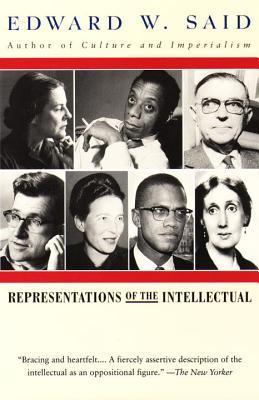
Celebrated humanist, teacher, and scholar, Edward W. Said here examines the ever-changing role of the intellectual today. In these six stunning essays - delivered on the BBC as the prestigious Reith Lectures - Said addresses the ways in which the intellectual can best serve society in the light of a heavily compromised media and of special interest groups who are protected at the cost of larger community concerns. Said suggests a recasting of the intellectual's vision to resist the lures of power, money, and specialization. in these powerful pieces, Said eloquently illustrates his arguments by drawing on such writers as Antonio Gramsci, Jean-Paul Sartre, Regis Debray, Julien Benda, and Adorno, and by discussing current events and celebrated figures in the world of science and politics: Robert Oppenheimer, Henry Kissinger, Dan Quayle, Vietnam, and the Gulf War. Said sees the modern intellectual as an editor, journalist, academic, or political adviser - in other words, a highly specialized professional - who has moved from a position of independence to an alliance with powerful institutional organizations. He concludes that it is the exile-immigrant, the expatriate, and the amateur who must uphold the traditional role of the intellectual as the voice of integrity and courage, able to speak out against those in power.BBC episodes presented by Edward Said: http://www.bbc.co.uk/programmes/p00gm...

Libro usado en buenas condiciones, por su antiguedad podria contener señales normales de uso
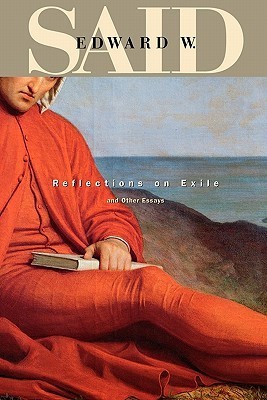
With their powerful blend of political and aesthetic concerns, Edward W. Said's writings have transformed the field of literary studies. This long-awaited collection of literary and cultural essays, the first since Harvard University Press published The World, the Text, and the Critic in 1983, reconfirms what no one can doubt--that Said is the most impressive, consequential, and elegant critic of our time--and offers further evidence of how much the fully engaged critical mind can contribute to the reservoir of value, thought, and action essential to our lives and our culture.As in the title essay, the widely admired "Reflections on Exile," the fact of his own exile and the fate of the Palestinians have given both form and the force of intimacy to the questions Said has pursued. Taken together, these essays--from the famous to those that will surprise even Said's most assiduous followers--afford rare insight into the formation of a critic and the development of an intellectual vocation. Said's topics are many and diverse, from the movie heroics of Tarzan to the machismo of Ernest Hemingway to the shades of difference that divide Alexandria and Cairo. He offers major reconsiderations of writers and artists such as George Orwell, Giambattista Vico, Georg Lukacs, R. P. Blackmur, E. M. Cioran, Naguib Mahfouz, Herman Melville, Joseph Conrad, Walter Lippman, Samuel Huntington, Antonio Gramsci, and Raymond Williams. Invigorating, edifying, acutely attentive to the vying pressures of personal and historical experience, his book is a source of immeasurable intellectual delight.

Using an impressive array of material from literature, archaeology and social theory, Edward Said explores the profound implications of Freud’s Moses and Monotheism for Middle-East politics today. The resulting book reveals Said’s abiding interest in Freud’s work and its important influence on his own.He proposes that Freud’s assumption that Moses was an Egyptian undermines any simple ascription of a pure identity, and further that identity itself cannot be thought or worked through without the recognition of the limits inherent in it. Said suggests that such an unresolved, nuanced sense of identity might, if embodied in political reality, have formed, or might still form, the basis for a new understanding between Jews and Palestinians. Instead, Israel’s relentless march towards an exclusively Jewish state denies any sense of a more complex, inclusive past.

In his latest book of interviews, Edward W. Said discusses the centrality of popular resistance to his understanding of culture, history, and social change. He reveals his latest thoughts on the war on terrorism, the war in Afghanistan, and the Israeli-Palestinian conflict, and lays out a compelling vision for a secular, democratic future in the Middle East—and globally. Edward W. Said, a renowned cultural and literary critic, was born in Jerusalem, Palestine, and was educated there, in Egypt, and in the United States. His books include Orientalism, The Question of Palestine, Covering Islam, Culture and Imperialism , and The Politics of Dispossession. He has also published a memoir, Out of Place. Mr. Said is University Professor of English and Comparative Lit-erature at Columbia University. In October 2001, he received the $200,000 Lannan Literary Award for Lifetime Achievement. David Barsamian’s interview books feature conversations with luminaries such as Noam Chomsky, Howard Zinn, and Edward W. Said. A regular contributor to The Progressive and Z Magazine, Barsamian’s most recent interview books include Propaganda and the Public Mind and Eqbal Confronting Empire, available from South End Press. He is also the author of The Decline and Fall of Public Broadcasting. Barsamian is the producer of the critically acclaimed program Alternative Radio.

In this fascinating book, Edward Said looks at the creative contradictions that often mark the late works of literary and musical artists. Said shows how the approaching death of an artist can make its way into his work, examining essays, poems, novels, films, and operas by such artists as Beethoven, Genet, Mozart, Lampedusa, Euripides, Cavafy, and Mann, among others. He uncovers the conflicts and complexity that often distinguish artistic lateness, resulting in works that stood in direct contrast to what was popular at the time and were forerunners of what was to come in each artist's discipline–works of true genius. Eloquent and impassioned, brilliantly reasoned and revelatory, On Late Style is Edward Said's own great last work.

Edward Said, the renowned literary and cultural critic and passionately engaged intellectual, is one of our era's most formidable, provocative, and important thinkers. For more than three decades his books, which include Culture and Imperialism, Peace and Its Discontents, and the seminal study Orientalism, have influenced not only our worldview but the very terms of public discourse.The Edward Said Reader includes key sections from all of Said's books, from the groundbreaking 1966 study of Joseph Conrad to his new memoir, Out of Place. Whether he is writing of Zionism or Palestinian self-determination, Jane Austen or Yeats, music or the media, Said's uncompromising intelligence casts urgent light on every subject he undertakes. The Edward Said Reader will prove a joy to the general reader and an indispensable resource for scholars of politics, history, literature, and cultural studies: in short, of all those fields that his work has influenced and, in some cases, transformed.

حوار مع دافيد بارساميان اجراه مع ادوار سعيدهو سلسلة حوارات مع إدوارد سعيد تلقي ضوءاً على تفكيره، لا بمعنى المثقف الوطني الذي يتابع الشأن الفلسطيني عن قرب شديد، بل بمعنى الفكر الواضح النزيه الذي يضع يده على النقاط الجوهرية التي عولجت بشكلٍ خاطئ، حاصر أفق فلسطين والشعب الفلسطيني. ولذلك، يعتبر هذا الكتاب مرآة واسعة لوحدة الأخلاق والمعرفة لدى المفكر الفلسطيني الكبير، ومرآة أيضاً لقدرة الفكر على قراءة المستقبل اعتماداً على معطيات الحاضر

In the radically changed and highly charged political atmosphere that has overtaken the United States--and to varying degrees the rest of the world--since September 11, 2001, the notion that cultures can harmoniously and productively coexist has come to seem like little more than a quaint fiction. In this time of heightened animosity and aggression, have humanistic values and democratic principles become irrelevant? Are they merely utopian fantasies? Or are they now more urgent and necessary than ever before?Ever since the ascendancy of critical theory and multicultural studies in the 1960s and 1970s, traditional humanistic education has been under assault. Often condemned as the intolerant voice of the masculine establishment and regularly associated with Eurocentrism and even imperialism, the once-sacred literary canon is now more likely to be ridiculed than revered. While this seismic shift--brought on by advances in technological communication, intellectual specialization, and cultural sensitivity--has eroded the former primacy of the humanities, Edward Said argues that a more democratic form of humanism--one that aims to incorporate, emancipate, and enlighten--is still possible. A lifelong humanist, Said believed that self-knowledge is the highest form of human achievement and the true goal of humanistic education. But he also believed that self-knowledge is unattainable without an equal degree of self-criticism, or the awareness that comes from studying and experiencing other peoples, traditions, and ideas.Proposing a return to philology and a more expansive literary canon as strategies for revitalizing the humanities, Said contends that words are not merely passive figures but vital agents in historical and political change. Intellectuals must reclaim an active role in public life, but at the same time, insularity and parochialism, as well as the academic trend toward needless jargon and obscurantism, must be combated. The "humanities crisis," according to Said, is based on the misperception that there is an inexorable conflict between established traditions and our increasingly complex and diversified world. Yet this position fails to recognize that the canonized thinkers of today were the revolutionaries of yesterday and that the nature of human progress is to question, upset, and reform. By considering the emerging social responsibilities of writers and intellectuals in an ever more interdependent world and exploring the enduring influence of Eric Auerbach's critical masterpiece, Mimesis, Said not only makes a persuasive case for humanistic education but provides his own captivating and deeply personal perspective on our shared intellectual heritage.

A searing portrait of Palestinian life and identity that is at once an exploration of Edward Said's unclaimable past and a testimony to the lives of those living in exile.

Soon after the Oslo accords were signed in September 1993 by Israel and Palestinian Liberation Organization, Edward Said predicted that they could not lead to real peace. In these essays, most written for Arab and European newspapers, Said uncovers the political mechanism that advertises reconciliation in the Middle East while keeping peace out of the picture. Said argues that the imbalance in power that forces Palestinians and Arab states to accept the concessions of the United States and Israel prohibits real negotiations and promotes the second-class treatment of Palestinians. He documents what has really gone on in the occupied territories since the signing. He reports worsening conditions for the Palestinians critiques Yasir Arafat's self-interested and oppressive leadership, denounces Israel's refusal to recognize Palestine's past, and—in essays new to this edition—addresses the resulting unrest. In this unflinching cry for civic justice and self-determination, Said promotes not a political agenda but a transcendent the peaceful coexistence of Arabs and Jews enjoying equal rights and shared citizenship.

This extraordinarily wide-ranging work represents a new departure for contemporary literary theory. Author of Beginnings and the controversial Orientalism , Edward Said demonstrates that modern critical discourse has been impressively strengthened by the writings of Jacques Derrida and Michel Foucault, for example, and by such influences as Marxism, structuralism, linguistics, and psychoanalysis. He argues, however, that the various methods and schools have had a crippling effect through their tendency to force works of literature to meet the requirements of a theory or system, ignoring the complex affiliations binding the texts to the world. The critic must maintain a distance both from critical systems and from the dogmas and orthodoxies of the dominant culture, Said contends. He advocates freedom of consciousness and responsiveness to history, to the exigencies of the text, to political, social, and human values, to the heterogeneity of human experience. These characteristics are brilliantly exemplified in his own analyses of individual authors and works. Combining the principles and practice of criticism, the book offers illuminating investigations of a number of writersSwift, Conrad, Lukacs, Renan, and many others-and of concepts such as repetition, originality, worldliness, and the roles of audiences, authors, and speakers. It asks daring questions, investigates problems of urgent significance, and gives a subtle yet powerful new meaning to the enterprise of criticism in modern society.

The Politics of Dispossession: The Struggle for Palestinian Self-Determination, 1969-1994
by Edward W. Said
Rating: 4.2 ⭐
Ever since the appearance of his groundbreaking The Question of Palestine, Edward Said has been America's most outspoken advocate for Palestinian self-determination. As these collected essays amply prove, he is also our most intelligent and bracingly heretical writer on affairs involving not only Palestinians but also the Arab and Muslim worlds and their tortuous relations with the West.In The Politics of Dispossession Said traces his people's struggle for statehood through twenty-five years of exile, from the PLO's bloody 1970 exile from Jordan through the debacle of the Gulf War and the ambiguous 1994 peace accord with Israel. As frank as he is about his personal involvement in that struggle, Said is equally unsparing in his demolition of Arab icons and American shibboleths. Stylish, impassioned, and informed by a magisterial knowledge of history and literature, The Politics of Dispossession is a masterly synthesis of scholarship and polemic that has the power to redefine the debate over the Middle East.
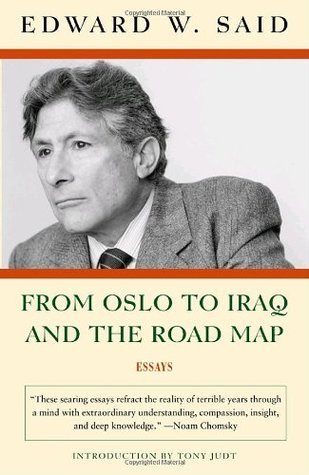
In his final book, completed just before his death, Edward W. Said offers impassioned pleas for the beleaguered Palestinian cause from one of its most eloquent spokesmen. These essays, which originally appeared in Cairo’s Al-Ahram Weekly , London’s Al-Hayat , and the London Review of Books , take us from the Oslo Accords through the U.S. led invasion of Iraq, and present information and perspectives too rarely visible in America.Said is unyielding in his call for truth and justice. He insists on truth about Israel's role as occupier and its treatment of the Palestinians. He pleads for new avenues of communication between progressive elements in Israel and Palestine. And he is equally forceful in his condemnation of Arab failures and the need for real leadership in the Arab world.

(المصدر: جريدة "الدستور" الأردنية، 24 أغسطس 2011) "خيانة المثقفين".. النصوص الأخيرة للمفكر الراحل إدوارد سعيد دمشق ـ الدستور ـ أوس داوود يعقوب صدر، حديثاً، في دمشق، عن دار نينوى للدراسات والنشر، كتاب "خيانة المثقفين ـ النصوص الأخيرة"، يضم نصوصاً غير معروفة، كتبها المفكر والأكاديمي الفلسطيني إدوارد سعيد (1935 ـ 2003م)، في السنوات الأخيرة من حياته، وفيها يناقش دور المثقف في مواجهة الإستبداد والقمع والإنحلال الفكري العربي. وفي هذا الكتاب، الذي قام بترجمته أسعد الحسين، تم رصد المفاهيم الأساسية لكتابات سعيد من أجل اكتشافه من جديد وتحديد الأساسيات التي اشتغل عليها، من أجل إبرازها وتحديد مكانتها فكرياً وفلسفياً وثقافياً. هذه النصوص التي كتبها سعيد في سنواته الأخيرة، تثير الكثير من الأسئلة العميقة حول العلاقة الملتبسة بين المثقف ومحيطه، وأثر التحولات العالمية في إقصاء دور النخب، على يد الأنظمة المستبدة. من تلك النصوص، التي احتواها الكتاب، مقالٌ نشر عام 2001 بعنوان صدام الجهل ، يصف فيه سعيد الواقع العربي، معتبراً أنه انحدر إلى القاع في كل المجالات المميزة. وفي الوقت الذي تسير فيه بقية دول العالم نحو الخيار الديموقراطي، يذهب العالم العربي نحو درجات أعظم من الحكم الاستبدادي، والأوتوقراطية، وأنظمة المافيات. وإذا بالفاشية تتجذر، بشكل أصبح أي تحدٍّ لها مساوياً للشيطاني. يضيف صاحب "صور المثقف": "ليس عبثاً أن يتحوّل عدد كبير من الناس إلى شكل متطرف من الدين، نتيجة اليأس وغياب الأمل، وبطش الدولة الأمنية" . ويخلص إلى أن قانون الطوارئ الذي اخترعته الدول الأمنية بعد الاستقلال، أبطل الحقوق الديموقراطية، ما أدّى إلى انهيار الوضع الشرعي للفرد، وتلاشي حقه الأساسي في المواطنة، وحقه في العيش الحرّ، بعيداً عن أي تهديد شخصي من الدولة. هذا الخزي الذي يعيشه العالم العربي، نتيجة الانتهاكات المرعبة للسلطة، وصمت المثقفين، نتيجة الخوف من مصيرٍ غامض ، ينبغي مواجهته، وفق سعيد. ولن تكون هذه المواجهة، إلا عن طريق قوة الاحتجاج. ويروي سعيد في تلك النصوص أيضاً قصة ذات مغزى. فقد تلقى دعوة من مدير معهد ومتحف فرويد في فيينا، لإلقاء محاضرة فرويد السنوية باسم هيئة المعهد. لكنّه فوجئ ـ بعد أشهر ـ برسالة أخرى، تخبره بإلغاء محاضرته، بسبب الأوضاع السياسية في منطقة الشرق الأوسط. ليكتشف ـ كما يقول ـ بأن الأمر يتعلق بصورة له، نشرتها صحيفة نيويورك تايمز بنسخة مكبّرة وخيالية، وهو يرمي الحجارة على الشريط الحدودي بين جنوب لبنان وشمال فلسطين المحتلة. في المقابل، هناك حادثة أخرى تعود إلى السبعينيات، تتعلق هذه المرّة بتقديس كارل ماركس في الجامعات البولندية. حينها نبهه زميل في الجامعة بألا يكتب عن ماركس بطريقة نقدية. فقد فرضت الحكومة حظراً صارماً على الانحراف عن الخط الشيوعي . ويشير سعيد إلى حوادث أخرى، تتعلق بانتهاك حرية التعبير، كشكل نقيٍّ للهمجيّة الفكرية، من أميركا إلى العالم العربي، تحت بند حذف كل ما هو لا أخلاقي . ويتمّ ذلك بالضغط من وراء الستارة، والتهديد، والتخويف، للإذعان لرقابة مكارثيّة. ويعتبر(سعيد) أنَّ التحريم الأخلاقي، هراء مطلق، وفاشية مقنّعة، وتعتيميّة على التداول الراهن للأفكار المقبولة . ولاشك أن الهوة التي اكتشفها المفكر الراحل بين الجوانب الحقيقية والمعطيات التي تناولها المستشرقون جعلت مهمته أكبر، من هنا تصدى باكراً للهجمات التي بدأت بعد نهاية الحرب العالمية الثانية للنيل من العروبة والإسلام والعرب، محاولاً عدم التفريق بين الحضارة العربية والإسلامية وجعلهما واحداً في إطارهما الزمني والمكاني والقيمي. واستثمار هذا الصراع الذي بدأ مع الإمبراطورية البيزنطية مروراً بالأندلس والحروب الصليبية وحتى الاستعمار الغربي الحديث وآخره غزو العراق وأفغانستان.

"Music at the Limits" is the first book to bring together three decades of Edward W. Said's essays and articles on music. Addressing the work of a variety of composers, musicians, and performers, Said carefully draws out music's social, political, and cultural contexts and, as a classically trained pianist, provides rich and often surprising assessments of classical music and opera."Music at the Limits" offers both a fresh perspective on canonical pieces and a celebration of neglected works by contemporary composers. Said faults the Metropolitan Opera in New York for being too conservative and laments the way in which opera superstars like Pavarotti have "reduced opera performance to a minimum of intelligence and a maximum of overproduced noise." He also reflects on the censorship of Wagner in Israel; the worrisome trend of proliferating music festivals; an opera based on the life of Malcolm X; the relationship between music and feminism; the pianist Glenn Gould; and the works of Mozart, Bach, Richard Strauss, and others.Said wrote his incisive critiques as both an insider and an authority. He saw music as a reflection of his ideas on literature and history and paid close attention to its composition and creative possibilities. Eloquent and surprising, "Music at the Limits" preserves an important dimension of Said's brilliant intellectual work and cements his reputation as one of the most influential and groundbreaking scholars of the twentieth century.

A "beginning," especially as embodied in much modern thought, is its own method, Edward Said argues in this classic treatise on the role of the intellectual and the goal of criticism. Distinguishing between "origin," which is divine, mythical, and privileged, and "beginning," which is secular and humanly produced, Said traces the ramifications and diverse understandings of the concept of beginning through history. A beginning is a first step in the intentional production of meaning and the production of difference from preexisting traditions. It authorizes subsequent texts―it both enables them and limits what is acceptable.Drawing on the insights of Vico, Valery, Nietzsche, Saussure, Lévi-Strauss, Husserl, and Foucault, Said recognizes the novel as the major attempt in Western literary culture to give beginnings an authorizing function in experience, art, and knowledge. Scholarship should see itself as a beginning―as a uniting of theory and practice. Said's insistence on a criticism that is humane and socially responsible is what makes Beginnings a book about much more than it is about imagination and action as well as the constraints on freedom and invention that come from human intention and the method of its fulfillment.

Filling a significant gap in contemporary cultural studies, Musical Elaborations examines the intersection of the public and private meaning of music. Incorporating the music criticism of Adorno, musical ideas from literary works by Proust, and criticism by Benjamin and de Man into his work, noted critic Edward W. Said discusses performers such as Glenn Gould, Arturo Toscanini, and Alfred Brendel and such composers as Beethoven, Wagner, and Strauss.

The renowned literary and cultural critic Edward Said was one of our era's most provocative and important thinkers. This comprehensive collection of his work, expanded from the earlier Edward Said Reader, now draws from across his entire four-decade career, including his posthumously published books, making it a definitive one-volume source.The Selected Works includes key sections from all of Said's books, including his groundbreaking Orientalism; his memoir, Out of Place; and his last book, On Late Style. Whether writing of Zionism or Palestinian self-determination, Jane Austen or Yeats, or of music or the media, Said's uncompromising intelligence casts urgent light on every subject he undertakes. The Selected Works is a joy for the general reader and an indispensable resource for scholars in the many fields that his work has influenced and transformed.

من النيل والفرات:مثل هذه التأملات حول المنفى مجموعة مقالات كتبها إدوارد سعيد على مدى فترة تقارب الخمسة وثلاثين عاماً، وهي إلى هذا ثمرة من ثماره الفكرية التي نجمت عن تدريسه ودارسته في واحدة من المؤسسات الأكاديمية، هي جامعة كولومبيا في نيويورك. حيث كان قد وصل إلى هناك في خريف 1963 خريجاً جامعياً طري العود، وكان ما زال هناك عند كتابته لسطور هذه المقالات، أستاذاً في قسم الأدب الإنكليزي والأدب المقارن في تلك الجامعة. وبالنسبة له فإن الجامعة الأميركية بصورة عامة هي اليوتوبيا الأخيرة الباقية بالنسبة لهيئتها التدريسية وكثير من طلابها، لأن نيويورك هي الواقعة التي تلعب دوراً مهماً في ذلك الضرب من النقد والتأويل الذي قام به، والمتمثل في هذه الكتاب كنوع من السجل أو المدوّنة. فنيويورك، منفى إدوارد سعيد الذي هو محور المقالات، هي نيويورك القلعة المضطربة، المتنوعة بغير انقطاع، والمفعمة بالطاقة، والمتقلبة والمقاومة، والقادرة على الاستغراق والامتصاص وهي اليوم ما كانت عليه باريس منذ مائة عام، عاصمة عصرنا.ومركزية هذه المدينة ناجمة عن غرابة أطوارها وعن ذلك المزيج الخاص من الصفات التي تميزها، هذا ما رآه إدوارد سعيد، ويقول بأن هذا ليس بالأمر الإيجابي والمريح على الدوام، وبالنسبة لمقيم غير مرتبطٍ بشركة، أو بملكية فعلية، أو بعالم الإعلام، فإن حالة نيويورك "المنفى" الغربية كمدنيةٍ تختلف عن جميع المدن الأخرى غالباً ما تشكل وجهاً مزعجاً من أوجه الحياة اليومية، ذلك أن هامشية الغريب، وغزلته، عادةً ما يمكنها التغلب على إحساس المرء بوجوده المعتاد فيها.تلك كانت لمحة عن صورة المنفى لدى إدوارد سعيد، ومع المضي في مقالاته هذه يستشف القارئ بأن منطقة المنفى هذه هي المنطقة "الطباقية" الأساسية إلى أبعد حدّ عنده، حيث يشير هذه المصطلح المستمد من الموسيقا إلى الاستعمال المتزامن للحنين، أو أكثر بغية إنتاج المعنى الموسيقي، بما يسمح بالقول عند أحد الألحان إنّه في حالة تضاد مع لحن آخر. وفي النقد العربي القديم يشير الطباق إلى علاقات تضاد دلالي بين الكلمات. يقول إدوارد سعيد في "الثقافة والإمبريالية": "في النقطة الطباقية للموسيقا العريقة الغربية، تتبارى وتتصادم موضوعات متنوعة إحداها مع الأخرى، دون أن يكون لأيّ منها دور امتيازي إلا بصورة مؤقتة، ومع ذلك يكون في التعدد النقمي الناتج تلاؤم ونظام، تفاعل منظم يشتق من الموضوعات ذاتها لا مبدأ لحني صارم أو شكلي يقع خارج العمل". والحال، أن هذه هي الطريقة التي يقرأ بها إدوارد سعيد الأرشيف الإمبريالي إذ يقرؤه لا واحدياً، بل طباقياً.وهذه المنطقة ذاتها هي منطقة "المنفى" كما يفهمه إدوارد سعيد، وكما يريد له أن يفهم، فالمنفى عنده لا يقتصر على ما تشير إليه الكلمة لأول وهلة من بعد، وفصل وانزياح وانقطاع، بل يفترض عدم الانقطاع الكامل، وضرباً من الاختلاط بين الانقطاع والارتباط، وعيشاً في العالم الواحد الذي يجمعنا على الرغم من خصوصياتنا التي ينبغي ألا تتحول إلى أصنام نعبدها.

ترتكز هذه الدراسة على محاضرة ألقاها الاستاذ الدكتور ادوارد سعيد في سياق سلسلة المحاضرات والندوات التي قدمها خلال وجوده كزائر باحث في مؤسسة الدراسات الفلسطينية في شهري تموز وآب (يوليو وأغسطس) 1979.

كان (الاستشراق) نقلة إدوارد سعيد الحاسمة نحو تحليل العلاقة بين القوة والمعرفة، وأداء الخطاب الاستشراقي العام لوظيفة تعبوية وسياسية وتخييلية خدمت السياسات الاستعمارية وشكلت جزءاً لا يتجزأ من مناخات صعود الامبيريالية. وفي مقالة كتبها لمجلة "تايم" الأمريكية بمناسبة صدور الكتاب قال سعيد: "بالنسبة إلى الغرب، انطوى فهم الإسلام على محاولة تحويل تنوعه إلى جوهر وحداني غير قابل للتطور، وقلب أصالته إلى نسخة منحطة من الثقافة المسيحية، ومسخ شعوبه إلى كاريكاتيرات مثيرة للرعب...". ومثل أية سلمة ناجحة رائجة، كان الشرق المصنّع ممنوعاً من التبدل. وإذا حدث ودحل جزء من تاريحه في تناقض مع خصائص السلعة كما رسمها المستشرقون، فإن هذا الجزء سيُقمع ويٌبطل ويُلغى.ولقد مضى الزمن الذي سمح للخطاب الغربي أن يزعم احتكار تمثيل الآخر، وإدراج وإقصاء وتصنيف كل وأي مجتمع وقبيلة وخريطة وجغرافي وفق هذا المعيار الغربي أو ذاك، وفي هذا الملف الحضاري والمدني أو ذاك. لقد مضى الزمن بسبب أن الغرب ذاته يشهد الآن أعنف أطوار أزمة التمثيل، وتلد في كل يوم خطابات مضادة تشهد على - "بقدر ما نعرف" - جدل الهوية والفارق انطلاقاً من نقطة نقدية واعية لذاتها وليست (ربما للمرة الأولى في التاريخ الحديث) نتاج سفاح ثقافي مع الخطاب الغربي بمختلف ضروبه وصنوفه.أيضاً معنى ذلك الزمن بسبب من كتاب إدوارد سعيد (الاستشراق)، والمقالات المجموعة في هذا الكتاب تناقش مآلات ذلك الإسهام النقدي والمعرفي الحاسم، بعد مرور عقد ونصف على صدوره، وفي سياق فكري وكوني حافل يرجع أصداء الأنساق الثقافية الغربية التي أتاحت صعود خطاب الاستشراق وتوطيد أركانه كنظام موضوع مباشرة في خدمة الإمبراطورية. ومقارات إدوارد سعيد تتحدث عن نمط المستشرق المحلّف، والمؤرخ المبشّر بالسياسات الكولونيالية (قديمها مثل جديدها)، والمفكّر المتحرر من وطأة التاريخ .. تاريخ الآخر دائماً.

Essays & Interviews by Edward Said--تقديم وتحرير: محمد شاهين--لناشر:ملايين الكلمات كتبت عن إدوارد سعيد بعد رحيله، وملايين البشر دخلوا موقع الإنترنت يرثون غياب المفكر العظيم عن العالم. في إحدى كلمات الرثاء هذه يقول كوفي عنان، السكرتير العام للأمم المتحدة: "إن رحيل إدوارد سعيد عن العالم يعني أن العالم العربي وأمريكا سيصبحان أكثر فقراً إثر فقدانهما إدوارد سعيد المميز". وعدد كبير من الذين رثوه تساءلوا قائلين: كيف سيكون العلام بعد أن غادره هذا المفكر العالمي؟يعزّينا جميعاً إدوارد سعيد ترك لنا نصاً يجوب أرجاء المعمورة، حاملاً راية الحق، متحدياً مكان الباطل وزمانه. يقول مصطفى سعيد، في موسم الهجرة إلى الشمال: "جئتكم عازياً!" أما إدوارد سعيد فيمكننا أن نتصوره وهو يقول للغرب: جئتكم قاضياً، أقضي بلغتكم ومن خلال ثقافتكم التي اتخذتم منها قناعاً في نشر هيمنتكم على العالم.النصوص التي يضمها هذا السفر، هي مجرد شهادة من شهادات وكتابات لا حصر لها قدمها إدوارد سعيد للعالم. وتبين لنا المقالة الأولى، التي نشرت عام 1972، التزام إدوارد سعيد المبكر بقضية أمته، وتبين لنا أيضاً أن موهبته ولدت شامخة منذ البداية، ولو عقدنا مقارنة بين هذه المقالة وبين المقابلة التي أجريت معه قبيل وفاته لتبين لنا أن هذا الالتزام لم يكن بحاجة إلى زمن ليشتد عوده، إذ أنه ولد ناضجاً وواعياً بتعقيدات أعقد موقف في تاريخ العروبة والإسلام، وأنه-عبر السنوات-كان يشتد صلابة وقدرة على المقاومة إلى آخر رفق في حياته.محمد شاهين