
Eduardo Galeano
Eduardo Galeano was a Uruguayan journalist, writer and novelist. His best known works are Memoria del fuego (Memory of Fire Trilogy, 1986) and Las venas abiertas de América Latina (Open Veins of Latin America, 1971) which have been translated into twenty languages and transcend orthodox genres: combining fiction, journalism, political analysis, and history. The author himself has proclaimed his obsession as a writer saying, "I'm a writer obsessed with remembering, with remembering the past of America above all and above all that of Latin America, intimate land condemned to amnesia." He has received the International Human Rights Award by Global Exchange (2006) and the Stig Dagerman Prize (2010).
30 Books Written

Throughout his career, Eduardo Galeano has turned our understanding of history and reality on its head. Isabelle Allende said his works “invade the reader’s mind, to persuade him or her to surrender to the charm of his writing and power of his idealism.” Mirrors, Galeano’s most ambitious project since Memory of Fire, is an unofficial history of the world seen through history’s unseen, unheard, and forgotten. As Galeano notes: “Official history has it that Vasco Núñez de Balboa was the first man to see, from a summit in Panama, the two oceans at once. Were the people who lived there blind??”Recalling the lives of artists, writers, gods, and visionaries, from the Garden of Eden to twenty-first-century New York, of the black slaves who built the White House and the women erased by men’s fears, and told in hundreds of kaleidoscopic vignettes, Mirrors is a magic mosaic of our humanity.

Open Veins of Latin America: Five Centuries of the Pillage of a Continent
by Eduardo Galeano
Rating: 4.3 ⭐
• 2 recommendations ❤️
Since its U.S. debut almost fifty years ago, this brilliant text has set a new standard for historical scholarship of Latin America. It is also an outstanding political economy, a social and cultural narrative of the highest quality, and perhaps the finest description of primitive capital accumulation since Marx.Rather than chronology, geography, or political successions, Eduardo Galeano has organized the various facets of Latin American history according to the patterns of five centuries of exploitation. Thus he is concerned with gold and silver, cacao and cotton, rubber and coffee, fruit, hides and wool, petroleum, iron, nickel, manganese, copper, aluminum ore, nitrates, and tin. These are the veins which he traces through the body of the entire continent, up to the Rio Grande and throughout the Caribbean, and all the way to their open ends where they empty into the coffers of wealth in the United States and Europe.Weaving fact and imagery into a rich tapestry, Galeano fuses scientific analysis with the passions of a plundered and suffering people. An immense gathering of materials is framed with a vigorous style that never falters in its command of themes. All readers interested in great historical, economic, political, and social writing will find a singular analytical achievement, and an overwhelming narrative that makes history speak, unforgettably.This classic is now further honored by Isabel Allende’s inspiring introduction. Universally recognized as one of the most important writers of our time, Allende once again contributes her talents to literature, to political principles, and to enlightenment.

Parable, paradox, anecdote, dream, and autobiography blend into an exuberant world view and affirmation of human possibility.
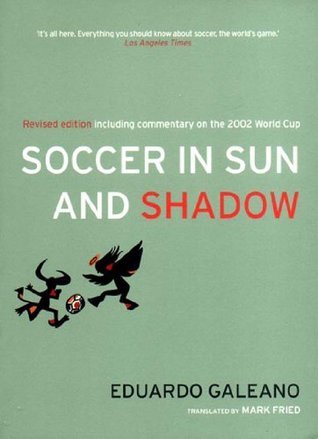
Discussing everything from the leveling of the Twin Towers to the death of the sole survivor of that extraordinary match between British and German soldiers in 1915, one of South America’s greatest commentators issues forth on robotic soccer in Japan, the mass-production of the game as a sign of the decline of civilization, the amazing success of Senegal and Turkey, and how Nike beat Adidas.

In a series of mock lesson plans and a "program of study" Galeano provides an eloquent, passionate, funny and shocking exposé of First World privileges and assumptions. From a master class in "The Impunity of Power" to a seminar on "The Sacred Car"—with tips along the way on "How to Resist Useless Vices" and a declaration of the "The Right to Rave"—he surveys a world unevenly divided between abundance and deprivation, carnival and torture, power and helplessness.We have accepted a "reality" we should reject, he writes, one where poverty kills, people are hungry, machines are more precious than humans, and children work from dark to dark. In the North, we are fed on a diet of artificial need and all made the same by things we own; the South is the galley slave enabling our greed.

أبناء الأيام لـ إدواردو غليانو ، يروي لنا غليانو عدداً من الأحداث المفصلية في توثيق الذاكرة الكونية ، تُوزع هذه الأحداث على مدار العام ، يهدى اليوم الأول من هذا الكتاب إلى شعب المايا الذي يؤمن بأن الزمن فضاء ، بينما الأيام هي التي تصنع الأشخاص الذين يقتصر دورهم على توليد الحكايات ، إن " حكايات الأيام " مجموعة من الأحداث والأحاسيس والمشاعر من خلال عدة أرقام نعرف بها تاريخ النزف الإنساني ، حيث الإنسان هو الأساس في موضوع هذه اللوحات فهو يقاوم الإحتضار ويعلن نفسه متحدياً كل ديكتاتوريات الإنتحار الجماعي والإبادات الدينية والعرقية ، يرصد لنا غاليانو من خلال هذه العدسة المقربة هذا العالم الذى يتأرجح من عصر الكهوف إلى اليوم ، كما لو أنك في شاشة عرض سينمائي والزمن يمر بك مع هذا الأرشيف السري في محاولة لسرقة الذكريات .

En esta antología, Galeano cuenta la intensidad de personajes femeninos atravesados por el peso de una causa, como Rosa Luxemburgo o Rigoberta Menchú; por su propia hermosura o talento, como Marilyn Monroe o Rita Hayworth, Camille Claudel o Josephine Baker. Pero también cuenta las hazañas colectivas de mujeres anónimas: las que lucharon en la Comuna de París, las guerreras de la revolución mexicana, las que –en un prostíbulo de la Patagonia argentina– se negaron a atender a los soldados que habían reprimido a los obreros. Un homenaje a las mujeres que festejan la vida porque no se resignan.
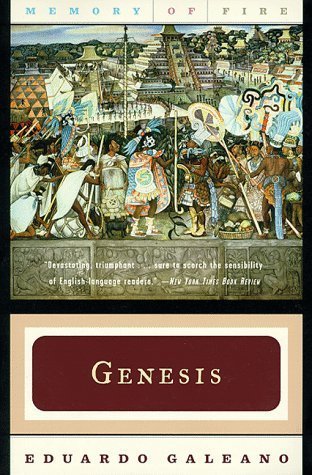
"From pre-Columbian creation myths and the first European voyages of discovery and conquest to the Age of Reagan, here is 'nothing less than a unified history of the Western Hemisphere... recounted in vivid prose.'"--The New YorkerA unique and epic history, Eduardo Galeano's Memory of Fire trilogy is an outstanding Latin American eye view of the making of the New World. From its first English language publication in 1985 it has been recognized as a classic of political engagement, original research, and literary form.“Memory of Fire is devastating, triumphant... sure to scorch the sensibility of English-language readers.” (New York Times)“An epic work of literary creation... there could be no greater vindication of the wonders of the lands and people of Latin America than Memory of Fire.” (Washington Post)“[Memory of Fire] will reveal to you the meaning of the New World as it was, and of the world as we have it now.” (Boston Globe)“A book as fascinating as the history it relates.... Galeano is a satirist, realist, and historian, and... deserves mention alongside John Dos Passos, Bernard DeVoto, and Gabriel Garcia Marquez.” (Los Angeles Times)

"Days and Nights succeeds not only because of its socio-political authenticity and lyrical style but because of its interweaving of anger and tenderness, elation and sorrow."--The NationDays and Nights of Love and War is the personal testimony of one of Latin America's foremost contemporary political writers. In this fascinating journal and eloquent history, Eduardo Galeano movingly records the lives of struggles of the Latin American people, under two decades of unimaginable violence and extreme repression. Alternating between reportage, personal vignettes, interviews, travelogues, and folklore, and richly conveyed with anger, sadness, irony, and occasional humor, Galeano pays loving tribute to the courage and determination of those who continued to believe in, and fight for, a more human existence. The Lannan Foundation awarded the 1999 Cultural Prize for Freedom to Eduardo Galeano, in recognition of those "whose extraordinary and courageous work celebrates the human right to freedom of imagination, inquiry and expression."Originally published in Cuba, Days and Nights of Love and War won the Casa de las Américas prize in 1978.

يخرج إدواردو غاليانو للصيد في الغابة التي هي العالم ، ليعرض علينا بقسوة وسخرية وعذوبة حقيقة العالم الذي نعيش فيه ، ويُعرّي بعض الوقائع التي لا نتوصل جميعنا إلي رؤيتها على الرغم من أنها موجودة وتحدث تحت أبصارنايقدم لنا الكاتب حفنة من القصص البديعة والقوية المفاجئة ، يقدم لنا فيها لمحات من سيرته الذاتية من سنوات طفولته وشبابه ورحلاته الأولى عبر بلدان أميركا اللاتينية وعن الأشخاص الذين أثروا في حياته وكتابته .

From pre-Columbian creation myths and the first European voyages of discovery and conquest to the Age of Reagan, here is "nothing less than a unified history of the Western Hemisphere... recounted in vivid prose."- The New Yorker A unique and epic history, Eduardo Galeano's Memory of Fire trilogy is an outstanding Latin American eye view of the making of the New World. From its first English language publication in 1985 it has been recognized as a classic of political engagement, original research, and literary form.

مثل طائر يهبط الى الارض بسرعة ليلتقط شيئا لانراه، كذلك يفعل ادواردو غاليانو في كل كتاباته يلتقط صورا نادرة من حياتنا اليومية، ويعيد تلوينها باقلامه الساحرة، في صور مدهشة وغريبة كانها من عالم اخر..
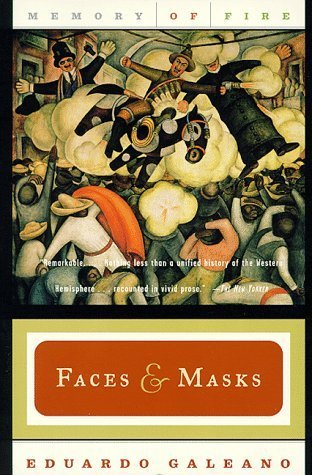
"From pre-Columbian creation myths and the first European voyages of discovery and conquest to the Age of Reagan, here is 'nothing less than a unified history of the Western Hemisphere... recounted in vivid prose.'"-- The New Yorker A unique and epic history, Eduardo Galeano's Memory of Fire trilogy is an outstanding Latin American eye view of the making of the New World. From its first English language publication in 1985 it has been recognized as a classic of political engagement, original research, and literary form.

From the author of Memory of Fire , a brilliant feat of storytelling in the tradition of Italo Calvino's Italian Folktales. In Walking Words world-renowned author Eduardo Galeano draws on the folklore of rural and urban Latin America to discover and retell "the stories of ghouls and fools that Id like to write." These tales are beautifully illustrated by his collaborator, the Brazilian woodcut artist José Francisco Borges, and become testaments to the power of stories to make and remake and enchant the world. Woodcuts throughout


La canción de nosotros es una novela del exilio: el autor evoca su tierra prohibida, y la recrea a través de las aventuras que en sus páginas se entrecruzan, sobre el trasfondo de la dictadura militar, en el tiempo de los horrores y los desafíos.Los libros de Eduardo Galeano son inclasificables, porque alevosamente violan las fronteras que dividen los géneros literarios. Esta obra, sin embargo, puede ser definida como una novela. Así lo entendió el jurado del concurso Casa de las Américas, que en 1975 le otorgó ese premio, compartido con Mascaró, el cazador americano, de Haroldo Conti.“Alucinante testimonio sobre la tragedia de nuestro tiempo: presencia estremecedora de lo real en el mundo mítico de lo imaginario, en el ámbito imperecedero de un cantar de gesta.” Augusto Roa Bastos, Crisis, Argentina.“Este gran libro nos deja una canción, que se canta bajo la máscara ‘con voz de ciego’.” Albert Bensoussan, La Quinzaine Littéraire, Francia.“Una muy buena novela, que se lee rápido y que deja un buen pedazo de espina metido entre vena y vena.” Poli Délano, Cambio, México.“Restos del naufragio que Galeano transforma en una totalidad artística, metáfora de un mundo en trance de destrucción y, ante todo, conciencia del lenguaje, búsqueda creativa a partir de los fragmentos del recuerdo y del deseo.” Hugo J. Verani, Revista de Crítica Literaria Latinoamericana, Perú.

Uno de los grandes periodistas y narradores uruguayos agrupatres Ayer, Hoy, Mañana, sus reflexiones sobre lasituación social y política de América Latina en la época de la conquista española y en el contexto internacional actual.

It eloquently states the case that by saying no to a global system of greed, repression, and exploitation one says yes to the universal values of equality, freedom, and love. All of the thirty-four pieces that comprise this book affirm the elemental struggle of the forgotten and the dispossessed for simple human dignity. From vivid portraits of the "last emperor" Pu Yi, Pele, and Che Guevara to a defense of the political nature of the literary enterprise in Latin America to stinging critiques of the end-of-history thesis and the "celebrations" of Columbus's voyages of discovery (and conquest) to the genesis of Memory of Fire, the pieces in We Say No are united by Galeano's unique ability to blend stirring political commitment, a magical literary facility and a large historical imagination into a seamless web. The result is a volume indispensable to the growing legion of Galeano's American readers and to all concerned with the issues of peace and justice in the Americas and, indeed, in the entire post-Cold War world.The title of We Say No is drawn from a speech Galeano delivered in support of democracy in Chile in 1988, stating that by saying no to a global system of greed and exploitation, one says yes to equality and freedom. The 34 pieces comprising this book affirm the struggle of the forgotten and dispossessed for human dignity.

A unique and epic history, Eduardo Galeano's Memory of Fire trilogy is an outstanding Latin American eye view of the making of the New World. From its first English language publication in 1985 it has been recognized as a classic of political engagement, original research, and literary form."From pre-Columbian creation myths and the first European voyages of discovery and conquest to the Age of Reagan, here is 'nothing less than a unified history of the Western Hemisphere... recounted in vivid prose.'"--The New Yorker

Mucho antes de que la ecología se convirtiera en moda y la problemática ambiental adquiriese "respetabilidad" en el debate cultural, Eduardo Galeano, en muchos de sus textos, alertaba sobre la voracidad y el cinismo de un sistema que devora a hombres y tierras para luego descartarlos, exhaustos. Esta antología, preparada por el autor, reúne textos "verdes" de Galeano, desde Las venas abiertas de América Latina hasta Las palabras andantes , textos nunca antes publicados en libro y textos preparados especialmente para este volumen. Entre la agonía de nuestra porción de planeta, la memoria de quienes supieron escuchar sus susurros, el saqueo de quienes le arrancan alaridos y las visiones de quienes, infatigables, la sueñan renacida, Úselo y tírelo conmueve y embelesa con el pulso de este suelo que sostiene nuestro andar.

A lo largo de su narrativa, Eduardo Galeano ha ido escribiendo sueños de Helena, su esposa. Este libro los reúne por primera vez en una edición especialmente iluminada por Isidro Ferrer, quien ha sabido interpretar con admirables composiciones toda la belleza de unas historias soñadas para soñadores de cualquier edad."Helena rüyasında bizi görmüş. Bir havaalanındaymışız ve tüm havaalanlarında olduğu gibi bir makineden geçmek için sırada bekliyormuşuz. Makineden yastıklarımızı geçirmemiz gerekiyormuş. Önceki gece kullanılan yastıklar cihazdan geçerken rüyalar okunuyormuş. Makine, kamu düzeni için tehlikeli rüyaları tespit ediyormuş."Latin Amerikan edebiyatının ustası Eduardo Galeano'nun, karısı Helena'nın rüyalarını kaleme aldığı metinleri bu kitapta ilk kez büyük bir hikâyeye dönüştü. Dostlar, yabancılar, yolculuklar, sürgünler ve kucaklaşmalar bu çok özel, resimli kitapta bir araya geldi. Isidro Ferrer'in göz kamaştıran eserleriyle renklenen rüyalar, her yaştan düş görenler için.

Este livro traz textos escritos no estilo impecável e inimitável de Eduardo Galeano: misto de reflexão, conto, artigo e ensaio. Com ironia e bom humor, abordam questões cruciais de nossa época no plano social, econômico, político, militar e ecológico. Os assuntos tratados são atualíssimos, como o Oriente Médio, o futuro da água no planeta, o terrorismo e a busca pela felicidade. Sempre cheio de verve e de compaixão, Galeano esmiúça a evolução e a história humana, mostrando por que é considerado um dos mais importantes e originais pensadores da atualidade.


"Quise contar historias, las historias de la historia americana, al oído de quien tuviera ganas de escucharlas, a cualquier edad y en cualquier lugar..." Un libro de cuentos sobre el mito de la creación destinado a oídos jóvenes y curiosos que quieran saber cómo nacieron las nubes, el tiempo, los colores, la lluvia, o ¿por qué el cuervo tiene la voz ronca y el oso camina torpemente?...

«El hombre recuperó el habla, y contó que el papagayo se había ahogado y la niña había llorado y la naranja se había desnudado y el fuego se había apagado y el muro había perdido una piedra y el árbol había perdido las hojas». La muerte del papagayo entristeció a todos. La pena fue tan grande que hasta el cielo se enteró. ¿Cómo podrá renacer la alegría? Eduardo Galeano lo cuenta en esta fascinante leyenda del nordeste brasileño, que cobra vida con las esculturas de Antonio Santos.


Esta antología recoge diversos relatos de algunos libros de Eduardo Galeano. El autor nació en 1940 en Montevideo, y en esa ciudad vive y camina. Ha publicado varios libros, que violan las fronteras que separan los géneros literarios, en busca de un lenguaje que viene de la necesidad de decir, con humor y dolor, la aventura humana de en este mundo.A lo largo de su obra, traducida a muchas lenguas, Galeano ha sabido asomarse al universo por el ojo de la cerradura.Así ha revelado la escondida grandeza de las cosas chiquitas, la vida cotidiana, los seres anónimos y todo lo que tiene valor pero no tiene precio.

Brand NEW. We ship worldwide
