
Dianne M. Stewart
4 Books Written

Black Women, Black Love: America's War on African American Marriage
by Dianne M. Stewart
Rating: 4.1 ⭐
• 2 recommendations ❤️
In this analysis of social history, examine the complex lineage of America's oppression of Black companionship.According to the 2010 US census, more than seventy percent of Black women in America are unmarried. Black Women, Black Love reveals how four centuries of laws, policies, and customs have created that crisis.Dianne Stewart begins in the colonial era, when slave owners denied Blacks the right to marry, divided families, and, in many cases, raped enslaved women and girls. Later, during Reconstruction and the ensuing decades, violence split up couples again as millions embarked on the Great Migration north, where the welfare system mandated that women remain single in order to receive government support. And no institution has forbidden Black love as effectively as the prison-industrial complex, which removes Black men en masse from the pool of marriageable partners.Prodigiously researched and deeply felt, Black Women, Black Love reveals how white supremacy has systematically broken the heart of Black America, and it proposes strategies for dismantling the structural forces that have plagued Black love and marriage for centuries.

Three Eyes for the Journey: African Dimensions of the Jamaican Religious Experience
by Dianne M. Stewart
Rating: 3.0 ⭐
Studies of African-derived religious traditions have generally focused on their retention of African elements. This emphasis, says Dianne Stewart, slights the ways in which communities in the African diaspora have created and formed new religious meaning. In this fieldwork-based study Stewart shows that African people have been agents of their own religious, ritual, and theological formation. She examines the African-derived and African-centered traditions in historical and contemporary Myal, Obeah, Native Baptist, Revival/Zion, Kumina, and Rastafari, and draws on them to forge a new womanist liberation theology for the Caribbean.
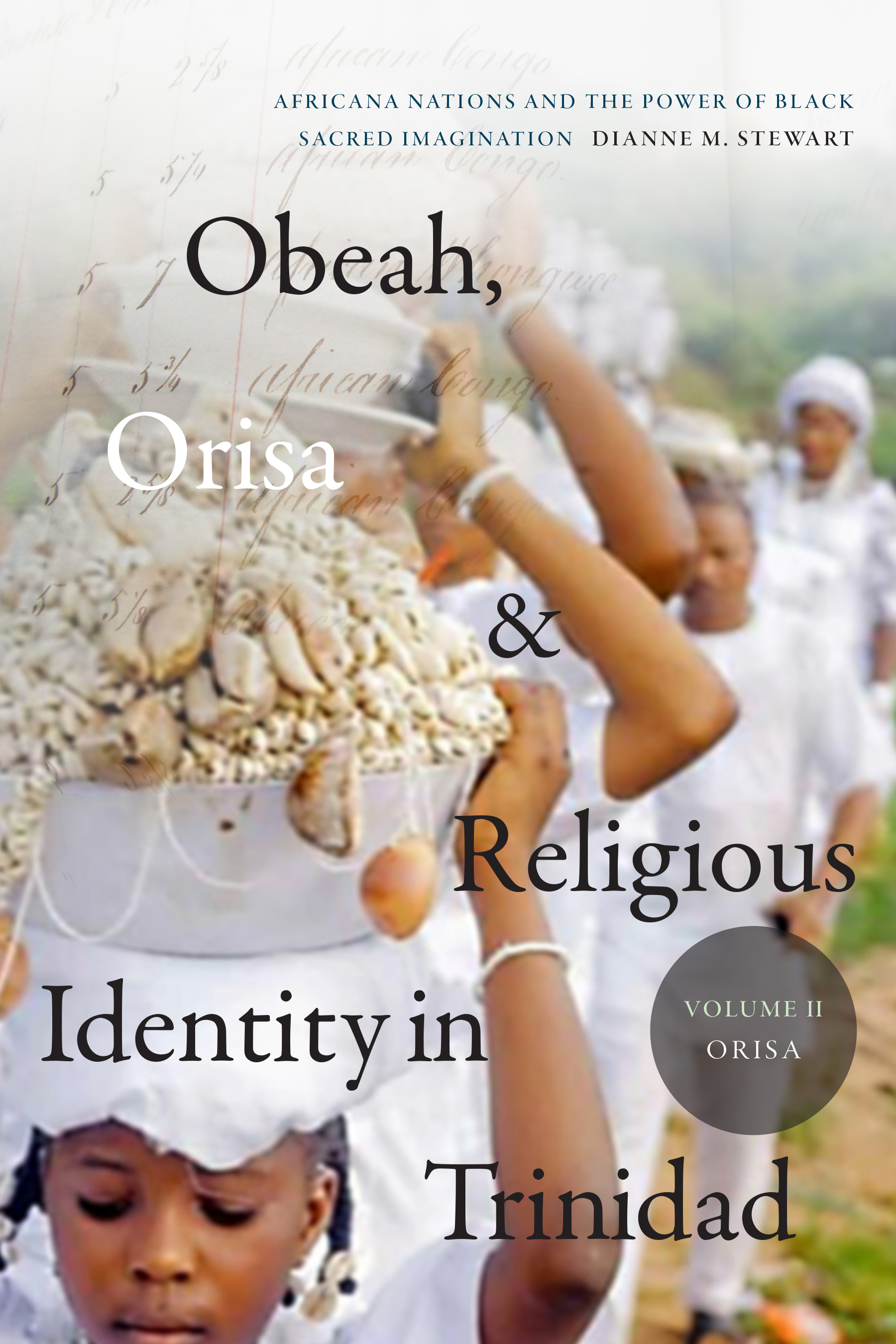
Obeah, Orisa, and Religious Identity in Trinidad, Volume II, Orisa: Africana Nations and the Power of Black Sacred Imagination
by Dianne M. Stewart
Rating: 5.0 ⭐
Obeah, Orisa, and Religious Identity in Trinidad is an expansive two-volume examination of social imaginaries concerning Obeah and Yoruba-Orisa from colonialism to the present. Analyzing their entangled histories and systems of devotion, Tracey E. Hucks and Dianne M. Stewart articulate how these religions were criminalized during slavery and colonialism yet still demonstrated autonomous modes of expression and self-defense. In Volume II, Orisa , Stewart scrutinizes the West African heritage and religious imagination of Yoruba-Orisa devotees in Trinidad from the mid-nineteenth century to the present and explores their meaning-making traditions in the wake of slavery and colonialism. She investigates the pivotal periods of nineteenth-century liberated African resettlement, the twentieth-century Black Power movement, and subsequent campaigns for the civil right to religious freedom in Trinidad. Disrupting syncretism frameworks, Stewart probes the salience of Africa as a religious symbol and the prominence of Africana nations and religious nationalisms in projects of black belonging and identity formation, including those of Orisa mothers. Contributing to global womanist thought and activism, Yoruba-Orisa spiritual mothers disclose the fullness of the black religious imagination’s affective, hermeneutic, and political capacities.

Obeah, Orisa, and Religious Identity in Trinidad: Africana Nations and the Power of Black Sacred Imagination
by Dianne M. Stewart
"Obeah, Orisa, and Religious Identity in Trinidad is an expansive two-volume examination of social imaginaries concerning Obeah and Yoruba-Orisa from colonialism to the present. Analyzing their entangled histories and systems of devotion, Tracey E. Hucks and Dianne M. Stewart articulate how these religions were criminalized during slavery and colonialism yet still demonstrated autonomous modes of expression and self-defense. In Volume II, Orisa, Stewart scrutinizes the West African heritage and religious imagination of Yoruba-Orisa devotees in Trinidad from the mid-nineteenth century to the present and explores their meaning-making traditions in the wake of slavery and colonialism. She investigates the pivotal periods of nineteenth-century liberated African resettlement, the twentieth-century Black Power movement, and subsequent campaigns for the civil right to religious freedom in Trinidad. Disrupting syncretism frameworks, Stewart probes the salience of Africa as a religious symbol and the prominence of Africana nations and religious nationalisms in projects of black belonging and identity formation, including those of Orisa mothers. Contributing to global womanist thought and activism, Yoruba-Orisa spiritual mothers disclose the fullness of the black religious imagination's affective, hermeneutic, and political capacities"--