
Clive Thompson
Clive Thompson is a Canadian freelance journalist, blogger and science and technology writer. Thompson graduated from the University of Toronto with majors in political science and English. He previously worked for Canada's Report on Business magazine and Shift magazine, then became a freelance contributor for The New York Times Magazine, The Washington Post, Lingua Franca, Wired, Shift, Entertainment Weekly and several other publications. Thompson writes about digital technologies and their social and cultural impact for a number of publications, including the New York Times Magazine and Wired. In 2002, he was awarded a Knight Science Journalism Fellowship at MIT.
11 Books Written

Site and Survey Dowsing
by Clive Thompson
"Dowsing has proved of immense value in a wide range of situations, in dock construction, in mines and mineral prospecting, in the location of gas, water and electrical supply lines, and in site selection.".

"No one covers technology with more insight or panache than Clive Thompson. I can't imagine anyone better qualified to curate this fascinating series."---Chris Anderson, editor in chief of Wired magazine and author of The Long Tail"Editor Clive Thompson suggests we are in a ‘golden age of technology journalism.' Reading this collection, one suspects he is right---it
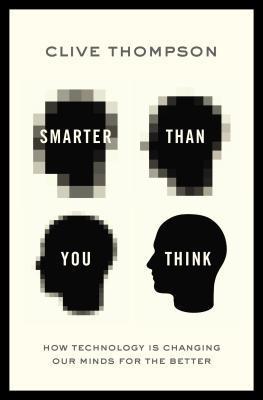
Smarter Than You Think: How Technology is Changing Our Minds for the Better
by Clive Thompson
Rating: 4.0 ⭐
It's undeniable—technology is changing the way we think. But is it for the better? Amid a chorus of doomsayers, Clive Thompson delivers a resounding "yes." The Internet age has produced a radical new style of human intelligence, worthy of both celebration and analysis. We learn more and retain it longer, write and think with global audiences, and even gain an ESP-like awareness of the world around

My 365 days FAITH Journal
by Clive Thompson
This Journal has been specially designed to assist you in your ‘faith walk’ through life, to give you goals, vision and encouragement to continue believing in God for all things. The subject titles are easy to follow as you fill in your thoughts and actions each day. The exciting part is that you can compare one day with the next, one month with next – and see just how God has been by your side, a
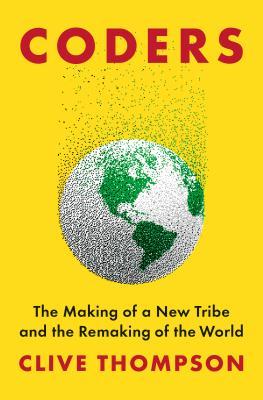
From acclaimed tech writer Clive Thompson, a brilliant and immersive anthropological reckoning with the most powerful tribe in the world today, computer programmers - where they come from, how they think, what makes for greatness in their world, and what should give us pause.You use software nearly every instant you're awake. And this may sound weirdly obvious, but every single
Fundamentals of Risk Management: Understanding, Evaluating and Implementing Effective Enterprise Risk Management
by Clive Thompson
Rating: 3.8 ⭐
Effective risk management allows opportunities to be maximized and uncertainty to be minimized. This guide for emerging professionals provides a comprehensive understanding of risk management with tools, tips and tactics on how to offer expert insights and drive success in an ever-changing area, covering everything from Covid-19 and digitization to climate change.Fundamentals of Risk Man

The Collaborative Workplace Option
by Clive Thompson

New York Times Magazine April 17, 2016 The Minecraft Generation
by Clive Thompson

All Roads Lead To Cardiff.: The Thompson, Holt, Clark and Warrender family beginnings.
by Clive Thompson
Four arms of the author’s family, corresponding with the surnames of his grandparents.The Warrender arm of this history starts in the beautiful Lake District of the 1790s, moves to Preston, and then plays out in and around Salford, Lancashire. That is until a wife in a bad marriage moves herself and her children from Salford to Cardiff, following a new love.The Ho
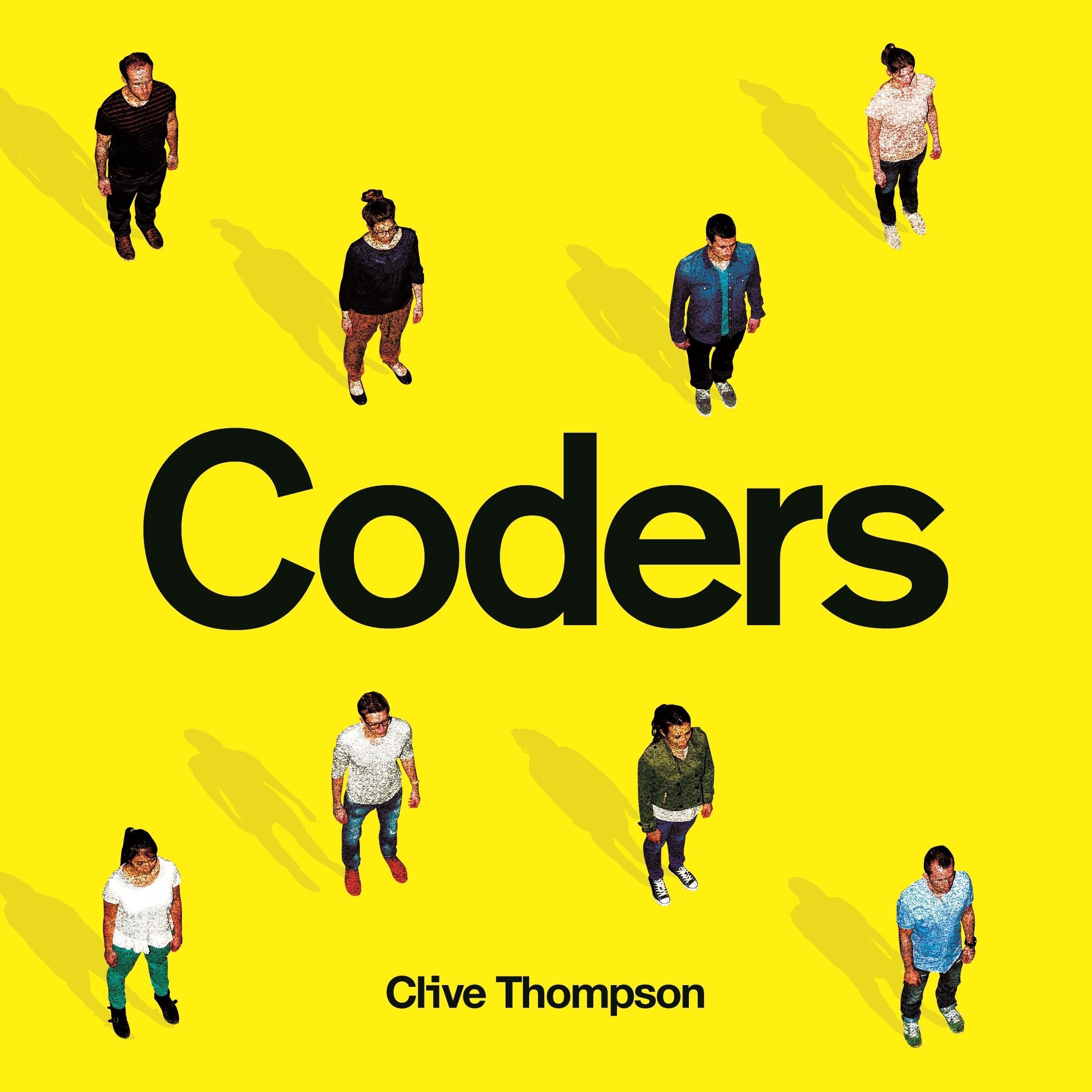
Coders: Who They Are, What They Think and How They Are Changing Our World
by Clive Thompson
Rating: 4.1 ⭐
'Masterful . . . [Thompson] illuminates both the fascinating coders and the bewildering technological forces that are transforming the world in which we live.' David Grann, author of The Lost City of ZFacebook’s algorithms shaping the news. Uber’s cars flocking the streets. Revolution on Twitter and romance on Tinder. We live in a world constructed of computer code. Coder

Pioneering Risk: The evolution of the Institute of Risk Management
by Clive Thompson
A definitive history of the world’s leading risk management institution.For over half a century, the Institute of Risk Management (IRM) has been at the forefront of shaping global risk practices. This compelling book traces its origins from the early discussions in the 1960s, through its official formation on April 11, 1986, to its evolution into the internationally recognized b