
Charles L. Bosk
3 Books Written
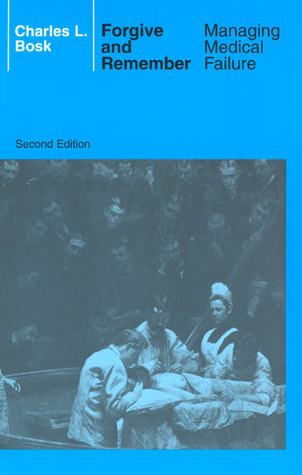
On its initial publication, Forgive and Remember emerged as the definitive study of the training and lives of young surgeons. Now with an extensive new preface, epilogue, and appendix by the author, reflecting on the changes that have taken place since the book's original publication, this updated second edition of Charles L. Bosk's classic study is as timely as ever.

In one case after another, Charles L. Bosk reveals the process by which parents, physicians and other health professionals come to guide decisions about pregnancies. A story of both extraordinary drama and ordinary routine, this is a pioneering case study of authority and control in a pediatric hospital, showing how genetic counselors work with colleagues and with parents to be, and how they deal with their powerlessness to control life-and-death decisions that they must address.

In hospital rooms across the country, doctors, nurses, patients, and their families grapple with questions of life and death. Recently, they have been joined at the bedside by a new group of professional experts, bioethicists, whose presence raises a host of urgent questions. How has bioethics evolved into a legitimate specialty? When is such expertise necessary? How do bioethicists make their decisions? And whose interests do they serve?Renowned sociologist Charles L. Bosk has been observing medical care for thirty-five years. In What Would You Do? he brings his extensive experience to bear on these questions while reflecting on the ethical dilemmas that his own ethnographic research among surgeons and genetic counselors has provoked. Bosk considers whether the consent given to ethnographers by their subjects can ever be fully voluntary and informed. He questions whether promises of confidentiality and anonymity can or should be made. And he wonders if social scientists overestimate the benefits of their work while downplaying the risks.Vital for practitioners of both the newly prominent field of bioethics and the long-established craft of ethnography, What Would You Do? will also engross anyone concerned with how our society addresses difficult health care issues.