
Antoine de Saint-Exupéry
People best know French writer and aviator Antoine de Saint-Exupéry for his fairy tale The Little Prince (1943). He flew for the first time at the age of 12 years in 1912 at the Ambérieu airfield and then determined to a pilot. Even after moving to a school in Switzerland and spending summer vacations at the château of the family at Saint-Maurice-de-Rémens in east, he kept that ambition. He repeatedly uses the house at Saint-Maurice. Later, in Paris, he failed the entrance exams for the naval academy and instead enrolled at the prestigious l'Ecole des Beaux-Arts. In 1921, Saint-Exupéry, stationed in Strasbourg, began serving in the military. He learned and forever settled his career path as a pilot. After leaving the service in 1923, Saint-Exupéry worked in several professions but in 1926 went back and signed as a pilot for Aéropostale, a private airline that from Toulouse flew mail to Dakar, Senegal. In 1927, Saint-Exupéry accepted the position of airfield chief for Cape Juby in southern Morocco and began his first book, a memoir, called Southern Mail and published in 1929. He then moved briefly to Buenos Aires to oversee the establishment of an Argentinean mail service, returned to Paris in 1931, and then published Night Flight , which won instant success and the prestigious Prix Femina. Always daring Saint-Exupéry tried from Paris in 1935 to break the speed record for flying to Saigon. Unfortunately, his plane crashed in the Libyan Desert, and he and his copilot trudged through the sand for three days to find help. In 1938, a second plane crash at that time, as he tried to fly between city of New York and Tierra del Fuego, Argentina, seriously injured him. The crash resulted in a long convalescence in New York. He published Wind, Sand and Stars , next novel, in 1939. This great success won the grand prize for novel of the academy and the national book award in the United States. Saint-Exupéry flew reconnaissance missions at the beginning of the Second World War but went to New York to ask the United States for help when the Germans occupied his country. He drew on his wartime experiences to publish Flight to Arras and Letter to a Hostage in 1942. Later in 1943, Saint-Exupéry rejoined his air squadron in northern Africa. From earlier plane crashes, Saint-Exupéry still suffered physically, and people forbade him to fly, but he insisted on a mission. From Borgo, Corsica, on 31 July 1944, he set to overfly occupied region. He never returned.
30 Books Written

One of the most published and translated books in the world, The Little Prince fascinates the reader with its story of a pilot marooned in the Sahara after something goes wrong with his plane, and a little man with golden hair who has ‘fallen’ to earth by chance. As the pilot tries to repair his plane, the little man requests him to draw a sheep as well as a box to keep the sheep in, so that it may not harm a flower he cares for—and therein begins a friendship that leads us to re-examine the many things we take for granted in our everyday life. Part fantasy, part fable, this is written as much for children as for adults, bringing home the message ‘what is essential, is invisible to the eye’.

Exupery was a prize-winning novelist, professional mail pilot, airborne adventurer, war correspondent, commercial test pilot, and the author of a popular children's book The Little Prince. Wind, Sand, and Stars more than all the others is a synthesis of his skill as a writer and his life as a flier. It is a collage of anecdotes, speculations and peotic reflections the earth and its inhabitants as seen from the air, all glued together by one basic them: that the airplane has broght man into confrontation with the elemnets of the univeerse, and thus has given him a new perspective on his own nature.

Während seines Exils in den Vereinigten Staaten schreibt Antoine de Saint-Exupéry 1941 seinem langjährigen Freund Léon Werth, der sich als Jude im besetzten Frankreich vor den Nazis verstecken muss, einen fiktiven Brief. Darin erzählt er von seiner Reise als Flüchtling, seinen Erlebnissen in der Wüste und verbindet dies mit tiefgreifenden Gedanken über Freundschaft und das »Wesentliche« im Leben.

Le Petit Prince
by Antoine de Saint-Exupéry
Le Petit Prince, écrit par Antoine de Saint-Exupéry, est un conte poétique et philosophique publié en 1943. Bien qu’il semble s’adresser aux enfants, il explore des thèmes profonds comme l’amour, l’amitié et la quête de sens. L’histoire suit un jeune prince qui voyage de planète en planète, rencontrant des personnages symboliques représentant les travers des adultes. Au cœur du récit se trouve la rencontre entre le petit prince et un aviateur échoué dans le désert. Leurs échanges touchants révèlent des réflexions sur la responsabilité, l’attachement et la beauté invisible des choses simples. Le petit prince, avec sa curiosité et sa pureté, remet en question les valeurs souvent oubliées par les adultes. Avec ses illustrations emblématiques et son style unique, Le Petit Prince reste une œuvre intemporelle qui touche les lecteurs de tous âges. C’est une invitation à redécouvrir le monde à travers les yeux d’un enfant et à réfléchir sur l’essentiel dans la vie.

The Little Prince is the most translated book in the French language. With a timeless charm it tells the story of a little boy who leaves the safety of his own tiny planet to travel the universe, learning the vagaries of adult behavior through a series of extraordinary encounters. His personal odyssey culminates in a voyage to Earth and further adventures. Letter to a Hostage, which contains certain theme that were appear ini The Little Prince, is Saint-Exupery's optimistic and humane open letter to a Jewish intellectual hiding in occupied France in 1943
In this gripping novel, Saint-Exupéry tells about the brave men who piloted night mail planes from Patagonia, Chile, and Paraguay to Argentina in the early days of commercial aviation. Preface by André Gide. Translated by Stuart Gilbert.
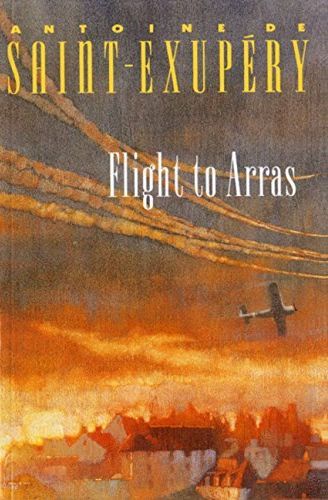
A recollection of the shattering days during World War II when, though the fall of France was imminent, a handful of French pilots continued to fight on against the Germans. Translated by Lewis Galantière.

J'ai pitié de celui-là seul qui se réveille dans la grande nuit patriarcale se croyant abrité sous les étoiles de Dieu, et qui sent tout à coup le voyage.De l'homme, je ne demande pas quelle est la valeur de ses lois, mais bien quel est son pouvoir créateurSi tu veux comprendre le mot de bonheur, il faut l'entendre comme récompense et non comme but.L'amour est avant tout audience dans le silence.Je n'ai pas d'espoir de sortir par moi de ma solitude. La pierre n'a point d'espoir d'être autre chose qu'une pierre. Mais de collaborer, elle s'assemble et devient temple.Citadelle, je te bâtirai dans le cœur de l'homme.

In his first novel, Saint-Exupéry pays homage to “those elemental divinities—night, day, mountain, sea, and storm,” turning an account of a routine mail flight from France to North Africa into an epic rendering of the pioneer days of commercial aviation. The book is also a poignant reminiscence of a tragic affair, in which the uncertainties of love and flight enhance the mystery of one another. Translated by Curtis Cate.

A Guide for Grown-Ups: Essential Wisdom from the Collected Works of Antoine de Saint-Exupéry
by Antoine de Saint-Exupéry
Rating: 4.2 ⭐
“One sees clearly only with the heart. Anything essential is invisible to the eyes.”For more than sixty years, this insight from The Little Prince has been quoted in more than 130 languages by fans around the world. Now, for the first time, quotations from the collected works and letters of Antoine de Saint-Exupéry are presented in a charming gift edition. Six chapters--“Happiness,” “Friendship,” “Responsibility,” “Fortitude,” “Love,” and “What Is Essential”--offer inspirational and thought-provoking words about the subjects held most dear by the author. A perfect gift for graduates—or for anyone who wants gentle guidance.

Conserva per sempre i tuoi giorni speciali in questo calendario perpetuo, arricchito da più di 170 citazioni di Antoine de Saint-Exupéry. Età di da 8 anni.

Date de 2000 | Sé Petite Enfance - Les amis du Petit Prince Une journée en compagnie du Petit Prince, ses occupations et le soin qu'il prend de sa planète.

Antoine de Saint-Exupéry, an intrepid and eccentric adventurer, transferred his passion for flying to the written word by writing several classics of aviation literature, including Southern Mail and Night Flight. Based on Saint-Exupéry's trail-blazing flights for the French airmail service over the Sahara and later, the Andes, these two novels evoke the tragic courage and nobility of the airborne pioneers who took enormous risks, flying in open cock-pits in planes that were often fragile and unstable.

Three classic adventure stories, reminders of both the romance and the reality of the pioneer era of Night Flight; Wind, Sand and Stars; and Flight to Arras. Introduction by Richard Bach. Translated by Lewis Galantière and Stuart Gilbert.

Сборник сказок. Содержание: Антуан де Сент-Экзюпери. Маленький принц (повесть, перевод Н. Галь), стр. 3-104 Оскар Уайльд. Рассказы и повести, стр. 105-352 Оскар Уайльд. Великан-эгоист (сказка), стр. 107-114 Оскар Уайльд. Счастливый принц (сказка, перевод К. Чуковского), стр. 115-130 Оскар Уайльд. Соловей и роза (сказка, перевод М. Благовещенской), стр. 131-141 Оскар Уайльд. Преданный друг (сказка), стр. 142-160 Оскар Уайльд. Юный король (сказка), стр. 161-183 Оскар Уайльд. День рождения Инфанты (сказка), стр. 184-215 Оскар Уайльд. Рыбак и его душа (сказка), стр. 216-271 Оскар Уайльд. Сын Звезды (сказка), стр. 272-298 Оскар Уайльд. Кентервильское привидение (рассказ), стр. 299-352 Анатоль Франс. Пчелка (сказка, перевод С. Боброва), стр. 353-460

O amor do Pequeno Príncipe: cartas a uma desconhecida, é um inédito de Antoine Saint-Exupéry. Nele, o famoso autor de O Pequeno Príncipe nos revela uma bela história de amor, contada em cartas assinadas pelo seu personagem mais famoso. O livro traz, ainda, aquarelas inéditas, revelando imagens de um Pequeno Príncipe apaixonado.


A posthumously collected group of miscellaneous pieces written over the lifetime of the author.

Micul Prinț: Povestiri pentru copii/ Cărți pentru copii în limba română/Carte Pentru Copii/Povești pentru copii/Cărți în limba română / Carti pentru copii in romana
by Antoine de Saint-Exupéry
Rating: 4.4 ⭐
Capodopera, Micul prinț, a devenind un mit care a captivat intreaga planeta.O poveste simpla si fermecatoare, dar plină de poezie. Cea mai citită poveste din lume.


This volume includes the aviator's letters to friends, autobiographical fragments, and meditations.

Le petit prince; Terre des hommes

Egziperi je svoje najpoznatije delo namenio čitaocima svih generacija, pišući jednostavnu priču za decu o pilotu koji u pustinji susreće dečaka sa druge planete, od koga saznajeo njegovim meuzvezdanim putovanjima. Sa druge strane, to je duboko dirljiva priča o ljudskim zabludama i grehovima, sreći i životnim vrednostima, napisana u zagonetkama i protkana poetskim i filozofskim metaforama. Ono što nam ostaje nakon čitanja ,,Malog princa" je da osmatramo srcem, tražimo nevidljivo i nikada ne prestanemo da se pitamo dokle god boravimo na ovoj zemlji.

Намерете място в сърцето си за Малкия принц. Той обитава миниатюрна планета с три вулкана (единият – угаснал). Всеки ден води борба с опасните баобаби. Докато не открива едно цвете, което иска от него нещо повече от грижа.Малкият принц поема на пътешествие. Ще открие много малки планети с чудати обитатели, а накрая ще слезе и на Земята, където ще се срещне с изгубен в пустинята пилот, една неопитомена лисица и хиляди рози, които поразително приличат на неговото цвете – но не са като него, защото то е единствено.

Le Petit Prince pour les enfants (LE PETIT PRINCE POUR ENFANT)
by Antoine de Saint-Exupéry
Rating: 4.4 ⭐
« J’en ai fait mon ami, et il est maintenant unique au monde. »La merveilleuse histoire du Petit Prince à partager avec son enfant. Les aquarelles originales et un texte adapté pour découvrir l’univers tendre et poétique du Petit Prince.

English / FrançaisA lovely story....which covers a poetic, yearning philosophy--not the sort of fable that can be tacked down neatly at its four corners but rather reflections on what are real matters of consequence. --The New York Times Book Review

Tout écrivain, tout grand homme a entretenu des relations épistolaires avec sa famille. Mais Saint-Exupéry était lié à la sienne par une affection et une tendresse de chaque instant.La maison et le parc de l'enfance, des êtres chers trop tôt disparus, une mère hors du commun, ouverte à toutes les formes de l'art et de l'esprit, ayant surmonté tout au long de sa vie tant de chagrin et de difficultés, tout a contribué à rapprocher Antoine de Saint-Exupéry de celle à qui il écrivait en 1930 : "Dites-vous bien que de toutes les tendresses la vôtre est la plus précieuse et que l'on revient dans vos bras aux minutes lourdes. Et que l'on a besoin de vous, comme un petit enfant, souvent. Et que vous êtes un grand réservoir de paix et que votre image rassure..."

ათასობით ვარსკვლავს შორის ობლად ჩაკარგული ყვავილი თუ შეიყვარე, ვარსკვლავის ხილვა ბედნიერებად გექცევა.შენთვის ფიქრობ: "ჩემი ყვავილი სადღაც იქ არის"... მაგრამ თუკი ბატკანმა ყვავილი შეჭამა, შენთვის ყველა ვარსკვლავი ერთბაშად ჩაქრება.ყველა ვარსკვლავი უნდა შეიყვარო და დაიმეგობრო.ყველა ვარსკვლავი დუმს.ასე თუ ისე, შენი ვარსკვლავი ყველასგან გამორჩეული იქნება.ღამით, ზეცას რომ შეხედავ, მოგეჩვენება, რომ ყველა ვარსკვლავი გიღიმის, რადგან გეცოდინება, რომ ერთ ვარსკვლავზე მე ვცხოვრობ და ვიცინი. შენს ვარსკვლავებს სიცილი ეცოდინებათ.როდესაც გულს მოგეშვება, გამიხსენებ და გაიხარებ.ყოველთვის ასე ხდება.

V sbornik voshli unikalnye teksty de Sent-Ekzjuperi, sluchajno obnaruzhennye v chastnykh kollektsijakh uzhe posle ischeznovenija znamenitogo pisatelja-letchika i vpervye perevedennye na russkij jazyk tolko v 2009 godu.Novella "Manon, tantsovschitsa" — ego pervoe zakonchennoe proizvedenie, ne izdannoe pri zhizni i schitavsheesja uterjannym. "Aviator" — pervaja publikatsija, svoeobraznaja otpravnaja tochka. Vmeste s ranee neizvestnymi ocherkami, glavami i fragmentami romanov, v tochnosti vosproizvedennymi dokumentami i pismami (v tom chisle k vnuchke tsarja Aleksandra II, aktrise i svetskoj lvitse Natali Palej) oni predstavljajut soboj zhivoe svidetelstvo zhizni i istorii sozdanija bessmertnykh proizvedenij Antuana de Sent-Ekzjuperi.