
Amin Maalouf
Amin Maalouf (Arabic: أمين معلوف; alternate spelling Amin Maluf) is a Lebanese journalist and novelist. He writes and publishes primarily in French. Most of Maalouf's books have a historical setting, and like Umberto Eco, Orhan Pamuk, and Arturo Pérez-Reverte, Maalouf mixes fascinating historical facts with fantasy and philosophical ideas. In an interview Maalouf has said that his role as a writer is to create "positive myths". Maalouf's works, written with the skill of a master storyteller, offer a sensitive view of the values and attitudes of different cultures in the Middle East, Africa and Mediterranean world.
30 Books Written

Cette autobiographie imaginaire part d'une histoire vraie.En 1518, un ambassadeur maghrébin, recevant d'un pèlerinage à la Mecque, est capturé par des pirates siciliens, qui l'offrent en cadeau à Léon X, le grand pape de la Renaissance. Ce voyageur s'appelait Hassan al-Wazzan. Il devient le géographe Jean-Léon de Médicis, dit Léon l'Africain.Sa vie, faite de passions, de dangers et d'honneurs, et que ponctuent les grands événements de son temps, est fascinante : il se trouvait à Grenade pendant la Reconquista, d'où, avec sa famille, il a dû fuir l'Inquistion, en Égypte lors de sa prise par les Ottomans, en Afrique noire à l'apogée de l'empire de l'Askia Mohamed Touré, enfin à Rome aux plus belles heures de la Renaissance, ainsi qu'au moment du sac de la ville par les soldats de Charles Quint.Homme d'Orient et d'Occident, homme d'Afrique et d'Europe, on pouvait difficilement trouver dans l'histoire personnage dont la vie corresponde davantage à l'époque étonnante que fut le XVIe siècle.

Accused of mocking the inviolate codes of Islam, the Persian poet and sage Omar Khayyam fortuitously finds sympathy with the very man who is to judge his alleged crimes. Recognising genius, the judge decides to spare him and gives him instead a small, blank book, encouraging him to confine his thoughts to it alone. Thus begins the seamless blend of fact and fiction that is Samarkand. Vividly re-creating the history of the manuscript of the Rubaiyaat of Omar Khayyam, Amin Maalouf spans continents and centuries with breathtaking vision: the dusky exoticism of 11th-century Persia, with its poetesses and assassins; the same country's struggles nine hundred years later, seen through the eyes of an American academic obsessed with finding the original manuscript; and the fated maiden voyage of the Titanic, whose tragedy led to the Rubaiyaat's final resting place—all are brought to life with keen assurance by this gifted and award-winning writer.

"منذ أن غادرت لبنان للاستقرار في فرنسا، كم من مرة سألني البعض عن طيب نية إن كنت أشعر بنفسي "فرنسياً" أم "لبنانياً". وكنت أجيب سائلي على الدوام: "هذا وذاك!"، لا حرصاً مني على التوازن والعدل بل لأنني سأكون كاذباً لو قلت غير ذلك. فما يحدد كياني وليس كيان شخص آخر هو أنني أقف على مفترق بين بلدين، ولغتين أو ثلاث لغات، ومجموعة من التقاليد الثقافية. وهذا بالضبط ما يحدد هويتي...". يتساءل أمين معلوف، انطلاقاً من سؤال عادي غالباً ما طرحه عليه البعض، عن الهوية، والأهواء التي تثيرها، وانحرافاتها القاتلة. لماذا يبدو من الصعب جداً على المرء الاضطلاع بجميع انتماءاته وبحرية تامة؟ لماذا يجب أن يترافق تأكيد الذات، في أواخر هذا القرن، مع إلغاء الآخرين في أغلب الأحيان، هل تكون مجتمعاتنا عرضة إلى الأبد للتوتر وتصاعد العنف، فقط لأن البشر الذين يعيشون فيها لا يعتنقون الديانة نفسها، ولا يملكون لون البشرة عينه، ولا ينتمون إلى الثقافة الأصلية ذاتها، هل هو قانون الطبيعة أم قانون التاريخ الذي يحكم على البشر بالتناحر باسم هويتهم؟ لقد قرّر المؤلف كتابة "الهويات القاتلة" لأنه يرفض هذا القدر المحتوم، وهذا الكتاب يزخر بالحكمة والتبصر والقلق، وكذلك بالأمل.

"Adana'da ayaklanmalar olmuştu. Kalabalık, Ermeni mahallesini yağmalamıştı. Altı yıl sonra çok daha büyük çapta olacakların provası gibi bir şeydi. Ama bu bile dehşetti. Yüzlerce ölü. Belki de binlerce."Can çekişen Osmanlı İmparatorluğu ve Beyrut ile Fransa arasında yaşamı sürüklenen İsyan. "Doğunun Limanları" bu yüzyılın başını, bir insanın trajik tarihinin içinden anlatıyor.

The author has combed the works of contemporary Arab chronicles of the Crusades, eyewitnesses, and often participants. He retells their story and offers insights into the historical forces that shape Arab and Islamic consciousness today.

«في التائهون، أستلهم فترة شبابي بتصرف شديد. فقد عشتُ تلك الفترة مع أصدقاء كانوا يؤمنون بعالم أفضل. ومع أنَّ لا شبه بين أبطال هذه الرواية وبين أشخاص حقيقيين، فهم ليسوا من نسج الخيال تماماً. فلقد نهلتُ من معين أحلامي واستيهاماتي وحسراتي بقدر ما نهلتُ من معين ذكرياتي». كان أبطال هذه الرواية متلازمين في شبابهم ثم تشتَّتوا ودبَّ بينهم الخصام وفرّقتهم الأيام، وسيجتمع شملهم بمناسبة وفاة أحدهم. بعضهم أبى أن يغادر وطنه الأم، وبعضهم الآخر هاجر إلى الولايات المتحدة، أو البرازيل، أو فرنسا، وأخذتهم الدروب التي سلكوها في اتجاهات مختلفة. فماذا يجمع بعد بين صاحبة الفندق المتحرِّرة، أو المقاول الذي جمع ثروة، أو الراهب الذي اعتزل العالم وانصرف إلى التأمل؟ بعض الذكريات المشتركة، وحنين لا برء منه للزمن الذي مضى.

Tanios was a child of the mountains of Lebanon in the 1880s when the Egyptian Pashas were struggling against Ottoman domination and the British and French plotted with and against each other.Amin Maalouf's novel, The Rock of Tanios, begins with a recollection of the rock on which Tanios was last seen sitting and weaves together the strands of the fascinating legend of his disappearance. Tanios was the illegitimate son of a powerful Sheik whose every action brought chaos into his village. When Tanios's adopted father caused the death of a powerful political rival, he and his son together fled their homeland. In hiding, they became entangled with international spies and politicians; Tanios soon took on the roll of intermediary between dueling European and Middle Eastern powers.

In 1665, with prophecies and portents fortelling the forthcoming Apocalypse, Balthasar, an antiquarian merchant and sage, embarks on a perilous quest through the countries of the Mediterranean and beyond to find a rare book, entitled The Hundredth Name, that could hold the key to the world's salvation. By the author of The Rock of Tanios. Reprint.

This is the story of Mani, a forgotten figure, but whose name is yet, paradoxically, on everyone's lips.When using the words "Manichean" or "Manichaeism" one rarely thinks Mani, painter, doctor and Eastern philosopher of the third century, called "the Buddha of Light" by the Chinese and "the apostle of Jesus" by the Egyptians . His tolerant and humanist philosophy wanted to reconcile the religions of his time. It earned him persecution, torment and hatred...
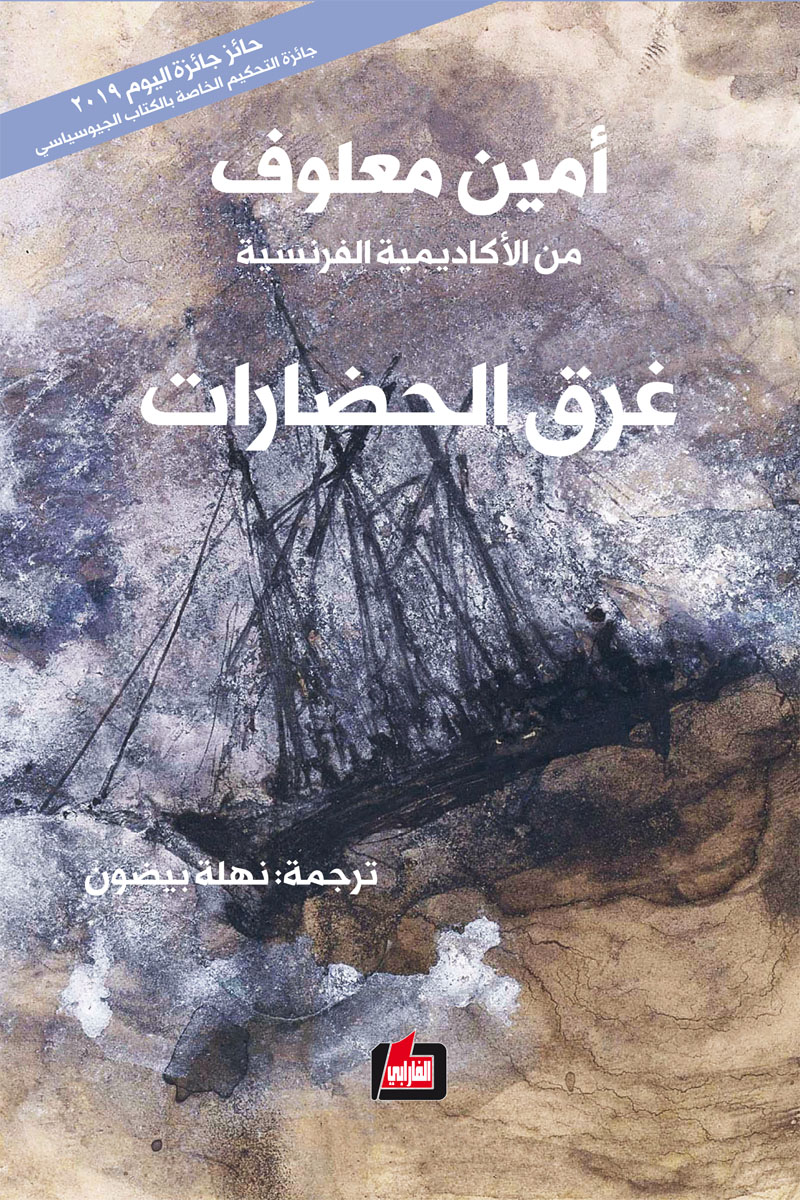
يجب تناول تحليلات أمين معلوف باهتمام؛ فتجليات حدسه هي بمثابة تنبؤات نظراً إلى سعة معرفته المسبقة بالتحولات الكبرى التي شهدها التاريخ. كان القلق يساوره منذ عشرين عاماً بسبب تنامي “الهويات القاتلة”، ثم منذ عشر سنوات بسبب ” اختلال العالم”. وها هو يشرح لنا اليوم أسباب تعرض النطاقات الحضارية كافة لخطر الغرق.منذ أكثر من نصف قرن، يتأمل المؤلف العالم ويجوب أرجاءه. كان موجوداً في سايغون عندما وضعت حرب فيتنام أوزارها، وفِي طهران عندما اندلعت الثورة الإسلامية. وفي هذه الدراسة الثاقبة والمسهبة، إنه المشاهد المهتم بالمجريات والأحداث والمفكر على السواء، يمزج بين سرد الوقائع وعرض الطروحات، فيروي أحياناً أحداثاً بارزة كان أحد الشهود العيان القلائل عليها، ثم يرتقي إلى مصاف المؤرخ متجاوزاً تجربته الشخصية ليوضح لنا أسباب الانحرافات المتعاقبة التي شهدتها البشرية حتى بلغت شفير هذا الانهيار.فيقول إن “الظلمات بدأت تنتشر انطلاقاً من أرضي الأم” قبل أن يتطرق إلى اندثار مشرق التعددية والهزات المتتالية التي ألمّت بالعالم العربي الإسلامي وانتشرت انعكاساتها اللاحقة شيئاً فشيئاً في كل أرجاء العالم. كما يطرح المؤلف فرضية جديدة عن “انقلاب كبير” أدى إلى تحولات جذرية في المجتمعات البشرية كافة بحيث أصبحنا الآن ورثتها المفزوعين. ويختتم دراسته بالقول إنه لا بد من حدوث صحوة؛ فسفينة العالم لا يمكنها الاستمرار في إبحارها نحو هلاكها.

في مطلع القرن الواحد والعشرين تظهر على العالم علامات اختلال عديدة. اختلال فكري يتميز بانفلات المطالبات المتعلقة بالهويات من عقالها، مما يجعل من العسير استتباب أي تعايش متناغم وأي نقاش حقيقي. وكذلك اختلال اقتصادي ومالي يجر الكوكب بأسره إلى منطقة من الاضطرابات يتعذر التكهن بنتائجها ويجسد بحد ذاته عوارض اضطراب في نظامنا القيمي. وأخيراً اختلال مناخي ناجم عن فترة طويلة من الممارسات غير المسؤولة...هل البشرية بلغت "عتبة إفلاسها الأخلاقي"؟في هذا الكتاب يسعى الكاتب إلى فهم أسباب بلوغنا هذا الدرك وكيفية الخروج منه. إن اختلال العالم في نظره مرتبط بحالة الإنهاك المتزامنة للحضارات كافة وبخاصة المجموعتين الثقافيتين اللتين يدّعي العالم نفسه الانتماء إليهما ألا وهما الغرب والعالم العربي، أكثر من ارتباطه بـ "حرب الحضارات". المجموعة الأولى تعتورها قلة وفائها لقيمها الخاصة؛ أما الثانية فواقعة في شرنقة مأزقها التاريخي.إنه لتشخيص مثير للقلق غير أنه يفضي إلى بارقة أمل: الفترة العاصفة التي دخلناها قد تقودنا إلى صوغ رؤية ناضجة في النهاية حول انتماءاتنا ومعتقداتنا وتبايناتنا وكذلك حول مصير الكوكب الذي يعنينا جميعاً

Türkiye’de geniş bir okur kitlesine sahip Amin Maalouf yeni romanı “Empedokles’in Dostları”yla okurlarını selamlıyor.Romanlarıyla olduğu kadar deneme kitaplarıyla da ilgi çeken Maalouf, “Empedokles’in Dostları”nda bu kez geleceğe yönelik bir kurguyla dönüş yapıyor. “Ölümcül Kimlikler” ve “Uygarlıkların Batışı” kitaplarında yer verdiği eleştirel gözlemlerin izinde yarı distopik bir dünya çiziyor. Platon’un mağarasından çıkıp “Empedokles’in Dostları”yla tanışmaya davet ediyor bizi.Atlas Okyanusu kıyısındaki küçük Antioche adasının yalnızca iki sakini vardır: Orta yaşın verdiği olgunlukla sessiz bir hayat sürmek isteyen Alec ile yazdığı ilk romanının yakaladığı başarı sonrası her şeyi ardında bırakan esrarengiz Ève. Birbirlerinden uzakta, kırılgan yalnızlıklarının tadını çıkaran bu iki insanın yolu bir gün elektriğin, telefonların, televizyon yayınlarının, internetin, kısacası her türlü iletişim aracının etkisiz hale gelmesiyle kesişir.Gerçeğe ulaşma imkânı kalmayınca fısıltı gazetesi işlemeye başlar: Gezegen bir nükleer felaketin eşiğindedir, Amerika küresel ölçekte bir terör saldırısına maruz kalmıştır, insanlığın hayatını kolaylaştıran teknolojik gelişmeler artık insanlığın sonunu getirmiştir…Tüm dünya bu söylentilerle çalkalanırken, kendilerine “Empedokles’in Dostları” diyen, son derece gelişmiş bir teknolojiye ve tıp bilgisine sahip bir grup gizemli insan bu karmaşaya son vermek üzere çıkagelir. Alec bu insanların kim olduğunu öğrenmeye çalışırken, içinde yaşadığımız dünyanın çelişkileriyle de yüzleşmek zorunda kalır. Hiçbir şey artık eskisi gibi olmayacaktır.“Hayal kırıklığı içeren bu satırları yazarken hikâyenin sonuna geldiğim izlenimindeyim. Geldiler, üstünlük kurdular, dünyada hem kaygı hem de umut rüzgârları estirdiler, sonra da gittiler.”

A French entomologist, attending a symposium in Cairo, finds a cruious kind of bean being on a market stall. It is claimed the beans, derived from the scarab beetle, have magic powers; specifically the power to guarantee the brith of a male infant - and when the entomologist does some research in to the matter, discovering the incidence of female birth has become increasingly rare, he is left in no doubt that the world has entered intoa critical phase of its history. As this beloved daughter Beatrice approaches maturity, the entomologist and his partner question the validity of gender bias, and attempt to redress the growing imbalance before it reaches irreversible proportions. But in the poverty and famine of the South, where male children can mean the difference between survival and starvation, the popularity of the scarab beans is already taking devastating effect.

"غيري قد يتحدث عن "الجذور"... تلك ليست مفرداتي، فأنا لا أحب كلمة "جذور"، وأقله صورتها. فالجذور تتوارى في التربة، تتلوى في الوحل، تنمو في الظلمات؛ تبقي الشجرة أسيرة، منذ ولادتها، وتغذيها لقاء ابتزاز: "لو تحرّرت، تموتين!"... "أنا أنتمي إلى عشيرة ترتحل منذ الأزل في صحراء بحجم الكون. مواطننا نفارقها متى جف الينبوع، وبيوتنا خيام من حجارة، وجنسياتنا مسألة تواريخ أو سفن كل ما يصل بيننا، وراء الأجيال، ووراء البحار، ووراء بابل اللغات، رنين اسم...". ... ذاك هو أمين معلوف وذلك هو مشروعه في تلك "البدايات" إذ هو يغوص في تاريخ أهله، في محاولةٍ لإحياء مصير عشيرة بني معلوف واستحضار ذاكراتهم التي انتشرت لاحقاً من لبنان إلى كافة أرجاء المعمورة، وصولاً إلى الأميركيتين وكوبا... يستحضر أمين معلوف في هذه المغامرة التي تمتد على أكثر من قرن "صخرة طانيوس" و"ليون الأفريقي" الأموات، والأحياء، والأسلاف، والأطياف، يقتفي أثرهم عبر اختلاجات الإمبراطورية العثمانية، يتأمل في ذلك الشتات من المتصوفين والماسونيين، والمعلمين، والتجار، والحالمين المتعددي اللغات والكوزموبوليتيين. يعلم أن دماءهم المحمومة تجري في عروقه. ويعلم كذلك أن مساره الشخصي سوف يفقد أهميته لو لم يكن، بواسطة الكتابة والعاطفة، أميناً لهذه السلالة الصاخبة والمتشعبة. هل هذا الكتاب قصة حقيقية؟ أم لوحة جداري نحتت مباشرة في صخرة التاريخ؟ أم أسرار عائلة؟ هذه "البدايات" في الواقع اعتراف مهيب بالجميل، وهي كذلك صلاة مديدة ونبيلة. نشيد حب إلى أسرة تظل الوطن الوحيد لهذا الأديب الذي يعيش في منفى الاغتراب. وأمين معلوف هو كاتب لبناني المولد يعيش في فرنسا منذ سنة 1976 له سبع روايات هي: ليون الافريقي، سمرقند، حدائق النور، القرن الأول بعد بياتريس، صخرة طانيوس (الحائزة على جائزة غونكور الفرنسية لسنة 1993)، موانئ المشرق ورحلة بالداسار. كما وله كتاب "الحروب الصليبية كما رآها العرب" إضافة إلى كتيّب أوبرا (مسرحية) "الحب عن بعد".

Une guerre dévastatrice vient d’éclater au cœur de l’Europe, qui ravive les pires traumatismes du passé ; des menaces de cataclysme nucléaire sont constamment agitées, alors qu’on les croyait définitivement écartées ; un bras de fer planétaire se déroule, opposant l’Occident à la Chine et à la Russie… Il est clair qu’un bouleversement majeur est en train de se produire, qui affecte déjà notre mode de vie, et qui remet en cause les fondements mêmes de notre civilisation. Chacun en a conscience, mais personne encore n’a contemplé cette crise avec la profondeur de champ qu’elle mérite.Comment en est-on arrivé là ? Amin Maalouf remonte, dans ce livre, aux origines de ce nouvel affrontement entre l’Occident et ses adversaires, en retraçant l’itinéraire de quatre grandes nations : d’abord le Japon de l’ère Meiji, qui fut le premier pays d’Asie à défier la suprématie des nations « blanches », et dont la modernisation accélérée fascina l’humanité entière, notamment les autres pays d’Orient, qui tous rêvèrent de l’imiter ; puis la Russie soviétique, qui constitua, pendant trois-quarts de siècle, une formidable menace pour l’Occident, son système et ses valeurs, avant de s’effondrer ; ensuite la Chine, qui représente en ce vingt-et-unième siècle, par son développement économique, par son poids démographique et par l’idéologie de ses dirigeants, le principal défi à la suprématie de l’Occident ; et enfin les Etats-Unis, qui ont tenu tête à chacun des trois « challengers », et qui sont devenus, au fil des guerres, le chef suprême de l’Occident et la première superpuissance planétaire.L’ensemble de ces récits constitue une grande fresque historique qui éclaire, comme on ne l’avait jamais vu jusqu’ici, les enjeux des conflits en cours, les motivations des protagonistes, et les étranges paradoxes de notre époque.En exergue du livre, l’auteur cite cette parole si pertinente de Faulkner : « Le passé ne meurt jamais. Il ne faut même pas le croire passé. »

كتاب " الحب عن بعد " عبارة عن مسرحية غنائية مغناة الحب عن بعد تدور أحداث الأوبرا فى القرن الثاني عشر بين مقاطعة أكيتين الفرنسية ، ومدينة طرابلس وعرض البحر ، وتتكون هذه المسرحية من خمسة فصول . عندما يلفظ جوفري أنفاسه في أحضان كليمانس ، تتمرد الكونتيسة على المشيئة الإلهية ، وتلوم نفسها على المأساة التي حصلت وتقرر الدخول إلى الدير . وتظهر في المشهد الأخير مستغرقة في الصلاة ، ولكن كلامها مبهم ولا يفهم المرء إن كانت تصلى راكعة لربها أم " لحبيبها البعيد

En racontant la vie et les aventures des dix-huit personnages qui se sont succédé au 29e fauteuil de l'Académie française depuis 1634, Amin Maalouf ne retrace pas seulement cette « généalogie en partie fictive » dont parlait son prédécesseur Lévi-Strauss ; il nous fait revivre de manière charnelle, incarnée, quatre siècles d’histoire de France.Si « un roman est un miroir que l’on promène le long d'un chemin », selon le mot de Stendhal, le roman de la France que nous relate ici l’auteur est une Légende des Siècles à partir d'un fauteuil.Son premier occupant se noie dans la Seine, Montherlant se suicide dans son appartement avec vue sur la Seine, et l’Académie elle-même siège dans un petit périmètre longé par la Seine, entre le Louvre et le quai Conti ; unité d’un lieu à partir duquel se déploie le kaléidoscope d’une histoire en train de se faire.Le pouvoir des rois et des cardinaux, des hommes d’épée et des négociateurs, l’autorité grandissante ou déclinante des philosophes et des savants, l’influence des poètes, des librettistes, des dramaturges et des romanciers : autant de visages de la gloire qui nous parlent des âges différents de la Nation.Les conflits d’idées et d’égos, les cabales pour faire trébucher Corneille, Voltaire ou Hugo, les intrigues de couloir et les histoires d’amour contrariées tissent la trame de cette si singulière histoire de France. On revisite ici la querelle du Cid et la révocation de l’Edit de Nantes, la Fronde et le jansénisme, l’expulsion des jésuites et l’émergence de la franc-maçonnerie, la Révolution de 1789, l'insurrection du 13 Vendémiaire et le coup d’état du 18 Brumaire, le Second Empire, la guerre de 1870 et la Commune de Paris, l’invention de l'anesthésie et celle des funérailles nationales, l’Affaire Dreyfus et les grandes guerres du XXe siècle...À partir d’un simple fauteuil, lieu de mémoire fragile et chaleureux posé sur les bords de la Seine, Amin Maalouf nous fait redécouvrir les riches heures du passé de la France, la permanence de son « génie national », ainsi que ses constantes métamorphoses.

في بلد تستعرُّ فيه الحرب، تحمل أدريانا، الشابة الشغوفة، إثر تعرُّضها للاغتصاب. تحاول شقيقتها أن تقنعها بألا تحتفظ بالطفل، فتجيبها أدريانا: "هذا إبني وليس إبن المغتصب. وسوف يشبهني!". ولكنها تعيش فريسة الشك، وتظل تتساءل بوجلٍ لسنوات طويلة إن كان ابنها يوناس الذي تجري في عروقه دم الضحية ودم الجلاد، سيتحول إلى قابيل أم إلى هابيل. يقسم يوناس بعد أن أصبح شاباً أن يقتل أباه. ترمقه أمه يمضي ولا تحاول أن تثنيه عن عزمه. سوف تنتظر عودته لتقول له: " كان ذلك الرجل يستحق أن يموت ولكنك أنت يا بني لا تستحق أن تصبح قاتلاً". إنه نص بديع. لأمين معلوف أعمال روائية كثيرة، والأم أدريانا هي ثاني أوبرا يكتب نصَّها بعد أوبرا الحب عن بعد

Léon l'AfricainCette autobiographie imaginaire part d'une histoire vraie. En 1518, un ambassadeur maghrébin, recevant d'un pèlerinage à la Mecque, est capturé par des pirates siciliens, qui l'offrent en cadeau à Léon X, le grand pape de la Renaissance. Ce voyageur s'appelait Hassan al-Wazzan. Il devient le géographe Jean-Léon de Médicis, dit Léon l'Africain. Sa vie, faite de passions, de dangers et d'honneurs, et que ponctuent les grands événements de son temps, est fascinante : il se trouvait à Grenade pendant la Reconquista, d'où, avec sa famille, il a dû fuir l'Inquistion, en Égypte lors de sa prise par les Ottomans, en Afrique noire à l'apogée de l'empire de l'Askia Mohamed Touré, enfin à Rome aux plus belles heures de la Renaissance, ainsi qu'au moment du sac de la ville par les soldats de Charles Quint. Homme d'Orient et d'Occident, homme d'Afrique et d'Europe, on pouvait difficilement trouver dans l'histoire personnage dont la vie corresponde davantage à l'époque étonnante que fut le XVIe siècle.SamarcandeSamarcande, c'est la Perse d'Omar Khayyam, poète du vin, libre-penseur, astronome de génie, mais aussi celle de Hassan Sabbah, fondateur de l'ordre des Assassins, la secte la plus redoutable de l'Histoire. Samarcande, c'est l'Orient du XIXe siècle et du début du XXe, le voyage dans un univers où les rêves de liberté ont toujours su défier les fanatismes. Samarcande, c'est l'aventure d'un manuscrit qui, né au XIe siècle, égaré lors des invasions mongoles, est retrouvé des siècles plus tard.Les Jardins de lumièreLes jardins de Lumière, c'est l'histoire de Mani, un personnage oublié, mais dont le nom est encore, paradoxalement, sur toutes les lèvres. Lorsqu'on parle de "manichéen", de "manichéisme", on songe rarement à cet homme de Mésopotamie, peintre, médecin et prophète, qui proposait, au IIIe siècle de notre ère, une nouvelle vision du monde, profondément humaniste, et si audacieuse qu'elle allait faire l'objet d'une persécution inlassable de la part de toutes les religions et de tous les empires. Pourquoi un tel acharnement? Quelles barrières sacrées Mani avait-il bousculées? Quels interdits avait-il, pour faire retenir un cri à travers le monde". Plus que jamais, en cette époque déroutante qui est la nôtre, son cri mérite d'être entendu. Et son visage redécouvert. C'est à Mani que ce livre est dédié, c'est sa vie qu'il raconte. Sa vie, ou ce qu'on peut en deviner encore après tant de siècles de mensonge et d'oubli.

“Akademi Üyesi Saygıdeğer Hanımefendiler, Beyefendiler,İnsan sizinki gibi bir aileye kabul edilme ayrıcalığına eriştiğinde, eli boş gelemez. Hele benim gibi Levanten bir konuk olduğunda, eli kolu dolu gelir. Gerek Fransa’ya, gerek Lübnan’a karşı duyduğum minnetle, iki yurdumun bana verdiği her şeyi de yanımda getireceğim: Kökenlerimi, dillerimi, aksanımı, inançlarımı, kuşkularımı ve her şeyden çok uyum, ilerleme ve bir arada yaşama düşlerimi.Bu düşler bugün suya düşmüş görünüyor. Övünç duyduğum kültür evrenleri arasında bir duvar yükseliyor Akdeniz’de. Benim isteğim bir yakadan ötekine geçmek için bu duvarı aşmak değil. Bu –Avrupalılar ile Afrikalılar, Batı ile Müslüman âlemi, Yahudiler ile Araplar arasındaki– tiksinti duvarını çökertmek, yerle bir etmeye katkı sağlamak istiyorum ben. Yaşama nedenim, yazma nedenim her zaman bu oldu...”1635 yılında Kardinal Richelieu tarafından kurulan ve Fransa’nın en köklü kültür kurumlarının başında gelen Fransız Akademisi 40 koltuğa sahiptir ve yaşam boyu seçilen 40 üyeden oluşur. Ancak bir üye öldüğünde yerine yenisi seçilir. Bu kuraldan dolayı Akademi üyeleri “ölümsüz” (“immortel”) olarak adlandırılır.Amin Maalouf 2011 yılında, 29. Koltuk’un sahibi Claude Lévi-Strauss’un yerine Fransız Akademisi’ne seçildi. Gelenek gereği yeni seçilen üye, koltuğunu devam ettirdiği eski üyeye dair bir anma konuşması, bir başka üye de seçilen yeni üyeyi takdim konuşması yapmak zorundaydı.Amin Maalouf Claude Lévi-Strauss’tan, Jean-Christophe Rufin de Amin Maalouf’dan bahsetti. Böylelikle antropoloji, tarih, Doğu-Batı etkileşimi, Fransız kültürü vb. pek çok konu Fransız Akademisi’nin “Kubbe”sinde yankılandı.Dünyaca ünlü bir yazar: Maalouf,Dünyaca ünlü bir antropolog: Lévi-Strauss.Kısacası bir taşla iki kuş...

"Depuis que j'ai quitté le Liban pour m'installer en France, que de fois m'a-t-on demandé, avec les meilleures intentions du monde, si je me sentais plutôt français" ou "plutôt libanais". Je réponds invariablement : "L'un et l'autre !" Non par quelque souci d'équilibre ou d'équité, mais parce qu'en répondant différemment, je mentirais. Ce qui fait que je suis moi-même et pas un autre, c'est que je suis ainsi à la lisière de deux pays, de deux ou trois langues, de plusieurs traditions culturelles. C'est cela mon identité..."Partant d'une question anodine qu'on lui a souvent posée, Amin Maalouf s'interroge sur la notion d'identité, sur les passions qu'elle suscite, sur ses dérives meurtrières. Pourquoi est-il si difficile d'assumer en toute liberté ses diverses appartenances ? Pourquoi faut-il que l'affirmation de soi s'accompagne si souvent de la négation d'autrui ? Nos sociétés seront-elles indéfiniment soumises aux tensions, aux déchaînements de violence, pour la seule raison que les êtres qui s'y côtoient n'ont pas tous la même religion, la même couleur de peau, la même culture d'origine ? Y aurait-il une loi de la nature ou une loi de l'Histoire qui condamne les hommes à s'entretuer au nom de leur identité ?C'est parce qu'il refuse cette fatalité que l'auteur a choisi d'écrire Les Identités meurtrières. Ce livre empreint de sagesse et de lucidité, d'inquiétude mais aussi d'espoir est toujours aussi pertinent plus vingt après sa parution, et s'est imposé comme un livre de référence.

León el Africano / Las cruzadas vistas por los árabes / El viaje de Baldassare
by Amin Maalouf
Rating: 4.3 ⭐
Volumen que recoge lo mejor de Amin Maaluf, estas tres novelas ilustran de forma significativa la prosa del genial escritor galardonado, entre otros numerosos premios, con el Premio Príncipe de Asturias de las Letras. LEÓN EL AFRICANO. En una época de crisis en la que dos grandes imperios pugnan por la supremacía en el Mediterráneo, Hasan, nacido en Granada poco antes de 1492 y más conocido como León el Africano, emprende una extraordinaria peregrinación que, guiada por su pasión de vivir, lo llevará a la misteriosa ciudad de Tombuctú, a los quince reinos negros situados entre el Níger y el Nilo, y a la deslumbrante Constantinopla. Finalmente, sus conocimientos y experiencias, donde se funden la cultura oriental y la occidental, el mundo cristiano y el del islam, serán puestos al servicio del papa León X y de Julio de Médicis. LAS CRUZADAS VISTAS POR LOS ÁRABES. Basándose en los testimonios de los historiadores y cronistas árabes de la época, Amin Maalouf relata la historia de las cruzadas tal y como las vieron y vivieron en «el otro campo», es decir, en el lado musulmán, un punto de vista hasta ahora olvidado. Las cruzadas vistas por los árabes abarca el periodo comprendido entre la llegada de los primeros cruzados a Tierra Santa en 1096 y la toma de Acre por el sultán Jalil en 1291, dos agitados siglos que dieron forma a Occidente y al mundo árabe y que aún hoy siguen condicionando sus relaciones. EL VIAJE DE BALDASSARE. Corre el año de 1666, año del Anticristo y, para muchos -agoreros, iluminados-, el del fin de los tiempos. Descendiente de genoveses afincados en el Líbano, Baldassare Embriaco no logra sustraerse al clima generalizado de inquietud y emprende un viaje en busca de un libro que puede servir de protección en caso de que sobrevengan las catástrofes que se anuncian. El viaje de Baldassare llevará a éste por el Mediterráneo hasta Londres, y en su transcurso le saldrán al paso el miedo, el engaño y la desilusión, pero también el amor.

O rochedo de Tânios, vencedor do Prêmio Goncourt de 1993, é um romance fascinante que entrelaça história e lenda no cenário montanhoso do Líbano do século XIX. Em um tempo turbulento, marcado pelas disputas entre o Império Otomano, o Egito e as potências europeias, acompanhamos Tânios, um jovem aldeão cuja ascendência é envolta em rumores. O assassinato de um líder religioso desencadeia uma sequência de eventos que levam Tânios ao exílio, lançando-o numa jornada pelo Mediterrâneo, onde se torna intermediário entre poderes rivais e figura central de uma lenda.Amin Maalouf, com sua prosa envolvente, conduz o leitor por um mundo onde o amor, a vingança e o destino moldam o curso de vidas e nações. Tânios, o jovem de cabelos precocemente brancos, é o símbolo de uma fatalidade que "passa e repassa por nós como a agulha do sapateiro através do couro". Ao lado de personagens inesquecíveis - um xeique ambicioso, um monge cronista, uma prostituta georgiana e um patriarca à espera da morte -, o romance reflete sobre as origens das lendas e a fragilidade da experiência humana. Uma narrativa rica em mistério e emoção que, ao acompanhar a trajetória de Tânios, desvenda um Oriente em conflito, onde lendas nascem das cinzas de vidas despedaçadas e o destino se impõe como uma força inevitável."Um contador de histórias maravilhoso."Alain Jacob, Le Monde"Terra abençoada por Deus, mas hostil aos homens de boa vontade, o Líbano de Tânios tem uma mistura de fragrância de flor de laranjeira com cheiro de pólvora. Ao lermos O rochedo de Tânios, o Oriente se acerca de nós."Christian Makarian, Le Point

Tre racconti che analizzano l'oscurità dell'amore, il mistero del tradimento e il buio dell'incesto. Ne "L'amore lontano", Amin Maalouf racconta di un amore assoluto fra una principessa e un poeta. Lui non l'ha mai incontrata, la canta nelle sue poesie, finché non decide di raggiungerla. "La fatalità della bellezza", di Tahar Ben Jelloun, racconta di un uomo sposato, ossessionato dall'incubo del tradimento di sua moglie. L'incubo incede inarrestabile, conducendolo alla follia. Jane, protagonista de "Il buio" di Hanif Kureishi, torna a casa per fare chiarezza sul proprio passato e affrontare il patrigno. Prima di affrontarlo Jane immagina il dialogo, che si fa realtà nella sua mente, e in cui si intrecciano violenza, pudore, tenerezza e passione.Contenuti:- L'amore lontano di Amin Maalouf- La fatalità della bellezza di Tahar Ben Jelloun- Il buio di Hanif Kureishi

“Makes for compelling reading in America today.”—New York Times Book Review. “I want to try and understand why so many people commit crimes in the name of identity,” writes Amin Maalouf. Identity is the crucible out of which we our background, our race, our gender, our tribal affiliations, our religion (or lack thereof), all go into making up who we are. All too often, however, the notion of identity—personal, religious, ethnic, or national—has given rise to heated passions and even massive crimes. Moving across the world’s history, faiths, and politics, he argues against an oversimplified and hostile interpretation of the concept. He cogently and persuasively examines identity in the context of the modern world, where it can be viewed as both glory and poison. Evident here are the dangers of using identity as a protective—and therefore aggressive—mechanism, the root of racial, geographical, and colonialist subjugation throughout history. Maalouf contends that many of us would reject our inherited conceptions of identity, to which we cling through habit, if only we examined them more closely. The future of society depends on accepting all identities, while recognizing our individualism.

Set of 2 Amin Maalouf, Amin Maalouf/Dogu'nun Limanlari, Amin Maalouf/Semerkant, Turkce Kitap, Turkce Roman, Turkish Book
by Amin Maalouf
Rating: 5.0 ⭐
5-7 İŞ GÜNÜNDE TESLİM EDİLİR!! **Doğu'nun Limanları** "Adana'da ayaklanmalar olmuştu. Kalabalık, Ermeni mahallesini yağmalamıştı. Altı yıl sonra çok daha büyük çapta olacakların provası gibi bir şeydi. Ama bu bile dehşetti. Yüzlerce ölü. Belki de binlerce." Can çekişen Osmanlı İmparatorluğu ve Beyrut ile Fransa arasında yaşamı sürüklenen İsyan. Doğunun Limanları bu yüzyılın başını, bir insanın trajik tarihinin içinden anlatıyor. Sayfa Sayısı: 176, Baskı Yılı: 2016, Türkçe Yayı Yapı Kredi Yayınları **Semerkant** "Titanic'te Rubaiyat! Doğu'nun çiçeği Batı'nın çiçekliğinde! Ey Hayyam! Yaşadığımız şu güzel anı görebilseydim!" Amin Maalouf, "Afrikalı Leo"dan (YKY, 1993) sonra bu kez Doğu'ya, İran'a bakıyor. Ömer Hayyam'ın Rubaiyat'ının çevresinde dönen içiçe iki öykü... 1072 yılında, Hayyam'ın Semerkant'ında başlayan ve 1912'de Atlantik'te bit(mey)en bir serüven... Bir elyazmasının yazılışının ve yüzlerce yıl sonra okunurken onun ve İran'ın tarihinin de okunuşunun öyküsü / tarihi... Sayfa Sayısı: 256, Baskı Yılı: 2016, Türkçe, Yayı Yapı Kredi Yayınları

In a novel that mirrors the struggles of the Middle East, young Turk Ossyane leaves Beruit for Paris to study during the 1930s, joins the resistance to fight Nazi occupation, returns home a hero, meets and falls in love with Clara, and settles back in the troubled Middle East
A graceful story of love across an insuperable gulf and a powerful allegory for the conflict that has beset the Middle East for the last half century.To call your son Ossyane is like calling him Rebellion. For Ossyane's father it is a gesture of protest by an exiled Ottoman prince, for Ossyane himself it is a burdensome responsibility. At eighteen he leaves Beirut to study in Montpellier, far away from his father's revolutionary aspirations for him. But it is 1938, and when war breaks out in Europe, Ossyane is drawn into the Resistance. His return to Beirut is a rebel hero's welcome after all, and a joyful reunion with Clara, whom he first met in France. But if one war has brought the JewishMuslim couple together, another, much closer to home, is destined to separate Ossyane from the people and the world that he loves.A beautiful work of fiction Pierre Robert Leclercq, Le MendeMaalouf's novels recreate the thrill of childhood reading, that primitive mixture of learning about something unknown or unimagined and forgetting utterly about oneself. His is a voice which Europe cannot afford to ingore. Claire Messud, Guardian

Amin Maalouf - Heurs et malheurs de la filiation (Présence de l'écrivain)
by Amin Maalouf
Rating: 4.7 ⭐
Comptes-rendus du colloque « Heurs et malheurs de la filiation » organisé par l’Ardua et consacré à l’œuvre d’Amin Maalouf, œuvre qui incarne autant « la vertu de la tolérance » que « l’alliance de l’identité et l’acceptation de l’altérité ».Amin Maalouf est fondamentalement un être transfrontalier, un être d’itinérance qui s’est convaincu que l’écriture demeure le plus sûr moyen de lier les hommes, les espaces et les temporalités les plus diverses voire les plus contradictoires.