
Amanda Montell
Amanda Montell is a writer, linguist, and podcast host living in Los Angeles. She is the author of three nonfiction books, Cultish: The Language of Fanaticism, Wordslut: A Feminist Guide to Taking Back the English Language, and The Age of Magical Overthinking: Notes on Modern Irrationality (forthcoming April 9, 2024 from OneSignal). She is also a creator and host of the hit podcast, Sounds Like A Cult. Amanda’s books have earned praise from The Washington Post, The Atlantic, Kirkus Reviews, and more. Cultish was named a best book of 2021 by NPR, was shortlisted for several prizes including the Goodreads Choice Awards and getAbstract International Book Award, and is currently in development for television. Sounds Like A Cult won “Best Emerging Podcast” at the 2023 iHeart Radio Podcast Awards and was named a best podcast of 2022 by Vulture, Esquire, Marie Claire, and others. Amanda’s essays and reporting have appeared in The New York Times, Harper’s Bazaar, Marie Claire, and elsewhere. She was born and raised in Baltimore, MD and holds a degree in linguistics from NYU. Find her on Instagram @amanda_montell or Substack at amandamontell.substack.com.
3 Books Written
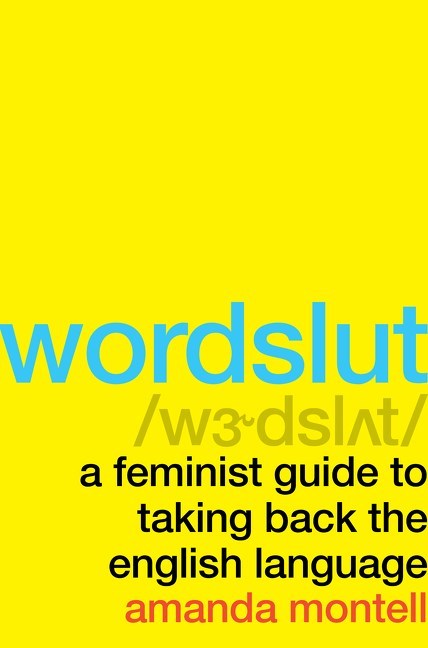
The word "bitch" conjures many images for many people but is most often meant to describe an unpleasant woman. Even before its usage to mean a female canine, bitch didn’t refer to gender at all—it originated as a gender-neutral word meaning genitalia. A perfectly innocuous word devolving into a female insult is the case for tons more terms, including hussy, which simply meant “housewife,” or slut,

The author of the widely praised Wordslut analyzes the social science of cult influence: how cultish groups from Jonestown and Scientology to SoulCycle and social media gurus use language as the ultimate form of power.What makes “cults” so intriguing and frightening? What makes them powerful? The reason why so many of us binge Manson documentaries by the dozen and fall down rabbit hole

From the bestselling author of Cultish and host of the podcast Sounds Like a Cult, a delicious blend of cultural criticism and personal narrative that explores our cognitive biases and the power, disadvantages, and highlights of magical thinking.Utilizing the linguistic insights of her “witty and brilliant” first book Wordslut and the sociological explorations of h